
The British Association of Aesthetic Plastic Surgeons (BAAPS) has released its comprehensive annual audit for 2025, providing a granular look at the evolving landscape of cosmetic surgery in the United Kingdom. Compiled from the data of 237 registered surgeons, the report highlights a subtle but definitive cooling of the market, with a total of 26,840 cosmetic procedures performed over the last year. This figure represents a 2% decline in overall volume compared to the previous year, signaling a potential stabilization of the industry following the volatile fluctuations seen in the post-pandemic era. Beyond the raw numbers, the audit uncovers a profound cultural pivot in aesthetic preferences, as British patients increasingly abandon the dramatic body-contouring trends of the last decade in favor of sophisticated, facial-focused "refinement" procedures.
The Changing Face of British Aesthetics
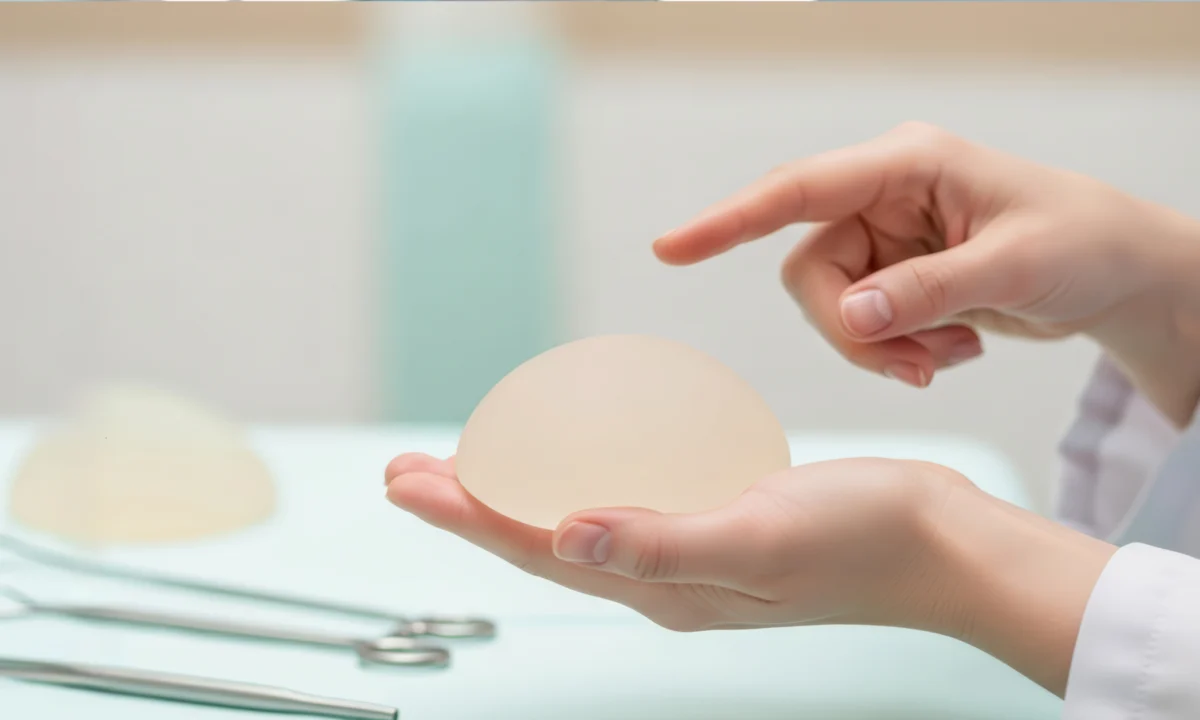
The most striking revelation of the 2025 audit is the marked shift away from the "Instagram-influenced" silhouettes that previously dominated the sector. For years, the industry was buoyed by high demand for aggressive body modifications, such as the exaggerated hourglass figure characterized by large breast implants and significant liposuction. However, the latest data suggests that this era may be reaching its twilight. BAAPS reports that breast augmentation, while still holding its position as the most popular procedure for women, has seen a sharp 8% decline in demand year-on-year.
Conversely, there has been a significant surge in procedures aimed at refreshing the face and neck. Surgeons are reporting that patients are seeking a more rested, natural appearance rather than a completely "altered" look. This trend is evidenced by the double-digit growth in specific facial surgeries. Face and neck lifts have seen an 11% increase, while blepharoplasty (eyelid surgery) rose by 8%. Perhaps most indicative of this shift is the brow lift, which emerged as one of the fastest-growing procedures in the UK with a 27% increase in volume. This surge suggests a move toward "prejuvenation" and subtle lifting techniques that enhance the upper face without the downtime or drastic changes associated with more invasive body surgeries.
A Statistical Breakdown of the 2025 Audit
The 2025 audit provides a clear demographic breakdown of who is undergoing surgery and what they are choosing. Women continue to be the primary drivers of the aesthetic market, accounting for 93.9% of all procedures performed by BAAPS members. A total of 25,217 operations were performed on female patients in 2025, reflecting a 2% decrease from the previous year. Within this demographic, the rise of "explant" surgery—the removal of breast implants—is particularly noteworthy. This trend aligns with a growing global awareness of breast implant illness (BII) and a broader movement toward a more athletic, natural physique.
The data for male patients tells a slightly different story. Cosmetic surgery among men saw a more significant decline of 10%, with only 1,623 procedures recorded, representing just 6.1% of the total market. However, the motivations and choices of male patients are undergoing a transformation. For the first time in the history of the BAAPS audit, eyelid surgery has overtaken rhinoplasty (nose reshaping) as the most popular procedure for men. This indicates that men, much like their female counterparts, are increasingly concerned with looking "refreshed" and competitive in a professional environment, prioritizing the correction of tired-looking eyes over structural changes to the nose.
Other notable statistics from the audit include a 6% rise in labiaplasty, a procedure that has seen steady growth over the last five years as more women seek surgical solutions for both aesthetic and functional comfort. On the decline are several staples of the "body-sculpting" era: fat transfers, rhinoplasties, liposuction, and abdominoplasty (tummy tucks) all saw reduced numbers in 2025.
Chronology of the UK Aesthetic Market: 2020–2025
To understand the 2025 data, it is essential to look at the trajectory of the UK market over the last five years.
- 2020–2021 (The Pandemic Pause and Zoom Boom): During the initial lockdowns, surgical volumes plummeted due to clinic closures. However, as the world transitioned to remote work, the "Zoom effect" took hold. Patients spent hours staring at their own faces on digital screens, leading to a massive spike in consultations for facial procedures once clinics reopened.
- 2022–2023 (The Post-Pandemic Surge): This period saw a "revenge spending" phenomenon in aesthetics. Demand for both surgical and non-surgical procedures reached record highs as consumers used savings accumulated during lockdowns to invest in their appearance. Body contouring and "mummy makeovers" were particularly popular.
- 2024 (Market Saturation and Economic Cooling): The market began to stabilize as the cost-of-living crisis and rising interest rates in the UK started to impact discretionary spending. Consumers began to favor longevity and "value" in their surgical choices.
- 2025 (The Refinement Era): The current audit reflects a mature market where patients are more discerning. The focus has moved from "more" to "better," with a preference for subtle facial enhancements and the reversal of previous procedures (such as implant removals).
Factors Influencing the Decline in Body Contouring
Industry analysts and BAAPS representatives suggest that several factors are contributing to the decline in procedures like liposuction and abdominoplasty. One of the most significant external influences is the rise of GLP-1 receptor agonists, such as Ozempic and Wegovy. These weight-loss medications have transformed the way individuals manage their weight, potentially reducing the immediate demand for surgical fat removal.
Furthermore, the "Quiet Luxury" aesthetic that has dominated fashion and interior design has finally permeated the world of plastic surgery. There is a growing social stigma against "obvious" plastic surgery. Patients today are more likely to seek "tweakments" or surgeries that leave people wondering why they look so well-rested, rather than what they have had "done." This shift is directly responsible for the 27% surge in brow lifts and the 11% increase in face and neck lifts.
Safety, Regulation, and the BAAPS Mission
The annual audit is more than just a collection of numbers; it is a vital tool for the British Association of Aesthetic Plastic Surgeons to monitor safety and standards in an industry that remains largely under-regulated in the UK. BAAPS has long campaigned for stricter controls on who can perform cosmetic surgery and where these procedures can take place.
In response to the 2025 data, BAAPS leaders emphasized the importance of the "Choose Well" campaign. With the decline in total procedures, some providers may be tempted to offer deep discounts or "buy-one-get-one-free" deals to lure patients. BAAPS warns that such marketing tactics are unethical and can lead to patients making impulsive decisions about life-altering surgery. The association continues to advocate for a mandatory registry of all cosmetic procedures and tighter restrictions on social media advertising, which often targets vulnerable younger demographics with unrealistic beauty standards.
Broader Implications for the Aesthetic Industry
The 2025 audit suggests a period of "correction" for the UK cosmetic surgery industry. While a 2% decline might seem minor, it indicates that the rapid growth seen in the early 2020s was unsustainable. The industry is now entering a phase where quality of outcome and long-term patient satisfaction are more important than volume.
For practitioners, these trends necessitate a shift in focus. Surgeons who specialize in complex facial rejuvenation are likely to see their waiting lists grow, while those who rely solely on high-volume body contouring may need to adapt. There is also an increasing need for "secondary" surgery—correcting or reversing procedures performed years ago, such as removing aged implants or addressing the complications of "medical tourism" where patients traveled abroad for cheaper, less regulated surgery.
The rise in eyelid surgery among men also signals a burgeoning market that remains largely untapped. As the professional world becomes increasingly visual and digital, the "aesthetic maintenance" of the male face is becoming normalized, moving away from the traditional taboos associated with men’s plastic surgery.
Conclusion
The 2025 BAAPS audit paints a picture of a British public that is becoming more conservative and sophisticated in its approach to cosmetic surgery. The era of the "overdone" look is being replaced by a desire for subtle, facial-led rejuvenation that prioritizes a refreshed appearance over a reconstructed one. While economic factors and the rise of weight-loss medications have dampened the demand for traditional body-contouring surgeries, the steady interest in facial procedures like brow lifts and blepharoplasty ensures that the UK’s aesthetic sector remains a significant, albeit evolving, part of the healthcare landscape. As the industry moves forward, the focus on patient safety, psychological well-being, and natural-looking results will likely remain the cornerstone of the British aesthetic ideal.
