

Polycystic Ovary Syndrome (PCOS) remains one of the most prevalent endocrine disorders among women of reproductive age, affecting approximately 8% to 13% of the global female population and serving as a primary driver of infertility, metabolic dysfunction, and long-term health risks. While pharmacological interventions such as Metformin and hormonal contraceptives have long been the standard of care, a growing body of clinical evidence suggests that nutritional therapy—specifically the Mediterranean diet—offers a robust, non-invasive framework for managing the complex interplay of hormonal imbalances and metabolic disturbances characteristic of the syndrome. Clinical reviews indicate that although specific longitudinal studies focusing solely on the PCOS-Mediterranean diet nexus are still emerging, the diet’s proven ability to mitigate chronic inflammation, improve insulin sensitivity, and enhance gut microbiome diversity provides a compelling case for its adoption as a first-line lifestyle intervention.
Understanding the Pathophysiology of PCOS and the Mediterranean Framework
PCOS is a multifaceted condition characterized by hyperandrogenism (elevated male hormones), ovulatory dysfunction, and polycystic ovarian morphology. Beyond these reproductive markers, the syndrome is deeply rooted in metabolic instability. Between 50% and 70% of women with PCOS exhibit some degree of insulin resistance, regardless of Body Mass Index (BMI). This resistance leads to hyperinsulinemia, which in turn stimulates the ovarian theca cells to produce excess testosterone, creating a feedback loop of hormonal chaos.
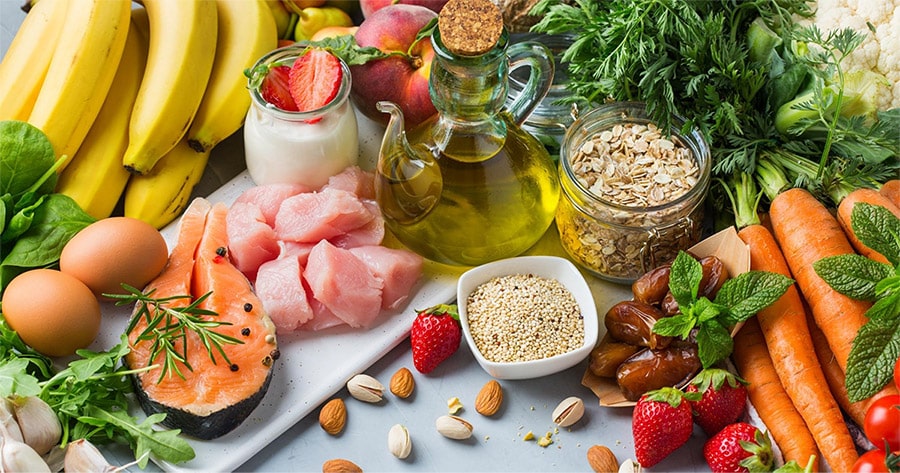
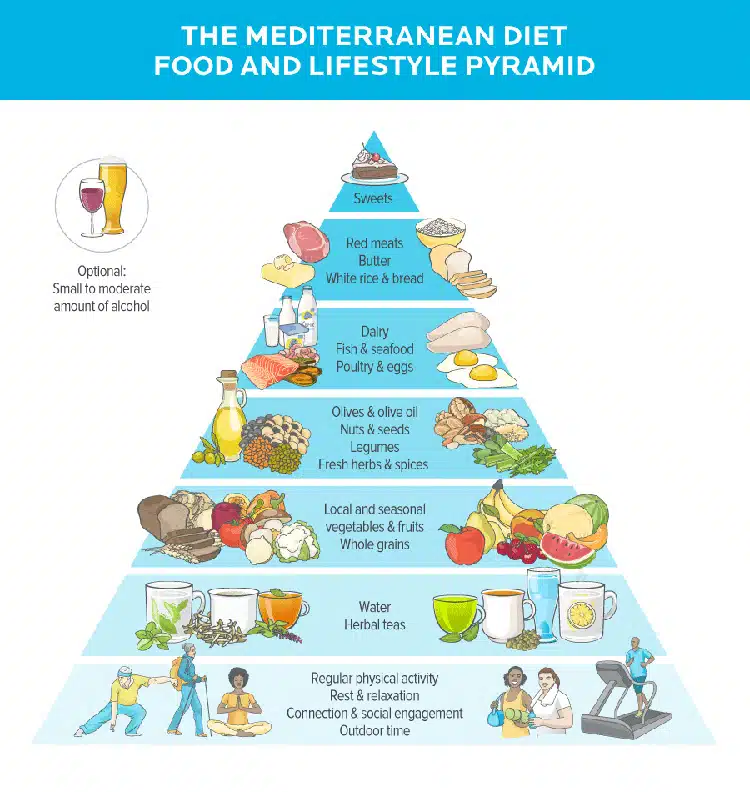
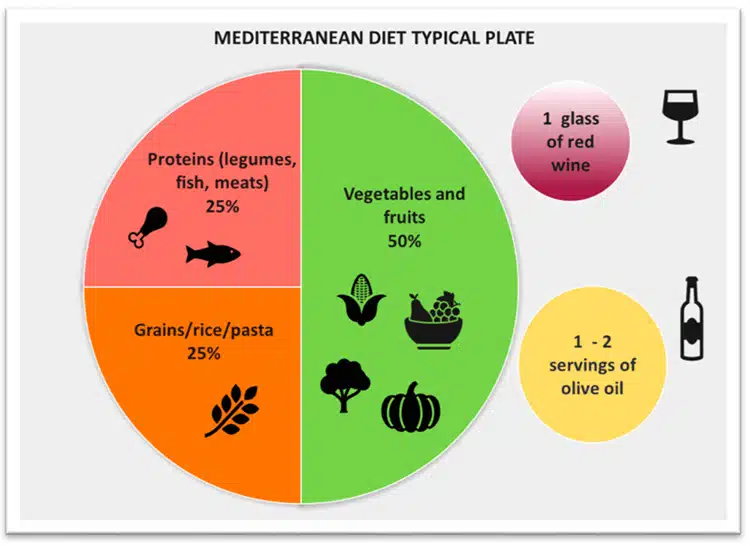
The Mediterranean diet (MedDiet) is not a restrictive regimen but rather a dietary pattern inspired by the traditional eating habits of populations bordering the Mediterranean Sea. It is characterized by a high intake of plant-based foods, including fruits, vegetables, legumes, whole grains, nuts, and seeds. The primary source of added fat is extra-virgin olive oil, supplemented by moderate consumption of fish, poultry, and dairy, and a minimal intake of red meat and highly processed sugars. This nutritional profile is naturally high in monounsaturated fatty acids (MUFAs), fiber, and antioxidants, all of which target the underlying drivers of PCOS.
The Chronology of Dietary Intervention in PCOS Management
The medical community’s approach to PCOS has evolved significantly over the last half-century. In the mid-20th century, treatment was largely surgical or focused strictly on symptom suppression through early hormonal therapies. By the 1980s and 1990s, the discovery of the link between insulin resistance and PCOS shifted the focus toward insulin-sensitizing medications.
In the last decade, however, the paradigm has shifted toward "lifestyle medicine." This shift was catalyzed by the realization that weight loss alone was not a panacea; rather, the quality of the nutrients consumed played a more critical role in gene expression and hormonal regulation. The Mediterranean diet emerged as a gold standard in this context following the landmark PREDIMED study, which demonstrated the diet’s profound impact on cardiovascular and metabolic health. Consequently, endocrinologists and dietitians began adapting these principles for the specific needs of the PCOS community, focusing on anti-inflammatory and low-glycemic index (GI) foods to stabilize endocrine function.
Clinical Analysis of Metabolic and Hormonal Benefits
Mitigation of Systemic Inflammation
Chronic low-grade inflammation is now recognized as a hallmark of PCOS. Elevated markers such as C-reactive protein (CRP) are frequently found in patients, contributing to both insulin resistance and ovarian dysfunction. The Mediterranean diet is rich in anti-inflammatory compounds, such as oleocanthal in olive oil and omega-3 fatty acids in fish. Research published in Endocrine, Metabolic & Immune Disorders – Drug Targets confirms that high adherence to this diet reduces systemic inflammatory markers, thereby breaking the cycle that exacerbates androgen production.
Reversal of Insulin Resistance and Metabolic Syndrome
The Mediterranean diet’s emphasis on complex carbohydrates and high fiber content results in a lower glycemic load, preventing the sharp insulin spikes that trigger androgen release. Studies indicate that following this pattern for as little as six months can lead to significant reductions in fasting insulin levels and improved glucose tolerance. For the 33% of women with PCOS who also meet the criteria for metabolic syndrome—a cluster of conditions including hypertension and high blood sugar—the MedDiet serves as a preventative measure against the progression to Type 2 diabetes and cardiovascular disease.
Reduction of Hyperandrogenism
Excessive testosterone levels in women with PCOS lead to distressing symptoms such as hirsutism (excess hair growth), cystic acne, and androgenetic alopecia (thinning hair). The Mediterranean diet’s high concentration of healthy fats and fiber has been shown to increase levels of Sex Hormone-Binding Globulin (SHBG). SHBG is a protein that binds to testosterone in the blood, rendering it inactive. By increasing SHBG, the diet effectively lowers the amount of "free" testosterone circulating in the body, leading to a visible reduction in androgenic symptoms.
Impact on Fertility and Reproductive Outcomes
PCOS is a leading cause of anovulatory infertility. However, nutritional quality can significantly alter reproductive potential. A study published in the journal Human Reproduction followed women undergoing in vitro fertilization (IVF) and found that those with high adherence to a Mediterranean-style diet had a 65% to 68% higher likelihood of achieving a successful pregnancy and live birth compared to those with low adherence.
The benefits extend to the cellular level. The antioxidants found in Mediterranean staples—such as Vitamin E, selenium, and polyphenols—protect oocytes (eggs) from oxidative stress, potentially improving egg quality. Furthermore, the diet has shown benefits for male factor fertility, improving semen quality and motility, making it an ideal lifestyle choice for couples attempting to conceive.
The Role of the Gut Microbiome and Hepatic Health
Recent scientific inquiries have highlighted the "gut-gonad axis," suggesting that the diversity of the gut microbiome plays a role in regulating sex hormones. Women with PCOS often exhibit lower microbial diversity, a condition known as dysbiosis. The high fiber and prebiotic content of the Mediterranean diet (from leeks, onions, artichokes, and whole grains) fosters the growth of beneficial bacteria, which can improve insulin signaling and reduce inflammation.
Additionally, the Mediterranean diet has proven effective in managing Non-Alcoholic Fatty Liver Disease (NAFLD), a condition that affects women with PCOS at disproportionately high rates. Clinical trials have demonstrated that even in the absence of significant weight loss, the MedDiet can reduce hepatic fat content and improve liver enzyme profiles within 12 months, due to its low content of fructose and saturated fats.
Comparative Analysis: Mediterranean vs. Western Dietary Patterns
The efficacy of the Mediterranean diet is best understood when contrasted with the Standard Western Diet (SWD). The SWD is characterized by high intakes of refined grains, added sugars, trans fats, and red meats—all of which are pro-inflammatory and insulinotropic.
| Feature | Mediterranean Diet | Western Diet |
|---|---|---|
| Primary Fat Source | Monounsaturated (Olive Oil) | Saturated & Trans Fats |
| Carbohydrate Quality | Low GI, High Fiber | High GI, Refined Sugars |
| Protein Source | Plant-based & Fish | Red Meat & Processed Meat |
| Antioxidant Content | Very High | Low |
| Impact on PCOS | Improves Insulin Sensitivity | Exacerbates Insulin Resistance |
By replacing refined white breads with whole grains and swapping butter for olive oil, patients can shift their internal biochemistry from a state of storage and inflammation to one of repair and metabolic efficiency.
Implementation Strategies for Long-term Adherence
One of the most significant advantages of the Mediterranean diet is its sustainability. Unlike "crash" diets or extreme ketogenic protocols, the MedDiet is culturally rich and palatable, leading to higher long-term compliance rates. Experts suggest a phased approach to implementation:
- Prioritize Plant-Based Fats: Transition from animal fats to plant-based oils and incorporate a daily serving of raw nuts (walnuts or almonds).
- Shift the Protein Profile: Aim for at least two servings of fatty fish per week and utilize legumes (lentils, chickpeas) as a primary protein source for lunches.
- Adopt Mindful Eating Practices: The Mediterranean lifestyle emphasizes the social and sensory aspects of eating. Slower consumption and thorough chewing can improve satiety signals, which are often impaired in women with PCOS due to leptin resistance.
- Sourcing and Seasonality: Focus on locally produced, seasonal vegetables to maximize micronutrient density and reduce exposure to endocrine-disrupting chemicals often found in long-haul processed foods.
Broader Implications and Future Outlook
The broader implications of the Mediterranean diet for PCOS patients extend into the realm of long-term disease prevention. Women with PCOS face a higher lifetime risk of endometrial cancer and breast cancer, both of which are linked to hyperinsulinemia and estrogen dominance. By stabilizing these hormonal markers through nutrition, the MedDiet acts as a prophylactic measure.
As the medical community continues to move toward personalized nutrition, the Mediterranean diet remains the most evidence-based foundation for PCOS management. Future research is expected to delve deeper into the nutrigenomics of the diet—how specific Mediterranean nutrients can "turn off" the genes responsible for the PCOS phenotype. For now, the clinical consensus is clear: a transition toward this ancient way of eating offers a powerful, sustainable, and scientifically backed pathway to hormonal balance and metabolic health for women worldwide.
