
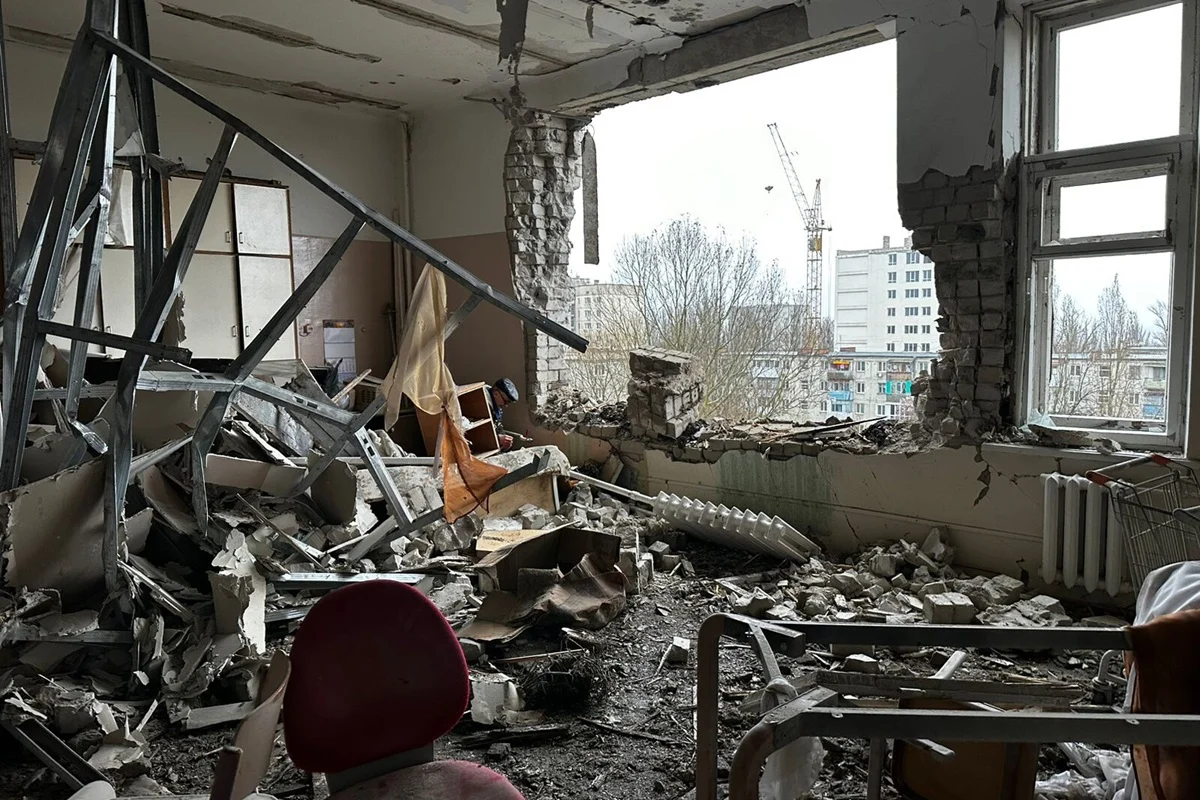
As the full-scale invasion of Ukraine enters its fifth year, the nation’s healthcare system is facing its most critical juncture to date, characterized by a significant escalation in targeted strikes and a burgeoning public health crisis. Data released by the World Health Organization (WHO) reveals that 2025 marked the most violent year for healthcare providers and patients since the start of the conflict on February 24, 2022. Attacks on medical facilities, personnel, and transport increased by nearly 20% in 2025 compared to the previous year, signaling a harrowing trend of disregard for international humanitarian law. Since the inception of the war, the WHO has documented at least 2,881 verified attacks on healthcare, creating a landscape where seeking medical treatment has become a life-threatening endeavor for millions of civilians.
The humanitarian situation has been further exacerbated by the harshest winter on record. Throughout late 2025 and into early 2026, systematic strikes on civilian infrastructure, particularly thermal power plants and the national energy grid, have left the country’s medical facilities struggling to maintain basic operations. The synergy between direct kinetic attacks on hospitals and the indirect collapse of utility services has created a "cascading effect" that undermines every level of the medical response. According to a comprehensive WHO assessment conducted in December 2025, the disparity in health outcomes between regions is widening; 59% of residents in frontline areas now report their health status as "poor" or "very poor," compared to 47% in non-frontline territories.
A Chronology of Systematic Destruction
The trajectory of the conflict’s impact on healthcare has evolved from collateral damage in 2022 to what appears to be a more systematic degradation of the system’s logistical backbone. In the initial months of the 2022 invasion, attacks were primarily concentrated in the north and east as frontlines shifted rapidly. However, by 2024 and 2025, the nature of the interference changed. The WHO reports that attacks on medical warehouses—critical nodes for the distribution of life-saving medicines—tripled in 2025. This strategic targeting of the supply chain has disrupted the delivery of insulin, vaccines, and surgical supplies across the nation.
The third quarter of 2025 represented the deadliest period for healthcare workers and patients in the last four years. During this three-month window, 184 documented attacks resulted in 12 fatalities and 110 injuries among health staff and patients. Over the cumulative four-year period, the death toll within the healthcare sector has reached 233, with 930 individuals suffering significant injuries. These figures do not merely represent statistics but reflect the loss of specialized surgeons, nurses, and paramedics whose expertise is irreplaceable during a national emergency.
The Intersection of Energy Scarcity and Medical Care
The winter of 2025–2026 has introduced a new layer of complexity to the crisis. While the 2022 and 2023 winters were characterized by resilience and rapid repairs, the cumulative damage to Ukraine’s combined heat and power plants has reached a breaking point. In January 2026, a massive coordinated strike on Kyiv’s energy infrastructure left nearly 6,000 buildings without heating in subzero temperatures. This single event prompted an estimated 600,000 residents to flee the capital, many of whom were elderly or suffered from chronic conditions that required stable, climate-controlled environments.
Dr. Jarno Habicht, the WHO Representative to Ukraine, has described a "devastating cycle" where the destruction of heating stations leads to the freezing and bursting of water pipes in medical facilities. When temperatures drop to -20°C, the physical integrity of hospital buildings is compromised, flooding wards with ice and making sterilization impossible. The mental and physical burnout of health workers is now a primary concern for international observers. Doctors and nurses are often forced to perform complex surgeries using flashlights and backup generators while knowing their own families are at home without heat or water.
The post-hospitalization phase of care has also been severely impacted. Patients recovering from major surgeries, such as cancer resections or heart procedures, are frequently discharged into unheated homes. This environment significantly increases the risk of post-operative complications, respiratory infections, and slow wound healing, effectively neutralizing the medical progress achieved within the hospital walls.
The Surge in Non-Communicable Diseases and Mental Health Trauma
While the physical wounds of war are visible, a "silent" health crisis is unfolding across the Ukrainian population. The WHO Regional Director for Europe, Dr. Hans Henri P. Kluge, has highlighted a staggering rise in mental health disorders and cardiovascular diseases. Survey data indicates that 72% of Ukrainians experienced significant anxiety or depression in 2025, a figure that has climbed steadily since the invasion began. Despite the high prevalence of these conditions, only one in five individuals has sought professional help, often due to the stigma surrounding mental health or the simple unavailability of services in war-torn regions.
Cardiovascular health has seen a similar decline. Chronic stress, lack of sleep, and poor nutrition have contributed to a surge in hypertension, with one in four Ukrainians now living with dangerously high blood pressure. This creates a long-term public health burden that will persist for decades after the cessation of hostilities. Furthermore, the accessibility of essential medicines remains a primary hurdle. Approximately 80% of the population reports difficulty in obtaining necessary medications. While supply chain disruptions play a role, financial constraints are the leading barrier; 71% of those unable to access medicine cite high prices as the primary reason.
Gaps in Rehabilitation and Specialized Services
The demand for rehabilitation services has reached unprecedented levels due to the high volume of blast injuries and amputations. However, the infrastructure to meet this need is critically underserved. WHO data shows that only 4% of hospitals in Ukraine are currently equipped to provide inpatient rehabilitation services. Even more concerning is the lack of assistive technology; only 3% of medical facilities can provide prosthetics, orthotics, or corrective devices.
This gap has created a backlog of patients—many of them young soldiers and civilians—who are waiting months for prosthetic limbs. Without timely rehabilitation, these individuals face permanent disability and exclusion from the workforce, which will have profound implications for Ukraine’s post-war economic recovery. The rise in war-related trauma has also necessitated a rapid scale-up in infection prevention and control, particularly as medical professionals battle a rise in antimicrobial resistance (AMR) driven by the suboptimal conditions in field hospitals and overcrowded wards.
International Response and the Path Forward
In response to the escalating needs, the WHO and its partners have maintained a robust presence on the ground. In 2025, WHO support reached approximately 1.9 million people through direct service delivery, medical supplies, and emergency referrals. A key pillar of this support has been the provision of 284 high-capacity generators to health facilities across 23 oblasts, ensuring that critical departments such as intensive care units and operating theaters remain functional during power outages.
Looking ahead to the remainder of 2026, the WHO has launched a formal appeal for US$ 42 million in additional funding. This capital is intended to sustain essential services and protect access to care for at least 700,000 of the most vulnerable citizens. The organization’s strategy involves a shift toward more sustainable, decentralized health solutions that can withstand the continued volatility of the conflict.
Dr. Tedros Adhanom Ghebreyesus, WHO Director-General, emphasized that while international aid is vital, the underlying cause of the medical catastrophe must be addressed. "Ultimately, the best medicine is peace," Dr. Tedros stated, reflecting the sentiment that no amount of medical supplies can fully compensate for the ongoing destruction of a national health system.
Analysis of Long-Term Implications
The sustained targeting of Ukraine’s healthcare infrastructure suggests a long-term demographic crisis. The combination of high mortality, mass displacement, and a broken medical system is likely to result in a significant drop in life expectancy and a rise in chronic disability. The "brain drain" of medical professionals—many of whom have sought refuge in Western Europe—threatens to leave the country with a generational shortage of doctors and specialists.
Furthermore, the environmental and infrastructural damage to hospitals means that reconstruction will require billions of dollars in investment. The transition from emergency response to a sustainable recovery model will be one of the greatest challenges of the 21st century for the global health community. As the war enters its fifth year, the international community faces the dual task of providing immediate life-saving aid while planning for the massive structural overhaul required to restore the health and dignity of the Ukrainian people. The resilience of the Ukrainian health worker remains the system’s greatest asset, but without an end to the targeted strikes on facilities and the energy grid, the system remains in a state of perpetual emergency.
