

Managing Polycystic Ovary Syndrome (PCOS) presents unique physiological challenges, particularly for individuals navigating the intricate phases of preconception, pregnancy, and postpartum health. As one of the most common endocrine disorders affecting reproductive-aged individuals, PCOS is frequently characterized by hormonal imbalances, insulin resistance, and chronic low-grade inflammation. These underlying metabolic factors can complicate ovulation, diminish egg quality, and elevate the risk of pregnancy-related complications such as gestational diabetes and preeclampsia. Consequently, selecting an optimized prenatal vitamin regimen tailored to these specific metabolic demands is a critical component of prenatal care. Medical literature underscores that targeted nutritional supplementation can bridge dietary gaps, support early embryonic development, and help mitigate certain PCOS-specific metabolic risks.
The Physiological Importance of Prenatal Supplementation
For any individual planning a pregnancy or currently expecting, establishing a robust nutritional foundation is paramount. Prenatal vitamins are scientifically formulated to bridge the gap between standard dietary intake and the heightened physiological demands of gestation. Standard diets often fall short of providing the optimal concentrations of micronutrients required to support both maternal health and rapid fetal development.

Clinical data consistently demonstrates that initiating prenatal supplementation prior to conception significantly reduces the incidence of common maternal discomforts, such as nausea and gestational anemia, while actively protecting against severe fetal anomalies. Unlike standard multivitamins, quality prenatals deliver precise, elevated dosages of targeted compounds designed to support placental function, maternal blood volume expansion, and early tissue differentiation.
Optimal Timeline for Initiating Prenatal Care
The medical consensus strongly advises initiating prenatal supplementation as soon as an individual begins actively trying to conceive, or ideally three months prior to conception. This preconception window allows maternal nutrient stores—particularly folate, iron, and vitamin D—to reach optimal physiological thresholds before fertilization occurs.
The earliest weeks of gestation represent a critical window of vulnerability and rapid development. For instance, the neural tube, which eventually forms the baby’s brain and spinal cord, closes within the first 28 days of pregnancy—often before an individual is even aware they have conceived. Introducing targeted supplementation during the preconception phase ensures that these vital building blocks are immediately available during this crucial embryonic stage, thereby substantially reducing the risk of neural tube defects and congenital malformations. Even for those who conceive unexpectedly without a pre-existing supplement routine, healthcare providers universally recommend commencing prenatal vitamins immediately upon confirmation of pregnancy to support ongoing fetal growth.

Core Nutritional Requirements Outlined by Clinical Guidelines
According to the American Pregnancy Association and leading obstetric guidelines, an effective prenatal supplement must contain several core nutrients, each serving a distinct physiological function during gestation.
Folate and Folic Acid
Folate, a vital B vitamin (B9), is indispensable during early pregnancy for the proper formation and closure of the neural tube. Clinical studies confirm that adequate folate intake drastically lowers the incidence of severe neural tube defects, such as spina bifida, as well as congenital heart defects and oral clefts. The recommended daily allowance for pregnant individuals is 400 micrograms (mcg). While folate is naturally present in leafy green vegetables, legumes, and fortified grains, achieving the therapeutic threshold through diet alone is frequently challenging, making pharmaceutical-grade supplementation standard medical practice. Furthermore, individuals with PCOS often benefit from methylated forms of folate (such as L-methylfolate), which bypass potential genetic variations in folate metabolism.
Iron
Iron is essential for synthesizing hemoglobin, the protein in red blood cells responsible for transporting oxygen throughout the maternal body and to the developing fetus. During pregnancy, maternal blood volume increases by nearly 50%, significantly elevating iron requirements to prevent gestational anemia—a condition linked to low birth weight and preterm delivery. Clinical guidelines recommend 27 milligrams (mg) of elemental iron daily. Because dietary iron absorption can be variable and gastrointestinal side effects are common, selecting a well-tolerated iron formulation within a prenatal regimen is vital.

Calcium
Calcium is continually mobilized during pregnancy to support the structural development of the fetal skeletal system, teeth, and cardiovascular muscles. If maternal dietary intake is insufficient, the developing fetus will draw necessary calcium directly from the mother’s bone matrix, potentially compromising long-term maternal bone density. The recommended daily intake stands at 1,000 mg. While dairy products, fortified plant milks, and dark leafy greens provide dietary calcium, many prenatal formulations include supplemental calcium to ensure both maternal and fetal skeletal integrity are preserved.
Vitamin D
Vitamin D functions as a secosteroid hormone that regulates calcium absorption, immune function, and cellular growth. Beyond its foundational role in skeletal health and the prevention of spina bifida, vitamin D is exceptionally critical for individuals managing PCOS. Clinical research indicates that approximately 80% of women diagnosed with PCOS exhibit a clinical deficiency in vitamin D. This deficiency is closely correlated with exacerbated insulin resistance, elevated androgen levels, and compromised fertility. Clinical guidelines recommend a daily intake of 4,000 international units (IU) for deficient populations, highlighting the necessity of verifying that a chosen prenatal vitamin contains an adequate therapeutic dose of vitamin D3.
Omega-3 Fatty Acids (DHA and EPA)
Omega-3 fatty acids, specifically docosahexaenoic acid (DHA) and eicosapentaenoic acid (EPA), are crucial for optimal neurodevelopment, cognitive function, and visual acuity in the fetus. Furthermore, omega-3s possess potent anti-inflammatory properties. Because chronic low-grade inflammation is a hallmark of PCOS that exacerbates insulin resistance and hyperandrogenism, incorporating omega-3 fatty acids into a daily regimen helps modulate inflammatory pathways, improve metabolic parameters, and support endocrine balance. The recommended daily dosage typically includes at least 300 mg of DHA, ideally sourced from high-purity, molecularly distilled marine oils to ensure optimal bioavailability and eliminate heavy metal contaminants.
Evaluating Top Prenatal Vitamin Options for PCOS Management

Because standard prenatal formulations may not adequately address the unique metabolic and endocrinological profile of PCOS, healthcare providers frequently recommend specialized supplements. Several formulations have gained clinical recognition for meeting these rigorous criteria:
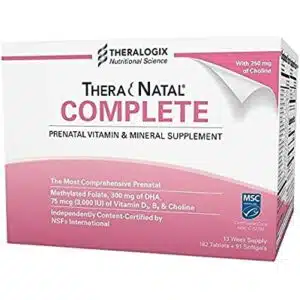
TheraNatal Complete Prenatal Vitamins
Manufactured by Theralogix—a company widely recognized in reproductive endocrinology for producing independent, third-party-tested, gluten-free, and dye-free formulations—TheraNatal Complete is specifically engineered to meet comprehensive nutritional needs. It delivers high-potency micronutrients, including methylated folate, choline, vitamin B6, DHA, and an elevated dosage of vitamin D3 tailored to address the high prevalence of vitamin D deficiency among individuals with PCOS.
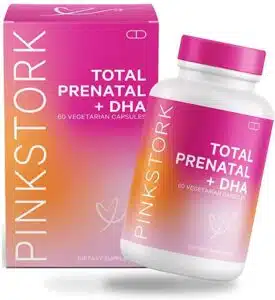
Pink Stork Total Prenatal Vitamin with DHA and Folic Acid
Pink Stork Total Prenatal offers a comprehensive profile featuring elevated concentrations of vitamin D and marine-derived omega-3 fatty acids. In addition to core prenatal nutrients, this formulation incorporates a robust spectrum of B-complex vitamins, vitamin C, vitamin E, zinc, selenium, copper, manganese, and chromium. Chromium, in particular, has been studied for its supportive role in glucose metabolism and insulin sensitivity, making this a well-rounded option for metabolic support.
Nature Made Prenatal with Folic Acid + DHA
For individuals seeking an accessible, clinically sound, and economically viable option, Nature Made Prenatal provides a balanced concentration of essential vitamins and minerals, including folic acid, iron, calcium, and DHA. It meets baseline obstetric standards while remaining widely available for consistent, long-term use.
Preconception vs. Prenatal Vitamins in the Context of PCOS
Understanding the distinction between preconception and prenatal formulations is vital for optimizing clinical outcomes in PCOS. Preconception vitamins are specifically formulated to prepare the reproductive system for pregnancy, frequently targeting oocyte (egg quality) and hormonal regulation.
Hormonal imbalances inherent to PCOS often compromise egg quality, which can adversely impact fertilization rates and early embryonic viability. Consequently, specialized preconception protocols frequently incorporate targeted antioxidants such as Coenzyme Q10 (CoQ10) alongside insulin-sensitizing agents like myo-inositol.
For example, combining TheraNatal OvaVite Preconception Vitamins—which integrate standard prenatal micronutrients with CoQ10 to support mitochondrial function and oocyte quality—with a pharmaceutical-grade myo-inositol supplement such as Ovasitol represents an evidence-based approach. Clinical trials demonstrate that myo-inositol significantly improves insulin sensitivity, restores ovulatory function, and normalizes circulating androgen levels in women with PCOS, thereby enhancing overall reproductive efficiency prior to conception.
Addressing Complications: Gestational Diabetes and Risk Mitigation
A primary clinical concern for pregnant individuals with PCOS is the elevated baseline risk of developing gestational diabetes mellitus (GDM) and hypertensive disorders such as preeclampsia. While comprehensive prenatal vitamins provide essential micronutrients, relying exclusively on a prenatal supplement is insufficient to prevent complex metabolic conditions like GDM.
Managing gestational risk requires a coordinated multidisciplinary approach, including structured glucose monitoring, dietary modifications focused on glycemic control, regular physical activity, and targeted metabolic interventions such as inositol supplementation under medical supervision. Obstetric care providers must maintain rigorous surveillance throughout gestation, systematically tracking maternal blood pressure, glucose tolerance, and fetal growth parameters to proactively identify and manage potential complications.
Conclusion and Clinical Recommendations

Selecting the appropriate prenatal vitamin when managing PCOS requires careful evaluation of individual metabolic needs, nutritional deficiencies, and reproductive milestones. By prioritizing formulations that feature enhanced levels of methylated folate, vitamin D3, omega-3 fatty acids, and essential minerals, patients can significantly support both maternal health and optimal fetal development. Because every clinical presentation of PCOS is unique, individuals are strongly advised to consult with a reproductive endocrinologist, obstetrician, or registered dietitian to tailor a supplementation and lifestyle plan that ensures the safest and healthiest pregnancy possible.
