
Being tall is often characterized as a social and professional asset. Empirical research consistently suggests that taller men command higher average salaries, report increased levels of life satisfaction, and are statistically more likely to reach executive-level management roles. However, these societal advantages are frequently offset by significant logistical challenges in the retail sector. For men exceeding the standard six-foot-two threshold, the modern ready-to-wear clothing market often presents a series of structural failures, ranging from inadequate sleeve lengths to pants that fail to account for longer inseams.
The global menswear industry has historically optimized its manufacturing processes for the "average" frame, which typically falls between five-foot-nine and six-foot-one. As a result, individuals who fall into the "tall" category—often defined in the garment industry as those over six-foot-three—are frequently relegated to specialized "Big & Tall" retail segments. Historically, this categorization has been problematic, as these lines often conflate height with weight, resulting in garments characterized by excessive volume, poor draping, and disproportionate hem lengths that fail to accommodate a slender, elongated physique.
The Evolution of the Tall Menswear Market
The shift toward more inclusive sizing began in earnest during the early 2020s, driven by direct-to-consumer (DTC) brands that utilized data-driven manufacturing. According to retail market analysts, the demand for "precision sizing" has grown by an estimated 14% annually since 2021. This trend is not merely about length; it is about the geometry of the garment. For a tall, slender man, simply increasing the length of a standard medium-sized shirt results in a "tent" effect, where the fabric is too wide for the wearer’s frame.

The contemporary landscape has moved toward a model of "engineered fit." This approach involves adjusting the shoulder width, armhole depth, and torso taper independently of the sleeve length. By decoupling these variables, brands can now cater to the lanky, athletic, and broad-shouldered silhouettes that were previously ignored by mass-market retailers.
Fundamental Principles of Styling for Height
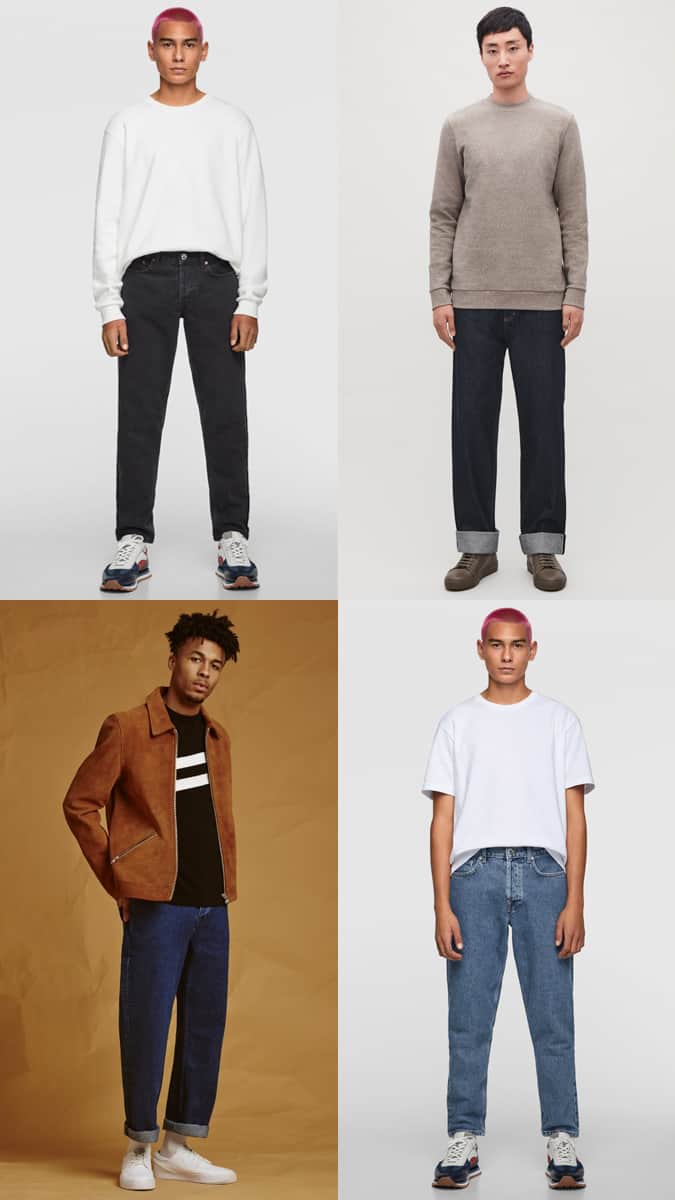
For those seeking to optimize their aesthetic, stylists often emphasize the principle of "visual interruption." When a tall, slim man wears monochromatic ensembles, he risks emphasizing his vertical axis, which can create a lanky appearance. Conversely, breaking up the silhouette is the most effective method for creating a more balanced, proportional look.
The Role of Contrast and Texture
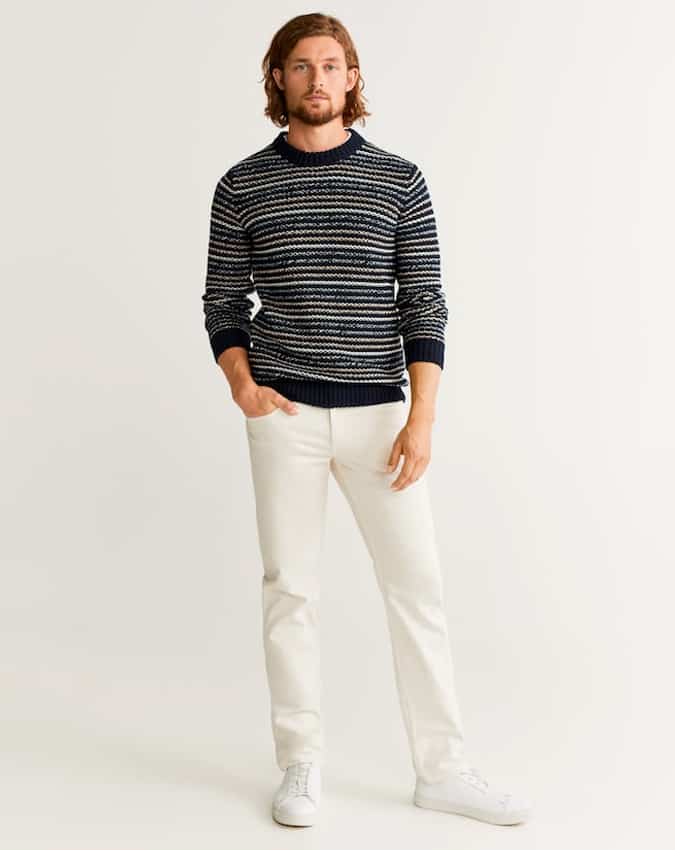
The strategic use of color blocking and layered textures serves to disrupt the eye’s vertical travel. Incorporating horizontal patterns—such as Breton stripes, herringbone weaves, or windowpane checks—adds necessary width to the chest and torso. Fabric weight also plays a critical role; opting for chunky knits, heavier wools, or multi-layered ensembles provides a sense of bulk that prevents a tall, thin frame from appearing frail.
The Importance of Precision Tailoring
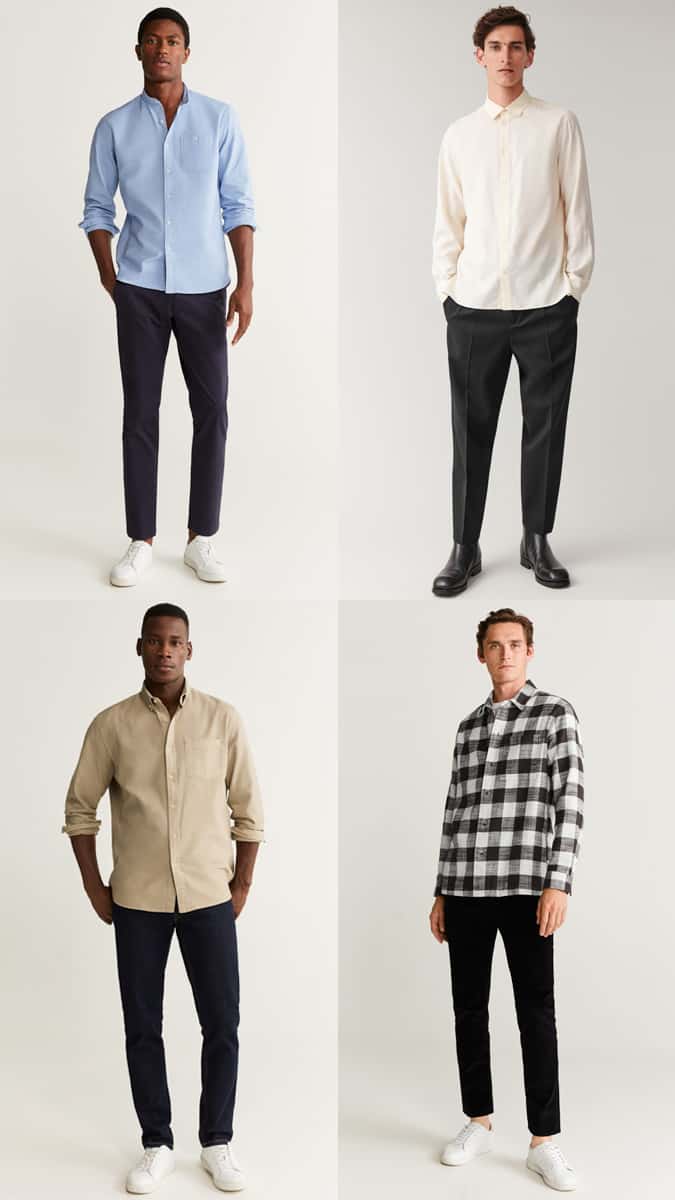
Perhaps the most significant factor in maintaining a sharp appearance is the mastery of fit. In the professional sector, the sight of a bare ankle or a wrist bone exposed by a short sleeve is an immediate indicator of a poorly curated wardrobe. Because off-the-rack sizing is rarely perfect, the relationship between the consumer and a local tailor has become an essential component of the modern man’s style strategy. A professional tailor can adjust the "break" of a trouser or the taper of a shirt, ensuring that the proportions align with the wearer’s specific measurements rather than a standardized manufacturing template.
Essential Garments for the Tall Physique
The modern tall man’s wardrobe should be built upon structural foundations that enhance the natural frame. Expert consensus points toward several key garments that consistently perform well on elongated figures:
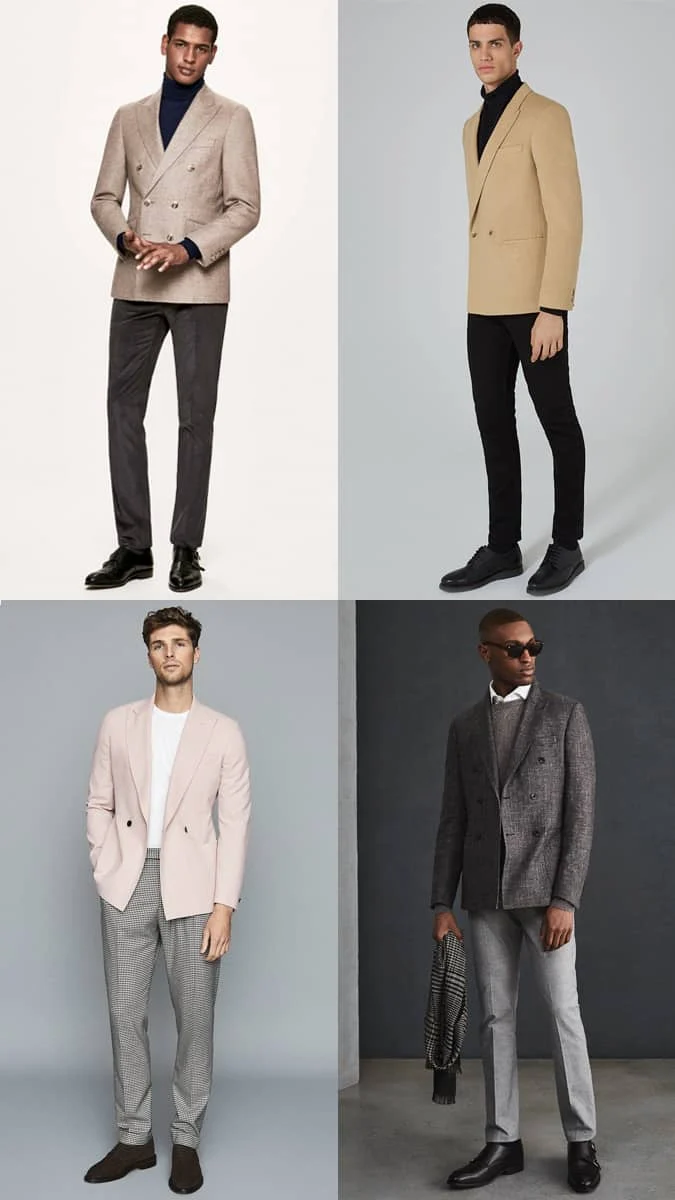
The Double-Breasted Silhouette
Double-breasted jackets are highly effective for tall men because the overlapping fabric across the torso creates a natural sense of width. Unlike single-breasted options, which can emphasize a narrow chest, the double-breasted cut provides a formal, grounded appearance. When paired with mismatched trousers, this garment creates a clear distinction between the upper and lower body, further breaking up the vertical line.

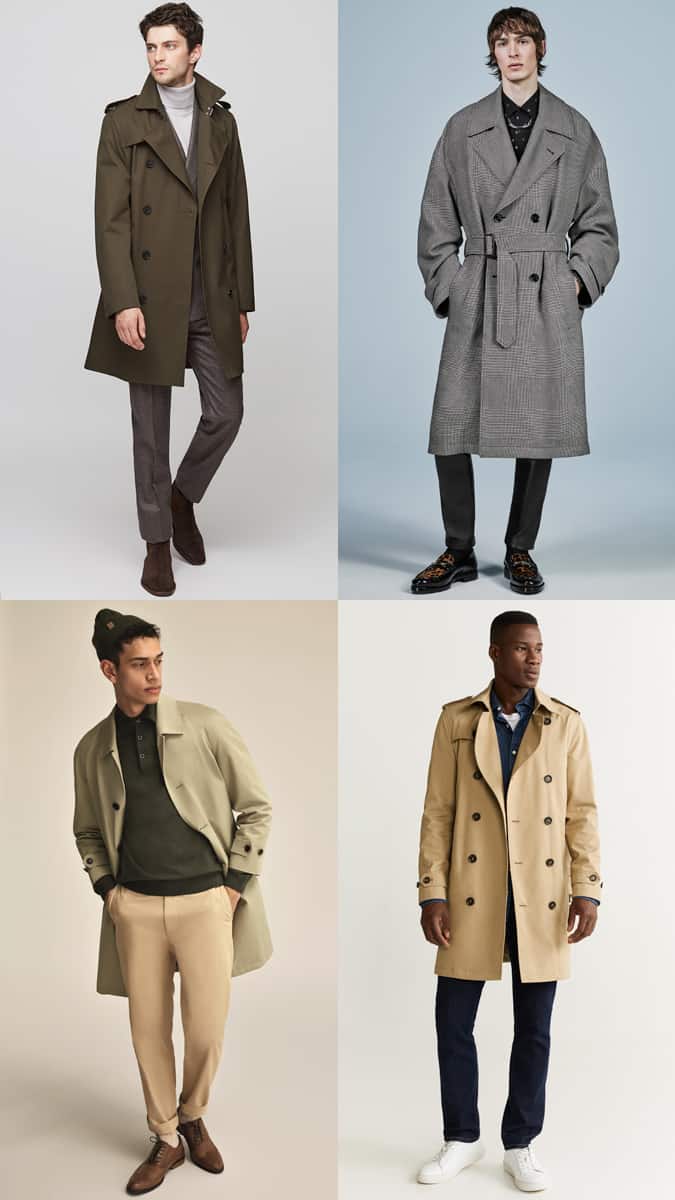
The Extended-Length Trench Coat
For outerwear, length is a strategic advantage. While shorter men are advised to avoid long coats to prevent being "swallowed" by the fabric, tall men benefit from hem lines that fall at or below the knee. A high-quality, belted trench coat not only protects the wearer from the elements but also creates a "V-taper" by narrowing the waist and emphasizing the breadth of the shoulders.
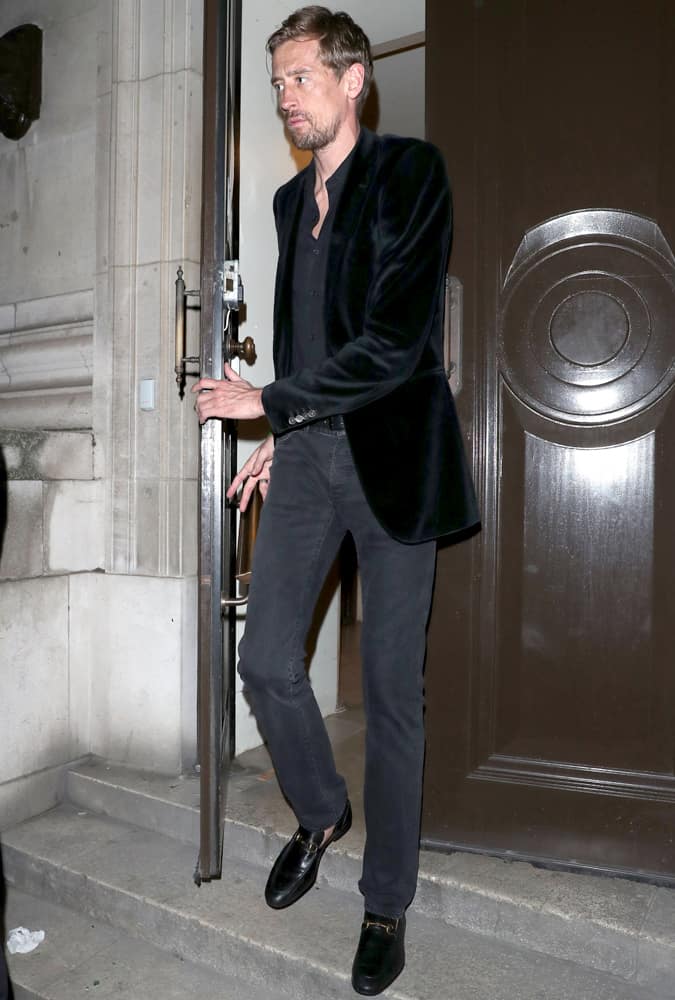
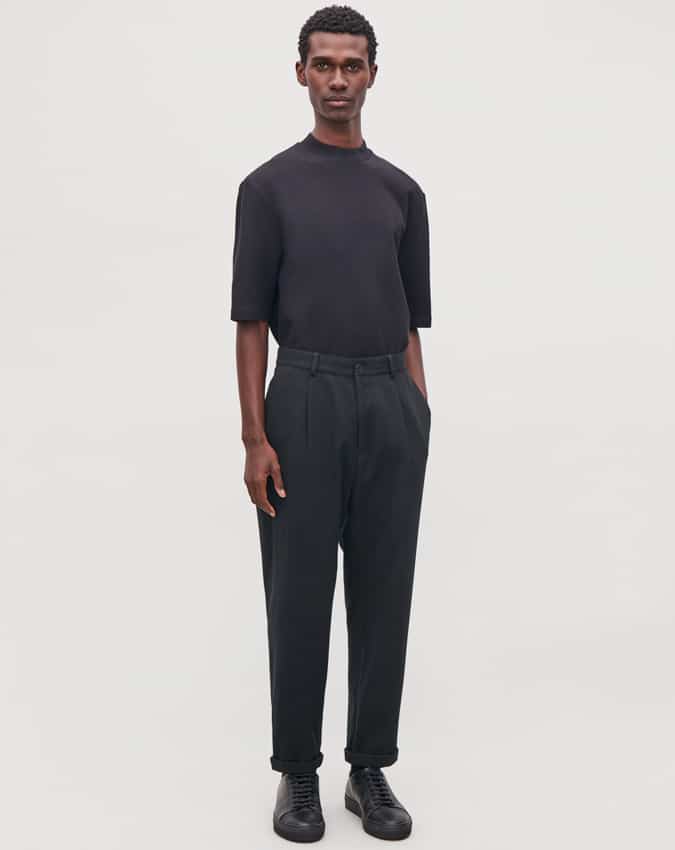
Wide-Leg Trousers
The transition away from skinny-fit denim and slim-cut chinos represents a significant stylistic evolution. For men with long legs, wide-leg or straight-leg trousers provide a necessary weight to the lower half of the body. This balances the overall silhouette and avoids the "flamingo effect," where the legs appear overly thin in comparison to the upper torso.
Tactical and Utility Outerwear
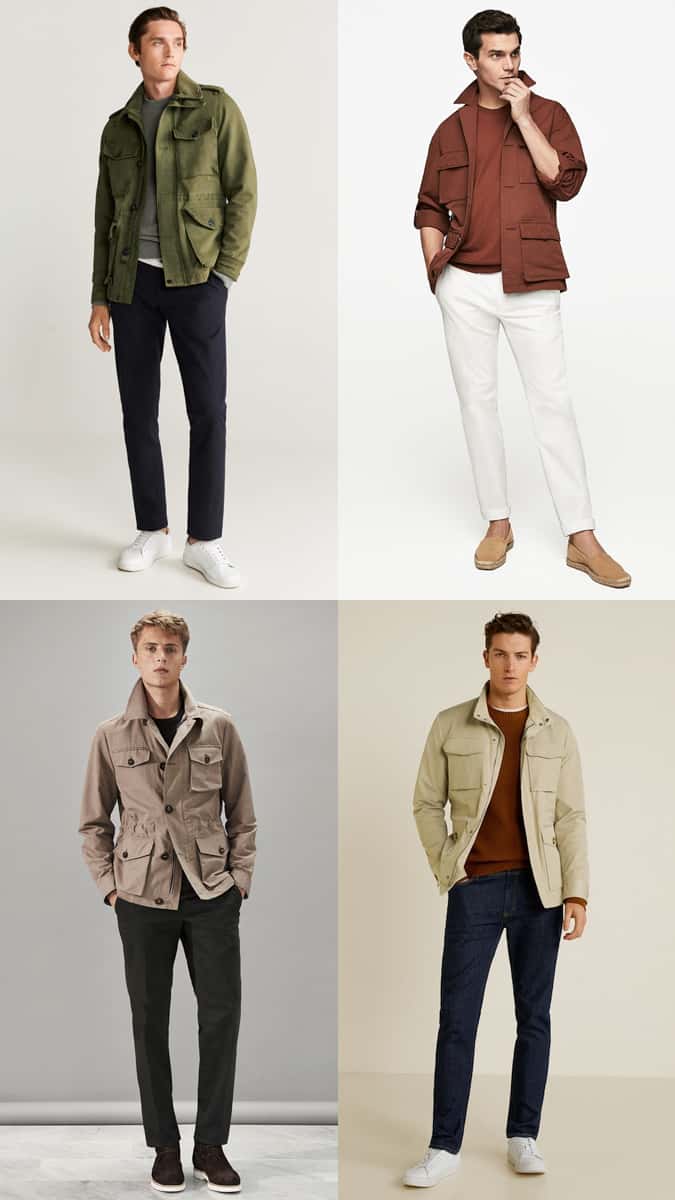
The recent resurgence of utility-inspired fashion—featuring cargo pockets, epaulettes, and reinforced patches—is particularly well-suited for tall men. These design elements serve a dual purpose: they function as practical storage while simultaneously breaking up large, solid panels of fabric, thereby reducing the perception of height through visual complexity.

Influence of High-Profile Figures
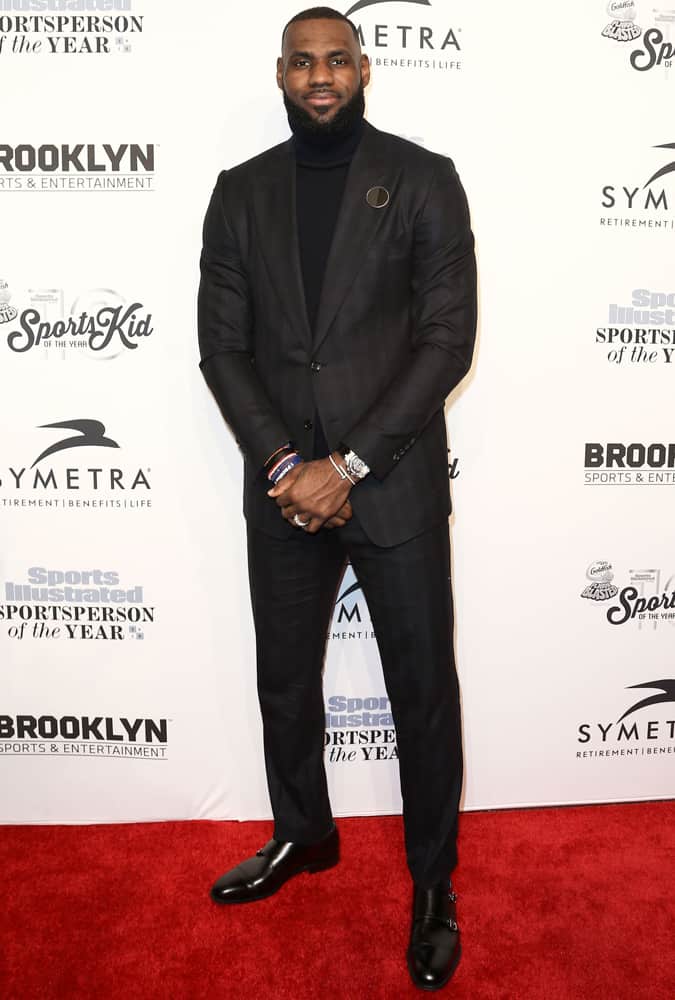
The perception of "tall fashion" has been heavily influenced by athletes and actors who have embraced their stature rather than attempting to minimize it. Figures such as LeBron James have set a precedent in the NBA, demonstrating that high-end tailoring can be successfully modified to accommodate extreme heights. By incorporating accessories like vests, hoodies under blazers, and structured leather jackets, these individuals show how to mix streetwear with classic sartorial elements to create a modern, balanced look.

Similarly, the public profile of individuals like Peter Crouch and Armie Hammer has highlighted the utility of classic pieces like the roll-neck sweater and the double-breasted overcoat. By favoring volume in their outerwear, they demonstrate how to achieve a commanding, rather than merely tall, presence.

Industry Leaders and Retail Solutions
As the market has matured, several brands have emerged as leaders in the tall-men segment, moving beyond the outdated "Big & Tall" moniker.

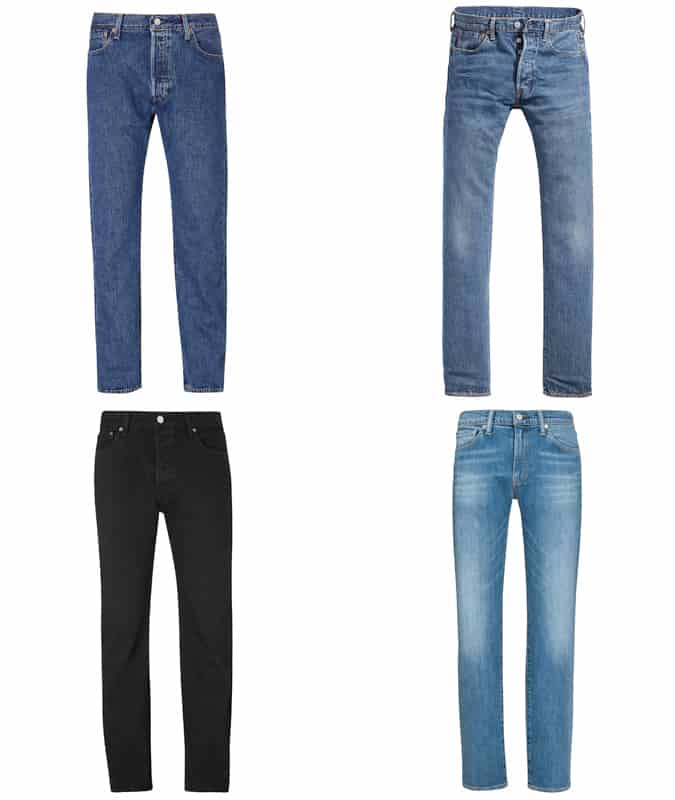
- Levi’s: The company has updated its classic 501 and 505 lines to include inseams up to 38 and 40 inches, acknowledging that long-legged consumers require the same quality of denim as everyone else.
- Allen Edmonds: Recognized for its heritage in footwear, the brand offers a vast range of sizes—up to 16—and multiple width options, ensuring that those with larger feet do not have to sacrifice style for comfort.
- Sene Studio: Utilizing a tech-forward "SmartFit" approach, this company allows users to input specific body measurements to create custom-tailored apparel. This model effectively eliminates the sizing issues inherent in mass production.
- T by Ted Baker: This collaboration, which includes input from high-level athletes, focuses on integrating patterns and textures into pieces specifically cut for men over six-foot-three.
- Spoke: Originally a niche chino brand, Spoke has expanded its sizing matrix to offer hundreds of combinations, allowing the consumer to find the perfect ratio between waist size and leg length.
- American Tall: As a specialized retailer, this brand has gained global traction by engineering its entire product line—from blazers to swimwear—around the proportions of tall individuals, rather than simply scaling up standard patterns.
Economic and Social Implications
The implications of this shift in the fashion industry are significant. As brands move toward more inclusive and precise sizing, the psychological burden on tall men—who previously felt forced to settle for ill-fitting clothing—is reduced. Furthermore, the economic impact is measurable; by capturing a market segment that was previously underserved, these companies are seeing higher customer loyalty and lower return rates, as the "fit accuracy" is significantly higher than that of traditional retailers.

Looking toward the remainder of the decade, the trend of "personalization at scale" is expected to continue. With the integration of AI-driven measurement tools and on-demand manufacturing, the days of the tall man being relegated to the back of the department store are likely numbered. The focus has moved toward a more sophisticated understanding of body morphology, where height is treated as a feature to be highlighted through proper proportion and high-quality construction, rather than a physical attribute to be concealed or ignored.

In conclusion, the challenge of dressing as a tall man is primarily a matter of overcoming the limitations of traditional, non-inclusive retail models. By prioritizing structural integrity, embracing horizontal visual cues, and utilizing modern, specialized brands, the tall man can effectively curate a wardrobe that is both functional and aesthetically authoritative. The goal is no longer to blend in, but to leverage one’s stature through clothing that is constructed to fit the body, rather than forcing the body to fit the clothing.
