
For a significant portion of the global female population, the arrival of menstruation is regarded as a routine inconvenience, typically managed with over-the-counter analgesics, heat applications, and relative rest. However, for the estimated one in ten women affected by Polycystic Ovary Syndrome (PCOS), the reality of "that time of the month" is clinically distinct, far more severe, and demands a specialized, multifaceted medical approach. Characterized by hormonal imbalances—specifically excess androgens—alongside enlarged, fluid-filled ovaries, PCOS fundamentally alters the menstrual experience. Sufferers frequently endure unpredictable, highly painful cycles that can lead to acute incapacitation, interrupting occupational duties, social engagements, and basic daily routines. Traditional remedies often fall short against the intensity of PCOS-related dysmenorrhea, prompting patients and clinicians alike to seek advanced, evidence-based management protocols that combine pharmacological interventions, targeted lifestyle modifications, and dietary adjustments to mitigate inflammation and severe pelvic pain.
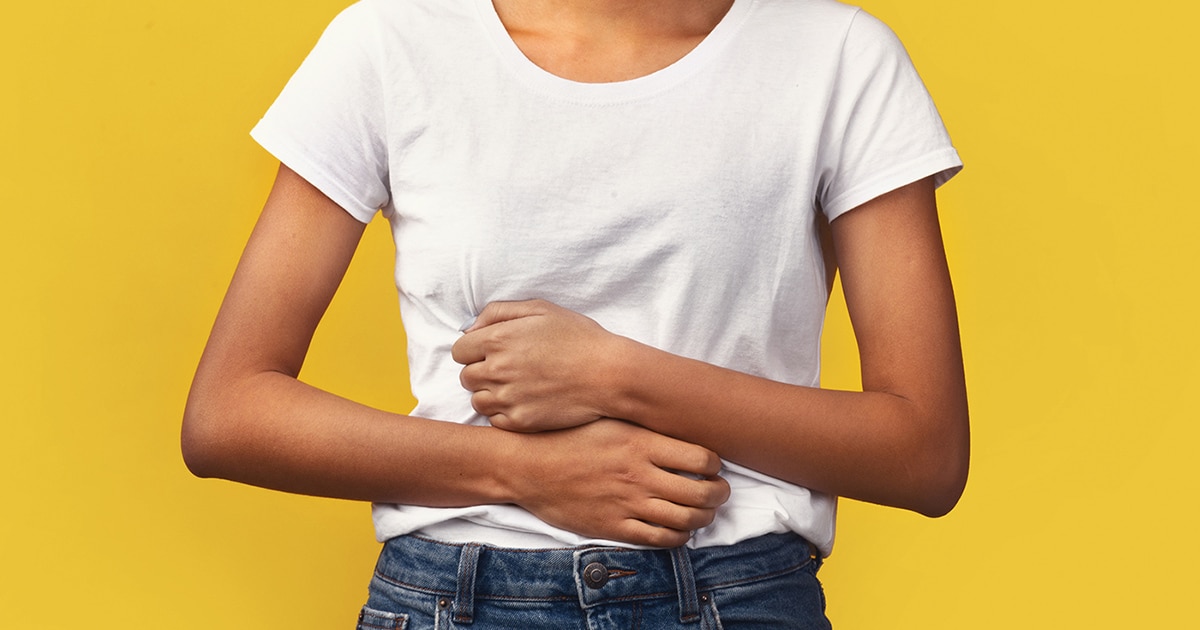
To understand why individuals with PCOS experience heightened levels of discomfort during menstruation, it is necessary to examine the physiological mechanisms governing uterine contractions. The dull, throbbing sensations localized in the lower abdomen and surrounding regions are triggered by the uterus contracting to expel its endometrial lining. This natural process is mediated by prostaglandins, which are lipid-derived compounds that regulate female reproductive functions. While standard menstruation involves a degree of baseline discomfort, severe pain—medically categorized as dysmenorrhea—occurs when prostaglandin levels are abnormally elevated. Dysmenorrhea is broadly classified into two categories: primary dysmenorrhea, which involves common menstrual cramps without an underlying pelvic pathology, and secondary dysmenorrhea, which is directly linked to specific reproductive disorders such as endometriosis or PCOS. In the context of PCOS, secondary dysmenorrhea is frequently compounded by irregular shedding of the uterine lining, resulting in heavier bleeding, the passing of significant blood clots, and an increased vulnerability to secondary systemic conditions such as iron-deficiency anemia. Furthermore, patients frequently report systemic manifestations including gastrointestinal distress, emesis, vertigo, and profound fatigue, collectively demonstrating how deeply this endocrine disorder compromises overall health-related quality of life.
Historically, women’s health concerns—particularly those intersecting endocrinology and gynecology—have suffered from historical underfunding and a lack of granular clinical research. However, contemporary advancements in anatomical and endocrinological science have fostered a deeper comprehension of the complex variables driving PCOS. This evolving medical consensus has paved the way for a diversified framework of accepted clinical therapies and holistic interventions designed to alleviate the chronic symptoms associated with the condition. By adopting a comprehensive, proactive strategy, patients can substantially reduce the severity of cramps and reclaim agency over their daily lives, moving beyond the passive acceptance of cyclical pain.
Medical literature and clinical endocrinology currently support eight primary methods for managing PCOS-related cramps and period pain, bridging conventional pharmacology, targeted physical activity, and nutritional science.
-
Implementation of Nonsteroidal Anti-Inflammatory Drugs (NSAIDs)
When menstrual cycles become erratic due to PCOS, turning to standard over-the-counter NSAIDs such as ibuprofen or naproxen remains a foundational first-line defense. According to a 2019 study published in Obstetrics & Gynecology Science, NSAIDs not only alleviate localized pain but can also reduce the heavy menstrual bleeding frequently observed in PCOS patients. Pharmacologically, these medications inhibit cyclooxygenase (COX) enzymes—specifically COX-1 and COX-2—which are responsible for synthesizing the prostaglandins that command uterine muscles to contract violently. By lowering local prostaglandin concentrations, the intensity of uterine cramping subsides. For patients whose pain proves refractory to over-the-counter formulations, consulting a primary care physician or gynecologist for prescription-strength alternatives is strongly recommended.
-
Structured Physical Activity and Exercise
While the acute onset of menstrual pain often induces a desire for complete immobility, clinical evidence suggests that engaging in regular physical activity yields substantial therapeutic benefits for women with PCOS. Research highlighted in the Saudi Journal of Sports Medicine indicates that consistent exercise improves menstrual cycle regularity among PCOS patients. Furthermore, because PCOS frequently predisposes individuals to metabolic dysregulation and weight management challenges, physical exertion serves a dual purpose in optimizing body composition and insulin sensitivity. Depending on daily energy levels, patients can tailor their routines: high-intensity aerobic training or strength training may offer superior pain reduction, while moderate-intensity options such as brisk walking, cycling, swimming, aqua aerobics, or low-impact sports provide accessible alternatives for days when discomfort is elevated. -
Hormonal Contraceptives and Prescription Therapies
For many individuals, prescription hormonal contraceptives offer a reliable mechanism to regulate the hypothalamic-pituitary-ovarian axis and manage secondary dysmenorrhea. Oral contraceptive pills typically combine synthetic estrogen and progestin. Estrogen maintains endometrial stability across cycles, while progestin promotes predictable, lighter, and less painful withdrawal bleeding while helping to suppress excessive androgen production, which also mitigates symptoms like hirsutism and hormonal acne. Patients can choose between combination oral contraceptives, progestin-only formulations (mini-pills) for those intolerant to estrogen, or alternative delivery systems such as vaginal rings and transdermal patches. While effective at reducing pain and regulating cycles, patients must weigh these benefits against potential side effects, including transient spotting, breast tenderness, headaches, nausea, and mood fluctuations. -
Application of Heat Therapy
Localized thermotherapy remains one of the most accessible, non-pharmacological interventions for managing acute menstrual cramping. Utilizing electric heating pads, heated gel packs, adhesive heat wraps, warm baths, or traditional hot water bottles helps relax the myometrium (uterine muscle wall), thereby reducing ischemic pain caused by intense muscular constriction. Beyond immediate analgesia, emerging research underscores broader metabolic advantages. A 2019 investigation published in the American Journal of Physiology-Endocrinology and Metabolism demonstrated that regular heat therapy treatments in obese women with PCOS improved adipose tissue insulin signaling and glucose tolerance, highlighting a systemic benefit for metabolic health alongside pain management.
-
Targeted Micronutrient Supplementation and Dietary Adjustments
Nutritional status plays a critical role in modulating the systemic inflammation that exacerbates menstrual pain in PCOS. Clinical guidelines frequently emphasize optimizing intake of Vitamin D, magnesium, Vitamin E, and omega-3 fatty acids. Vitamin D regulates inflammatory pathways and enhances calcium homeostasis, which is vital for proper muscle function. Notably, clinical data indicates that up to 85% of women with PCOS present with a Vitamin D deficiency, making supplementation a vital consideration. Similarly, magnesium, Vitamin E, and omega-3 polyunsaturated fatty acids exhibit potent anti-inflammatory properties. Omega-3s offer the additional benefit of helping to suppress elevated serum testosterone levels. Dietary sources include fatty fish (such as salmon, sardines, and mackerel), nuts, seeds, and leafy greens; however, supplementation is frequently utilized to achieve therapeutic doses when dietary intake alone is insufficient. -
Elimination of Caffeine and Refined Sugars
Dietary stimulants and refined carbohydrates can actively aggravate menstrual discomfort in PCOS patients. Caffeine acts as a vasoconstrictor, tightening blood vessels throughout the body, including the uterine vasculature, which can intensify cramping. Similarly, the consumption of sugary beverages and processed foods triggers rapid glycemic spikes, compounding systemic inflammation and worsening myometrial spasms. Limiting or entirely eliminating caffeine and high-glycemic foods is therefore a recommended component of an anti-inflammatory PCOS dietary protocol. -
Incorporation of Therapeutic Herbal Teas
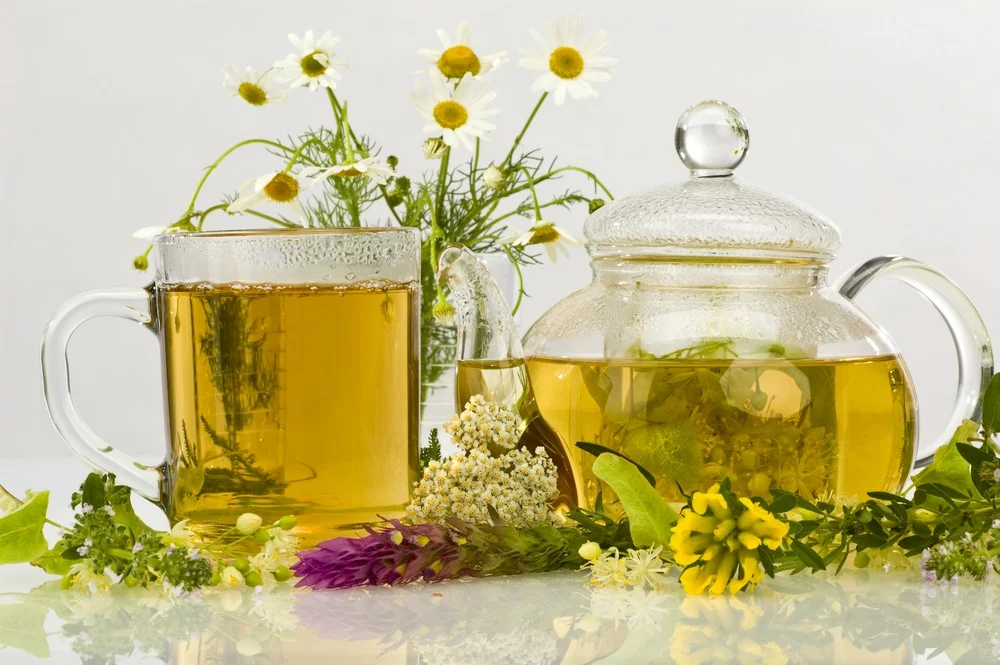
Replacing caffeinated and sugary beverages with specific herbal infusions can offer both psychological and physiological relief during menstruation. Red reishi mushroom tea contains adaptogenic compounds that assist the body in modulating the physiological stress response, which is crucial given that elevated cortisol can exacerbate both hormonal imbalances and pain perception. Additionally, stinging nettle tea (Urtica dioica) acts as a natural anti-inflammatory agent, assisting in the reduction of menstrual cramps while supporting the regulation of blood sugar and androgen levels.
-
Maintenance of Proper Hydration
Adequate fluid intake is essential for mitigating the fluid retention and bloating that frequently accompany the luteal phase and early menstruation in PCOS. Sodium accumulation contributes to abdominal distension, placing additional mechanical pressure on pelvic structures and intensifying cramp perception. Drinking substantial amounts of water—particularly warm water throughout the day—promotes renal clearance of excess sodium, supports microcirculation, and helps soothe smooth muscle tissue to minimize the frequency of painful uterine contractions.
Broader Impact and Clinical Implications
The management of menstrual pain within the context of Polycystic Ovary Syndrome requires a shift from standard, generalized symptom relief to a comprehensive, individualized care model. Because PCOS is a complex endocrine and metabolic disorder, relying solely on short-term analgesics often fails to address the underlying drivers of severe dysmenorrhea, such as chronic low-grade inflammation, insulin resistance, and hyperandrogenism. By integrating evidence-based pharmacological treatments, targeted micronutrient repletion, structured physical activity, and anti-inflammatory dietary strategies, healthcare providers and patients can significantly diminish the physiological burden of menstrual cycles. As clinical awareness and research surrounding women’s health continue to expand, these multidisciplinary approaches offer a clear pathway toward minimizing disruption, reducing reliance on emergency interventions, and profoundly improving the long-term health outcomes and quality of life for millions of women worldwide.
