
Managing Polycystic Ovary Syndrome (PCOS)—a complex endocrine disorder affecting an estimated 8 to 13 percent of reproductive-aged women globally—requires careful attention to daily dietary intake. Beyond the physical manifestations of the syndrome, such as insulin resistance, elevated androgen levels, and chronic low-grade inflammation, individuals frequently experience debilitating afternoon fatigue. Nutritional experts emphasize that the midday meal plays a pivotal role in stabilizing blood glucose levels, sustaining cognitive performance, and regulating hormonal equilibrium throughout the workday. For years, individuals diagnosed with the condition faced restrictive dietary advice that limited culinary variety, often leading to menu fatigue. However, modern nutritional science highlights that a hormone-supportive diet can be both diverse and flavorful. To address the demand for practical, nutrient-dense midday options, culinary researchers and registered dietitians have compiled a comprehensive catalog of twelve specialized lunch recipes designed to optimize energy production and mitigate endocrine disruption.
The Physiological Impact of Midday Nutrition on Endocrine Function
Insulin resistance is a central pathological feature in a significant majority of PCOS cases, regardless of whether a patient presents with obesity. When individuals consume highly processed, carbohydrate-dense lunches, rapid spikes in blood glucose force the pancreas to oversecrete insulin. This hyperinsulinemia subsequently stimulates the ovaries to produce excess testosterone, worsening clinical symptoms such as hirsutism, acne, and irregular menstrual cycles. Furthermore, these glycemic rollercoasters frequently trigger reactive hypoglycemia, resulting in the sharp energy crashes commonly observed during the mid-afternoon hours.
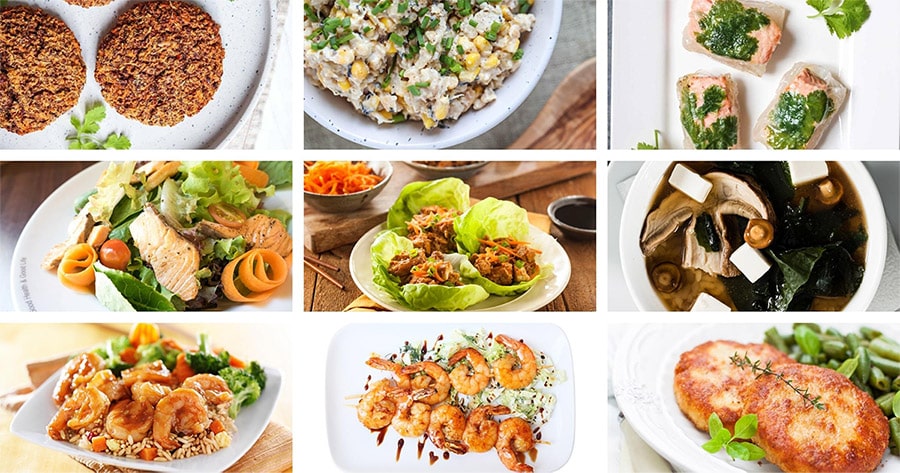
Nutritional interventions focus on combining lean proteins, healthy fats, and high-fiber complex carbohydrates to blunt glycemic responses and promote satiety. Incorporating anti-inflammatory agents and specific micronutrients, such as Omega-3 fatty acids and plant-based probiotics, addresses the underlying inflammatory and hormonal pathways characteristic of the condition. The following curated collection of twelve midday meal strategies bridges the gap between clinical nutritional guidelines and practical, everyday culinary execution.
- Salmon Caesar Salad with Mushrooms, Tomato, and Avocado
Integrating fatty fish into the midday meal provides a substantial dose of Omega-3 polyunsaturated fatty acids, which clinical studies have associated with significant reductions in serum testosterone levels among women with PCOS. Traditional Caesar salads often rely on commercial dressings laden with refined seed oils and preservatives that can promote systemic inflammation. By preparing a homemade emulsion utilizing avocado oil alongside fresh garlic, lemon juice, and Dijon mustard, patients can avoid these pro-inflammatory compounds. The addition of sliced avocados introduces monounsaturated fats that enhance nutrient absorption, while mushrooms and tomatoes supply essential vitamins and antioxidants without elevating the glycemic load.
To execute this recipe, the homemade dressing is blended in a food processor by pulsing the base ingredients before slowly streaming in avocado oil to achieve a smooth consistency. The salmon fillet is seasoned with garlic, salt, pepper, thyme, and fresh lemon slices, wrapped securely in aluminum foil, and cooked over medium-high heat for approximately ten minutes. Once cooled, the flaked salmon is combined with crisp romaine lettuce, sliced avocados, nutrient-dense mushrooms, and tomatoes, then generously coated with the bespoke dressing.
- Pomegranate, Chickpea, and Broccoli Salad
Designed to withstand the rigors of meal preparation and office transport, this plant-forward salad delivers a robust combination of dietary fiber and phytonutrients. Red onions are initially submerged in cold water for ten minutes to temper their sharp sulfur compounds, while cumin is dry-roasted in a skillet to release its aromatic essential oils. A creamy dressing is whisked together using tahini, plain yogurt, fresh lemon juice, olive oil, and measured amounts of salt and pepper. The dressing is then tossed with the drained onions, vibrant pomegranate arils, protein-rich chickpeas, and finely chopped raw broccoli. Allowing the mixture to rest for ten minutes ensures the flavors meld thoroughly before consumption, offering a fiber-rich profile that supports optimal gut motility and metabolic health.

- Avocado and Brown Rice Salmon Sushi with Miso Soup
Transitioning traditional Japanese cuisine into a hormone-balancing context involves replacing refined white sushi rice with mineral-rich brown rice and incorporating clean sources of essential fatty acids. The preparation requires cooking the brown rice and seasoning it with rice wine vinegar, followed by slicing raw, sushi-grade salmon and ripe avocados. Using a bamboo rolling mat covered in plastic wrap, half-sheets of nutrient-dense nori seaweed are layered with the prepared rice, avocado strips, and salmon pieces before being rolled snugly and sliced into uniform segments.
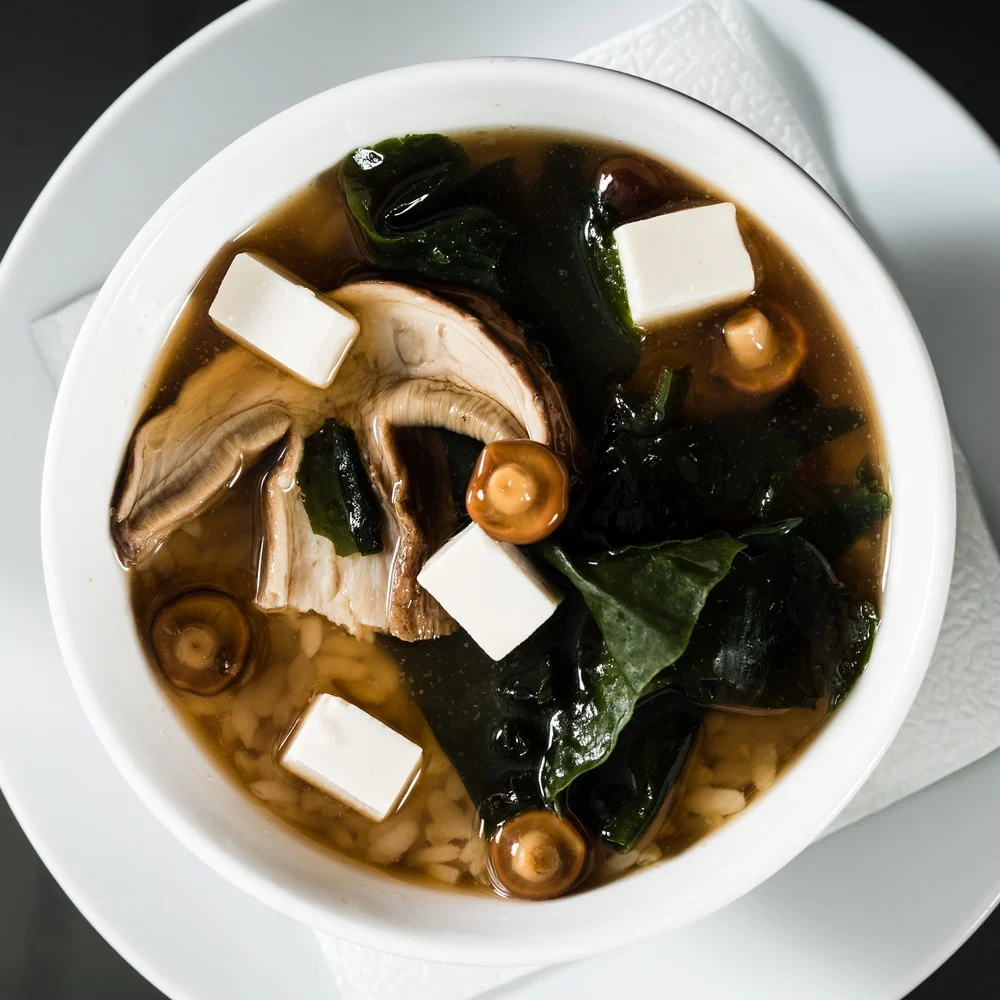
To accompany the sushi, a therapeutic miso soup is constructed by first soaking arame and wakame sea kelp in hot water. A vegetable broth is simmered for ten minutes using ginger root, fennel, sweet potato, celery, leek, parsnips, yellow onions, and carrots. Cod is briefly introduced to the simmering broth before the heat is extinguished, allowing the residual temperature to gently cook the fish and wilt a final addition of vegetable greens. Fermented miso paste is stirred in at the conclusion to preserve its delicate probiotic cultures, supporting gastrointestinal health and immune function.

- Turkey Burger with Side Salad
For individuals craving traditional comfort foods during the spring and summer months, a lean poultry patty offers a satisfying alternative to conventional red meat burgers. Ground turkey is seasoned, bound to a firm consistency, and shaped into six individual patties. Cooking requires monitoring the internal temperature with a meat thermometer until it reaches 165 degrees Fahrenheit to ensure food safety while maintaining moisture. To maintain glycemic control, the burger is served without a standard wheat bun or placed upon a certified gluten-free alternative, accompanied by a complementary green side salad to round out the nutritional profile.
- BLT Gluten-Free Sandwich with Avocado and Tempeh Bacon
Pork-based bacon is frequently high in sodium and saturated fats that may aggravate systemic inflammation in endocrine disorders. This recipe substitutes traditional bacon with tempeh—a fermented soybean product that serves as an exceptional source of plant-based protein and prebiotic fiber. The tempeh is sliced thin, marinated in a savory blend of liquid aminos, liquid smoke, and maple syrup, and seared in extra virgin olive oil until crisp. Assembled between slices of quality gluten-free bread with mayonnaise, sliced avocado, fresh greens, and ripe tomatoes, the healthy fats and protein matrix successfully lower the overall glycemic index of the bread, preventing post-meal fatigue.

- Lettuce Wrap with Grilled Chicken and Mixed Greens
Portable and efficient for busy professionals, these handheld wraps eliminate heavy carbohydrates entirely by utilizing crisp butter lettuce leaves as a structural vessel. Chicken breasts are marinated for several hours in aromatic herbs and citrus before being grilled for approximately three minutes per side. The cooked poultry is nestled within the lettuce leaves alongside complementary fillings such as bell peppers, tzatziki, or hummus. A side salad composed of mixed organic greens provides additional micronutrients and dietary fiber, ensuring sustained mental focus throughout the afternoon.
- Shrimp Fried Rice with Brown Rice and Veggies
Commercial Chinese takeout dishes are frequently high in sodium, refined carbohydrates, and hidden sugars that can derail metabolic management. Recreating this favorite meal at home using whole-grain brown rice, fresh shrimp, and an array of colorful vegetables provides the psychological satisfaction of comfort food without inducing a lethargic post-lunch response. The shrimp are lightly coated in cornstarch, salt, and pepper, then seared rapidly in a hot pan. Eggs are separately scrambled to a soft consistency, while green onions, peas, carrots, sesame oil, and tamari or soy sauce are incorporated with the brown rice to create a balanced, nutrient-dense skillet meal.

- Baked Salmon with a Baked Sweet Potato
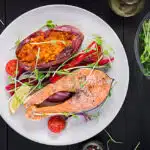
Simplicity defines this nutrient-dense pairing, which requires minimal culinary preparation while delivering maximum metabolic benefits. Salmon fillets are arranged on a baking sheet alongside fresh asparagus spears, coated lightly in olive oil, salt, and pepper, and roasted at 375 degrees Fahrenheit for fifteen minutes. Subsequently, the oven temperature is elevated to 425 degrees to accommodate sliced sweet potatoes tossed in liquid coconut oil, sea salt, pepper, and targeted herbs. Baking for forty-five minutes with intermittent turning yields a comforting, complex carbohydrate source rich in beta-carotene and fiber.
- Vegan Tuna Salad
Plant-based alternatives to seafood can offer high levels of dietary fiber and sustainable protein without heavy metal accumulation concerns. This formulation centers around black beans that are initially dehydrated in an oven at 325 degrees Fahrenheit for fifteen minutes. Simultaneously, garlic, onions, chopped peppers, and olive oil are sautéed, blotted for excess moisture, and processed alongside binding ingredients and the prepared black beans. The resulting mixture is shaped into patties and baked or grilled until golden brown, serving as a satisfying core for a fiber-rich midday sandwich.

- Sweet Potato, Quinoa, and Black Bean Burger
Batch-cooking vegetarian patties on a weekend provides a reliable, grab-and-go lunch option for the working week. Cubed sweet potatoes are roasted with olive oil, rosemary, and chili flakes at 410 degrees Fahrenheit until tender. Once cooled, the flesh is mashed alongside rinsed black beans and cooked quinoa to create a complete amino acid profile. Seasoned with salt and pepper, the mixture is formed into patties and baked on foil-lined trays for twenty to twenty-five minutes, pairing exceptionally well with a crisp garden salad.
- Salmon Spring Rolls
Adhering to a therapeutic dietary protocol does not necessitate abandoning culturally diverse textures and flavors. Rice paper wrappers are briefly softened in warm water, placed upon a damp culinary cloth, and garnished with fresh coriander leaves, seasoned salmon pieces, and cracked black pepper. The rolls are wrapped tightly and seared in a hot pan with a small amount of oil for two to three minutes per side until lightly browned. Drained on paper towels and served alongside a side salad and tamari dipping sauce, this dish offers a light yet protein-rich lunch alternative.
- Cilantro Lime Shrimp Skewers with Cauliflower Rice
Infusing the midday meal with vibrant, citrus-forward flavors can elevate mood and cognitive alertness. Shrimp are marinated in a blend of olive oil, fresh lime juice and zest, minced garlic, salt, pepper, and chopped cilantro for fifteen minutes before being cooked on a stovetop until opaque. Threaded onto skewers for convenient consumption, the protein is paired with riced cauliflower—prepared by grating raw cauliflower heads and sautéing them in olive oil under a lid for eight minutes. This cruciferous base mimics the texture of traditional grain rice while supplying sulforaphane, a powerful compound known for supporting hepatic detoxification pathways essential for hormone clearance.
Broader Implications and Nutritional Consensus
The integration of these diverse midday meal strategies reflects a broader paradigm shift in the clinical management of metabolic and endocrine disorders. Rather than relying on rigid caloric restriction or monotonous dietary regimens, modern nutritional protocols prioritize nutrient density, glycemic stability, and culinary satisfaction. Healthcare practitioners emphasize that consistent implementation of hormone-supportive dietary habits can significantly improve long-term metabolic health outcomes, reduce systemic inflammation, and enhance the overall quality of life for individuals navigating Polycystic Ovary Syndrome.
