
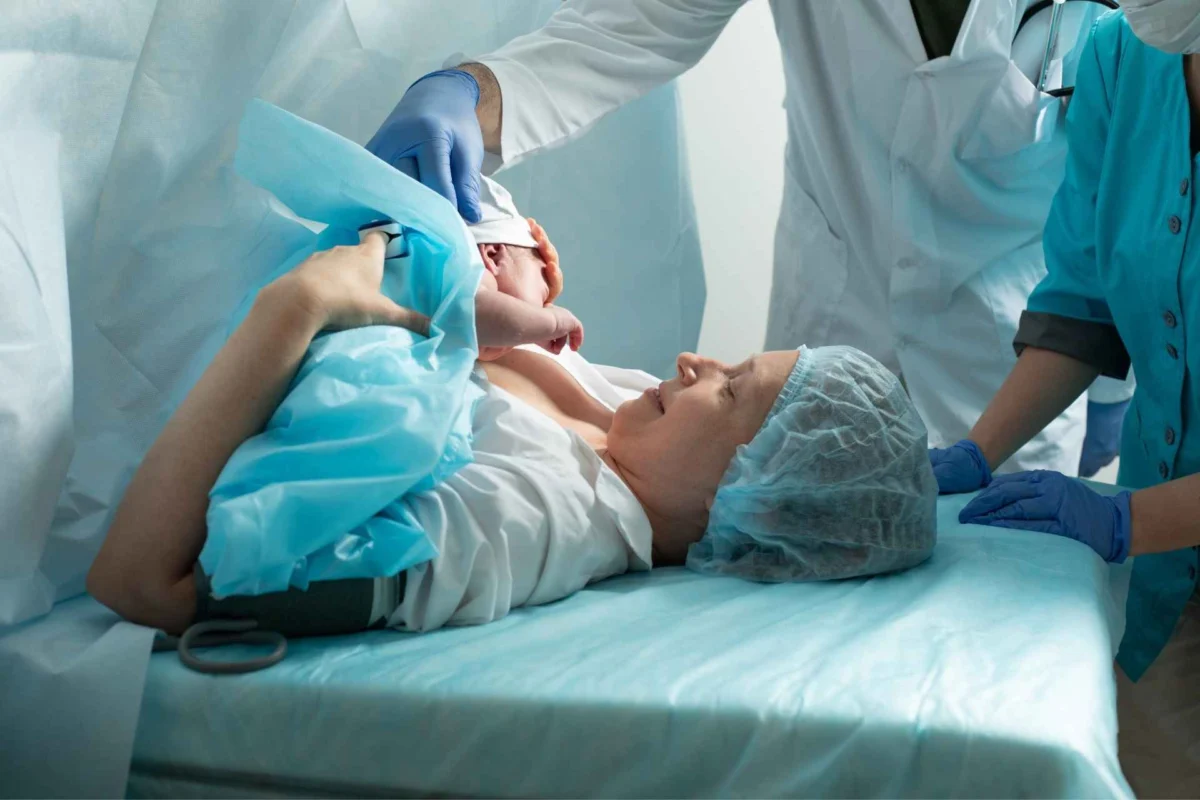
Recent scientific breakthroughs have cast new light on the intricate biological mechanisms that link the mode of delivery at birth to long-term neurodevelopmental outcomes in children. For decades, pediatricians, obstetricians, and researchers have documented epidemiological correlations suggesting that infants born via cesarean section (C-section) face a statistically elevated risk of certain developmental, immunological, and cognitive challenges compared to those born through the vaginal canal. While modern surgical interventions during childbirth are often lifesaving and medically indispensable, the physiological consequences of bypassing the birth canal have remained a subject of intense scientific scrutiny.
Historically, investigations into this phenomenon have focused almost exclusively on the gastrointestinal tract, hypothesizing that the absence of early exposure to maternal gut and vaginal microbiota during a surgical delivery disrupts the colonization of the infant gut. However, a landmark study recently published in the scientific journal Cell Host & Microbe has fundamentally shifted this paradigm. Researchers have uncovered a previously unrecognized biological pathway involving the skin barrier, demonstrating that microbes transferred during a vaginal birth produce specific chemical compounds capable of penetrating infant skin, entering the bloodstream, traveling to the brain, and directly supporting early neural development.
The study, spearheaded by lead researcher Hao Liu and a multidisciplinary team at Southern Medical University in Guangzhou, China, offers a compelling biological explanation for how the maternal microbiome influences the central nervous system. More importantly, the findings open the door to innovative therapeutic strategies—such as targeted probiotic applications and engineered skin bacteria—designed to bridge the developmental gap for infants delivered via C-section.
The Biological Missing Link: Moving Beyond the Gut Microbiome
To understand the magnitude of the recent findings, it is essential to examine the physiological journey of a newborn. During a standard vaginal delivery, an infant is exposed to a dense community of maternal microorganisms residing in the birth canal. These microbes immediately colonize the baby’s skin, mucous membranes, and gastrointestinal tract, initiating a complex dialogue with the developing immune and nervous systems.
Conversely, infants born via C-section emerge into a sterile operating room environment, bypassed from this direct inoculation. Instead, their initial microbial exposure is primarily derived from the hospital environment and the skin of healthcare providers or family members. While previous medical literature has established that these infants exhibit altered gut microbiome profiles during their first months of life, therapeutic interventions aimed solely at correcting gut dysbiosis—such as oral probiotic supplementation—have yielded mixed and often inconclusive results regarding neurological outcomes.
Recognizing this limitation, Liu and his colleagues turned their attention to the infant’s largest organ: the skin. The skin acts as the primary interface between the newborn and the outside world, yet its role in mediating microbial communication with the developing brain had been largely overlooked. The researchers hypothesized that the application of maternal vaginal fluids to the skin of C-section-delivered newborns might restore critical microbial communities, effectively mimicking the natural transfer that occurs during vaginal birth and thereby supporting early neurological health.
Experimental Breakthroughs: From Skin Fluids to Molecular Discovery
To test this hypothesis, the research team conducted a series of rigorous controlled experiments utilizing both human clinical samples and animal models. First, the team evaluated the effects of post-surgical microbial restoration by applying maternal vaginal fluids to the skin of newborns delivered via C-section.
The results demonstrated a rapid and significant shift in the infants’ cutaneous microbiota. Within a short timeframe, the skin microbiome of the C-section-delivered infants began to closely resemble that of naturally delivered peers. Specifically, two distinct bacterial species—Lactobacillus crispatus and Bacteroides fragilis—became markedly enriched on the skin. Both species are well-known commensal organisms typically abundant in the healthy vaginal and gut microbiomes of adult women.
To observe the functional consequences of this microbial shift on development, the researchers transitioned to murine models. Pups born via simulated C-section were treated with maternal vaginal fluids applied directly to their skin, while a control group received oral treatments. The behavioral and physiological outcomes were striking: the pups receiving the topical skin treatment exhibited measurable improvements in early motor development. Oral treatments, by contrast, did not yield the same neurological benefits, underscoring the unique and localized role of the skin barrier in this pathway.
Delving deeper into the biochemical mechanisms at play, the researchers identified a previously unknown fatty molecule, designated as N-bc2S1P, present on newborn skin. Chemical analysis revealed that this lipid compound is synthesized collaboratively by specific bacterial strains. Furthermore, correlational data from both human infants and mice indicated that higher baseline concentrations of N-bc2S1P on the skin were directly associated with superior developmental milestones and motor outcomes.
Tracing the Molecular Journey to the Hippocampus
The discovery of N-bc2S1P prompted an urgent physiological question: how does a molecule residing on the surface of the skin exert effects within the central nervous system?
Through pharmacokinetic tracking in newborn mice, the research team mapped the trajectory of the compound. When applied to the skin, N-bc2S1P successfully permeated the cutaneous barrier and entered the systemic circulation. Once in the bloodstream, the lipid molecule crossed the blood-brain barrier—a tightly regulated defense system that protects the brain from circulating pathogens and toxins—and accumulated specifically within the hippocampus.
The hippocampus is a seahorse-shaped structure located deep within the brain’s temporal lobe, renowned for its critical role in spatial navigation, learning, consolidation of information from short-term to long-term memory, and the regulation of emotional responses.
Upon reaching the hippocampus, N-bc2S1P was found to modulate genetic activity. Specifically, the compound upregulated the expression of genes involved in key signaling pathways responsible for neurogenesis, cellular growth, and the structural maturation of neurons. These cellular modifications translated directly into enhanced early motor behaviors in the subject animals. However, the researchers noted a temporal limitation: once the transient molecule cleared from the brain tissue, the observed behavioral enhancements began to fade, indicating that continuous presence of the compound might be necessary for sustained developmental optimization.
Engineering Probiotics for Sustained Neurological Support
Recognizing that temporary topical applications of maternal fluids offer only a fleeting window of metabolic presence, the research team sought a more durable, clinically viable solution. They turned to the field of synthetic biology and probiotic metabolic engineering.
The scientists selected Staphylococcus epidermidis, a common and generally benign bacterium that naturally colonizes human skin. Using advanced genetic engineering techniques, they modified the bacterium so that it could continuously synthesize and secrete N-bc2S1P directly on the skin’s surface.
When this engineered bacterial strain was introduced to the skin of murine models born via C-section, the results were both profound and enduring. Unlike the transient improvements seen with simple fluid applications, animals colonized with the engineered probiotic exhibited long-term enhancements across a broad spectrum of neurological domains. These included superior motor coordination, enhanced learning capacity, improved memory retention, and a noticeable reduction in anxiety-related behaviors when compared against untreated C-section control groups.
“Together, these findings define a mother-to-infant lipid metabolic circuit and highlight probiotic metabolic engineering as a tractable, potential strategy to mitigate neurodevelopmental risks associated with cesarean delivery,” the study authors noted in their conclusions.
Broader Implications for Obstetric and Pediatric Care
The implications of this research extend far beyond the laboratory, offering a fresh perspective on modern obstetric practices and neonatal care protocols. Over the past several decades, global rates of cesarean sections have risen significantly, driven by a combination of medical necessity, technological monitoring advances, and maternal preference. According to data from the World Health Organization (WHO), C-section rates now exceed 20% globally and are substantially higher in many developed nations, frequently surpassing 30% to 40% in private healthcare settings.
While obstetricians emphasize that C-sections remain vital surgical tools for managing high-risk pregnancies, dystocia, fetal distress, and other complications, the long-term public health implications of altered early-life microbial exposures have prompted intense investigation. The identification of the skin-brain metabolic axis provides a concrete, mechanistic framework that moves the scientific community past broad epidemiological associations and into precise molecular biology.
Pediatric researchers and neonatologists reviewing the study have pointed out several potential avenues for clinical translation. While the direct transfer of vaginal fluids—sometimes colloquially referred to in popular culture as "vaginal seeding"—has been explored in various clinical trials, it currently lacks universal medical endorsement due to concerns regarding the potential transmission of undetected maternal infections, such as Group B Streptococcus, herpes simplex, or human papillomavirus.
The development of precisely formulated, synthetic, or engineered probiotic therapies offers a scientifically controlled alternative that circumvents the infectious disease risks associated with raw fluid transfers. By isolating the specific metabolites—such as N-bc2S1P—and utilizing targeted, safe bacterial vectors, future medical interventions could theoretically provide the neurological benefits of natural microbial exposure without exposing newborns to pathogenic risks.
Next Steps in Translational Research
Despite the enthusiasm surrounding the publication in Cell Host & Microbe, the study’s authors and independent experts emphasize that significant hurdles remain before these findings can be translated into standard clinical practice for human infants.
Foremost among these challenges is the necessity of confirming whether the newly discovered lipid metabolic circuit functions identically in humans as it does in murine models. While human infants share fundamental physiological pathways with mice, the complex architecture of human skin, the unique maturation timeline of the infant brain, and the diverse dietary inputs of human babies—such as breast milk versus infant formula—will all influence how engineered probiotics interact with the host.
Furthermore, regulatory frameworks governing the use of genetically modified organisms (GMOs)—even beneficial, commensal skin bacteria—in human neonates are exceptionally rigorous. Extensive preclinical safety trials, toxicological assessments, and longitudinal human clinical studies will be required to establish the safety, stability, and efficacy of any probiotic-based neurological intervention.
As research in the burgeoning field of the microbiome continues to mature, studies like the one conducted by Hao Liu and his team underscore the profound interconnectedness of human biology. By mapping the biochemical signals that pass from mother to child across the skin barrier, science is uncovering new ways to support the foundational health of the next generation, ensuring that every infant, regardless of their entry into the world, has the biological building blocks necessary for a healthy start in life.
