
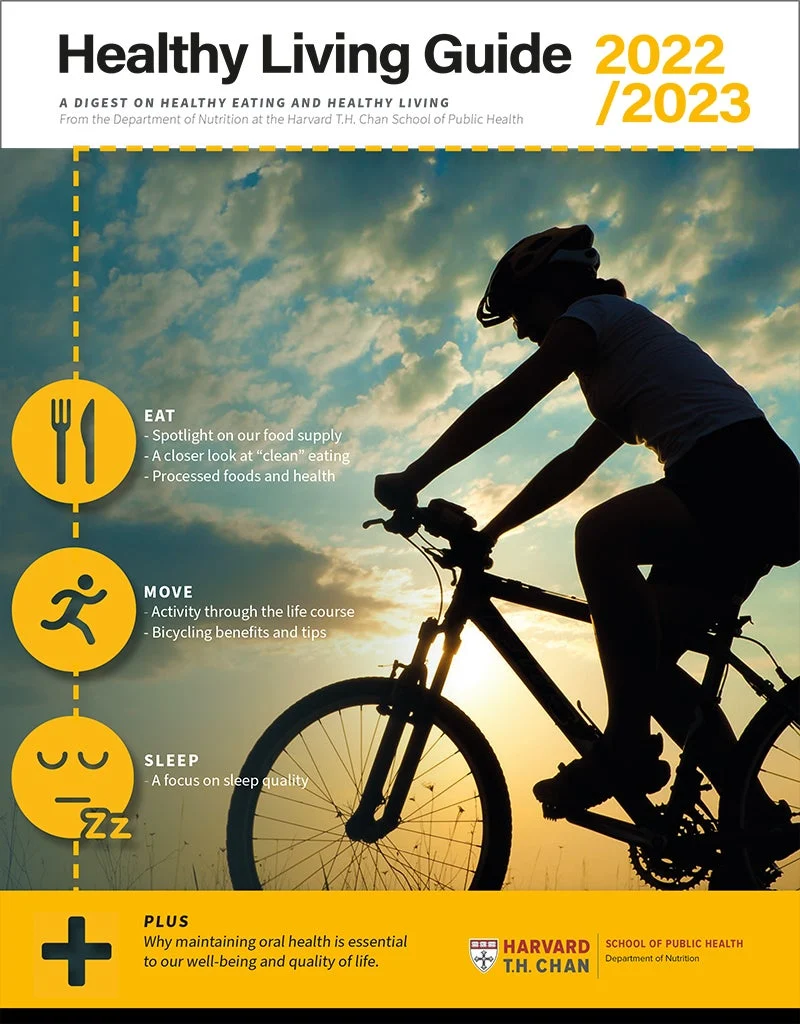
The year 2022 marked a significant turning point in American public health policy, characterized most prominently by the White House Conference on Hunger, Nutrition, and Health. This high-level summit, held in September 2022, served as a catalyst for a national strategy aimed at eliminating hunger, reducing diet-related diseases, and narrowing health disparities by 2030. As public health experts, policymakers, and community advocates reflect on the implications of this event, the release of the Healthy Living Guide serves as a practical resource for individuals navigating an increasingly complex food environment.
The Evolution of National Nutrition Policy
To understand the weight of the 2022 White House Conference, one must examine the historical context of federal nutrition intervention. The last time a similar summit was convened was in 1969 under the Nixon administration. That historic meeting led to the creation of landmark programs that remain the backbone of American food security today, including the expansion of the Supplemental Nutrition Assistance Program (SNAP), the birth of the Special Supplemental Nutrition Program for Women, Infants, and Children (WIC), and the establishment of national school lunch guidelines.
Between 1969 and 2022, the landscape of public health shifted dramatically. While the primary concern in the late 1960s was the prevalence of acute hunger and protein-calorie malnutrition, the modern crisis is defined by a "double burden": persistent food insecurity coupled with an epidemic of diet-related chronic diseases, such as type 2 diabetes, cardiovascular disease, and hypertension. According to data from the Centers for Disease Control and Prevention (CDC), over 40% of American adults are classified as obese, and diet-related conditions are leading drivers of the nation’s $4 trillion annual healthcare expenditure.
The 2022 National Strategy: A Multi-Pillar Approach
The strategy unveiled by the Biden-Harris administration in September 2022 is built upon five foundational pillars designed to overhaul the intersection of public policy and private consumption.
First, the strategy emphasizes the improvement of food access and affordability. This includes the permanent expansion of child nutrition programs and the integration of "food is medicine" initiatives, such as covering medically tailored meals for Medicare beneficiaries. Second, the plan seeks to integrate nutrition into clinical care, encouraging doctors to provide nutritional counseling and screenings for food insecurity during routine visits.
Third, the administration has committed to supporting physical activity for all, through the expansion of outdoor spaces and community exercise programs. Fourth, the strategy calls for enhanced data collection and research, acknowledging that precision nutrition—tailoring dietary recommendations to an individual’s biology—is the next frontier in preventive medicine. Finally, the fifth pillar focuses on the food environment itself, encouraging manufacturers to reduce sodium and added sugars in processed goods.
Critical Analysis and Expert Reactions
While the scientific community has largely lauded the administration for bringing nutrition back to the forefront of the political agenda, experts from the Harvard T.H. Chan School of Public Health have identified significant gaps in the proposed strategy. Drs. Frank Hu, Walter Willett, and Lilian Cheung, writing in response to the conference, noted that the current plan fails to address the structural pressures of the food industry.
Specifically, experts argue that the strategy omits robust regulations on the marketing of ultra-processed foods to children. Furthermore, the plan has been criticized for its lack of a comprehensive climate-change policy as it relates to agriculture. As the global population grows and climate instability threatens crop yields, the need for a sustainable, resilient food system is no longer elective. "To have a significant impact," the authors noted, "the administration must bring together the public and private sectors, along with philanthropists, academia, and individuals to develop truly sustainable food systems that support both public and planetary health."
The lack of emphasis on systemic agricultural reform—such as shifting subsidies away from commodity crops like corn and soy and toward fruits, vegetables, and regenerative farming practices—remains a point of contention. Critics suggest that without these deeper structural changes, the policy risks treating the symptoms of diet-related illness rather than the underlying causes.
Data-Driven Perspectives on Food Security
The urgency of these policy shifts is backed by stark economic and health data. According to the U.S. Department of Agriculture (USDA), approximately 13.5 million households in the United States were food insecure at some point in 2021. The economic implications are profound: food-insecure households face higher rates of depression, anxiety, and long-term health complications, which in turn place a heavier burden on the social safety net and the public healthcare system.
The "food as medicine" model, which the White House is now championing, has shown promise in pilot programs across the country. Data from organizations such as the Food Is Medicine Coalition indicates that providing medically tailored meals—prepared by registered dietitians for patients with specific health conditions—can lead to a 16% reduction in healthcare costs and a significant decrease in hospital readmission rates. Integrating these programs into Medicare is seen as a high-impact, low-cost intervention that could fundamentally alter the trajectory of chronic disease management in the U.S.
The Role of Individual Agency
While federal policy provides the infrastructure for healthy living, the practical application of these strategies falls to the individual. The release of updated healthy living guides acts as a bridge between high-level policy and daily habit formation. These guides emphasize that the most effective dietary changes are those that are sustainable and incremental.
In 2023, the focus has shifted toward "small-step" interventions. Research consistently shows that dramatic dietary overhauls are often abandoned within weeks. Instead, health professionals advocate for "crowding out" unhealthy choices by increasing the intake of whole grains, plant-based proteins, and fiber-rich vegetables. By focusing on nutrient density rather than calorie restriction, individuals can improve metabolic health without the psychological toll of restrictive dieting.
Future Outlook: The Path to 2030
The 2030 goal set by the White House conference is ambitious. Achieving it will require a sustained, decade-long commitment that transcends election cycles. The roadmap involves not only the legislative branch but also the private sector. Retailers, for instance, play a vital role in determining the "choice architecture" of a grocery store; increasing the visibility of fresh produce and incentivizing the purchase of healthier staples are essential components of a public-private partnership.
As the nation moves forward, the academic and public health sectors will continue to monitor the implementation of the National Strategy. Key metrics for success will include a decrease in the prevalence of diet-related chronic disease, an increase in the utilization of fresh food assistance programs, and a reduction in the "food desert" phenomenon where access to healthy, affordable nutrition is geographically restricted.
Conclusion: A Holistic Approach to Wellness
The intersection of food, nutrition, and policy is perhaps the most critical front in the battle for public health in the 21st century. While the 2022 White House Conference provided a necessary platform for dialogue and established a preliminary roadmap, the efficacy of these policies will depend on the government’s willingness to tackle the more difficult structural issues, such as industry regulation and agricultural sustainability.
For the individual, the guidance remains clear: informed choices, supported by a healthy environment, are the key to longevity. Whether through the adoption of more sustainable eating patterns or participation in community-based wellness initiatives, the cumulative effect of these actions is what will ultimately define the health of the nation by 2030. As we navigate the coming years, the synthesis of rigorous scientific research and pragmatic, accessible public policy will remain the primary vehicle for ensuring that every citizen has the opportunity to thrive in a healthy, food-secure environment. For those looking to integrate these lessons into their daily lives, utilizing evidence-based tools and guides remains an essential step in fostering a lifetime of well-being.
