
David Beckham has long occupied a unique position at the intersection of professional athletics and global fashion influence. Since his rise to prominence in the mid-1990s, his aesthetic choices—specifically his frequently evolving hairstyles—have functioned as a cultural barometer for men’s grooming trends. While his career on the pitch with Manchester United, Real Madrid, and the England national team defined his sporting legacy, his hair has arguably left an equally indelible mark on popular culture. By analyzing his stylistic evolution, one can trace a history of 21st-century masculine identity, from the rugged practicality of the late 90s to the polished, sophisticated silhouettes of his post-retirement career.
The chronological progression of Beckham’s hair serves as a roadmap for the democratization of men’s grooming. In the early years of his career, Beckham challenged traditional British perceptions of masculinity. His early experimentation with highlights, curtains, and eventually the controversial cornrows and Alice bands, disrupted the static nature of football fashion. This willingness to deviate from the conservative "short back and sides" standard paved the way for a broader acceptance of intentional styling among men who were previously deterred by the social stigma surrounding high-maintenance grooming.
The Buzz Cut: A Shift in Masculine Presentation
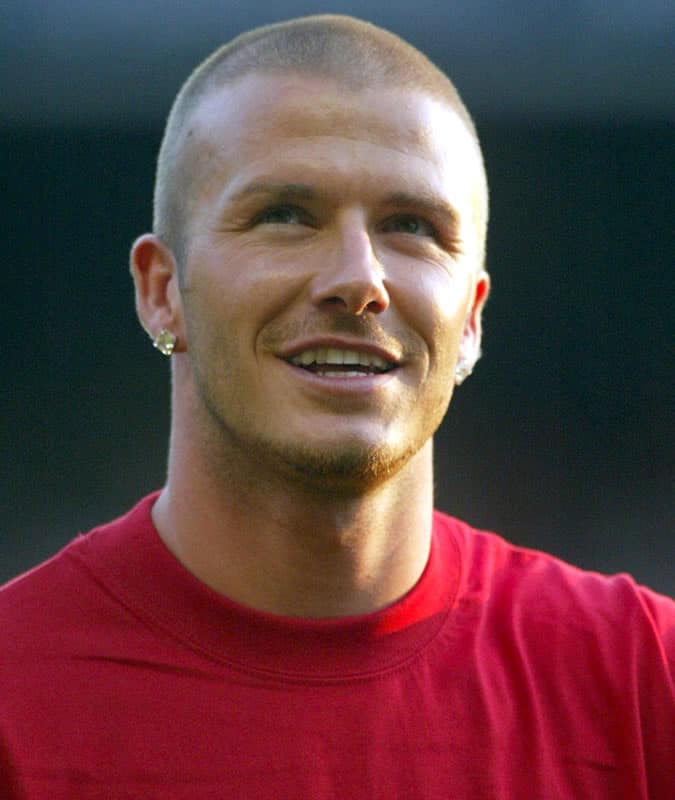
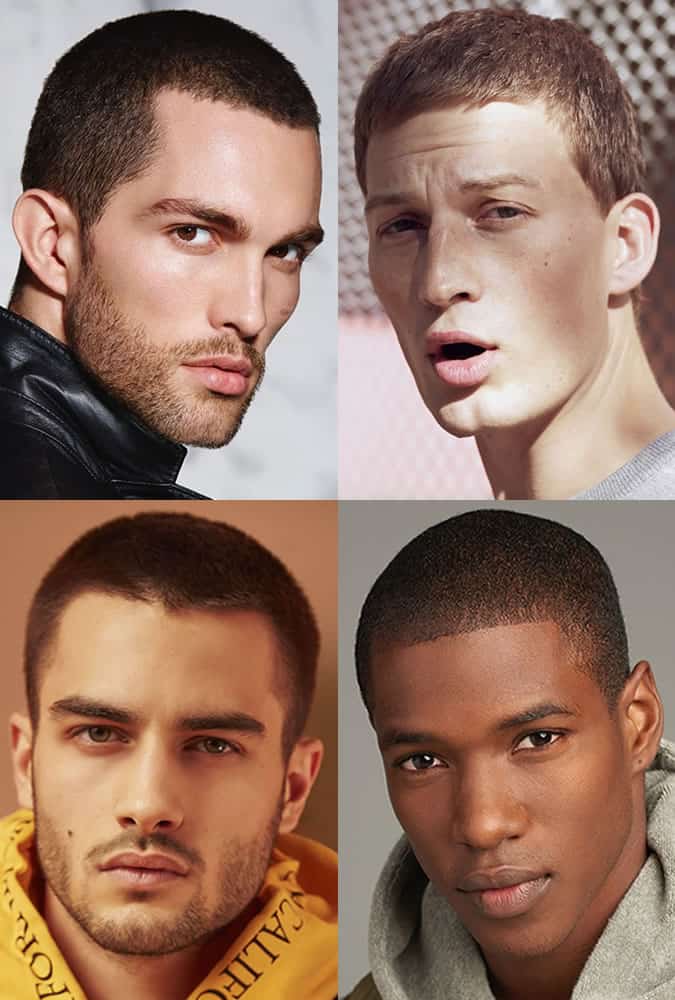
The turn of the millennium marked a pivotal moment in Beckham’s aesthetic trajectory with his adoption of the buzz cut. Prior to this, the shorn look was often stigmatized, associated primarily with military personnel or specific subcultural groups. When Beckham embraced a skinhead aesthetic, he effectively neutralized the negative connotations, transforming the style into a hallmark of contemporary, low-maintenance minimalism.
Barbering experts note that the success of the Beckham buzz cut lay in its precision. Unlike a DIY shear, the professional iteration relied on structural integrity, specifically the implementation of a fade around the perimeter and a crisp, clean neckline. Industry professionals, including international stylist Joseph Lanzante, emphasize that the modern buzz cut is a technical achievement rather than a lack of style. It requires consistent maintenance to ensure the edges remain sharp, preventing the look from appearing unkempt. For the modern man, this style remains a staple of the "time-poor" demographic, offering a clean, aerodynamic appearance that requires minimal daily effort but significant professional upkeep.
The Evolution of the Curtains and Textured Fringe
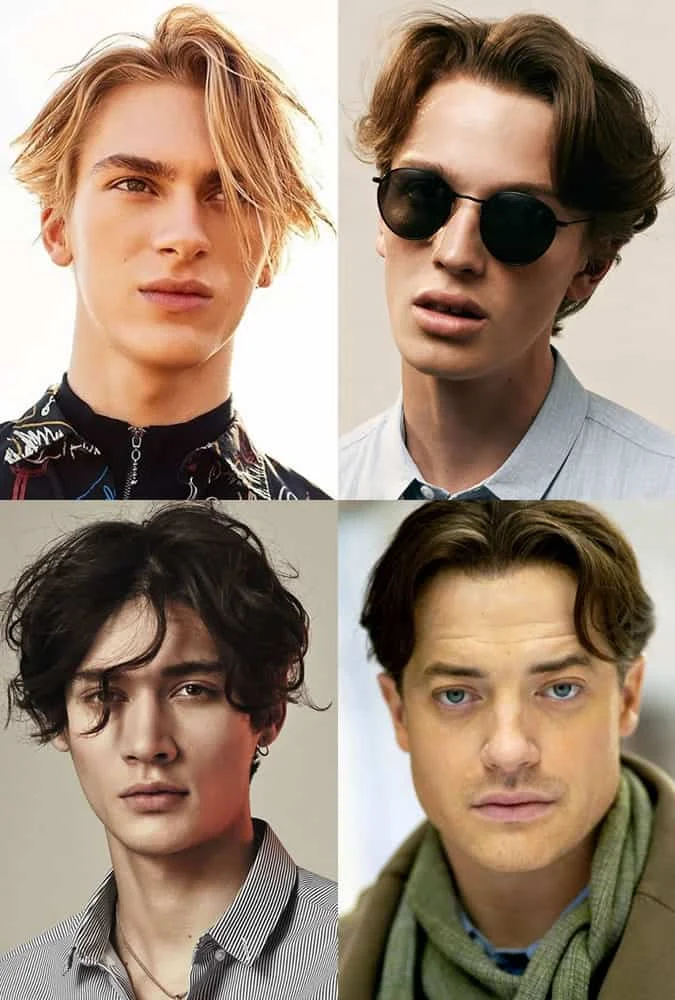
In the late 90s, the "curtains" hairstyle was synonymous with Beckham. While the look eventually fell out of fashion, it has experienced a notable resurgence in recent years, rebranded as a more sophisticated, textured iteration. The original version was defined by center-parted, often bleached, locks that required significant maintenance and styling products to combat the impracticalities of professional sports.

Contemporary stylists, such as Joe Mills, highlight that the modern interpretation of this look is less rigid. By incorporating scissor-over-comb techniques rather than heavy layering, today’s curtain cut achieves a more natural, lived-in aesthetic. The integration of sea salt sprays and lightweight styling creams allows for movement and volume, stripping away the artificiality that defined the 90s trend. This transition mirrors a broader movement in the grooming industry: a shift toward styles that celebrate the hair’s natural texture rather than suppressing it through excessive product use.
The Faux Hawk: A Study in Cultural Impact
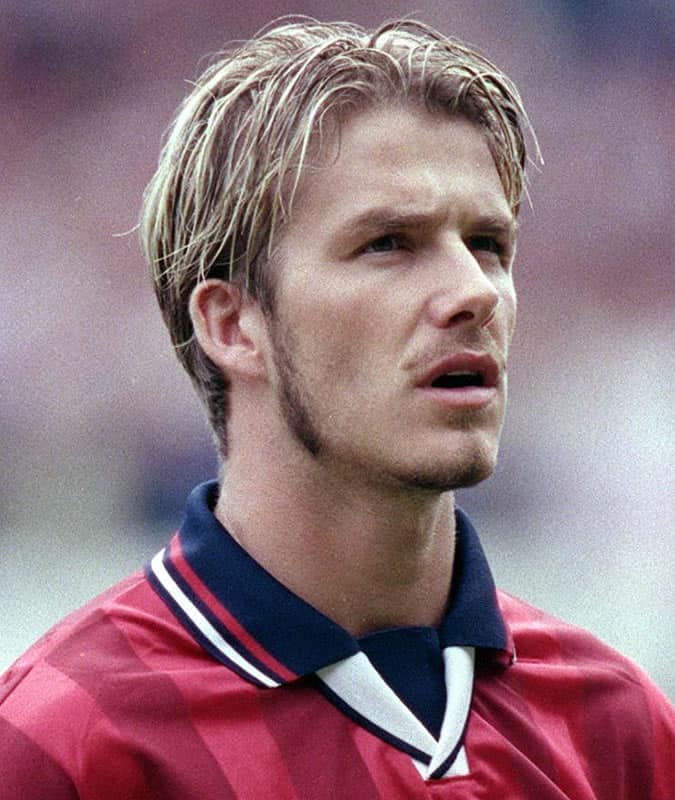
Perhaps no haircut in sports history has generated as much immediate, global imitation as the 2002 faux hawk. During the lead-up to the 2002 World Cup, Beckham’s decision to shave the sides of his head while leaving a spiked, bleached strip down the center created a cultural phenomenon. It is estimated that millions of young men attempted to replicate the look, leading to what many stylists now retrospectively term a "follicular crisis."
However, the analysis of this trend reveals an important lesson in proportions. The original 2002 version was arguably too aggressive for the average consumer, but later iterations—such as those seen during his time with the LA Galaxy—demonstrated a more nuanced approach. By softening the contrast between the sides and the crown, and utilizing a matte paste for a dry finish, the faux hawk evolved from a rebellious statement into a versatile, structured style. This evolution illustrates a critical principle in men’s fashion: trends often require a period of "refinement" before they become truly wearable for the general public.
The Mid-Life Pompadour: A Standard for Sophistication
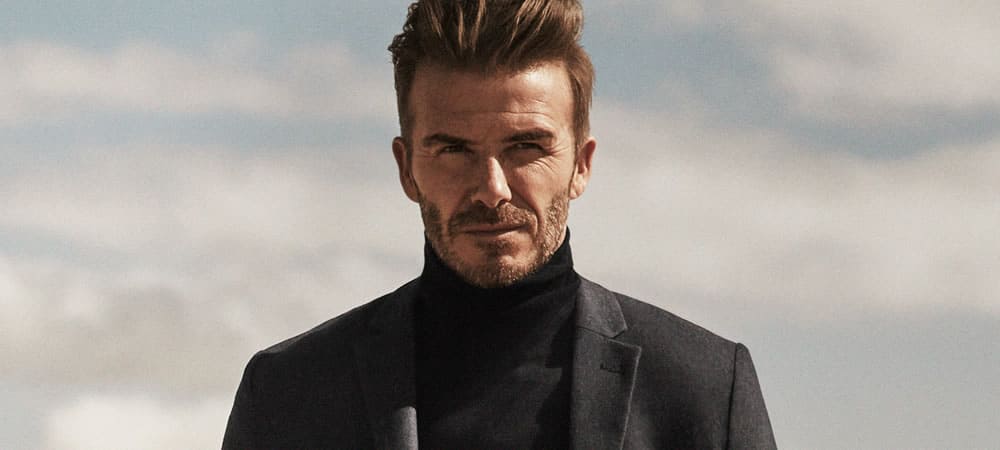
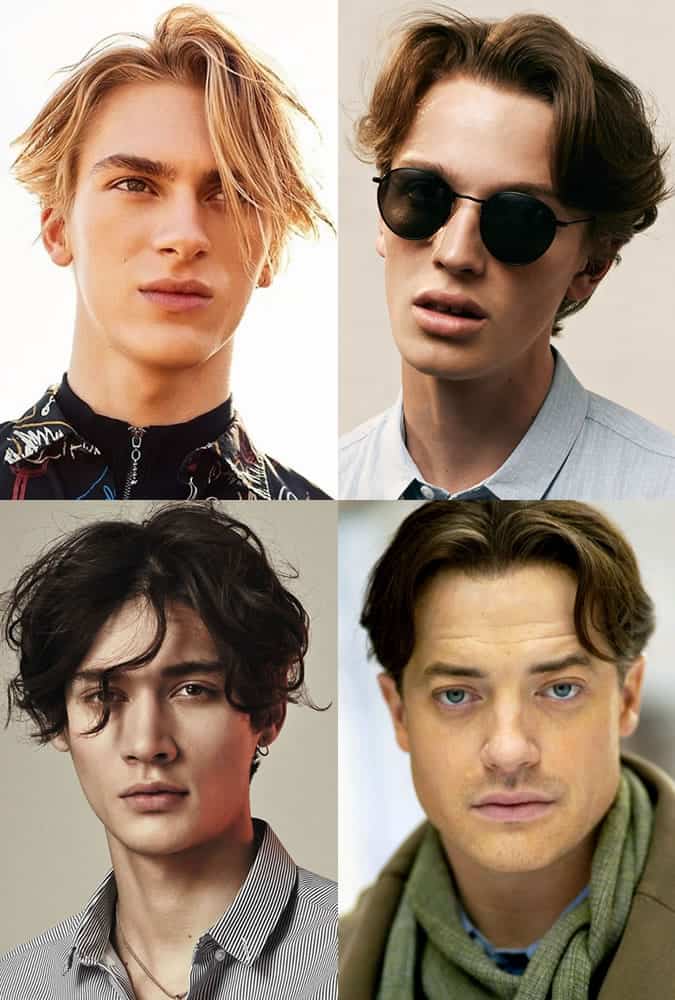
As Beckham transitioned into his forties, his hair choices moved toward classic, timeless silhouettes. The pompadour, characterized by height and a swept-back appearance, has become a cornerstone of his current aesthetic. This style is particularly significant because it addresses the changing hair density and texture often associated with middle age, offering a look that projects authority and sophistication.
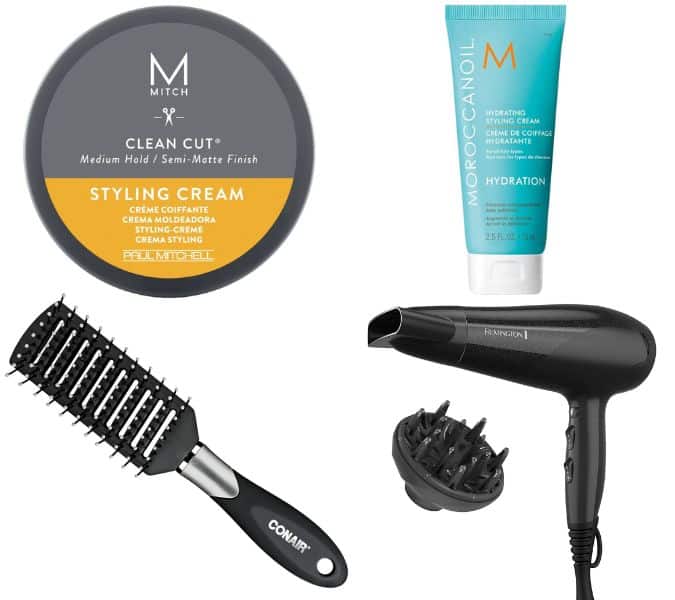
Celebrity stylists like Jason Collier note that the pompadour is the "gold standard" for men in their professional prime. Unlike the more extreme styles of his youth, this look relies on internal structure and blow-drying techniques to create volume at the root. The technical requirements—using a vent brush, a blow dryer, and a high-quality styling wax—reflect a higher level of grooming literacy expected of the modern man. This style is not merely an accessory; it is a deliberate component of an image that balances family-oriented life with the high-stakes world of fashion entrepreneurship.
The Loose Quiff: Heritage Meets Modernity
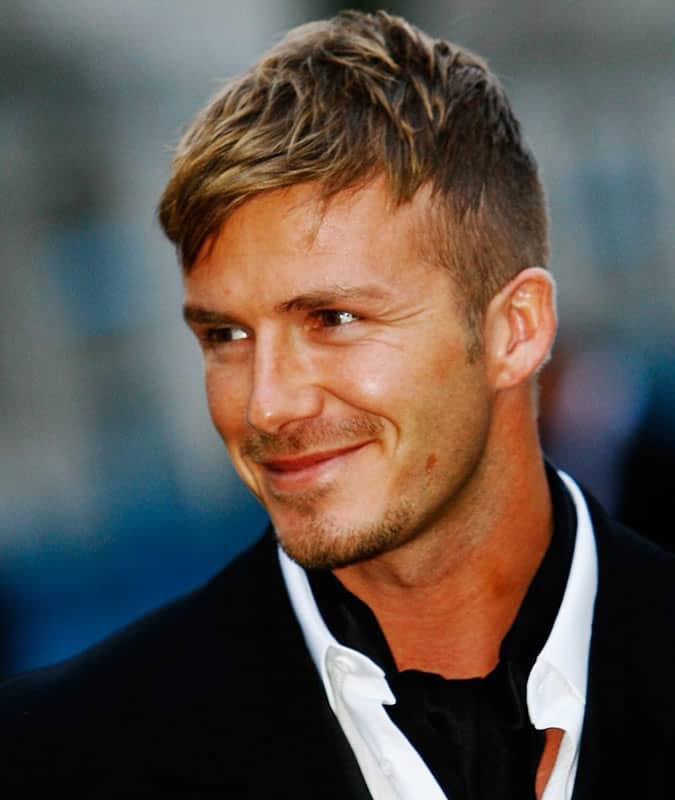
The loose quiff, a style popularized by icons such as James Dean and Elvis Presley, was adapted by Beckham to suit a more relaxed, modern sensibility. By eschewing the rigid, shiny finish of the 1950s in favor of a matte, textured appearance, Beckham successfully updated a vintage look for the 21st century.
Technically, the loose quiff requires a disconnect between the sides and the top, allowing the hair to fall naturally while maintaining a squared-off silhouette. The use of mousse on damp hair followed by directional blow-drying creates the foundation, while a dry paste or clay provides the necessary hold without the aesthetic drawbacks of traditional pomades. This look is frequently cited by barbers as an ideal "gateway" style for men looking to transition from short, uninspired cuts to something more expressive.
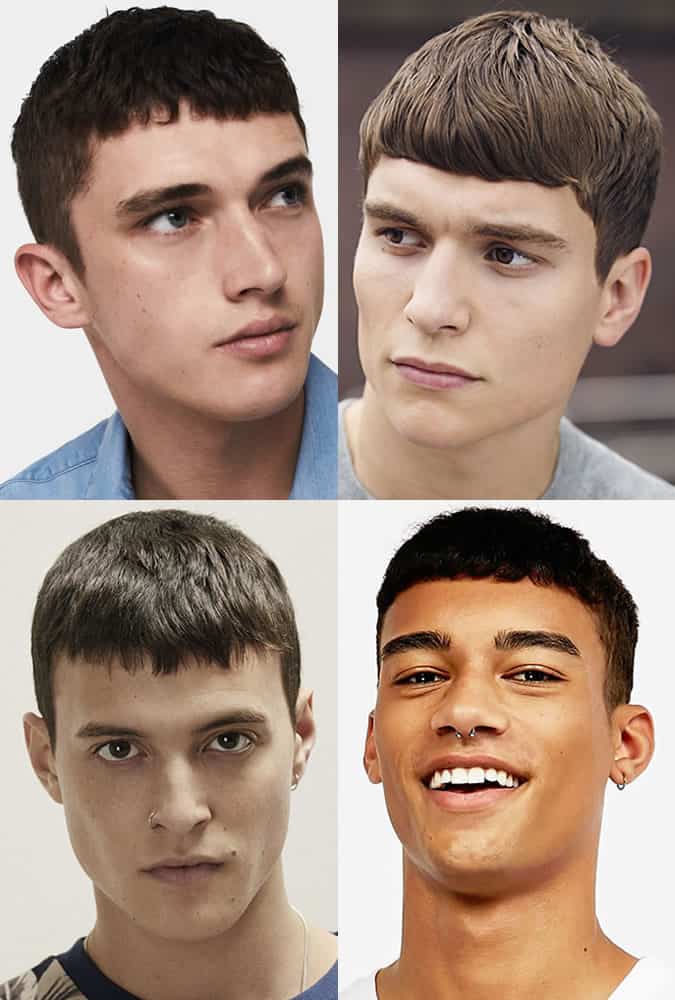
Longer Lengths and the Future of Male Grooming
Most recently, Beckham has leaned into longer, textured lengths, signaling a departure from the strictly regimented fades of the past decade. This shift aligns with current data in the grooming industry, which suggests a growing preference for lower-maintenance, longer-growth styles that emphasize health and volume.
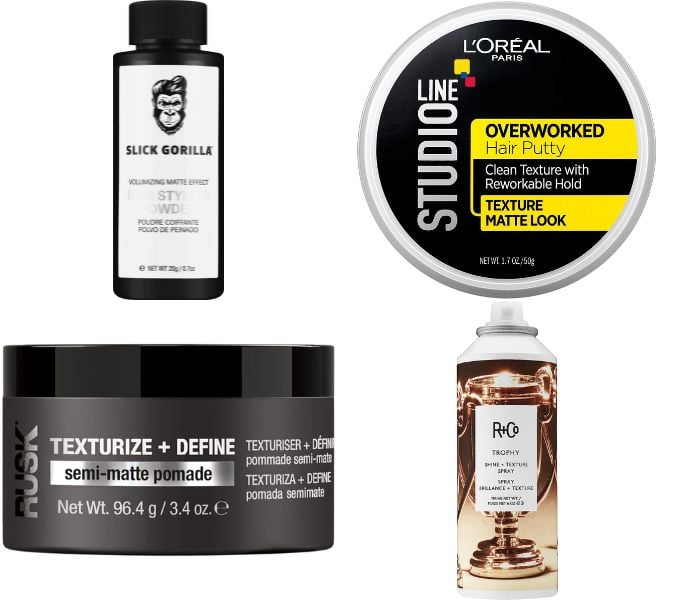
The maintenance of longer hair, as advocated by stylists like Lanzante, requires a different set of priorities: frequent trims to prevent split ends, the use of high-quality conditioning treatments, and a move away from heavy, petroleum-based products. This "rugged grooming" approach allows for a more versatile appearance, capable of being worn in a natural, messy state or styled for formal events.
Broader Implications for Men’s Grooming
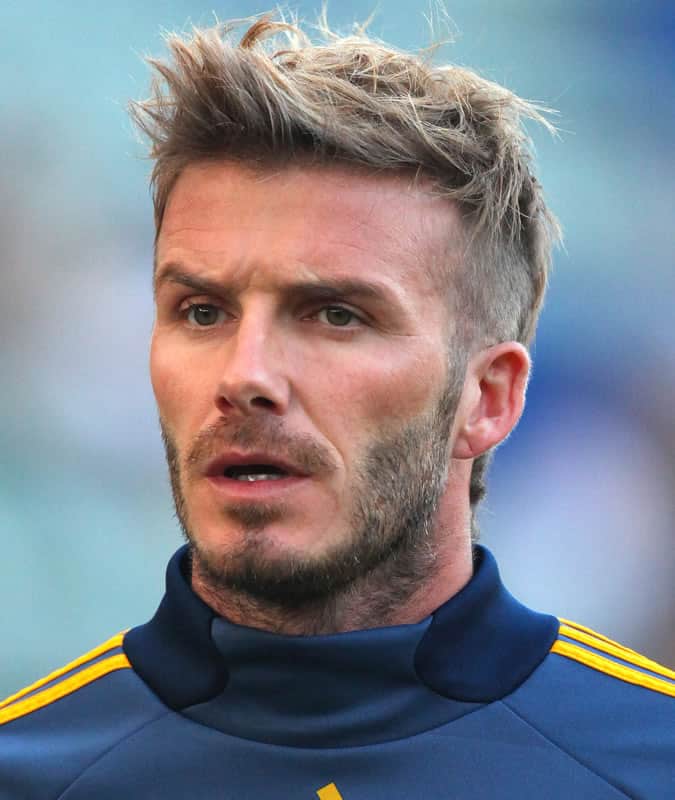
The trajectory of David Beckham’s hairstyles is not merely a collection of aesthetic choices; it is a case study in the evolution of the modern man. Through the lens of his hair, we can observe the breakdown of rigid gender norms in fashion, the increasing importance of the professional barber in daily life, and the shift from "groomed" to "natural" as the ultimate indicator of style.
Data from the men’s grooming market shows a significant increase in the sales of professional-grade tools and products over the last two decades. Much of this growth is attributed to the "Beckham effect," where consumers are encouraged to view their hair as a medium for self-expression. By providing a visible, high-profile example of how hair can influence one’s professional and personal brand, Beckham has effectively lowered the barrier to entry for men seeking to improve their personal appearance.
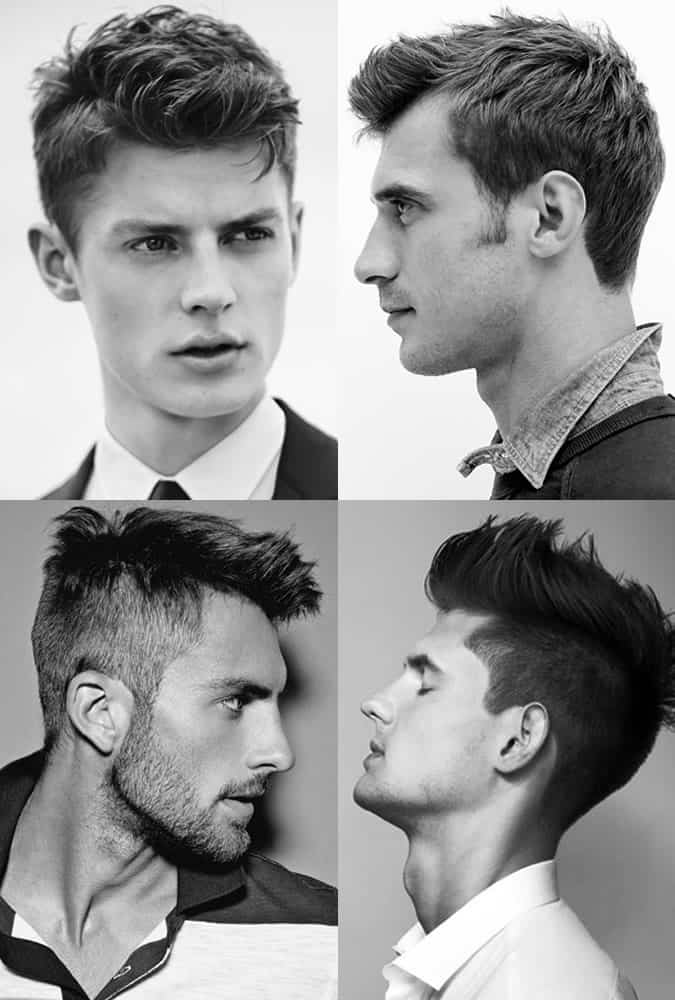
Ultimately, the lesson of Beckham’s hair is one of adaptation. By recognizing when a trend has reached its limit and pivoting toward a style that complements his current lifestyle and age, he has remained relevant for over 25 years. For the average man, the takeaway is clear: personal style is not about replicating a specific look, but understanding the techniques, products, and professional advice required to cultivate an aesthetic that is both intentional and authentic. Whether through the surgical precision of a buzz cut or the relaxed elegance of a modern quiff, the goal remains the same: a well-maintained appearance that reflects the wearer’s evolving identity. As we look toward the future of men’s grooming, it is evident that the standards set by Beckham will continue to influence how men approach the chair for years to come.
