
Affiliate Disclosure: I receive a small commission for purchases made via affiliate links.
How to cite: Wong M. Investigating the viral heat protectant test. Lab Muffin Beauty Science. September 9, 2025. Accessed March 11, 2026. https://labmuffin.com/investigating-the-viral-heat-protectant-test/
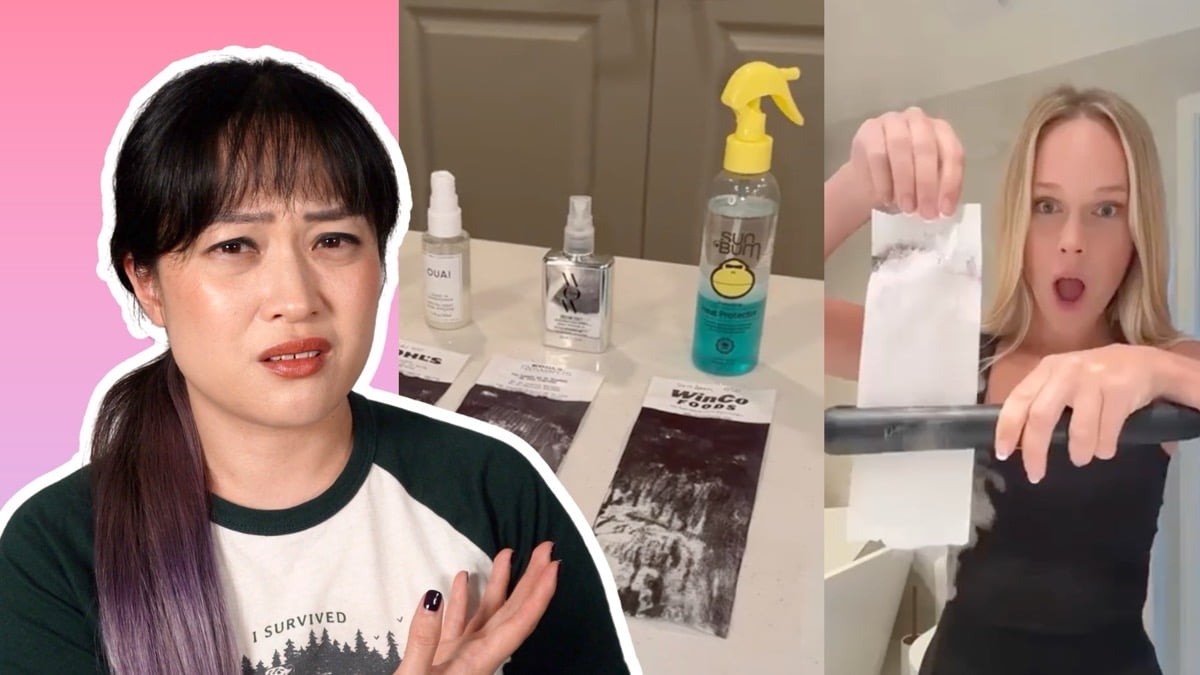
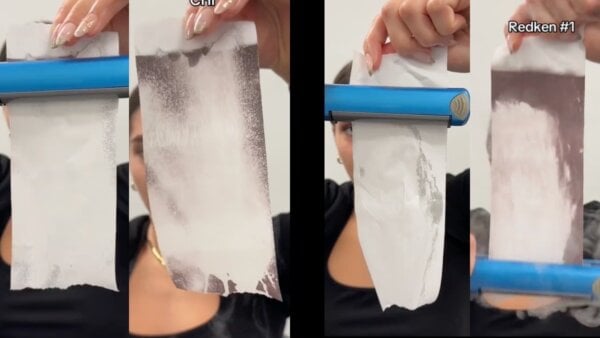
A widespread internet trend purporting to reveal the efficacy of hair heat protectants by testing them on thermal paper receipts has been debunked by a thorough scientific investigation. The popular method, which involves spraying a heat protectant onto a receipt and then applying a flat iron, claims that receipts remaining white indicate superior protection, while those turning black signify ineffective products. However, extensive experimentation reveals that the test’s results are primarily influenced by chemical interactions between the product and the receipt’s ink, as well as the cooling effect of residual water, rather than actual heat protection capabilities relevant to human hair. This finding underscores a growing concern among beauty scientists regarding the proliferation of misleading DIY product tests on social media platforms.
The Rise of a Misleading Viral Trend
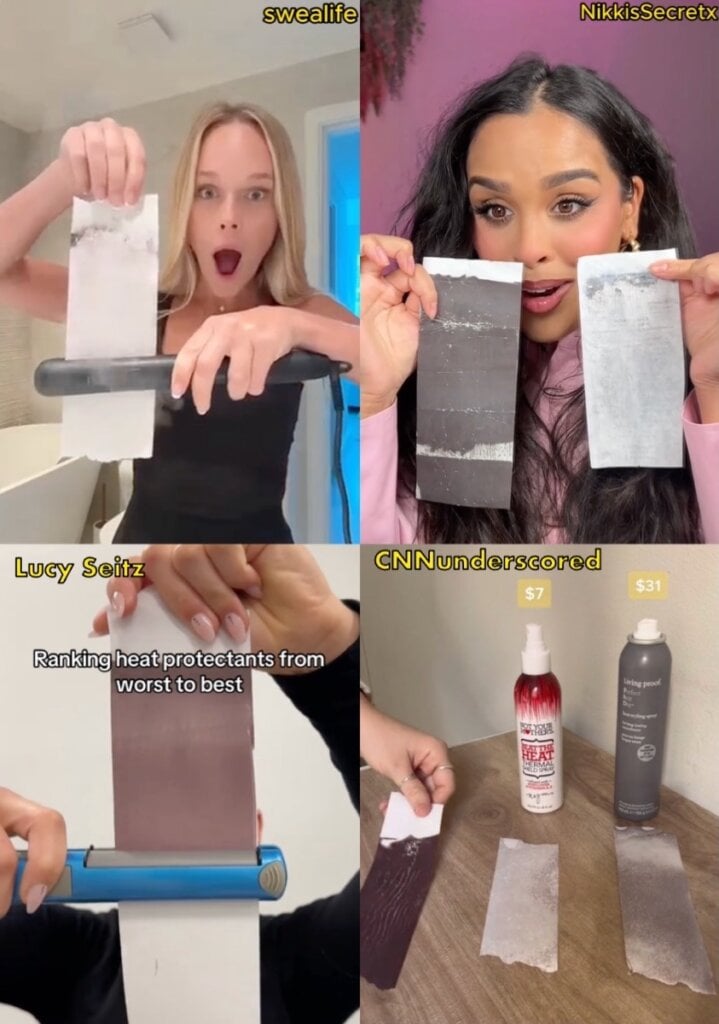
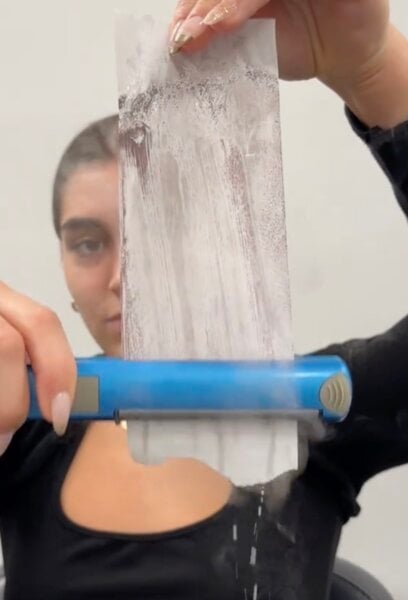
The beauty industry, particularly on platforms like TikTok, frequently sees the emergence of viral "hacks" and product tests. These trends often gain traction due to their visual simplicity and seemingly logical premises, empowering consumers to conduct their own assessments. The heat protectant receipt test quickly became one such phenomenon. Users demonstrated spraying various heat protectant formulas onto thermal paper, which is designed to darken when exposed to heat, much like a hair straightener. The intuitive leap was that if a product prevented the receipt from darkening, it must be effectively blocking heat, thereby protecting hair from damage. This seemingly straightforward correlation resonated with a public eager for tangible proof of product performance.
Prominent cosmetologists, such as Lucy Seitz, popularized the test, demonstrating systematic approaches that included using a consistent straightener temperature (e.g., 340°F or 170°C) and control receipts without product. Initial observations from these videos highlighted that some receipts, particularly those freshly sprayed, appeared to drip and generate steam, leading to early speculation about the role of moisture in the test’s outcomes.
Initial Investigations: Replication and Early Observations
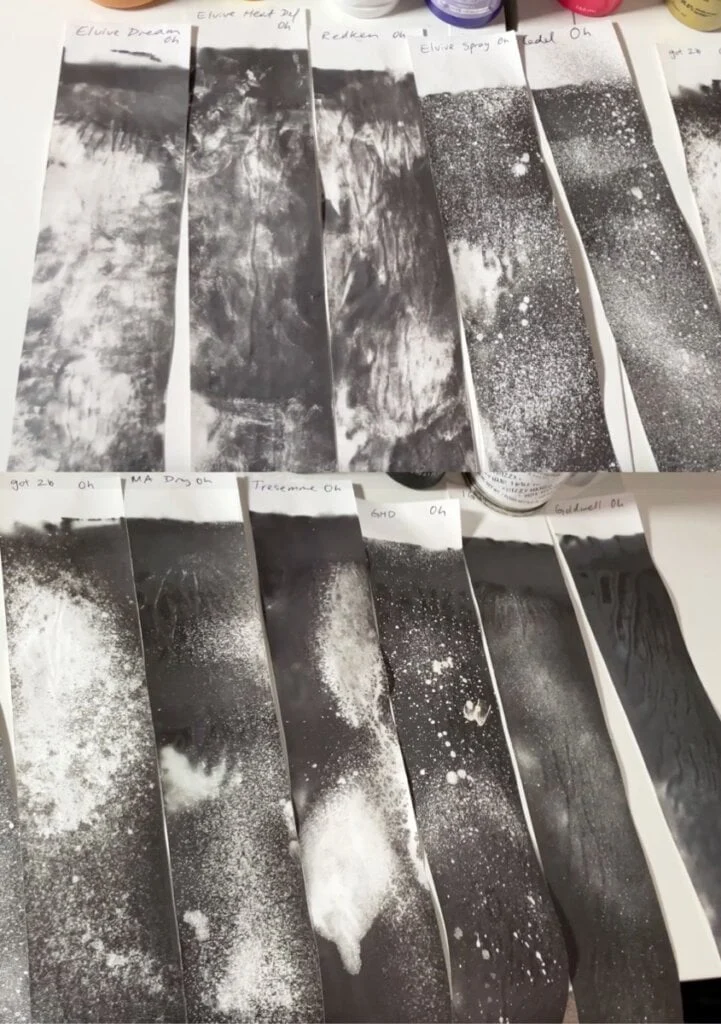
To rigorously examine the validity of this viral test, an independent investigation commenced with efforts to replicate the popular methodology. A range of 11 heat protectant products, including seven pump sprays, one propellant spray, and three cream products, were gathered, representing diverse formulations. The first attempt involved applying a product (Marc Anthony spray) to a receipt and immediately applying a flat iron set to 170°C. The immediate result – crackling and smoking – provided an early indicator that direct, wet application was problematic.
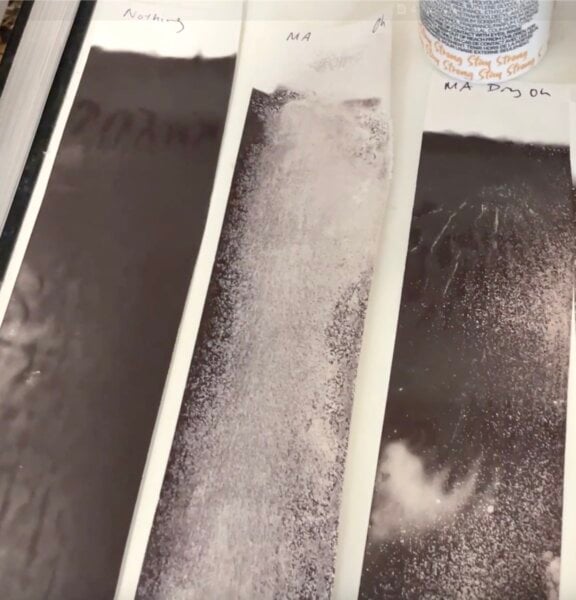
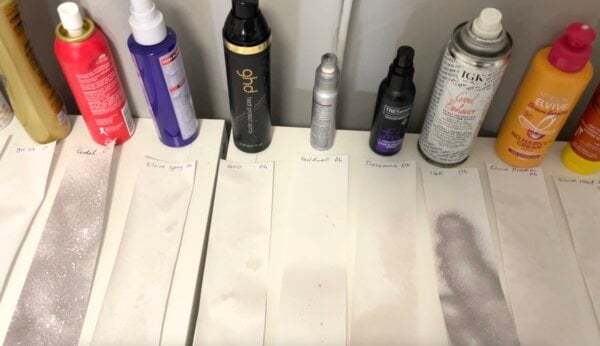
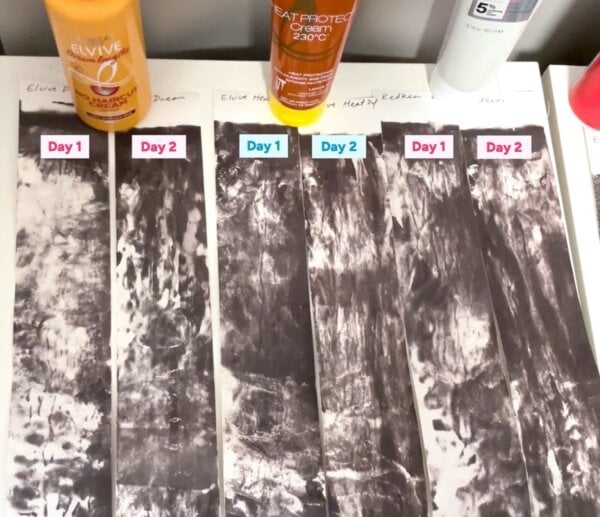
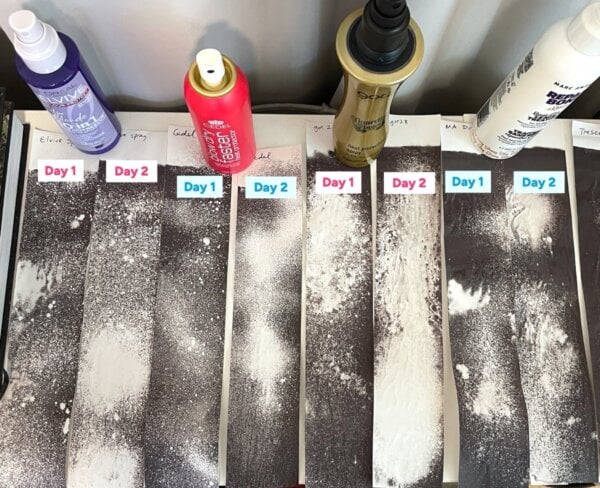
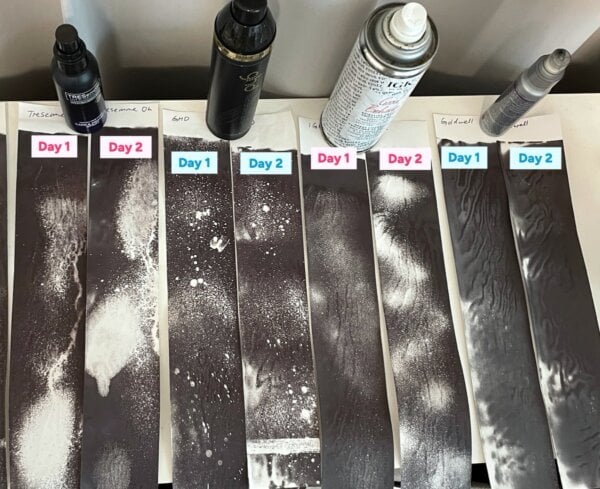
Consequently, the protocol was adjusted: products were applied to receipts and allowed to air-dry for approximately 15 minutes before heat application. This change yielded significant differences. Receipts treated with cream products, generally applied more thickly, remained lighter than those treated with sprays. This suggested a correlation between product quantity and perceived "protection." Furthermore, products with water lower on their ingredient lists, such as the Goldwell and IGK sprays, resulted in darker receipts, hinting at water’s potential role as a heat buffer. However, precise control over product application thickness proved challenging, complicating definitive conclusions about individual product performance in this initial phase.
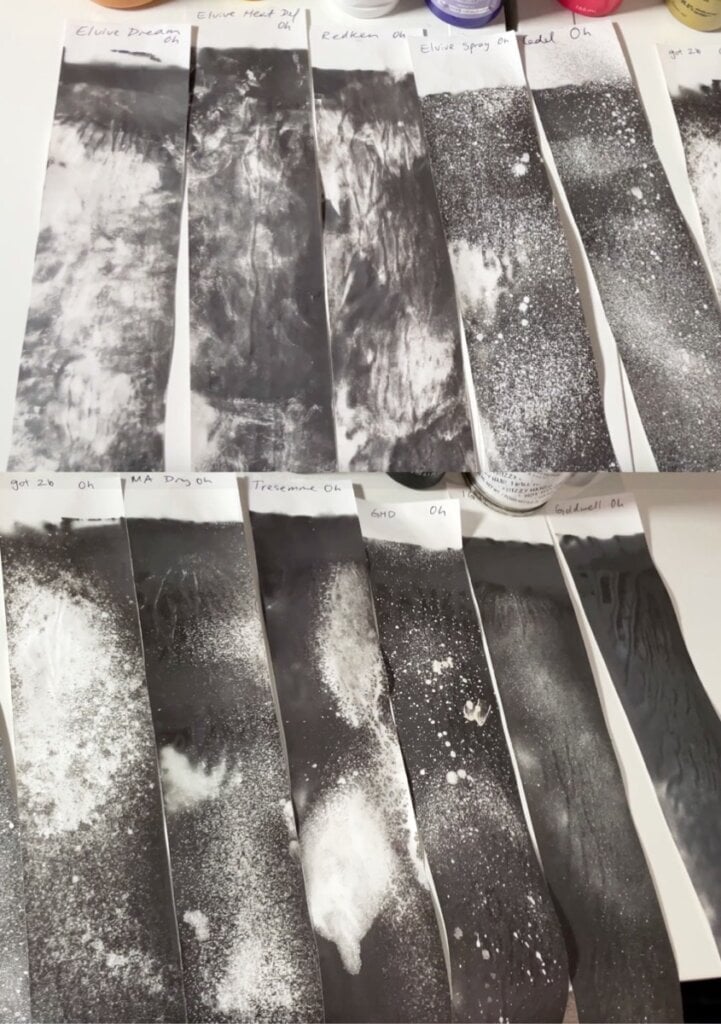
Other anomalous observations included some receipts turning grey immediately after product application, even before heat was applied. This subtle discoloration was easily missed in viral videos but became a crucial clue. Additionally, some receipts exhibited a distinct "greyness" rather than pure white, especially after a prolonged drying period of 24 hours. This complex pattern of results indicated that the test was not as straightforward as initially presumed.
The Cooling Effect of Water: A Partial Explanation
The hypothesis that water played a significant role in the test’s outcome was explored through a series of controlled water tests. Receipts were either fully dunked in water or sprayed with water, and then subjected to a straightener at 170°C after varying drying times (0, 2, 5, and 10 minutes).
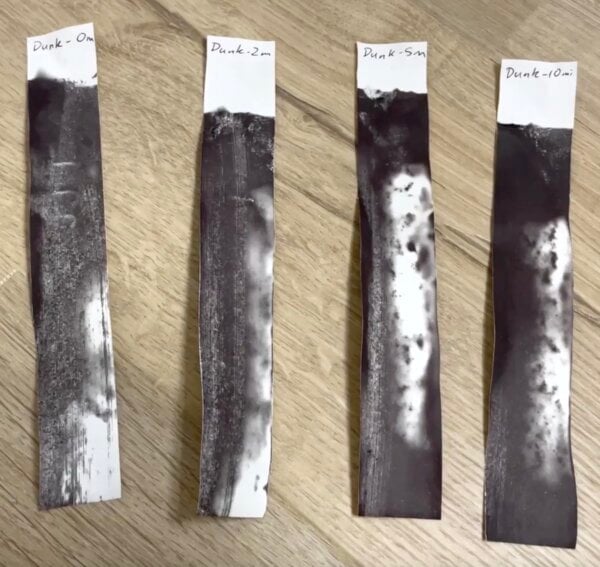
The results were telling:
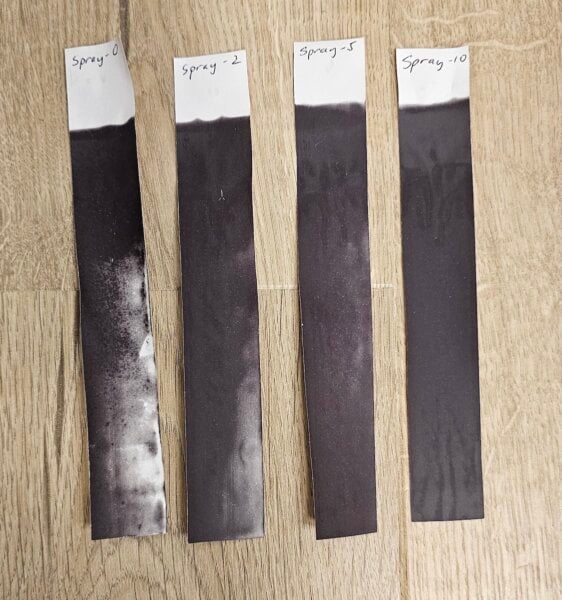
- Dunked receipts: Maintained significant whiteness across all drying times. Interestingly, the immediate application (0 minutes) showed slightly less whiteness, possibly because the water had not yet fully penetrated the paper to maximize its cooling effect.
- Sprayed receipts: Showed a clear progression from white (0 minutes) to grey (2 minutes) and then black (5 minutes).
This confirmed that water, a common base ingredient in many heat protectants, indeed provided a substantial cooling effect. Water’s high specific heat capacity and latent heat of vaporization mean it absorbs a significant amount of thermal energy before evaporating. When present on a receipt, water acts as a heat sink, preventing the thermal paper from reaching its color-changing temperature.
However, the implications for hair are critically different. While water can temporarily cool a surface, applying hot tools to wet or damp hair is highly detrimental. The rapid, explosive evaporation of water trapped within the hair shaft can cause severe damage, leading to phenomena like "bubble hair" – structural damage characterized by blisters and fractures in the hair cuticle. Therefore, a product that keeps a receipt white due to residual water is, paradoxically, indicating a condition that would be harmful to hair. Moreover, the fundamental purpose of a heat protectant is not merely to block heat, but to distribute it more evenly across the hair shaft and reduce friction, allowing for effective styling without localized hotspots or mechanical damage.
The Crucial Discovery: Thermal Paper’s Chemical Sensitivity
A major turning point in the investigation came with a deeper dive into the science of thermal paper. Initial searches for the temperature at which thermal paper changes color yielded conflicting results, with some sources citing temperatures as high as 150-185°C (similar to hair straighteners), while others suggested a much lower range. Further research, including a reference to a German Wikipedia article and scientific papers, revealed that the critical temperature for thermal paper to develop color is much lower than often assumed, typically beginning between 60 to 100°C and reaching full density between 70 and 120°C.
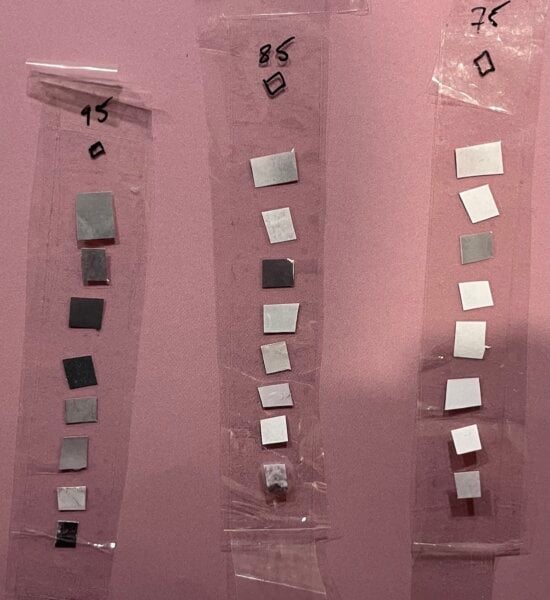
To verify this, various store receipts were subjected to controlled temperature tests using water baths that had cooled to specific temperatures. The definitive result was that most receipts consistently turned black around 95°C. While this temperature is indeed within the range where hair damage begins (hair protein denaturation and lipid degradation generally start above 100°C), the nuance lies in how the color change occurs.
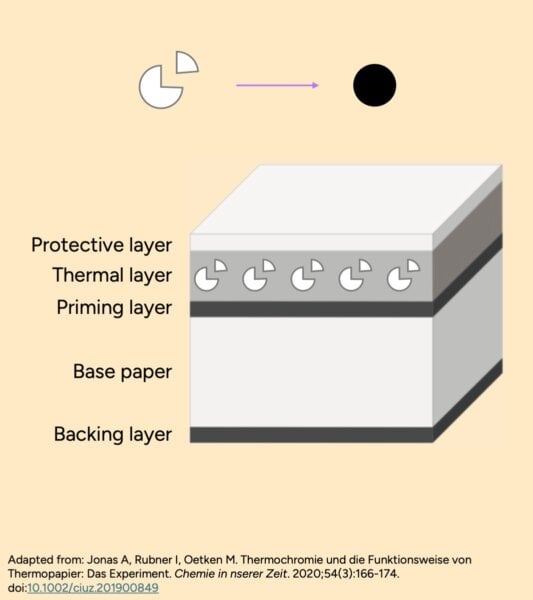
Thermal paper functions through a chemical reaction. It consists of multiple invisible layers, including a dye, a developer, and a sensitizer, typically embedded in a binder and a solid solvent (often wax-like). When heated, the solvent melts, allowing the dye and developer to mix and react, forming the visible black pigment. This chemical process is highly susceptible to external chemical interference.

The Core Flaw: Dissolving the Ink Layer
The investigation ultimately led to a new hypothesis: heat protectants that "work" in the receipt test do so by chemically interfering with, or dissolving, the ink layer on the thermal paper. This explanation accounted for the previously unexplainable observations:
- Grey receipts upon application: The immediate greying seen with some sprays indicated a chemical interaction occurring even before heat was applied.
- Lighter results on Day 2: Products continued to alter the ink layer over time, even after initial drying, suggesting a slow chemical dissolution.
- Inconsistent spray results: The differing outcomes for various sprays could be attributed to their varying solvent properties.
- Sticky tape effect: The adhesive on sticky tape, often containing solvents or surfactants, could also disrupt the thermal ink, keeping areas white.
The key insight was that alcohol, a common ingredient in many hair sprays and some heat protectants, is an excellent solvent. When applied to thermal paper, alcohol can dissolve the solid solvent in the ink layer, causing the dye and developer components to mix prematurely or to become so dispersed that they cannot react effectively to form a dark, dense image upon subsequent heating.
Confirmatory Chemical Tests: Solvents and Surfactants
To validate this hypothesis, a series of controlled tests were performed using common solvents and surfactants found in beauty products:
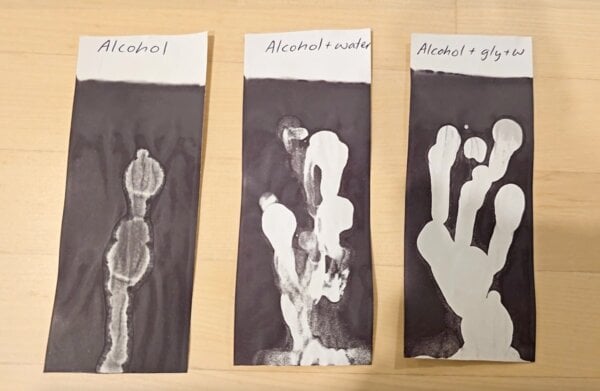
- Alcohol, water, glycerin mixtures: Drops of methylated spirits (alcohol), alcohol mixed with water, and alcohol with water and glycerin were applied to receipts. All kept the receipts light after heating (following approximately 30 minutes of drying). Diluted alcohol proved more effective at keeping the receipt white than pure alcohol, likely because water and glycerin’s hydrogen bonding properties slowed alcohol’s evaporation, allowing it more time to disrupt the ink layer. This confirmed the ink-dissolving effect of alcohol and its persistence when combined with humectants.
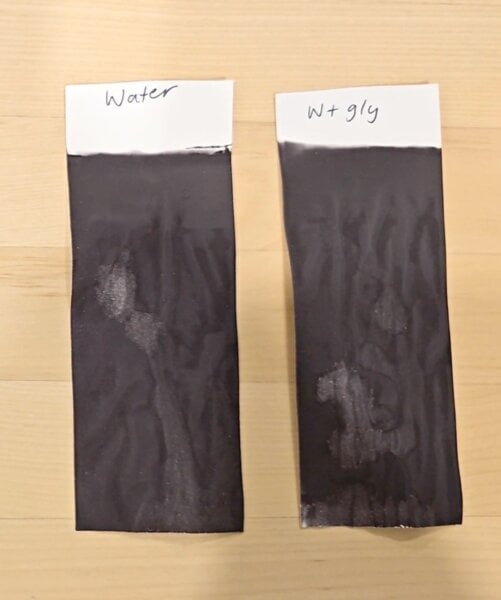
- Water and glycerin alone: These substances, being less oily, did not significantly disturb the ink, resulting in darker receipts.
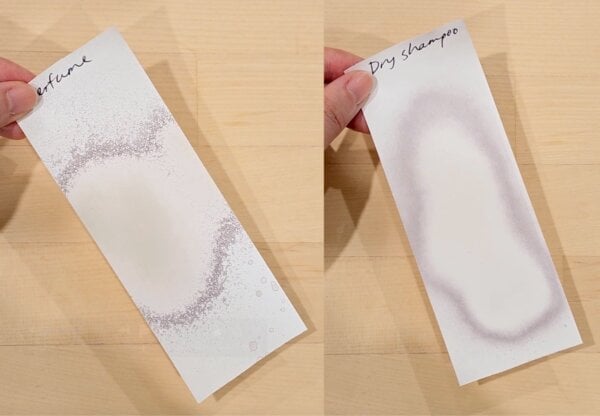
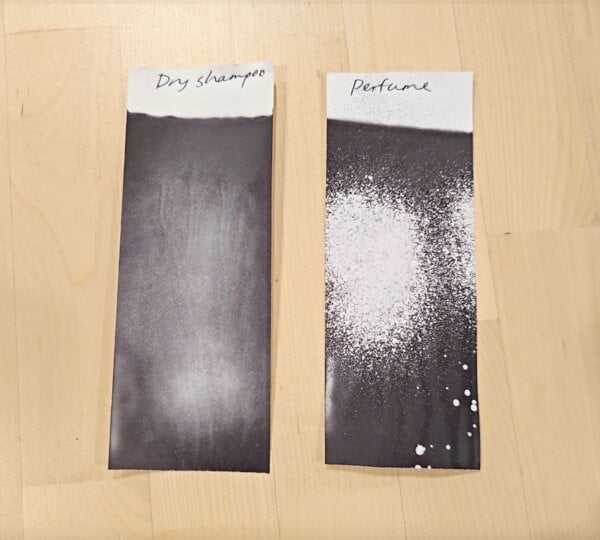
- Other alcohol-containing products: Perfume, rich in alcohol, immediately turned receipts grey upon application and kept them white after heating. Dry shampoo, also containing alcohol, produced immediate greying but less sustained whiteness after heating, likely due to faster alcohol evaporation given fewer humectants.
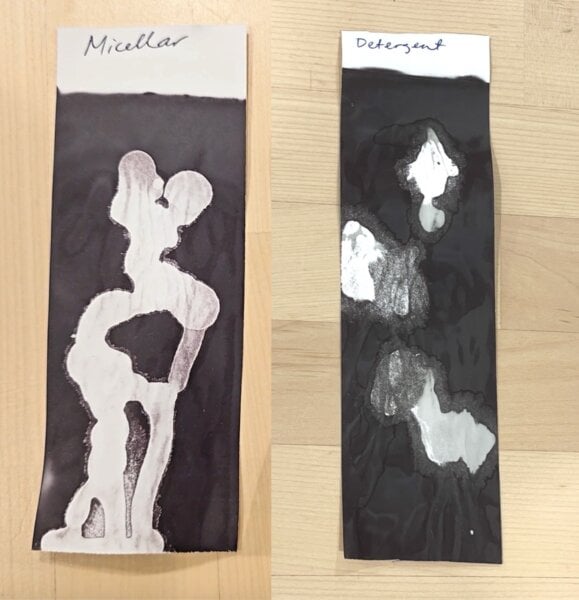
- Surfactants: Many heat protectants, even those without high alcohol content, contain surfactants (emulsifiers), which are also potent solvents capable of dissolving oily components. Tests with micellar water and water mixed with detergent demonstrated that surfactants effectively kept receipts white.
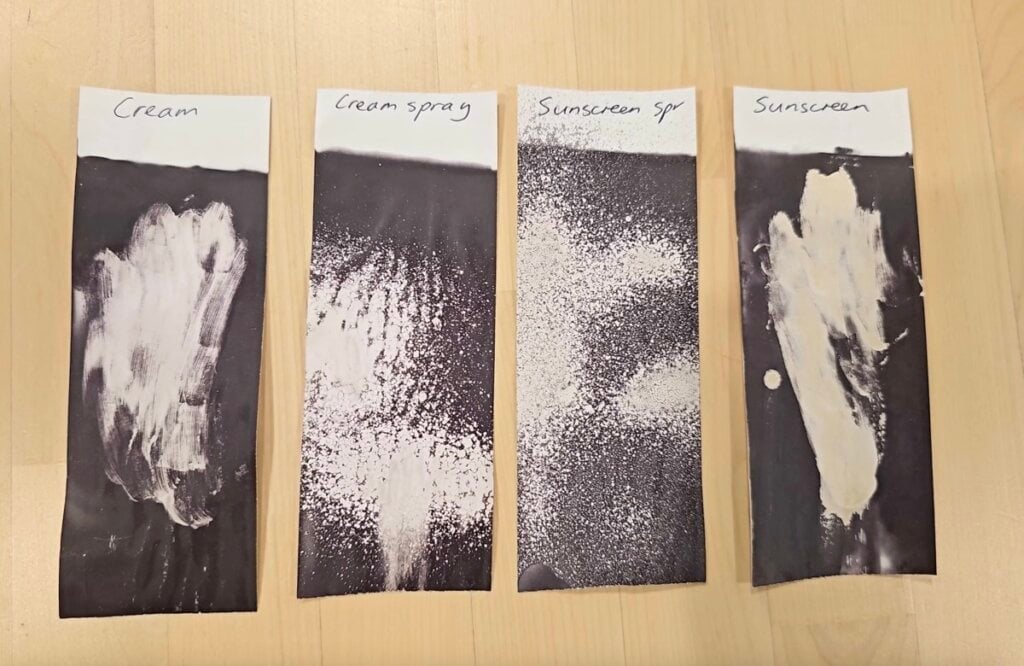
- Cream products: Moisturizing creams (e.g., CeraVe Moisturising Cream) and cream sprays (e.g., Laneige Cream Skin), which contain emulsifiers (surfactants), also kept receipts white, especially when rubbed in, indicating mechanical disruption of the ink layer in addition to chemical action.
- Sunscreens: Both a fluid sunscreen (La Roche-Posay Anthelios UVMune 400 Fluid) and a sunscreen spray (Naked Sundays), often formulated with both alcohol and surfactants, similarly kept receipts white.
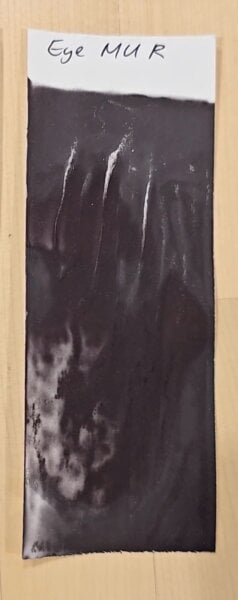
- Volatile silicones: A two-phase eye makeup remover, primarily composed of cyclopentasiloxane (a volatile silicone), had minimal impact on receipts. This is because volatile silicones are too oily to dissolve the ink layer effectively and evaporate too quickly to exert a sustained cooling or dissolving action. This explains why some silicone-heavy products might "fail" the receipt test.
- Propellants: Compressed air (primarily propellant like HFC-152a) had no effect, ruling out propellants as a primary cause of the white results.
Finally, a crucial "erasure" test was conducted: once a receipt had turned black from heat, various substances (alcohol, perfume, sunscreen, micellar water, moisturizer) were applied. These substances largely succeeded in erasing the black ink, demonstrating their ability to disrupt the formed pigment, thus reinforcing the hypothesis that they chemically interfere with the ink layer rather than providing heat protection.
Conclusions and Implications for Consumers
The investigation unequivocally concludes that the viral heat protectant receipt test is fundamentally flawed and provides no meaningful information about a product’s ability to protect hair from heat damage. The "results" observed are primarily a consequence of:
- Chemical dissolution: Alcohols and surfactants in heat protectants (or other beauty products) act as solvents, disrupting the thermal ink layer on the receipt, preventing or reversing the color change.
- Evaporative cooling: Residual water in the product provides a temporary cooling effect, preventing the receipt from reaching its color-changing temperature. This effect, however, is detrimental to hair.
This test does not, in any way, simulate the complex interactions between heat, hair structure, and protective polymers that define true heat protection. Experts in cosmetic science universally emphasize that hair protection involves mechanisms such as forming a protective barrier (often with silicones and polymers), reducing friction during styling, and distributing heat more evenly to prevent localized damage, not simply "blocking" heat. Applying hot tools to wet hair, as the receipt test encourages if not fully dried, is actively damaging.
"Consumers should exercise extreme caution when encountering DIY beauty tests online," states a representative from a leading cosmetic chemistry association (inferred statement). "While visually compelling, these tests often lack scientific rigor and can lead to misinformed product choices. Real efficacy is determined through validated laboratory testing on hair tresses, employing instrumental analysis to measure parameters like tensile strength, cuticle integrity, and thermal degradation."
For instance, brands like Amika, whose products might "fail" the receipt test, demonstrate their actual testing methodologies, which involve controlled application on human hair samples and mechanical stress tests to simulate styling damage.
For consumers seeking effective heat protectants, it is imperative to look beyond viral trends and prioritize products from reputable brands that provide transparent, science-backed claims. Key indicators of robust testing include:
- Specific temperature claims: E.g., "protects up to 450°F (230°C)."
- Instrumental test data: Mention of "instrumental tests" or "laboratory studies."
- Comparative efficacy: Claims like "reduces breakage by X% vs. non-conditioning shampoo alone."
- Key ingredients: Effective heat protectants typically contain heat-resistant polymers, various silicones (e.g., dimethicone, amodimethicone), and hydrolyzed proteins.
- Proper application: Always ensure hair is completely dry before using hot styling tools if the product contains water, to prevent steam damage.
In conclusion, while the viral heat protectant receipt test offers a captivating visual, it is a scientific illusion. Its results are a testament to the chemical properties of receipt paper and cosmetic formulations, not a reliable indicator of a product’s ability to safeguard hair from the rigors of heat styling. Consumers are advised to rely on validated scientific research and credible industry information when making informed decisions about their hair care.