

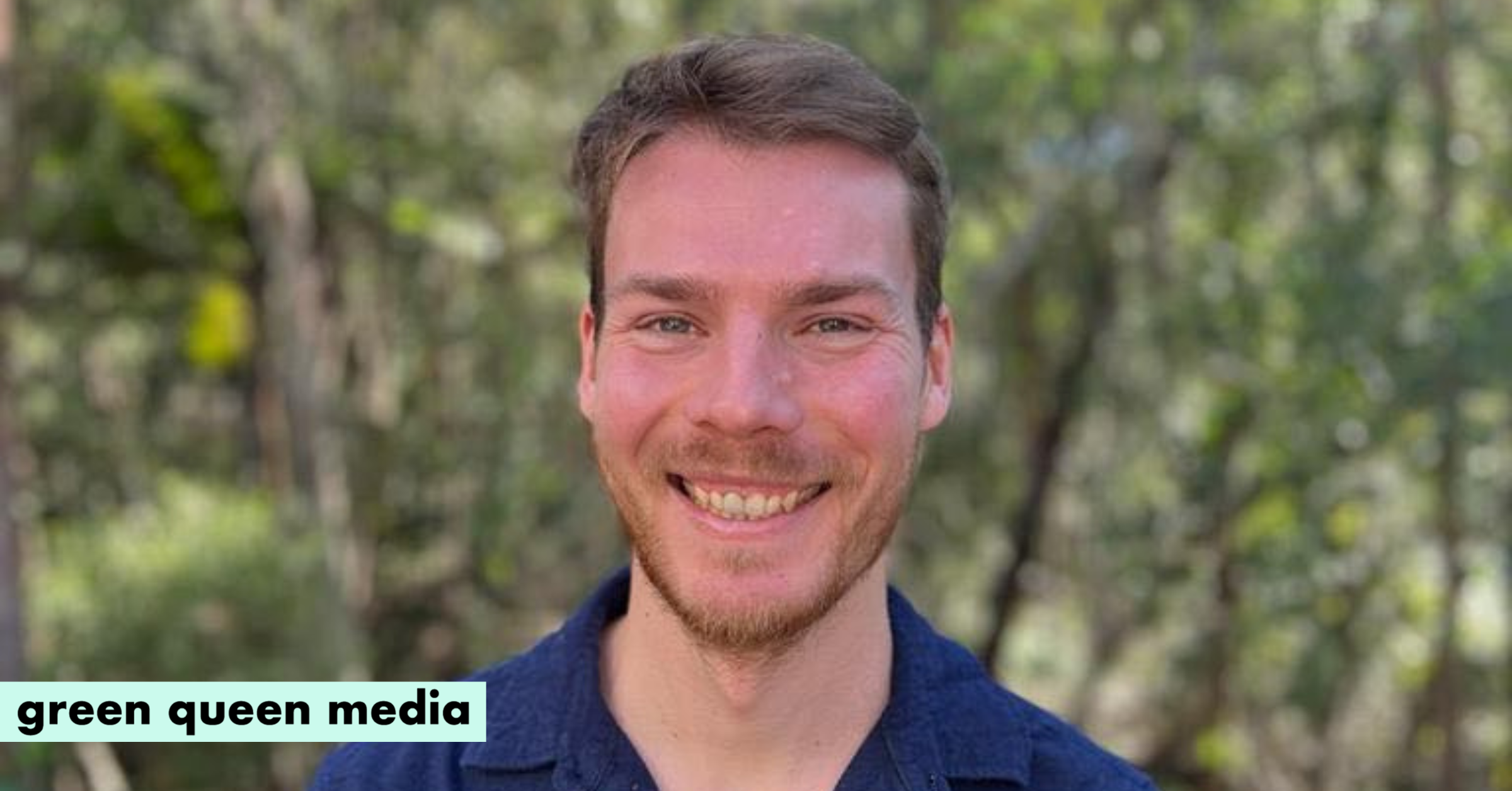
Dr. David Fechner of the University of Queensland is spearheading a groundbreaking behavioural science project, bolstered by a significant A$904,000 grant from the Australian Government and industry partners. This initiative, funded through the prestigious Australian Research Council (ARC) Early Career Industry Fellowships program, aims to fundamentally alter how Australians make food choices, prioritizing sustainability and health without compromising on taste, affordability, or cultural familiarity. The project, a three-year collaboration, is set to tackle some of the most persistent challenges in encouraging widespread adoption of plant-forward diets within the foodservice sector.
Each year, the Australian government identifies and supports 50 promising early-career researchers through the ARC’s Early Career Industry Fellowships. This program is designed to foster robust collaborations between academic institutions and industry leaders, addressing critical national issues through innovative research. For the 2025 cohort, Dr. Fechner was selected as a Fellow, forging a vital partnership with key players in the Australian food landscape. These partners include Compass Group Australia, the world’s largest foodservice provider; v2food, a leading Australian manufacturer of alternative protein products; and Food Frontier, a prominent think tank dedicated to advancing the alternative protein sector. This alliance brings together expertise from academic research, large-scale food service operations, innovative food manufacturing, and strategic policy advocacy.
The substantial A$904,000 in funding, with A$513,000 directly from the Australian Government, underscores the national imperative to address dietary habits. Current Australian dietary patterns fall significantly short of recommended health and environmental benchmarks. On average, Australians consume approximately three times the recommended amount of meat and 30% fewer vegetables than advised by guidelines such as the EAT-Lancet Planetary Health Diet. Furthermore, legume consumption also lags behind recommendations, highlighting a critical gap in balanced and sustainable nutrition. This project seeks to bridge that gap by making sustainable and healthy food choices the default, appealing option.
"This grant is a major milestone in our commitment to environmental sustainability and will help inform our global journey to Climate Net Zero by 2050," stated Jonny Neech, general manager of marketing and engagement at Compass Group Australia. His endorsement highlights the alignment of the project’s objectives with the corporate sustainability goals of major industry players, signalling a strong commitment to driving real-world change.
The multidisciplinary team, comprising experts in behavioural science, marketing, culinary arts, nutrition, and food science, will dedicate the next three years to rigorously testing novel behavioural change interventions. These interventions will be deployed across a diverse range of dining environments, from the unique logistical challenges of remote mining camps to the high-volume, fast-paced settings of major sporting events and corporate canteens. The project’s scope is ambitious, aiming to unearth practical, evidence-based solutions to complex questions surrounding sustainable food consumption and consumer behaviour.
Addressing the Male Consumption Gap: Encouraging Plant-Forward Choices
A central focus of the project is to understand and overcome the specific barriers to plant-forward eating among men. Data consistently shows that men, on average, consume significantly more meat than women. This disparity is often linked to the cultural association of meat consumption with traditional notions of masculinity. Messaging that advocates for reducing meat intake can inadvertently trigger a defensive response in some men, who may perceive it as a personal restriction or an infringement on their autonomy.
This phenomenon is rooted in the psychological concept of psychological reactance, a state of irritation or defiance that arises when individuals feel their freedom of choice is threatened. When faced with perceived limitations, individuals may actively resist the suggested behaviour. The project will therefore explore "reactance-free" strategies designed to frame plant-forward meals as empowered, self-directed choices. The objective is to develop approaches that support individual autonomy, resonate with masculine identities without reinforcing harmful stereotypes, and position plant-forward options not as sacrifices, but as desirable, delicious alternatives.
Enhancing Acceptance of Blended Meat Products
Blended meat products, which ingeniously combine animal and plant-based ingredients, represent a crucial pathway to reducing the environmental impact of food without drastically altering taste, familiarity, or the operational efficiencies of foodservice providers. Blind taste tests have consistently demonstrated that consumers find these blended products highly palatable, often rating them on par with traditional meat products.
However, a significant hurdle emerges once consumers become aware that a product is "blended." This knowledge can lead to a marked decrease in perceived taste and a subsequent drop in demand. The project aims to address this "awareness gap" by identifying effective menu design strategies and communication tactics. The goal is to enable foodservice providers to confidently introduce and promote blended products, mitigating the negative impact of consumer perception and fostering wider acceptance.

Tim York, CEO of v2food, expressed enthusiasm for the collaborative nature of the initiative: "We’re excited to be part of a project that brings together a multidisciplinary team—from behavioural science and marketing to culinary arts, nutrition, and food science—to accelerate the shift towards sustainable eating." This statement underscores the industry’s recognition of the need for integrated solutions.
The Power of Stacked Interventions: Amplifying Behavioural Change
It is widely acknowledged within behavioural science that most interventions, when implemented in isolation, yield only modest effects. For instance, environmental labels, while extensively studied and widely applied, often struggle to significantly alter ingrained meat-consumption habits. Their impact can be limited by their inability to disrupt long-standing routines and preferences.
This observation leads to a critical research question: Can the combination of multiple behavioural change interventions produce a more substantial and lasting impact? Stacking interventions, such as pairing environmental labelling with habit-breaking strategies or nudges, presents a complex but potentially powerful approach. However, the feasibility of rigorously testing such combined strategies is often limited in traditional research settings.
Compass Group Australia’s extensive network of dining venues provides an unparalleled real-world laboratory for this project. This vast infrastructure allows for the systematic testing of how various interventions—including menu design, pricing strategies, and information-based nudges—interact when deployed in combination. The project will systematically explore how these stacked interventions can synergistically drive greater shifts towards sustainable food choices.
Developing an Industry-Wide Playbook for Sustainable Eating
A core outcome of this three-year project will be the creation of a publicly accessible, evidence-based playbook. This comprehensive guide will serve as a practical resource for the entire foodservice sector, equipping businesses with proven strategies to encourage more sustainable food choices. The playbook will offer detailed, step-by-step implementation instructions, real-world case studies from the project’s interventions, and practical insights tailored for foodservice operators of all scales.

David Bucca, interim executive chair at Food Frontier, emphasized the project’s practical utility: "The practical, applicable insights this project will deliver—helping providers make it easier for Australians to choose more plant-based foods, more often—is exactly what the foodservice sector needs." This highlights the project’s direct relevance and potential to catalyze widespread industry adoption of sustainable practices.
This national endeavour is poised to become one of the most significant real-world experiments globally in influencing dietary patterns. Its success could establish a robust model for how collaborative efforts between behavioural science research and industry can accelerate the transition to healthier, lower-emission diets. By providing actionable insights and proven strategies, the project aims to fundamentally shift how Australians eat, plate by plate, contributing to both individual well-being and planetary health. The research timeline is set to unfold over three years, commencing in 2025, with findings anticipated to be disseminated through the playbook and academic publications thereafter. This phased approach ensures that interventions are rigorously tested and refined before being widely adopted. The project’s implications extend beyond Australia, offering a blueprint for global food systems seeking to embrace sustainability and healthier eating habits.