
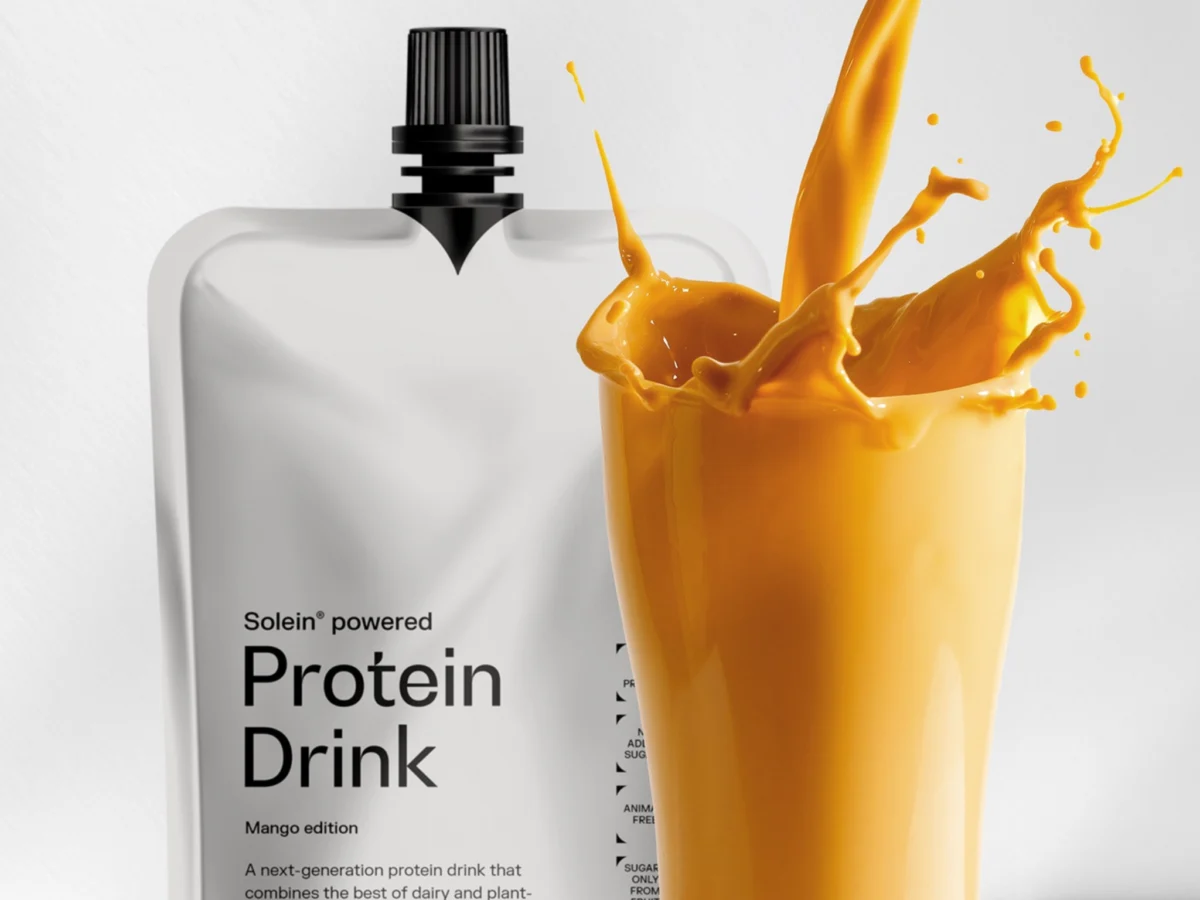
Solar Foods has unveiled Solein Protein Drink, a new concept product for its gas protein, which contains significantly less natural sugars than animal- or plant-based counterparts.
Following successful showcases of innovative food prototypes, including protein powders, mayonnaise, and cream, Finnish food-tech pioneer Solar Foods is now making a significant entry into the burgeoning protein beverage market with its revolutionary CO2-derived protein, Solein. This strategic move capitalizes on a rapidly expanding global demand for high-protein options, driven by evolving consumer health consciousness and a growing preference for sustainable ingredients.
The market for high-protein drinks has experienced explosive growth, with data from Innova Market Insights revealing a 122% surge between 2020 and 2024. This expansion is largely attributed to increasing consumer interest in muscle building and the strong demand from Generation Z for products made with natural, ethically sourced ingredients. In the United States alone, nearly one in five consumers now relies primarily on protein-fortified foods and beverages to meet their daily protein requirements. This trend has spurred major beverage companies like Starbucks, Barebells, and Pure Genius to introduce a diverse array of protein-boosted products, ranging from lattes and flavored milks to convenient, pocket-sized protein shots.
Solar Foods identifies the ready-to-drink (RTD) protein beverage segment as the fastest-growing within this dynamic market. To address this specific demand, the company has developed its latest concept product, Solein Protein Drink, which will be formally introduced at the prestigious Future Food-Tech conference in San Francisco, taking place from March 19th to 20th.
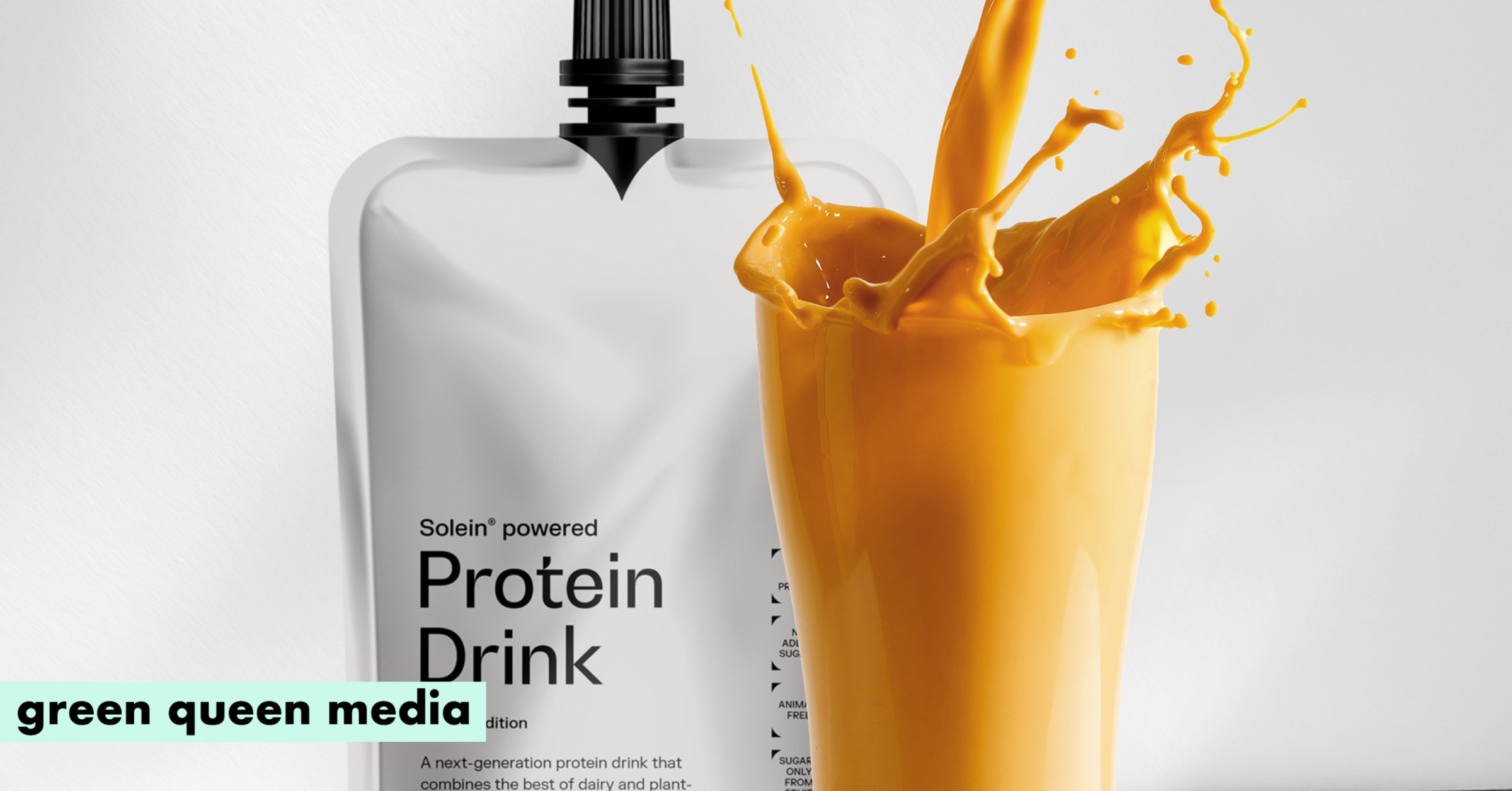
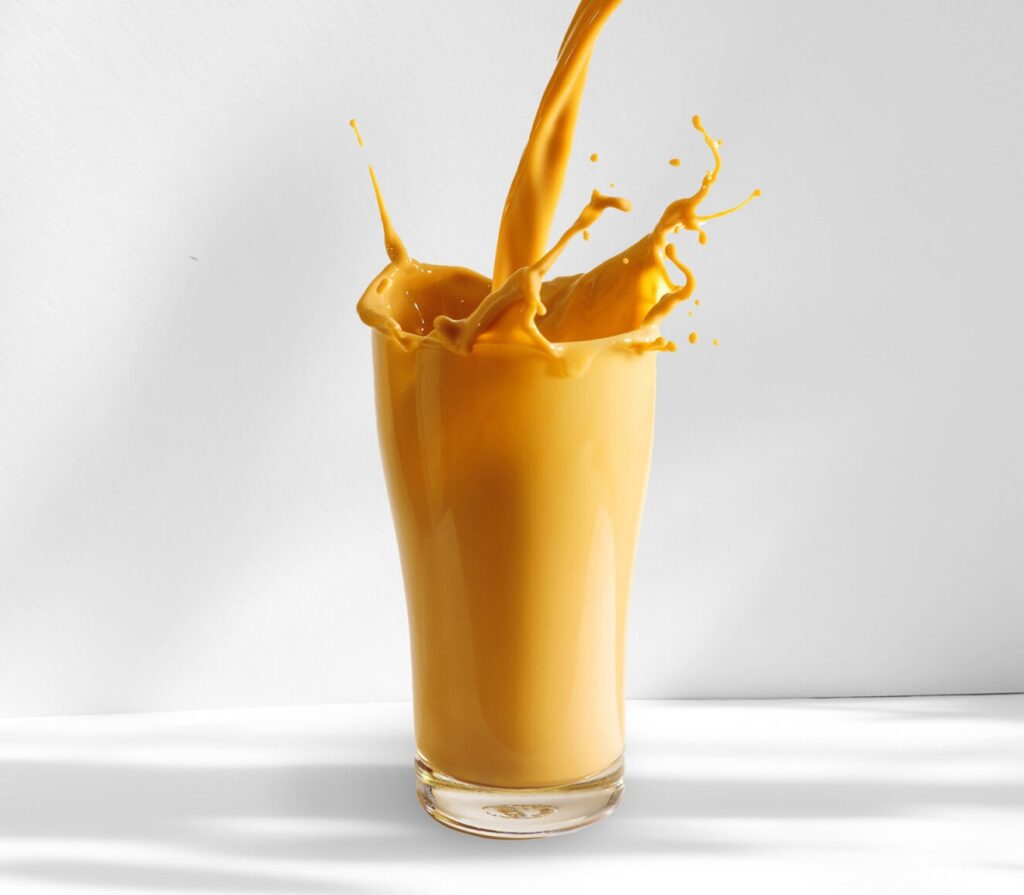
A key distinguishing feature of this innovative beverage is its exceptionally low natural sugar and carbohydrate content. This characteristic not only aligns with growing consumer concerns about sugar intake but also positions Solein Protein Drink as a highly versatile ingredient capable of being integrated into "endless flavour combinations." As a demonstration of its potential, Solar Foods has presented a mango-flavored variant. This prototype offers an impressive 12 grams of protein, 4 grams of fat, and 2 grams of fiber per 250ml serving, all within a modest 90-calorie count. This formulation strategically pairs Solein with mango purée, rapeseed oil, flavorings, stabilizers, sweeteners, and salt, showcasing a balanced nutritional profile.
Solar Foods: Empowering Product Development with a Novel Protein Source
The development of the Solein Protein Drink underscores Solar Foods’ commitment to facilitating product innovation for its clients. The company aims to provide a significant advantage to food and beverage manufacturers by offering a novel, sustainable, and highly functional protein ingredient that addresses current market demands and anticipates future trends.
Solein itself is a unique, powdered ingredient produced through an advanced fermentation process. Unlike traditional protein sources that rely on agriculture, Solein is cultivated by feeding specially selected microbes on gases such as carbon dioxide, hydrogen, and oxygen, in place of sugars. This groundbreaking method results in a nutrient-rich product with a distinctive deep-yellow hue and a dramatically reduced environmental footprint compared to both animal and plant-based proteins.
The primary raw materials for Solein production are carbon dioxide and renewable energy. This process generates emissions equivalent to just 1% of those produced by conventional meat production and approximately 20% of those from plant proteins. Projections from Solar Foods indicate that substituting a kilogram of whole milk with Solein could lead to a saving of 20 kilograms of CO2 equivalent (CO2e). This significant reduction in greenhouse gas emissions positions Solein as a critical tool in the global effort to combat climate change.
Furthermore, the fermentation process bypasses the need for arable land and extensive water consumption, common limitations in conventional agriculture. The scalability of this technology to industrial production levels ensures a consistent, year-round supply that is resilient to climate fluctuations and farming cycle uncertainties. This makes Solein an exceptionally reliable and sustainable protein source for the global food industry.
The Nutritional Superiority and Versatility of Solein
The nutritional profile of Solein is remarkably comprehensive. As a dry powder, it boasts an impressive 78% protein content, 6% fat, and 10% dietary fiber. Its macronutrient composition is comparable to that of dried soy or algae. A significant advantage over most animal proteins is its absence of cholesterol and saturated fat. Moreover, unlike many plant proteins, Solein is naturally rich in essential nutrients like iron and vitamin B12, making it a truly complete protein source.
Godert Zijlstra, Chief Commercial and Product Officer at Solar Foods, emphasized the transformative nature of their innovation. "With Solein, we are bringing a completely new harvest to humankind – high-quality nutrition without the use of land and animals," he stated. "Even though Solein is extremely functional and easy to use, we want to help our customers integrate this new protein source into their product pipelines. We develop our own prototypes to give our customers a head start in their own product development work of creating final products for consumers."
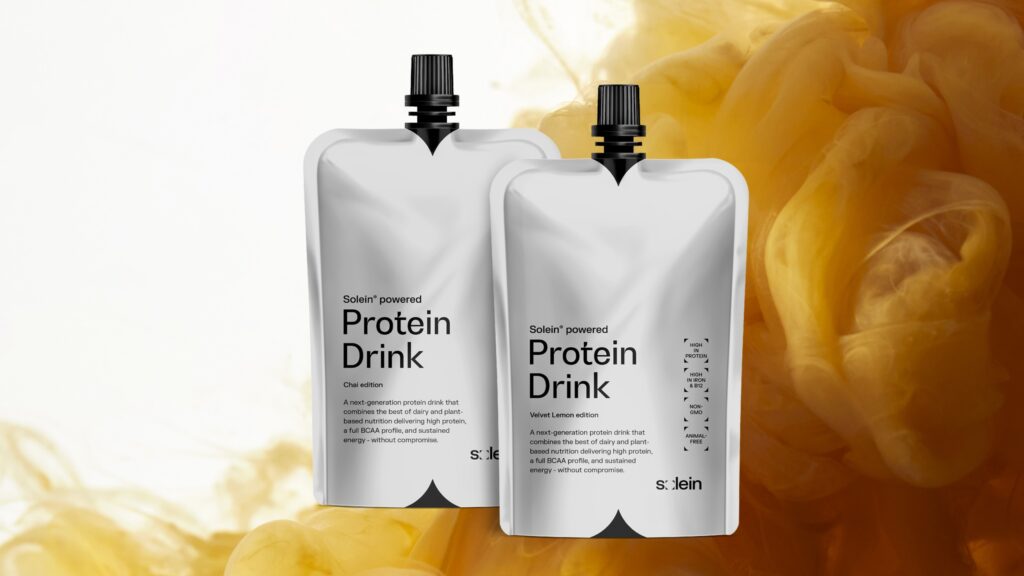
The Solein Protein Drink represents the latest embodiment of this strategy. It is characterized by a rich, creamy texture and a notably lower concentration of natural sugars and carbohydrates compared to its animal and plant-based counterparts. As a complete protein, it delivers 43% of its protein content from essential amino acids and 20% from branched-chain amino acids (BCAAs), which are crucial for muscle repair and recovery.
The protein content in the RTD drink can be tailored to specific product requirements, ranging from 12 to 21 grams per 250ml serving. The mild, neutral taste of Solein further enhances its appeal, allowing for seamless integration into a wide array of beverage flavors. Solar Foods has demonstrated its potential in popular profiles such as chocolate, vanilla, chocolate-raspberry, lemon, chai, and mango, showcasing its adaptability to diverse consumer preferences.
Enhancing Liquid Applications: The Evolution of Solein’s Solubility
Solar Foods has dedicated significant research and development efforts to optimize Solein for liquid applications, particularly for the protein beverage market. A key breakthrough has been the enhancement of Solein’s solubility and smoothness, addressing a critical factor for achieving a desirable mouthfeel in drinks.
"Thanks to Solein’s mild taste and great functionality, it matches the freshness and usability of whey, while bringing the upsides of sustainability as well as price and quality stability, offering an excellent protein source for products in the health and performance nutrition category," explained Zijlstra.
A notable advantage of Solein is its compatibility with Ultra-High Temperature (UHT) processing. This widely used method in the food industry for protein drinks allows for ambient temperature storage, extending shelf life and reducing logistical costs. Crucially, Solar Foods reports that UHT treatment does not negatively impact the taste or smell of products formulated with Solein, overcoming a common challenge faced by many dairy-based protein sources.
The Growing Demand for Protein and Animal-Free Alternatives
The consumer landscape is increasingly prioritizing protein intake. A recent survey indicates that nearly three in five Americans (57%) plan to prioritize protein in their diet this year, citing increased energy levels (52%), muscle building (51%), and weight management (48%) as primary motivations. This trend is particularly pronounced among younger consumers, with 43% willing to pay a premium for protein-enhanced products, a figure rising to 54% among this demographic.
The recent surge in the use of GLP-1 medications, which can lead to significant muscle mass reduction (ranging from 5-40% over 8-16 months), further amplifies the importance of adequate protein intake for maintaining muscle health during weight management. This medical trend is a significant, albeit indirect, driver for the increased demand for protein-rich foods and beverages.
"Protein drinks are not just for boosting performance: they are becoming increasingly popular also as meal replacements or snacks throughout the day," Zijlstra noted. "Usually made with dairy-based milk protein or whey protein, there is a growing consumer demand for animal-free alternatives. Also, the demand for high-quality whey protein in this category is outgrowing supply." This supply-demand imbalance for conventional whey protein further bolsters the market opportunity for sustainable, novel protein sources like Solein.
Solar Foods continuously refines its ingredient based on customer feedback and market needs. "We continuously develop Solein according to customers’ wishes," Zijlstra elaborated. "We have now refined Solein’s suitability for liquid applications and improved the powder’s solubility so that it gives end products a velvety smooth texture. This has led to smoother and faster dissolution [in] liquids and made the Solein powder easier to handle."
A Global Footprint and Future Expansion
Solein has already secured regulatory approval for sale in Singapore and the United States. Its commercialization has seen successful integration into a variety of food products, including chocolate snack bars, mooncakes, ice cream, and dairy-free lattes paired with beanless coffee. The ingredient is set to make a significant US debut this year. This will include its inclusion in a line of ready-to-mix protein powders under the Pothos PRVL brand and a range of gluten-free protein bars by Fermenta.
The introduction of the Solein Protein Drink concept at the Future Food-Tech conference signifies a strategic push into a high-growth market segment. By offering a sustainable, nutritionally superior, and versatile protein ingredient, Solar Foods is not only addressing current market demands but also paving the way for a future of food production that is less reliant on traditional, resource-intensive methods. The company’s innovative approach to protein production has the potential to reshape the beverage industry and contribute to a more sustainable global food system.