
The Genesis of the Controversy: Misinformation and Public Concern
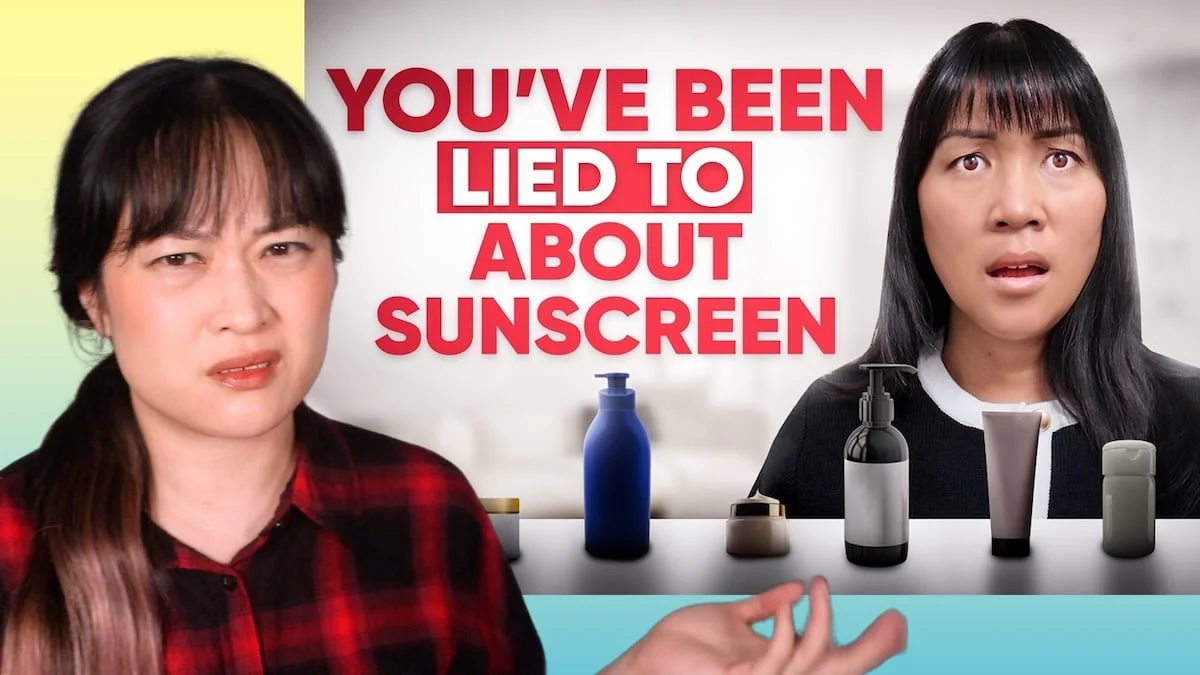
The debate surrounding retinyl palmitate in sunscreens is not new, tracing its roots back to early scientific investigations and later amplified by a burgeoning "clean beauty" movement that often prioritizes natural ingredients and perceived chemical avoidance over established toxicological principles. In recent years, public concern over cosmetic ingredient safety has surged, fueled by social media, influencer marketing, and the widespread dissemination of information that, while often well-intentioned, can lack scientific rigor. Organizations like the EWG have played a significant role in shaping public perception, often issuing warnings based on preliminary studies or extrapolations that may not fully account for real-world application conditions or the totality of scientific evidence. Dr. Burkart’s recent video served as a catalyst, bringing these long-standing concerns to a wider audience, presenting them as newly unveiled truths about sunscreen toxicity. Her video specifically highlighted retinyl palmitate as a "shocking" ingredient that could paradoxically promote skin cancer, contrary to sunscreen’s intended purpose.
Unpacking the Claims: The Alleged Dangers of Retinyl Palmitate
Dr. Burkart’s argument, echoing sentiments found in various "clean beauty" narratives, centered on the purported instability of retinyl palmitate when exposed to sunlight. She stated, "Retinyl palmitate is a synthetic form of vitamin A that’s often added to sunscreens for its so-called anti-aging benefit. You’ll see it often promoted as helping to reduce wrinkles or even to improve the texture of your skin." However, her core contention was its alleged danger: "When exposed to sunlight, retinyl palmitate becomes highly unstable, breaks down into free radicals, which are extremely reactive. These free radicals damage DNA and lipids, as well as proteins, accelerate skin aging and may even increase the risk of tumor formation over time." She further cited studies, claiming, "In fact, studies show that retinyl palmitate when applied to the skin and exposed to sunlight generates reactive oxygen species or ROS and lipid peroxides, two well-established drivers of oxidative stress and photocarcinogenesis, which is the formation of cancer in response to sunlight."
The evidence typically cited by proponents of this caution falls into three main categories:
- In vitro experiments: Test tube studies, such as one published by Tolleson et al. in 2005, have indeed shown that retinyl palmitate can break down under UV exposure, forming reactive oxygen species (ROS). These ROS are known to damage cellular structures, including DNA, contributing to oxidative stress—a mechanism implicated in the development of various cancers, including skin cancer.
- Cell studies: Research involving cells grown in petri dishes, like the 2005 study by Mei et al., indicated that cells exposed to UV radiation mutated at a higher rate when retinyl palmitate was present. This suggests a potential for genotoxicity under specific experimental conditions.
- Animal studies: The most frequently referenced piece of evidence is a 2012 study conducted by the National Toxicology Program (NTP) in the United States. Dr. Burkart specifically highlighted this, stating, "What’s even more concerning is that animal studies conducted by the National Toxicology Program found that mice whose skin was treated with retinyl palmitate and exposed to sunlight (simulated sunlight) developed significantly more skin tumors than those animals who were not exposed to the same ingredient, but still had the simulated sunlight." These findings, she argued, underscore a serious and overlooked risk associated with the ingredient’s widespread use in sunscreens.
The Expert Rebuttal: Context and Comprehensive Scientific Review
While these isolated findings might appear concerning, the scientific community, particularly regulatory bodies and toxicology experts, emphasize the critical importance of context, experimental design, and the totality of evidence. The joint response from Dr. Wong and Mohammed Kanadil, bolstered by independent peer review, systematically addresses each point raised by Dr. Burkart and the broader "clean beauty" narrative. Their central argument is that comprehensive safety assessments, conducted by highly qualified scientific committees, have already considered and contextualized these studies, concluding that retinyl palmitate remains safe for use in sunscreens.
Regulatory Scrutiny: The European Union’s SCCS Assessment
A cornerstone of the rebuttal rests on the rigorous evaluations performed by the European Union’s Scientific Committee on Consumer Safety (SCCS). The SCCS is an independent panel of leading scientists, predominantly toxicologists, tasked with providing scientific opinions on the safety of cosmetic ingredients for consumers. Their assessments are renowned for their depth and stringency, involving a meticulous review of all available scientific literature, including studies often cited by critics.
The SCCS first issued an opinion on Vitamin A (Retinol, Retinyl Acetate, Retinyl Palmitate) in October 2016 and subsequently published a revised opinion in October 2022. Both reports concluded that retinyl palmitate is safe for use in sunscreens. The SCCS specifically evaluated the NTP mouse study and other in vitro and cell studies, outlining several key reasons why these findings do not translate into a human health risk under normal use conditions:
-
Limitations of In Vitro Experiments: Test tube studies, while useful for initial screening, fundamentally lack the biological complexity of living skin. In an in vitro environment, retinyl palmitate might indeed behave differently when isolated. However, human skin is a sophisticated organ rich in endogenous antioxidants (like vitamin E, vitamin C, and various enzymes) and other protective mechanisms. Within this intricate biological matrix, retinyl palmitate, a derivative of vitamin A, often acts as an antioxidant itself, helping to neutralize free radicals rather than generating them. The SCCS emphasized that extrapolating direct risk from isolated chemical reactions in a test tube to a complex biological system like human skin is scientifically unsound without further validation.
-
Species Differences: The Hairless Mouse Model: The NTP study, a critical piece of evidence for the critics, utilized hairless mice (SKH-1 strain). These mice are specifically bred for extreme sensitivity to UV radiation, making them an accelerated model for studying photocarcinogenesis. This sensitivity means they develop skin tumors much faster and more readily than humans, allowing researchers to observe effects in a shorter timeframe. However, this also implies significant physiological differences from human skin, which is considerably more robust and adapted to sunlight exposure. Human skin possesses superior protective mechanisms, including a thicker stratum corneum, more efficient DNA repair pathways, and a higher concentration of natural photoprotectants. Therefore, results from such a highly sensitive animal model cannot be directly extrapolated to human risk without careful consideration and additional human-relevant data.
-
Real-World Clinical Evidence: Retinoids as Protective Agents: Dermatologists have been utilizing various retinoids (including retinol and tretinoin, which share similar metabolic pathways and potential for free radical generation in vitro) for over 50 years, not only for anti-aging and acne treatment but also for the prevention and treatment of certain skin cancers and pre-cancerous lesions. Patients using retinoids are often under close dermatological supervision, providing a vast, long-term dataset for observing any adverse effects. If retinoids were genuinely photocarcinogenic in humans, a significant increase in skin cancer rates among these patients would have been observed and widely reported in clinical literature. The absence of such findings in decades of clinical practice strongly contradicts the claims of increased skin cancer risk.
-
Anomalies in the NTP Mouse Study: The SCCS and other experts identified peculiar aspects within the NTP mouse study that further undermined its direct applicability. For instance, the study showed that more UV exposure sometimes led to fewer tumors, an anomalous result inconsistent with known photocarcinogenesis mechanisms. Moreover, the control cream, which contained no retinyl palmitate but shared the same base formulation, also resulted in an increased incidence of tumors compared to untreated mice. This suggested that another ingredient in the cream’s base, diisopropyl adipate, might have been responsible for the observed photosensitivity in the hairless mice, rather than retinyl palmitate itself. Crucially, diisopropyl adipate has also been tested on human skin and did not induce similar UV sensitivity. These confounding factors significantly weaken the direct causal link between retinyl palmitate and tumor formation in the NTP study for human relevance.
The Broader Implications: Navigating Scientific Information in the Digital Age
The retinyl palmitate controversy highlights a critical challenge in the contemporary information landscape: distinguishing credible scientific consensus from selectively presented data or anecdotal claims. In an era where information spreads rapidly through social media, the public often struggles to evaluate the validity of scientific claims, especially when presented by charismatic influencers or organizations with compelling narratives.
The SCCS’s approach, which involves a comprehensive review of all available data by a multidisciplinary panel of experts, represents the gold standard for safety assessment. Their conclusions are based on a weight-of-evidence approach, considering experimental conditions, dose-response relationships, and biological relevance to humans, rather than relying on isolated studies. The fact that the SCCS, a body known for its cautious stance (evidenced by its recommendation in 2022 to restrict overall vitamin A intake from cosmetics due to potential cumulative systemic exposure, irrespective of photocarcinogenesis), deemed retinyl palmitate safe in sunscreens, lends significant weight to its safety profile.
For consumers, understanding the difference between preliminary research findings and regulatory conclusions is paramount. Individual studies, particularly in vitro or animal models, are stepping stones in scientific inquiry; they raise hypotheses that require further investigation and contextualization before definitive conclusions about human risk can be drawn. Official reports from authoritative bodies like the SCCS, FDA, or Health Canada, which synthesize vast amounts of data and undergo rigorous peer review, generally offer the most reliable guidance on product safety. Ignoring these comprehensive assessments in favor of cherry-picked studies or alarmist narratives constitutes a "red flag" for sound scientific interpretation.
Conclusion: A Consensus on Safety
In conclusion, the scientific consensus, backed by robust regulatory assessments, affirms that retinyl palmitate in sunscreens does not increase the risk of skin cancer. The claims to the contrary, while often drawing from real scientific studies, fail to account for the complexities of human biology, the limitations of experimental models, and the totality of evidence accumulated over decades of research and clinical use. Consumers can therefore be reassured that sunscreens containing retinyl palmitate, when used as directed, remain a safe and effective component of a comprehensive sun protection strategy. The ongoing dialogue underscores the importance of relying on expert scientific bodies and comprehensive data when making informed decisions about health and beauty products.