

The United States Department of Health and Human Services (HHS), under the direction of Secretary Robert F. Kennedy Jr., has issued a significant directive to hospitals nationwide, mandating that their food purchasing practices align with the latest Dietary Guidelines for Americans (DGAs). Failure to comply with these guidelines could result in hospitals losing access to crucial Medicare and Medicaid funding. This policy shift, detailed in a recent memo from the Centers for Medicare & Medicaid Services (CMS), introduces a complex layer to national dietary advice, with a discernible lean towards plant-based protein sources within the operational framework of healthcare institutions, despite potential controversies surrounding the broader DGAs themselves.
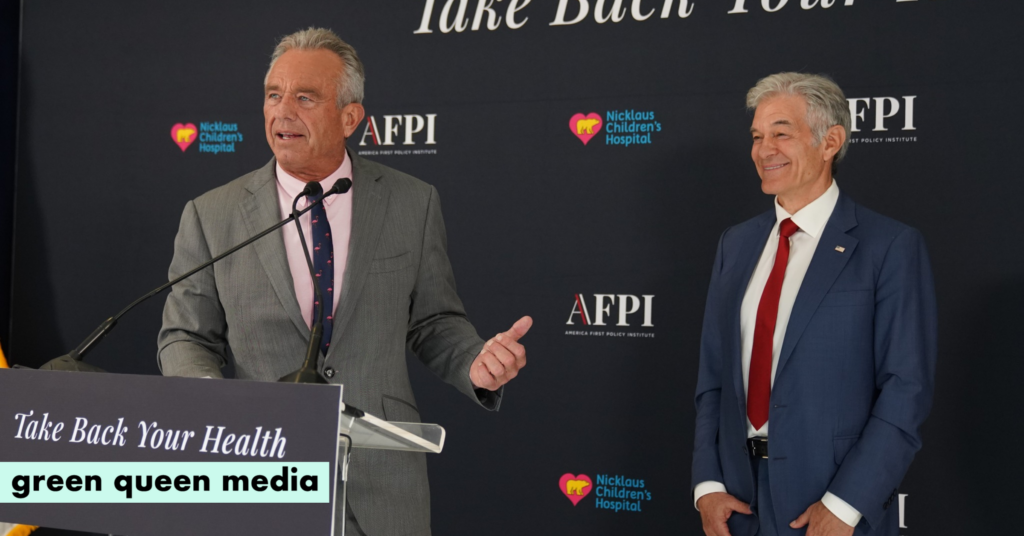
The ultimatum delivered by the HHS places healthcare institutions at a critical juncture: adhere to federal dietary recommendations or face the financial repercussions of losing reimbursement from government health insurance programs. This directive is not merely advisory; it is intrinsically linked to the financial viability of hospitals, particularly those serving a significant population of Medicare and Medicaid beneficiaries. The memo from CMS specifically instructs healthcare facilities to "inform patient nutrition services and related hospital protocols" by integrating the updated DGAs. Secretary Kennedy Jr. articulated this mandate at a press conference in Miami, stating that hospitals must "align their food purchases with the dietary guidelines in order to enjoy continued eligibility for Medicaid and Medicare payments."
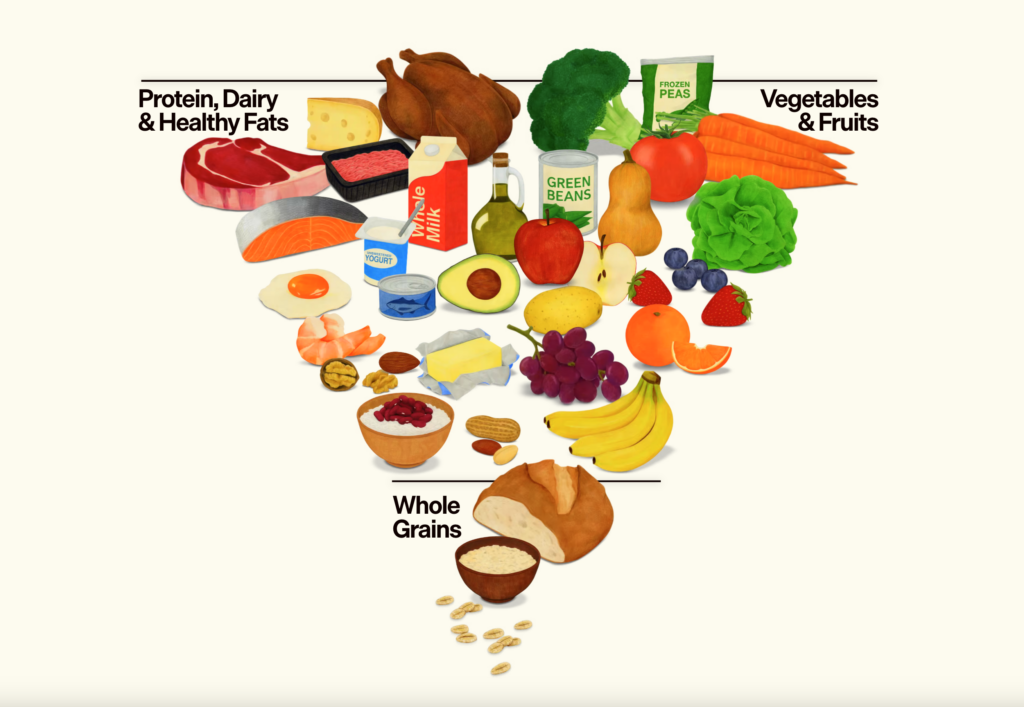
This mandate arrives at a time when the DGAs have already been a focal point of debate among nutrition and health experts across the United States. The latest iteration of the guidelines, released under the slogan "Eat Real Food," has drawn criticism for deviating from the initial scientific committee’s recommendations, which strongly advocated for prioritizing plant-based proteins. Instead, the published guidance has been observed to endorse the consumption of red meats such as beef and pork, reintroduce whole milk into dietary recommendations, and promote the use of butter and tallow. This is particularly concerning given the advisory to limit saturated fat intake to under 10% of total daily calories, creating a perceived contradiction within the broader guidelines.
However, the CMS memo to hospitals adopts a more nuanced and actionable approach. It directs healthcare institutions to significantly reduce or eliminate ultra-processed foods (UPFs) and processed meats, while concurrently prioritizing minimally processed protein sources, explicitly including "plant-based options." This distinction is crucial, as it shifts the focus from a blanket endorsement or rejection of certain food categories to a practical application within the healthcare setting, emphasizing quality and minimal processing.
Strategic Shift: Tackling Ultra-Processed Foods in Hospitals
The cornerstone of the HHS memo’s directive to hospitals is the imperative to limit the availability of ultra-processed foods (UPFs) for patients. This initiative aligns with the broader objectives of the "Make America Healthy Again" (MAHA) movement, which has been actively campaigning for a reduction in the consumption of these highly processed products. The discourse surrounding UPFs has gained considerable traction in U.S. food policy, with bipartisan support emerging for efforts to curb their prevalence. Regulatory bodies, such as the Food and Drug Administration (FDA), are actively developing a formal definition of UPFs, a move intended to encourage companies to clearly label their products as "non-ultra-processed." Furthermore, legislative efforts are underway in states like California, which is considering a bill to establish an on-pack "anti-UPF seal" and has already begun phasing out UPFs from school meal programs.
The MAHA movement’s advocacy has extended to public awareness campaigns, including a highly controversial Super Bowl advertisement that targeted UPFs. This campaign, funded by a MAHA-aligned non-profit, featured boxer Mike Tyson, a figure whose past legal troubles, including a rape conviction and a history of domestic violence, have raised ethical questions about the choice of spokesperson. Despite the controversy surrounding the advertisement’s messenger, the underlying message about the detrimental effects of UPFs has resonated with a significant portion of the American public.
The statistics on UPF consumption are stark. Americans currently derive approximately 55% of their daily caloric intake from UPFs, a figure that escalates to a concerning 67% for children. Numerous studies have linked high UPF consumption to a wide array of health problems, including obesity, type 2 diabetes, cardiovascular disease, certain cancers, and even premature death. For many Americans, UPFs have become a primary health concern. A substantial majority, 72%, are actively trying to avoid these products in their diets, and 79% perceive them as a "significant threat" to public health.
However, the definition and classification of UPFs remain subjects of ongoing discussion and criticism. The Nova classification system, which initially categorized foods based on their degree of processing, has been critiqued for its broadness. Some health experts argue that a strict conflation of processing levels with nutritional value can be misleading. They point out that certain UPFs, such as whole-grain bread, sugar-free breakfast cereals, fortified milk alternatives, and plant-based meat products, can still contribute positively to a diet, provided they are consumed in moderation and do not contain excessive levels of saturated fat, sugar, or sodium. Bodies like the American Heart Association have endorsed these types of products as healthy options under specific conditions, despite their processed nature.
The latest DGAs have, in fact, sidelined some meat alternatives due to their perceived high level of processing, instead advocating for whole, unprocessed plant-based foods. This approach appears to have influenced the CMS memo, which, while urging hospitals to limit UPFs, also steers them towards whole-food-based protein sources.
The Contradiction and Course Correction: Red Meat and Hospital Dietary Mandates
The broader Dietary Guidelines for Americans have faced significant scrutiny for their perceived reversal on recommendations regarding red meat. The inversion of the traditional food pyramid, placing red meat at the apex, has been characterized as counterintuitive by many health professionals. Studies consistently link high red meat consumption to increased risks of obesity, type 2 diabetes, cardiovascular disease, and premature mortality. The push for hospitals to adhere to these aspects of the DGA, while potentially risking their funding, presents a complex ethical and public health challenge.
In contrast to the broader DGA controversy, the CMS memo to hospitals offers a more targeted and pragmatic set of recommendations. Crucially, it omits any direct mention or endorsement of red meat. Instead, the directive emphasizes the prioritization of "minimally processed protein sources." This includes a broad spectrum of nutrient-rich foods such as vegetables, fruits, legumes, nuts, seeds, seafood, and healthy fats. Furthermore, the memo explicitly advises hospitals to "eliminate processed meats and foods high in added sugars, sodium, and artificial additives." This clear delineation provides hospitals with a more focused set of actionable guidelines, steering them away from problematic food categories and towards healthier, less processed alternatives.
The inclusion of plant-based options as a priority, coupled with the exclusion of red meat from the hospital directive, suggests a strategic divergence between the general public dietary advice and the specific healthcare recommendations. This divergence aims to leverage the known health benefits of plant-forward diets within a controlled environment like a hospital, where patient recovery and well-being are paramount.
Economic and Health Imperatives: The Financial Case for Dietary Reform
The HHS directive is underpinned by a compelling economic rationale, highlighting the substantial financial burden of chronic diseases on the U.S. healthcare system. The nation’s annual healthcare expenditure hovers around $5 trillion, with an overwhelming 90% of this amount allocated to managing patients with chronic conditions. Medicare, a significant payer for a large segment of the population, accounts for approximately 40% of healthcare spending on these chronic ailments. The memo underscores the "significant" impact on American taxpayers and the federal deficit, framing improved patient nutrition as an "urgent priority" for hospitals treating Medicare patients.
HHS Secretary Robert F. Kennedy Jr. acknowledged at the press conference that hospitals often require "incentives" to implement dietary changes, suggesting that making this a federal mandate will empower them in their negotiations with procurement companies. This implies a strategic move to leverage federal policy to drive systemic change in hospital food services.
CMS administrator Mehmet Oz further elaborated on the financial implications, asserting that the cost associated with these dietary shifts "is not changing meaningfully." He estimated a mere "5% increase in cost, a trivial rounding error," attributing this minimal impact to the fact that "the food is not being thrown away anymore." This suggests that a more focused approach to healthy, whole-food procurement can be cost-neutral or even cost-saving in the long run, particularly when considering the reduction in food waste.
Evidence from the Frontlines: New York City’s Plant-Based Success Story
The effectiveness of prioritizing plant-based nutrition in healthcare settings is demonstrably illustrated by the experience of New York City Health + Hospitals. This public hospital system adopted a "plant-based by default" approach, making these meals the standard offering for patients across all 11 of its facilities. The results have been remarkably positive. The initiative led to a significant 36% reduction in food-related emissions and achieved an impressive 90% patient satisfaction rate. Notably, the selection of meat-based main courses declined by 20%, indicating a patient willingness to embrace healthier options.
Reinforcing Oz’s point about cost-effectiveness, the vegan meals served by NYC Health + Hospitals were, on average, 59 cents cheaper than their meat-based counterparts. Since 2022, the city’s public hospitals have served over 2.8 million plant-based dishes, demonstrating the scalability and viability of this dietary model within a large urban healthcare system. This real-world example provides a powerful precedent for other hospitals considering similar dietary reforms.

The HHS memo itself offers practical suggestions for menu modifications, such as replacing deli meats with lean proteins and incorporating lentil or bean-based entrées, served with leafy greens and an olive oil vinaigrette. However, the memo retains a recommendation for 2% or whole milk, with no explicit mention of plant-based milk alternatives, a point that may be subject to future refinement as dietary science evolves.
Industry Response and Broader Implications
The American Hospital Association has responded to the new directive by acknowledging the integral role of nutritious food in patient healing and recovery. They have stated their commitment to reviewing the updated DGAs and incorporating them into their meal programs. This cooperative stance suggests a willingness within the hospital industry to adapt to the new federal requirements.
The timing of this directive is significant, coinciding with the release of new guidelines from the American Heart Association that also emphasize plant proteins over meat. Simultaneously, several MAHA-aligned organizations have urged the Trump administration to refrain from increasing the current meat requirements in school meals, highlighting a broader societal shift towards re-evaluating dietary norms.
The implications of the HHS directive extend beyond mere food procurement. By tying hospital funding to dietary practices, the government is signaling a profound commitment to leveraging healthcare policy as a tool for public health improvement. This move has the potential to reshape food systems, encourage innovation in food production, and foster a greater understanding of the link between diet and chronic disease management. The emphasis on minimally processed foods and plant-based proteins, even within the context of a complex and sometimes contradictory set of national dietary guidelines, represents a significant step towards a more health-conscious and sustainable food future for Americans. The long-term impact will be closely watched as hospitals navigate these new requirements and the healthcare landscape continues to evolve.