
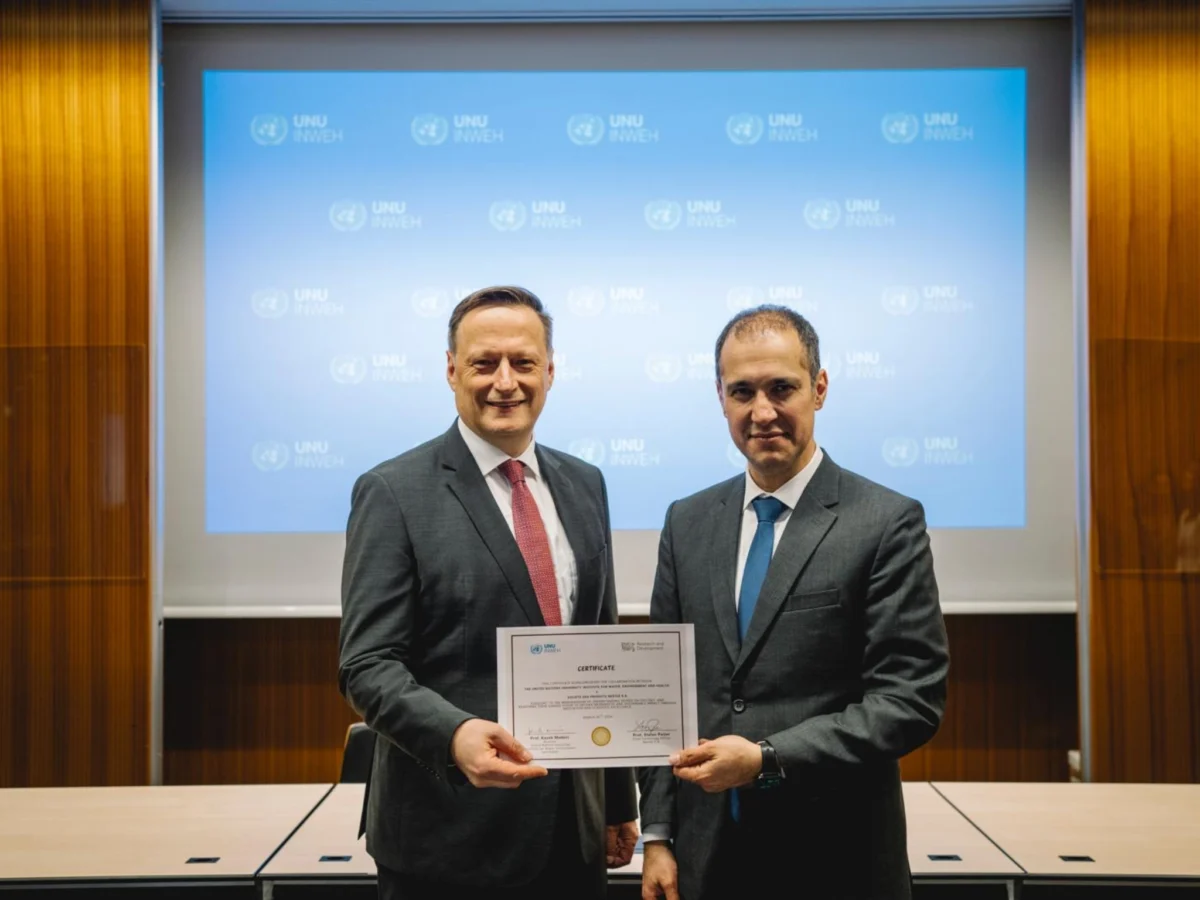
Nestlé, the world’s largest food company, has joined forces with the United Nations University (UNU) to launch the World Food Academy 4 Sustainable Food Systems. This ambitious initiative aims to bolster the education, career development, and knowledge exchange for university students and young researchers, with a particular focus on individuals from priority regions within the Global South. The academy represents a multi-partner ecosystem designed to equip the next generation of professionals with the essential scientific, technical, and policy competencies needed to tackle complex challenges in global food security, nutrition, and sustainability.
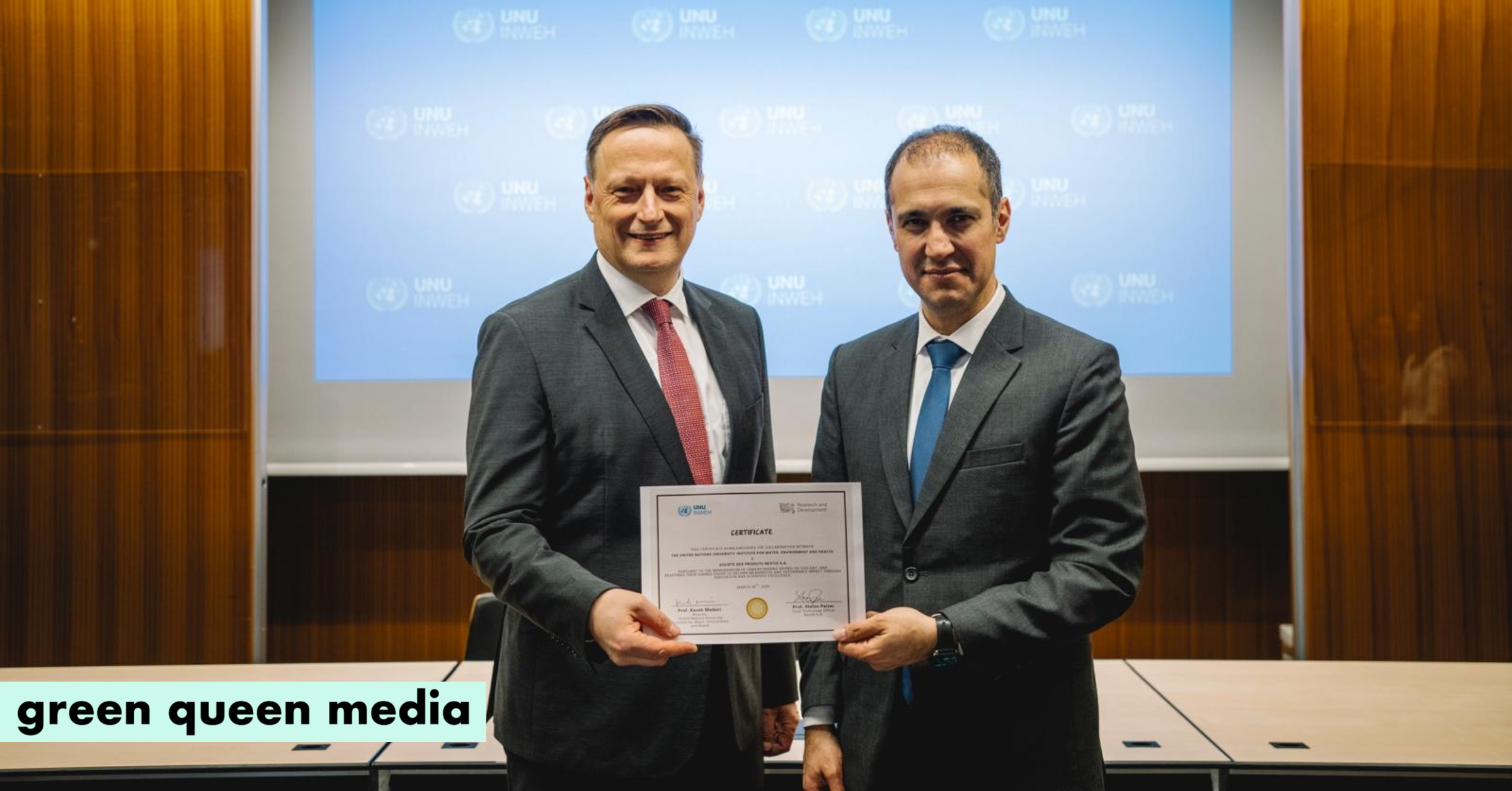
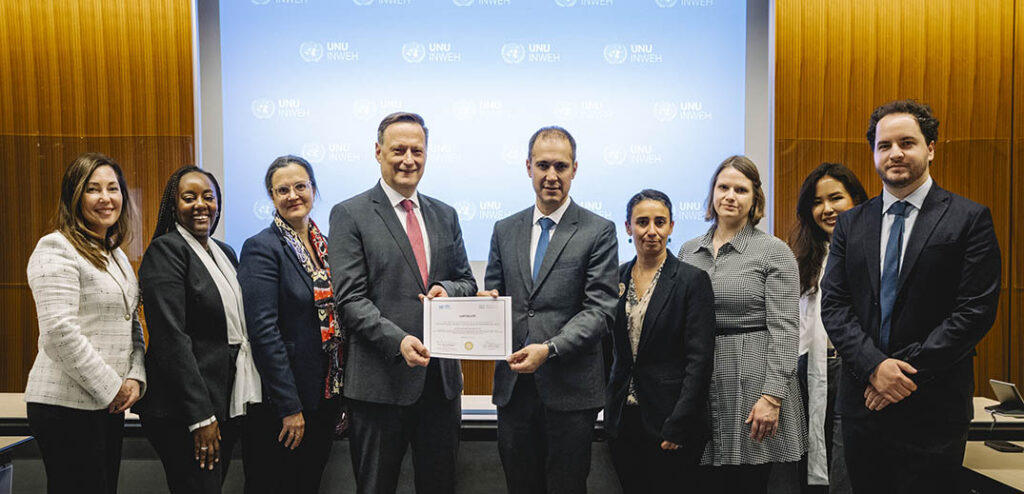
The collaboration between Nestlé, through its Research & Development arm, and the United Nations University Institute for Water, Environment and Health (UNU-INWEH) is a strategic move to bridge the gap between scientific research and practical policy implementation in the critical field of food systems. This partnership builds upon Nestlé’s existing commitment to youth development through its Science & Technology Seminars, which have already reached a significant global audience.
"The World Food Academy represents a platform to translate interdisciplinary research into actionable solutions by equipping emerging leaders, particularly in the Global South, with the scientific, technical, and policy competencies required to address systemic challenges in food security, nutrition, and sustainability," stated Kaveh Madani, Director of UNU-INWEH. This sentiment underscores the academy’s core mission: to foster a generation of food system leaders capable of driving meaningful change.
Genesis and Evolution of the Initiative
The World Food Academy’s establishment is rooted in Nestlé’s proactive engagement with the future of the food sector. The company’s Science & Technology Seminars, launched in 2023, provide free educational content covering agricultural science, food science and technology, and nutritional science. These seminars also offer insights into technical expertise surrounding affordable and sustainable food production. In their inaugural year, these seminars engaged approximately 7,000 students across over 300 academic institutions in more than 90 countries, highlighting a substantial existing demand for such educational resources.
The partnership with UNU-INWEH, a key academic and research arm of the United Nations, is designed to significantly enhance the reach and impact of these educational endeavors. UNU-INWEH brings to the table its extensive expertise in research, capacity building, policy engagement, and knowledge dissemination. This collaboration is expected to enrich the seminar content with practical, up-to-date insights and tools, while also incorporating UNU-INWEH’s deep knowledge of sustainable agriculture and responsible land management – critical pillars for ensuring food security, preserving biodiversity, and building climate resilience.
"Ensuring global food security and driving the transition to sustainable food systems requires intense collaboration along the food value chain," commented Stefan Palzer, Nestlé CTO. He further elaborated on the complementary strengths of the partnership, stating, "Through this joint initiative with the United Nations University, we will share our broad and deep scientific expertise, along with our practical knowledge of food and nutrition, with underprivileged students and young professionals around the world. This know-how will enable them to more effectively transform both global and local food systems, making food more nutritious, accessible and sustainable."
Bridging Science, Policy, and Practice
A cornerstone of the World Food Academy is its commitment to making educational resources publicly accessible and free of charge. This democratized approach ensures that individuals globally, including those in low-income regions, can benefit from the program’s offerings. This aligns directly with the United Nations’ Sustainable Development Goals (SDGs), particularly SDG 4 (Quality Education) and SDG 10 (Reduced Inequalities).
The academy’s activities are structured to foster a holistic understanding of sustainable food systems. This includes not only scientific and technical knowledge but also an understanding of the policy frameworks and economic considerations that shape the global food landscape. UNU-INWEH’s role in policy engagement is crucial in this regard, aiming to ensure that research findings are effectively translated into practical solutions and governmental policies.
"This collaboration with Nestlé further strengthens our ability to bridge science and policy, ensuring that knowledge is effectively translated into practice while advancing sustainable and resilient food systems for future generations," reiterated Madani. This emphasis on bridging the divide between academic research and actionable policy is a key differentiator of the World Food Academy.
Future Expansion and Impact
Looking ahead, both Nestlé and UNU-INWEH are committed to expanding the academy’s scope. This will involve building a robust network of educational institutions, industry partners, and research organizations. The academy also plans to offer a range of career development opportunities, including specialized capacity-building programs, internships, sabbaticals, and fellowships. These initiatives are designed to provide young professionals with hands-on experience and mentorship, accelerating their growth within the food sector.
In a significant step towards fostering dialogue and collaborative problem-solving, the academy will host a symposium on sustainable food systems later this year. This event will bring together a diverse group of stakeholders, including policymakers, researchers, private-sector representatives, and civil society organizations. The symposium’s objective will be to explore practical, innovative solutions to enhance access to nutritious and affordable food through the adoption of sustainable agricultural practices. Such gatherings are vital for sharing best practices, identifying emerging challenges, and forging collaborative pathways towards a more sustainable global food future.
Contextualizing Nestlé’s Role and Challenges
Nestlé’s involvement in the World Food Academy is set against a backdrop of its significant influence and impact on global food systems. As the world’s largest food company, its operations and strategies have far-reaching consequences for environmental sustainability and public health. While the company’s commitment to fostering talent and promoting sustainable practices through initiatives like the academy is commendable, it is also important to acknowledge the broader context of its environmental footprint.
Nestlé has been identified as a major contributor to emissions within the food manufacturing sector. Last year, the company’s departure from the Dairy Methane Action Alliance, an initiative aimed at reducing methane emissions from milk production, drew attention. Furthermore, research has raised concerns about the company’s "overreliance on regenerative agriculture," with some studies suggesting that these practices may not always align with United Nations net-zero emission targets.
These contextual factors underscore the critical importance of initiatives like the World Food Academy. By empowering a new generation of leaders with comprehensive knowledge and practical skills, the academy has the potential to drive systemic change from within the industry. The focus on the Global South is particularly significant, as these regions are often most vulnerable to the impacts of climate change and food insecurity, and yet possess immense potential for sustainable food production and innovation.
The success of the World Food Academy will ultimately be measured by its ability to cultivate a cohort of young professionals who can navigate the complexities of the food system, drive innovation, and advocate for policies that promote both human well-being and environmental stewardship. The collaboration between a global corporate leader and a leading academic institution within the UN system offers a promising model for addressing some of the most pressing challenges of our time. The commitment to free and accessible education is a vital step in ensuring that the knowledge and tools needed for a sustainable food future are available to all, fostering a more equitable and resilient global food landscape.