
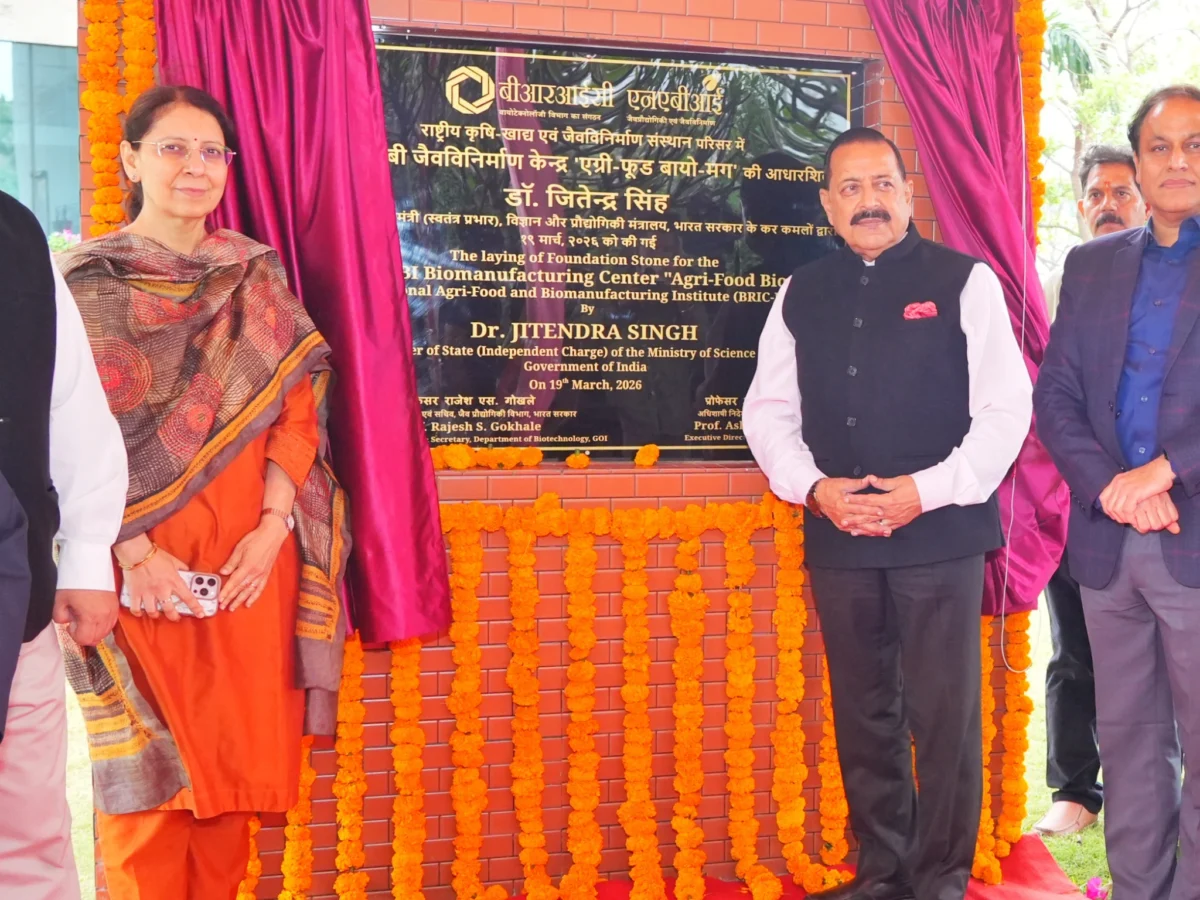
India’s strategic push to bolster its biomanufacturing capabilities has taken a significant leap forward with the recent launch of a new incubator for food technology startups and the commencement of construction on a state-of-the-art biofoundry dedicated to the development of alternative proteins. These initiatives, spearheaded by the Department of Biotechnology and aligned with the national BioE3 strategy, signal a robust commitment to fostering innovation, bridging the gap between research and industry, and positioning India as a global leader in the burgeoning biotechnology sector.
The unveiling of these two pivotal facilities underscores a concerted effort to accelerate the commercialization of cutting-edge scientific advancements. The biofoundry, a substantial $4.5 million investment over two years, is poised to become a cornerstone for developing and scaling up "smart proteins"—a category encompassing plant-based, fermentation-derived, and cell-cultured protein sources. Simultaneously, the BIRAC-BioNest Incubation Centre is already operational, providing critical support to early-stage food tech companies.
The BioFoundry Centre, a flagship project under the Department of Biotechnology, is currently under construction at the National Agri-Food and Biomanufacturing Institute (NABI) in Mohali. The foundation stone for this ambitious facility was laid by Union Minister for Science and Technology, Jitendra Singh, last month. The projected investment of ₹42 crore (approximately $4.5 million) over the next two years is earmarked for equipping the center with advanced infrastructure. This includes large-scale fermenters, sophisticated upstream and downstream processing systems, and high-throughput experimental platforms. The biofoundry’s primary objective is to facilitate the transition of laboratory-developed alternative protein technologies into industrially viable products, addressing a critical bottleneck in the innovation ecosystem.
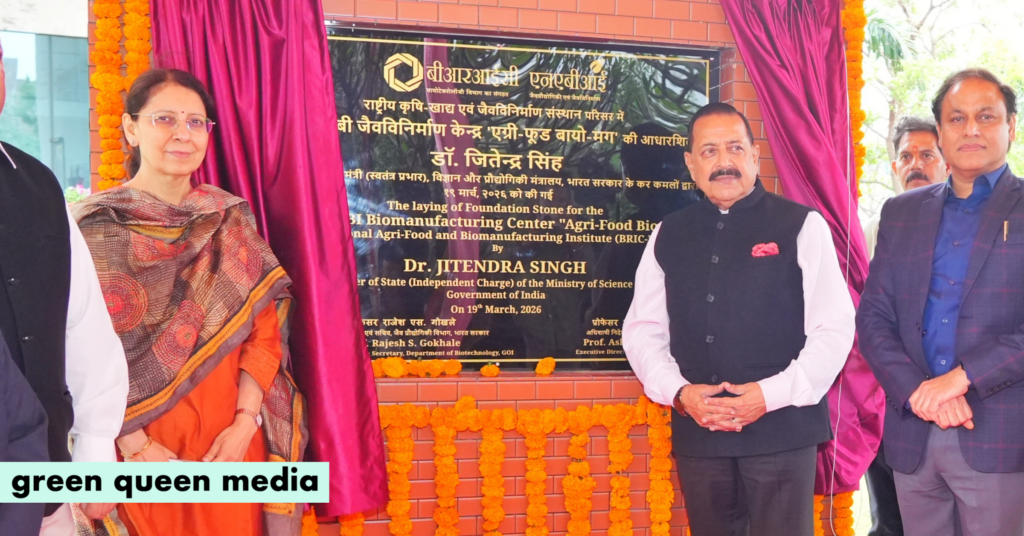
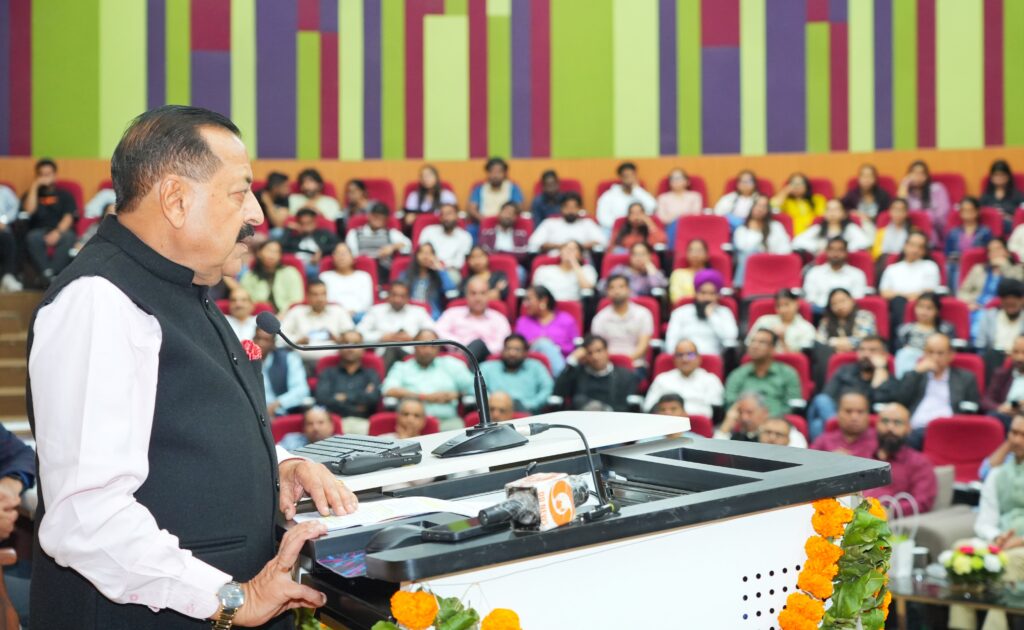
NABI itself is designed as a comprehensive pipeline, nurturing smart protein development from fundamental research and de novo design to microbial platforms and scalable production systems. Minister Singh highlighted that NABI’s existing expertise in genomics, microbial biotechnology, and food science directly contributes to enhancing nutritional security, promoting sustainable agriculture, and adding value to the agrifood sector. The minister emphasized the growing global imperative for alternative protein sources, driven by increasing protein demand and mounting environmental concerns. He posited that "smart proteins," leveraging synthetic biology, microbial fermentation, and plant biotechnology, offer a scalable and sustainable pathway for the future of food. He also acknowledged the role of platforms like the Smart Protein Forum, an initiative by the Good Food Institute (GFI) India, in fostering collaboration between scientists and industry stakeholders to accelerate innovation.
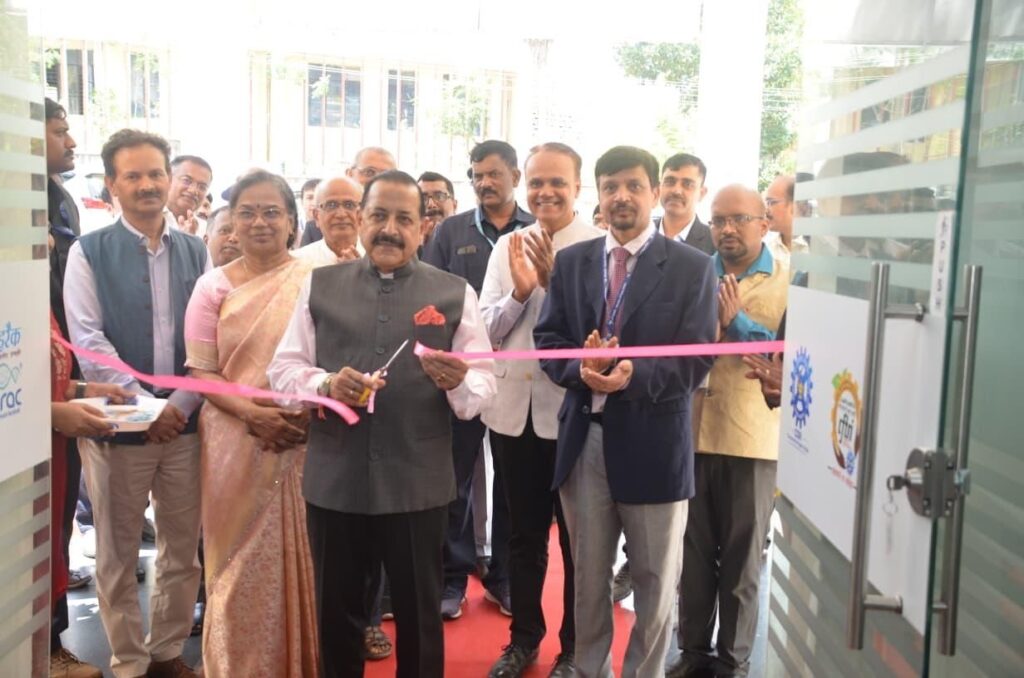
Complementing the biofoundry’s development, the BIRAC-BioNest Incubation Centre, formally launched by Minister Singh last week at the CSIR-Central Food Technological Research Institute (CFTRI) campus in Mysore, is already actively supporting the food tech ecosystem. This incubator is designed to guide startups through crucial stages of research advancement, scale-up validation, efficacy studies, and regulatory processes, with the ultimate goal of transforming novel concepts into market-ready solutions.
The BioNest facility is equipped with dedicated incubation suites and shared infrastructure, catering to high-value, science-driven domains. These include precision fermentation, nutraceuticals, pro- and prebiotics, CRISPR-based technologies, and the development of botanical ingredients. To date, the center has provided support to 26 startups, encompassing both physical and hybrid incubatees. These ventures have collectively filed 12 patents and contributed to five significant research publications, demonstrating the incubator’s immediate impact on fostering innovation and intellectual property generation.
Minister Singh articulated a vision for enhanced collaboration between academic institutions and the private sector, advocating for innovation strategies that are closely aligned with evolving consumer demands. He specifically mentioned the growing market for ready-to-eat and convenience food categories as areas ripe for innovation. Furthermore, he underscored the government’s commitment to expanding private sector participation in biotechnology through new funding mechanisms and institutional support frameworks aimed at advancing research and development. The launch of the BioNest centre was preceded by CFTRI’s signing of several Memoranda of Understanding (MoUs). Notably, an agreement with global AI biomanufacturing specialist DE3PBIO aims to facilitate the transfer of know-how for 18 technologies focused on processing fortified, low-glycemic index (GI), functional, and high-protein foods, as well as bakery and cereal innovations.
These new facilities are integral components of India’s broader BioE3 strategy, a comprehensive policy framework designed to accelerate technological development and commercialization. The BioE3 strategy identifies six key growth areas: high-value bio-based chemicals, biopolymers, and enzymes; smart proteins and functional foods; precision biotherapeutics; climate-resilient agriculture; carbon capture; and marine and space research. This multi-pronged approach reflects a holistic vision for India’s biotechnology future.
The establishment of these centers follows a series of strategic moves to bolster India’s alternative protein landscape. In early 2024, Bengaluru witnessed the launch of the Centre for Smart Protein and Sustainable Material Innovation, an incubation hub, and the Alternative Proteins Innovation Center, a dedicated scale-up facility. These initiatives were designed to provide end-to-end support for the alternative protein sector, from initial ideation to market readiness.
The previous year saw the inauguration of the National Institute of Animal Biotechnology in Hyderabad. This facility holds the distinction of being India’s first animal stem cell biobank and is envisioned to revolutionize animal health, regenerative medicine, agricultural productivity, and the development of cultivated proteins. These government-led initiatives are creating a fertile ground for private sector investment and innovation.
The private sector is actively responding to these opportunities. Swiss startup Planetary has entered into a partnership with DCM Shriram Bioseeds to establish mycoprotein production within one of the latter’s sugar mills in India. This collaboration leverages existing industrial infrastructure for novel food production. Concurrently, local firm PreferCo has teamed up with German biotech giant Glatt to establish a precision fermentation scale-up center in Hyderabad, further strengthening the country’s capabilities in advanced protein manufacturing.
These concerted efforts by both government and industry are occurring against a backdrop of significant growth in the demand for sustainable protein sources in India, the world’s most populous nation. Compelling data reveals that approximately 80% of India’s adult population experiences some degree of protein deficiency. While the nuances of dietary protein intake are complex, there is a clear upward trend in protein consumption among Indians. This burgeoning market is already valued at an estimated $1.5 billion and is projected to experience exponential growth over the next decade, largely propelled by the expanding alternative protein ecosystem.
Market research indicates a strong consumer inclination towards plant-based protein sources. Surveys suggest that 37% of Indian citizens intend to incorporate more plant proteins into their diets. Even more significantly, a larger proportion of consumers express a desire to increase their intake of protein from plant-based sources compared to animal sources. This shift in consumer preference is a powerful driver for the alternative protein industry.
Major players in the foodservice sector are actively responding to this evolving consumer landscape. Starbucks India has introduced cold foams enriched with yeast protein from the Indian startup SuperYou, and also offers a Soya Protie Toastie featuring a plant-based Chettinad curry developed by GoodDot. This demonstrates a growing integration of alternative protein ingredients into mainstream food offerings.
GoodDot has also forged a strategic partnership with Haldiram’s, an iconic Indian restaurant chain, integrating its soya chaap—a widely consumed soy-based meat alternative—into the chain’s menu in the national capital region. Furthermore, the hospitality giant Hilton hosted a month-long plant protein festival across its 32 locations nationwide, showcasing a commitment to offering diverse and sustainable protein options. McDonald’s India has introduced vegetarian protein slices, each adding 5 grams of protein to burgers. Initially marketed as containing soy, pea, and whey proteins, the company’s website now specifies that these slices are made from "premium plant-based proteins including peas and soy protein," reflecting an increasing emphasis on plant-derived ingredients.
The strategic investments in biofoundries and incubators, coupled with favorable market trends and increasing private sector engagement, position India to become a significant player in the global alternative protein market. These developments are not merely about food production; they are intricately linked to public health, environmental sustainability, and economic growth, aligning with national priorities for innovation and self-reliance in critical sectors. The government’s proactive approach through policies like BioE3 and tangible infrastructure development signals a long-term commitment to harnessing the potential of biotechnology for societal benefit. The success of these initiatives will be crucial in addressing nutritional challenges, reducing the environmental footprint of food production, and fostering a vibrant new industry.