
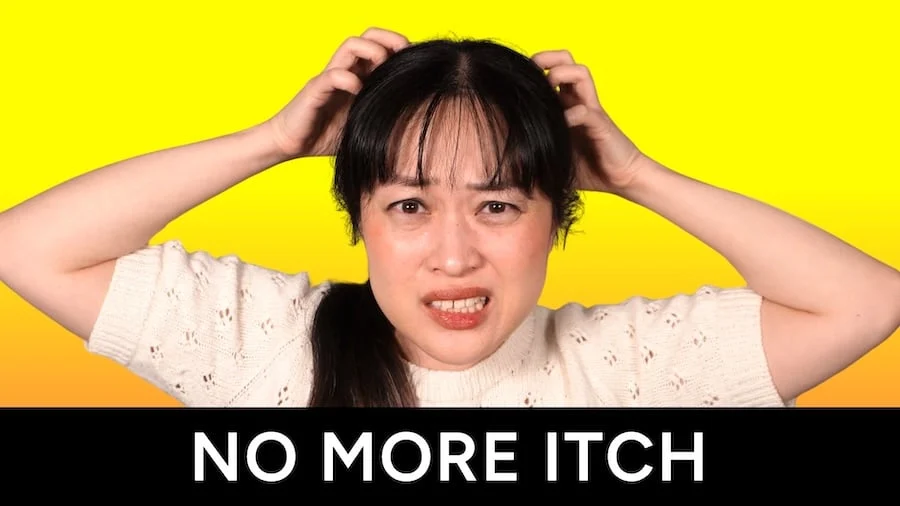
Persistent scalp itch and inflammation, often accompanied by hair thinning, plague a significant portion of the population, yet effective solutions remain elusive for many. The core challenge lies in a widespread misunderstanding of the underlying causes, leading to product choices that frequently exacerbate the condition rather than resolve it. Dr. Michelle Wong, a cosmetic chemist and founder of Lab Muffin Beauty Science, highlights that years of research and personal experimentation were necessary to unravel the true science behind chronic itchy scalp and identify sustainable solutions. This article delves into the dermatological insights, offering a scientifically-backed guide to identifying and treating the root causes of scalp discomfort.
The Pervasive Problem of Scalp Discomfort
Chronic itchy scalp, medically known as scalp pruritus, is a remarkably common complaint, affecting an estimated 25-50% of adults at some point in their lives. Beyond the immediate discomfort, persistent itching can lead to secondary issues such as excoriations (skin abrasions from scratching), infections, and even hair damage or thinning over time. The market is saturated with products claiming to soothe itchy scalps, yet many consumers report limited success, often finding temporary relief followed by frustrating relapses. This cycle of trial and error is largely due to a failure to correctly diagnose the specific etiology of the itch, which, as scientific research increasingly shows, typically falls into one of three major categories: microbial imbalance, compromised scalp barrier function (often mislabeled as "dry scalp"), and allergic reactions.
Unpacking the Root Causes of Scalp Itch
Successful treatment hinges on a precise understanding of what is triggering the scalp’s distress. These primary causes are distinct, requiring tailored approaches, and a misdiagnosis can render even potent treatments ineffective or, worse, detrimental.
1. Microbial Imbalance: Beyond Dandruff Flakes
The role of microbes, particularly the Malassezia yeast, in scalp conditions is often narrowly associated with visible dandruff flakes. However, a critical insight is that Malassezia overgrowth can induce significant itching and inflammation long before flakes become apparent. Malassezia species, notably Malassezia globosa and Malassezia restricta, are ubiquitous commensal yeasts on the human scalp. They thrive on sebum, the natural oils produced by sebaceous glands. When the scalp microbiome is balanced, Malassezia plays a beneficial role, contributing to the skin’s ecosystem.
The problem arises when these yeasts proliferate excessively. Malassezia metabolizes sebum, breaking down triglycerides into irritating free fatty acids. Furthermore, recent studies have highlighted the production of substances like squalene peroxide by Malassezia restricta, which are potent irritants and trigger inflammatory responses in the scalp. Research published in the International Journal of Cosmetic Science (2025) demonstrated that inflammatory markers can rise within three days of Malassezia overgrowth, with subjects reporting significant itching, while visible flaking may take up to three weeks to manifest. This crucial lag period explains why many individuals experiencing intense scalp itch do not suspect a microbial cause, attributing their symptoms instead to dryness or sensitivity. The absence of flakes does not preclude Malassezia from being a primary contributor to scalp pruritus.
2. Compromised Scalp Barrier Function: The "Dry Scalp" Paradox
The scalp is, fundamentally, skin. Like the skin on the face and body, it possesses a vital protective barrier – the stratum corneum – which regulates hydration and defends against external irritants. When this barrier is compromised, water loss (trans-epidermal water loss, or TEWL) increases, and irritants can penetrate more easily, leading to sensations of dryness, tightness, and itch.
A significant culprit in barrier disruption is the use of harsh cleansing agents. Shampoos, by nature, contain surfactants designed to emulsify and remove oil and dirt. However, aggressive surfactants, especially when used frequently, can strip the scalp’s natural lipids and proteins, impairing the skin barrier. This can lead to a "leaky" barrier even after rinsing, allowing for moisture escape and irritant entry. The pH of shampoo also plays a role; a slightly acidic, skin-friendly pH (typically between 4 and 7) is generally less disruptive than highly alkaline formulations.
Beyond product choices, environmental factors and personal habits can exacerbate scalp dryness. Very hot showers, prolonged use of hot blow dryers, exposure to dry or cold weather, and indoor heating can all dehydrate the scalp. Hormonal fluctuations, such as the decline in oil production post-menopause, can also contribute to reduced scalp hydration. It is also important to note that an "oily" scalp can still suffer from dryness. Just as oily facial skin can be dehydrated, a scalp producing ample sebum may still lack adequate water content, leading to an "oily-but-dry" condition where sebum does not effectively moisturize the skin barrier.
3. Unidentified Allergens: The Hidden Irritants
For a subset of individuals, persistent scalp itch is an allergic reaction to specific ingredients in hair care products, particularly shampoos. Cosmetic products, especially wash-off formulations, can contain a higher concentration of certain ingredients because their contact time with the skin is brief, reducing systemic absorption risk. However, this general safety principle does not apply to allergens for those who are sensitized. An allergy is an immune system overreaction to a substance that is otherwise harmless to the majority.
A notable example of an allergen that caused a significant public health issue is the class of preservatives methylisothiazolinone (MI) and methylchloroisothiazolinone (MCI). These compounds, sometimes dubbed "the itchy Ms," gained widespread use in the early 2010s following a consumer-driven shift away from parabens due to misinterpreted safety concerns. While parabens have been scientifically affirmed as safe preservatives, the rapid adoption of MI/MCI, often without adequate pre-market dermatological assessment for widespread use, led to a surge in contact allergies. Research published in Contact Dermatitis (2024) and JAMA Dermatology (2023) described this increase in MI/MCI allergy prevalence across Europe and North America as an "epidemic"—a term rarely used in scientific literature, underscoring the severity and widespread nature of the issue. Estimates suggest that a few percent of the population may be allergic to these preservatives. Alarmingly, these ingredients were, and in some regions still are, present in many shampoos marketed for "sensitive" or "itchy" scalps, creating a paradoxical situation for allergic consumers.
Other common allergens in shampoos include fragrances (e.g., linalool, limonene, geraniol), cocamidopropyl betaine (a co-surfactant), and certain plant extracts or essential oils. If a person consistently experiences itching or irritation after using new shampoos, particularly those containing these ingredients, an undiagnosed contact allergy should be considered. Patch testing performed by a dermatologist is the most reliable method for identifying specific allergens.
Navigating the Treatment Landscape: A Targeted Approach
Once the primary cause(s) of scalp itch are identified, a targeted treatment strategy can be implemented. It is crucial to remember that these causes can co-exist, necessitating a multi-pronged approach.
Targeting Microbial Imbalance: Anti-Microbial Actives

For issues driven by Malassezia overgrowth, anti-dandruff shampoos and treatments are the cornerstone, even in the absence of flakes. These products contain specific active ingredients designed to inhibit yeast growth.
- Selenium Sulfide: Highly effective, selenium sulfide acts as an antifungal and cytostatic agent, slowing down the rate of skin cell turnover and reducing yeast proliferation. It is often found in over-the-counter formulations and prescription-strength shampoos. Some individuals may find its characteristic odor or orangey-yellow tint less appealing.
- Zinc Pyrithione: A potent broad-spectrum antimicrobial and antifungal agent, zinc pyrithione effectively controls Malassezia. It was a long-standing primary active in many popular anti-dandruff brands, such as Head & Shoulders. However, its insolubility can sometimes leave a gritty residue on hair. A significant development in its regulatory status occurred when the European Union reclassified zinc pyrithione as a Carcinogenic, Mutagenic, or Reprotoxic (CMR) category 1B substance, leading to its ban in cosmetic products within the EU since March 2022, despite scientific panels often affirming its safety at low concentrations. This regulatory decision, based on the precautionary principle, highlights the complex interplay between scientific risk assessment and public health policy, impacting product availability globally as many brands reformulate for the EU market. It remains widely available in other regions, including the US.
- Piroctone Olamine: Gaining increasing popularity, piroctone olamine is an effective antifungal agent with excellent cosmetic properties. Unlike zinc pyrithione, it is soluble and odorless, allowing for formulations that feel and look like conventional shampoos. Research has shown its efficacy in reducing Malassezia populations and improving scalp condition, including reduced hair shedding, as highlighted in studies in the International Journal of Cosmetic Science (2021, 2023, 2024). Its favorable profile makes it a preferred choice for many seeking anti-microbial benefits without the aesthetic drawbacks of older actives.
- Ketoconazole and Climbazole: Ketoconazole is a powerful broad-spectrum antifungal, often found in prescription-strength or pharmacy-grade anti-dandruff shampoos (e.g., Nizoral). Climbazole is a milder cosmetic version. These are azole antifungals, and while generally effective, some Malassezia species can exhibit resistance. If one azole doesn’t work, trying a different class of active is recommended.
Optimizing Anti-Dandruff Shampoo Use: For maximum efficacy, these shampoos must be massaged thoroughly into the scalp, where the microbes reside, rather than just the hair lengths. Following product instructions, particularly regarding leave-on time, is crucial, as some formulations are designed for active ingredient deposition during rinsing (coacervate systems), not prolonged contact. Regular shampooing helps to deliver actives and remove sebum, which feeds the yeast. Anti-dandruff serums containing these actives (e.g., piroctone olamine) can provide supplemental treatment between washes.
Restoring Scalp Barrier Health: Gentle Care and Antioxidants
For individuals with compromised scalp barrier function, whether alongside microbial issues or as a standalone problem, the focus shifts to gentle care and barrier support.
- Gentle Cleansing: Opt for shampoos formulated with milder surfactants (e.g., amphoteric or non-ionic co-surfactants), often labeled as "sulfate-free" (though not all sulfates are harsh, and not all sulfate-free shampoos are gentle). These formulations minimize lipid stripping and maintain the scalp’s natural pH.
- Conditioner Application: Conditioners typically contain cationic surfactants that, while excellent for hair, can be irritating if applied directly to the scalp, especially if the barrier is already compromised. It is generally advisable to apply conditioner only to the hair lengths, below the ears.
- Antioxidants: Skincare principles apply to the scalp. Antioxidants like Vitamin E, green tea extract, and Madecassoside (from Centella asiatica) can protect the scalp from oxidative stress and environmental damage, supporting barrier integrity and reducing inflammation. Many advanced scalp serums incorporate these ingredients.
- Water Quality: Hard water, prevalent in many regions, contains high levels of dissolved minerals (calcium, magnesium) that can precipitate on the scalp and hair, contributing to dryness, irritation, and product buildup. While whole-house softening systems are ideal, showerhead filters specifically designed to reduce hard water minerals can offer localized relief.
Addressing Allergens: Avoidance and Professional Diagnosis
For those suspecting an allergen, the primary strategy is avoidance. Carefully scrutinizing ingredient lists and identifying common culprits can help. However, given the complexity of cosmetic formulations and the potential for cross-reactivity, patch testing by a dermatologist is the gold standard for accurate diagnosis. This allows for precise identification of the offending ingredient(s), enabling individuals to select products that are truly safe for their specific sensitivities.
Challenging Common Misconceptions and Ineffective Remedies
Several widely adopted practices for itchy scalp can be counterproductive, particularly if a microbial imbalance is at play.
- Oils: The application of plant-based oils (e.g., coconut oil, olive oil) directly to the scalp is often recommended for "dry" scalps. However, if Malassezia is the underlying issue, these oils provide a rich food source for the yeast, potentially exacerbating itching and inflammation. While mineral oil and squalane are less problematic as they are not metabolized by Malassezia, it’s generally safer to avoid leave-on plant oils if microbial overgrowth is suspected. Some people find scalp massage with oils helpful for dislodging buildup, but an anti-dandruff serum or a gentle shampoo could achieve similar benefits without feeding yeast.
- Dry Shampoo: While useful for absorbing excess oil and extending time between washes, dry shampoo cannot replace proper cleansing. Over-reliance can lead to product buildup, potential irritation from propellant chemicals, and does not address the microbial load or inflammatory mediators. For an itchy scalp, increasing the frequency of washing with an appropriate shampoo is often more beneficial than masking oil with dry shampoo.
- Scalp Scrubs and Brushes: Physical exfoliation through scrubs or brushes can be satisfying for some, but their efficacy for deep scalp cleansing is often limited, particularly for individuals with dense hair. They primarily act on the hair shafts and superficial scalp layers, potentially causing physical damage or irritation if used aggressively. For effective cleansing, focus on gentle massage with shampoo.
- Chemical Exfoliants: While chemical exfoliants (like salicylic acid or glycolic acid) can be beneficial for managing severe buildup or specific dermatological conditions, they are not a universal solution for chronic itchy scalp. Their primary action is to loosen dead skin cells, which might help with flakes, but they do not directly address microbial overgrowth or barrier dysfunction in the same way targeted actives do. For most cases, a well-formulated anti-dandruff shampoo and gentle care regimen are more effective.
Conclusion: A Scientific Path to Scalp Health
The journey to resolving a chronic itchy scalp is often fraught with frustration, but a scientific, evidence-based approach offers a clear path forward. By understanding the distinct roles of microbial imbalance, compromised barrier function, and allergic reactions, individuals can move beyond generic "sensitive scalp" products to targeted treatments. The evolution of cosmetic science has provided a range of effective anti-microbial actives and gentle formulations that can restore scalp health. Embracing regular, appropriate cleansing, protecting the scalp barrier, and identifying potential allergens, ideally with professional dermatological guidance, empowers individuals to achieve lasting relief and maintain a healthy, comfortable scalp. This scientific discernment not only alleviates discomfort but also supports overall hair health and well-being.