
The past few years have dramatically heightened public awareness regarding respiratory pathogen transmission, prompting a growing interest in proactive strategies to reduce illness beyond traditional vaccination efforts. Individuals are increasingly seeking practical tools and scientific insights to navigate an environment where airborne pathogens, including the SARS-CoV-2 virus responsible for COVID-19, remain a persistent concern. This demand for actionable information underscores a societal shift towards greater personal agency in infection prevention, fueled by evolving scientific understanding and the long-term health implications of repeated infections.
The Paradigm Shift in Understanding Germ Spread
A foundational understanding of how respiratory pathogens spread is crucial for effective prevention. Early in the COVID-19 pandemic, public health guidance heavily emphasized droplet transmission, leading to measures such as extensive hand washing, surface sanitization, and the 6-foot social distancing rule. However, scientific consensus has since shifted decisively towards recognizing airborne transmission as the primary mode for COVID-19 and many other respiratory illnesses. Pioneering research and persistent advocacy by a segment of the scientific community largely debunked the droplet dogma by early 2021, revealing that infectious particles behave more like smoke, lingering in the air and spreading through shared indoor spaces.
This paradigm shift necessitates a re-evaluation of infection control measures. While hand hygiene remains important for preventing the spread of gastrointestinal pathogens and some contact-based infections, its efficacy against airborne viruses is limited. Similarly, physical barriers like plexiglass and non-fit-tested cloth masks offer minimal protection against aerosolized particles. The core principle for mitigating airborne risk is to reduce the inhalation of others’ exhaled air. This scientific re-calibration, however, has faced resistance within some established medical circles, highlighting the ongoing challenge of integrating new research into widespread public health messaging.
Moreover, the notion that "getting sick helps your immune system" has been widely refuted in the context of common respiratory viruses. While exposure to a diverse microbiome supports immune development, acute infections, particularly with viruses like SARS-CoV-2, can temporarily impair the immune system, making individuals more susceptible to subsequent infections. Furthermore, the variability of COVID-19 symptoms across individuals and variants means that a perceived "non-COVID" illness could still be the virus, underscoring the need for objective assessment and caution.
Key Tools for Airborne Risk Assessment: CO2 Monitoring
One of the most practical and informative tools for assessing indoor airborne transmission risk is a portable CO2 monitor. Carbon dioxide levels serve as an effective proxy for the concentration of exhaled breath in a given space. Higher CO2 readings indicate poorer ventilation and a greater accumulation of shared air, which inherently increases the likelihood of encountering airborne pathogens if an infected individual is present.
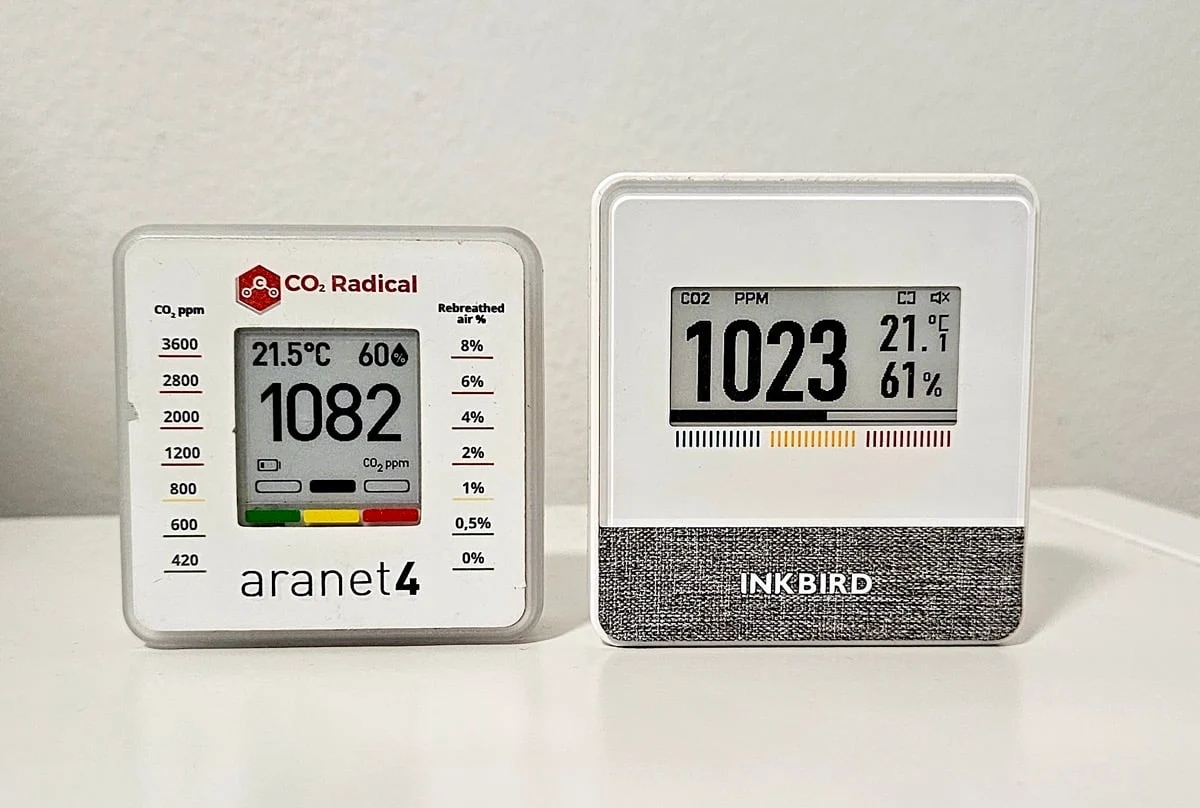
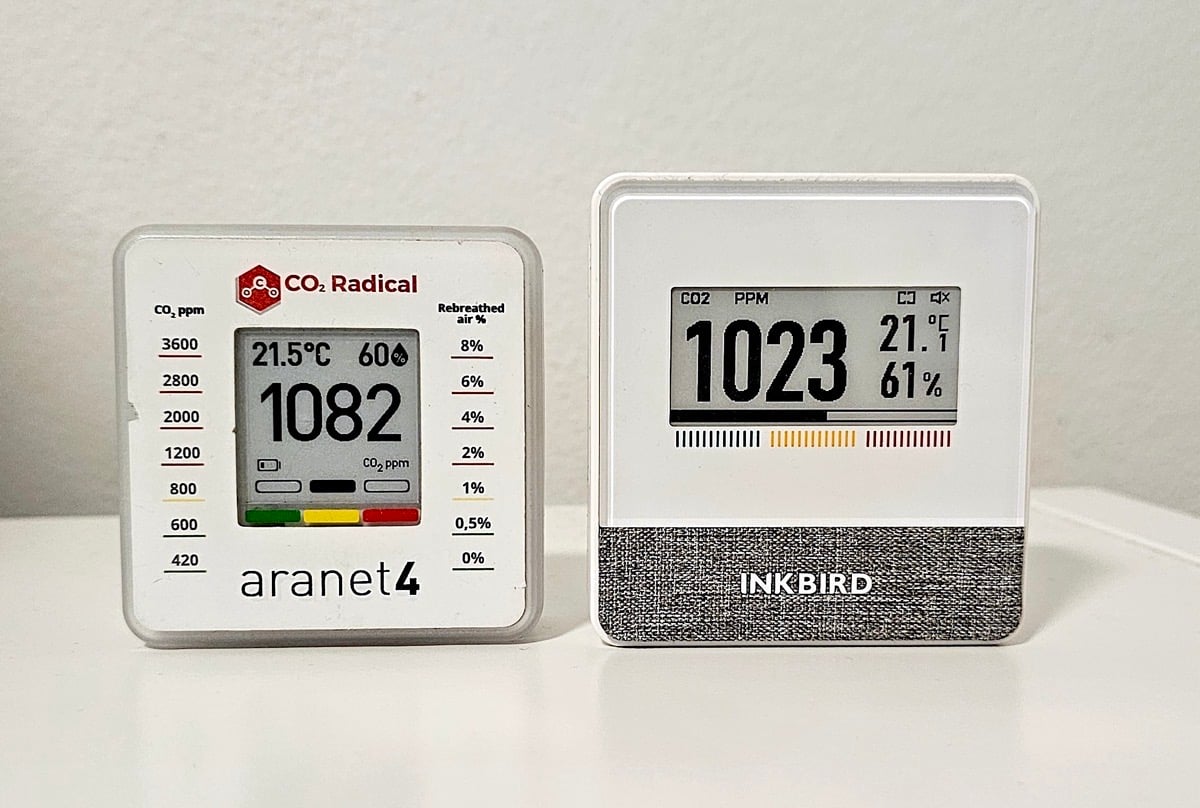
For instance, devices like the Aranet4 Home or Inkbird CO2 monitors allow individuals to gauge ventilation quality in real-time. Outdoor CO2 levels are typically around 400-450 parts per million (ppm). Public health experts often recommend aiming for indoor CO2 levels below 600 ppm, suggesting good ventilation where infection risk from general shared air is significantly reduced, limiting transmission primarily to close face-to-face interactions. Levels exceeding 1000 ppm are generally considered indicative of poor ventilation and a substantially elevated risk of airborne transmission, prompting recommendations to either vacate the space quickly or implement higher-grade personal protective measures.
The utility of CO2 monitors extends beyond public spaces. They can reveal surprisingly high CO2 accumulation in seemingly benign environments, such as a car with recirculated air or a closed bedroom overnight, which can impact sleep quality and overall well-being. While filtration systems (like those on airplanes) can clean the air even with high CO2, it is critical to note that these systems may not always be active, particularly when aircraft are on the ground. This makes informed decision-making possible, transforming an invisible threat into a quantifiable metric.
Advanced Personal Protection: The Role of Respirators
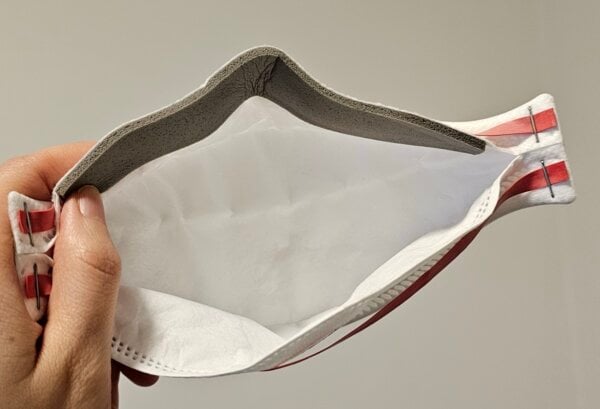
When good ventilation is unattainable, respirators—such as N95, P2, or equivalent international standards (e.g., KN95, FFP2)—offer robust personal protection by filtering airborne particles, including viruses, before they are inhaled. These are significantly more effective than surgical or cloth masks, which primarily serve to reduce outward spread from the wearer rather than protect the wearer from inhaling pathogens.
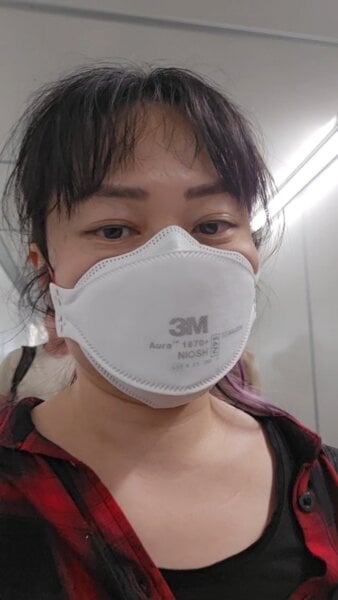
Key considerations for respirator effectiveness include:
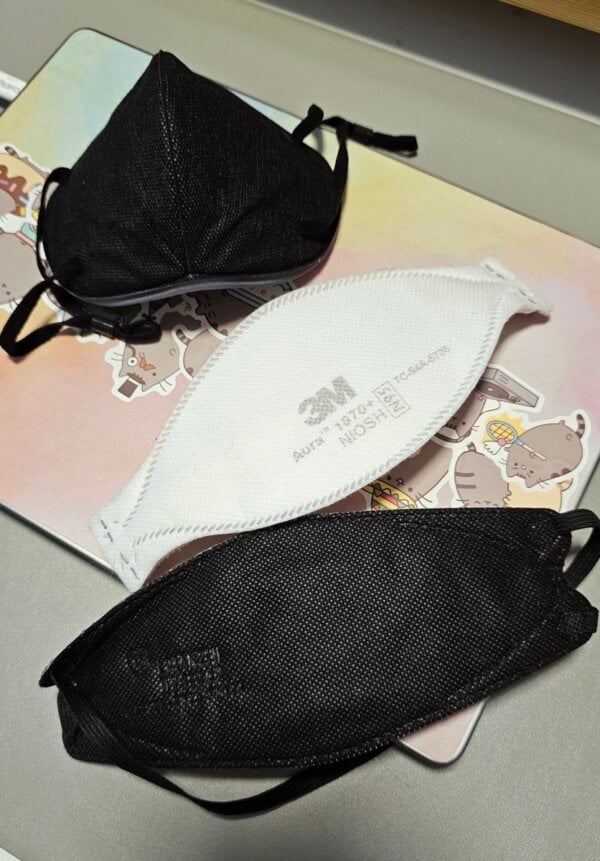
- Fit: The most crucial factor. A tight seal around the face prevents unfiltered air from bypassing the filter material. While formal fit testing is standard for occupational use, a simple "seal check" (inhaling sharply and feeling for air leaks) can indicate a good fit for personal use. Softer, boat-shaped designs like the 3M Aura often achieve a better seal and greater comfort for a wider range of face shapes compared to traditional cup-style masks.
- Filtration Efficiency: N95 masks filter at least 95% of airborne particles 0.3 microns or larger. Many advanced respirators utilize electrostatic material for enhanced filtration.
- Reusability: Contrary to common misconceptions, N95 respirators are not single-use items in non-medical settings. They can be reused until breathing becomes noticeably difficult due to filter degradation or the mask’s seal integrity is compromised.
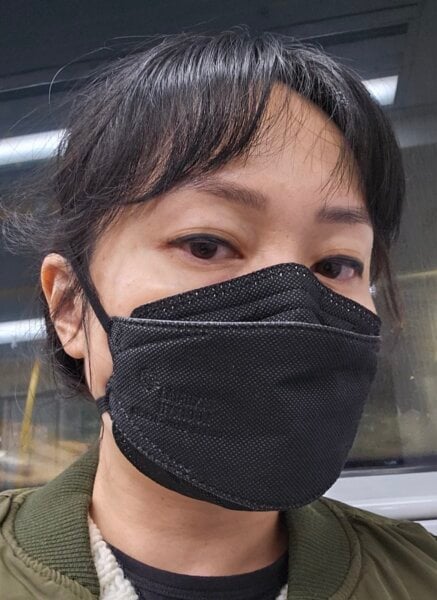
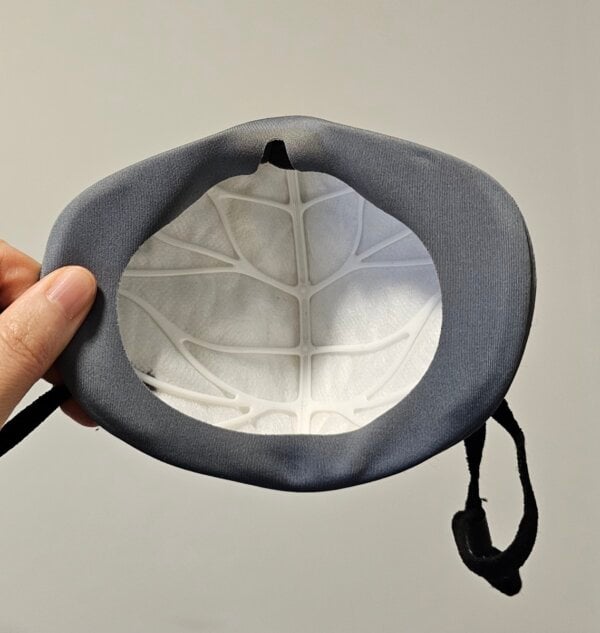
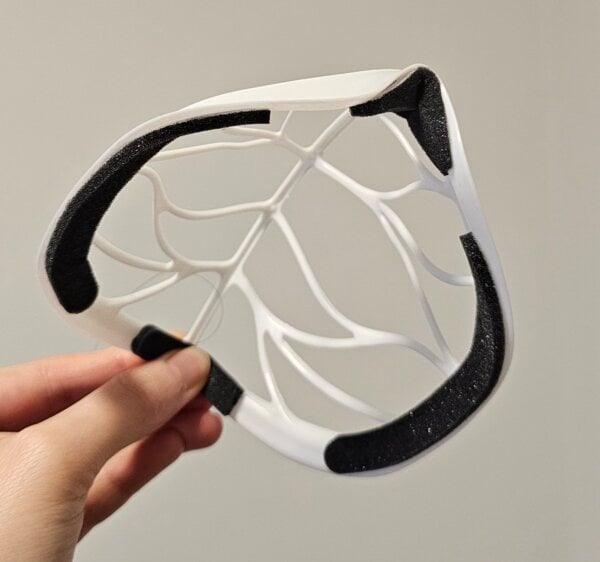
- Comfort and Design: Innovations in design, such as the Zimi Air, incorporate an internal frame and gasket to improve seal and comfort, minimizing facial marks and making them suitable for longer wear or even with makeup. Other models, like the Laianzhi HYX1002, offer similar protective qualities with aesthetic options like black fabric.
Respirators are particularly recommended in high-risk indoor environments such as public transport (especially planes during ground time when filtration systems might be off), airports, healthcare facilities, pharmacies, and crowded indoor gatherings. Their benefits extend beyond pathogen protection; for instance, the increased humidity inside a respirator can prevent nasal dryness and nosebleeds during air travel, a common complaint among frequent flyers.
Innovations in Air Purification: Laminar Flow and Far-UVC Technology
Beyond personal respirators, technological advancements offer supplementary layers of protection through air purification.
-
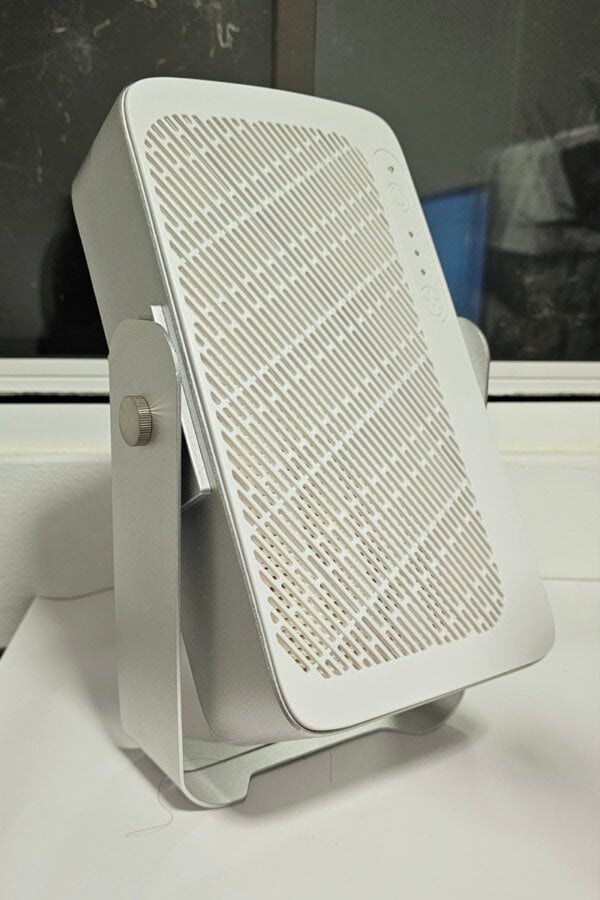
Laminar Air Flow Purifiers: Traditional air purifiers typically produce turbulent airflow, meaning the clean air stream quickly mixes with ambient, potentially contaminated air. Laminar air flow purifiers, exemplified by devices like the AirFanta 4Lite, are designed to maintain a coherent, unidirectional stream of clean air over a longer distance. This creates a "personal clean air zone," allowing an individual to breathe significantly cleaner air even in a shared space, making it useful for situations like dining indoors or working in a communal office. Wearable versions, such as AirFanta Wear, aim to provide targeted clean air directly to the user’s breathing zone, though their effective range is more limited and they are not a substitute for a well-fitting mask.
-
Far-UVC Technology: A particularly promising development is Far-UVC light, specifically at 222 nm wavelength. Unlike conventional germicidal UVC (which is harmful to human skin and eyes and was implicated in incidents like the Bored Ape convention eye injuries), Far-UVC at 222 nm has demonstrated efficacy in inactivating airborne pathogens with minimal reported harm to human tissues. This technology is still relatively new, and questions remain regarding product specifications and long-term safety, but it holds significant potential for continuous disinfection in occupied public spaces like restaurants, dental offices, and transportation hubs. Reputable manufacturers like Nukit are leading efforts to develop and market Far-UVC devices responsibly, providing clear guidance on sensible use.
Broader Environmental Air Quality: Room Air Purifiers
For general indoor spaces—including homes, classrooms, offices, and hotel rooms with central air—standalone air purifiers equipped with High-Efficiency Particulate Air (HEPA) filters are invaluable. These devices effectively remove airborne particles, including viruses, bacteria, allergens, smoke, and pollen, thereby improving overall indoor air quality and reducing the concentration of pathogens.
When selecting an air purifier, the Clean Air Delivery Rate (CADR) is a critical metric, indicating how quickly the purifier cleans a room of specific pollutants (smoke, pollen, dust). A higher CADR is generally better for larger spaces or areas with high occupancy. Resources like the Clean Air Stars recommendation tool assist consumers in selecting appropriate models. Proper placement, typically a short distance from walls to allow for optimal airflow, maximizes their effectiveness. Strategically deployed, these purifiers can significantly lower the background risk of airborne infection, creating safer indoor environments.
Ancillary Measures: Nasal Rinses and Sprays
While not primary lines of defense against airborne transmission, nasal rinses and certain nasal sprays may offer supplementary benefits.
-
Nasal Rinses: Practices such as saline nasal irrigation, often performed with devices like Neilmed bottles and sachets, have been studied for their role in reducing the duration of common colds and alleviating allergy symptoms. The theoretical benefit in pathogen defense lies in their ability to physically flush out viral particles trapped in nasal mucus before they can establish a full infection. While not a substitute for robust measures like ventilation or respirators, their low risk profile makes them a reasonable adjunct, particularly after exposure to higher-risk environments.
-
Nasal Sprays: Some nasal sprays contain active ingredients designed to either create a physical barrier to viral binding in the nasal passages or to directly inactivate viruses on contact. However, the inconsistent delivery and short residence time of many sprays limit their overall efficacy. As with nasal rinses, they are best viewed as a minor supplemental measure rather than a standalone protective strategy.
Staying Informed: Monitoring Community Viral Levels
A proactive approach to infection prevention also involves situational awareness. Monitoring community viral levels, often available through public health dashboards or wastewater surveillance data, can inform personal risk assessments. Just as one might check the UV index before spending time outdoors, understanding the prevailing burden of respiratory illnesses in the community allows individuals to adjust their precautions, opting for higher protection during periods of elevated viral circulation. This dynamic approach ensures that mitigation efforts are proportionate to the current threat landscape.
The Broader Public Health Imperative
The increased focus on personal infection control highlights a broader public health imperative. The long-term consequences of recurrent respiratory infections, particularly COVID-19, are increasingly understood to include a spectrum of health issues, notably Long COVID. This condition can manifest with debilitating symptoms affecting multiple organ systems, even in individuals who were previously healthy and fit. Given the complex nature and current lack of definitive cures for conditions like Long COVID, preventative measures become even more critical.
The widespread adoption of strategies like improved indoor ventilation, consistent use of high-quality respirators in high-risk settings, and advancements in air purification technologies offer societal benefits that extend beyond individual health. They contribute to reduced healthcare burdens, improved workforce productivity, and enhanced quality of life by minimizing the frequency and severity of respiratory illnesses. As scientific understanding continues to evolve, a multi-faceted approach to mitigating airborne transmission, integrating personal responsibility with innovative technologies and informed public health policies, is essential for building a more resilient and healthier society.