
The plant-based dairy market in the United States continues its robust growth, with yoghurt alternatives securing a significant $400 million in sales in 2024, positioning them as the third-largest category behind milk and creamer alternatives. Despite this impressive market penetration, a notable disparity persists between the consumer acceptance of non-dairy yoghurts and their conventional dairy counterparts. Recent sensory taste tests, as highlighted in the Nectar 2026 Taste of the Industry report, reveal a substantial gap in preference. Only a quarter (26%) of non-vegan Americans express a liking for the average dairy-free yoghurt, a figure starkly contrasted by the nearly half (49%) who favor the dairy benchmark. This preference gap directly impacts purchasing intent, with only 44% of consumers indicating they would buy a vegan yoghurt pot, compared to a much higher 73% who are likely to purchase a plain, non-fat dairy version from a brand like Chobani.
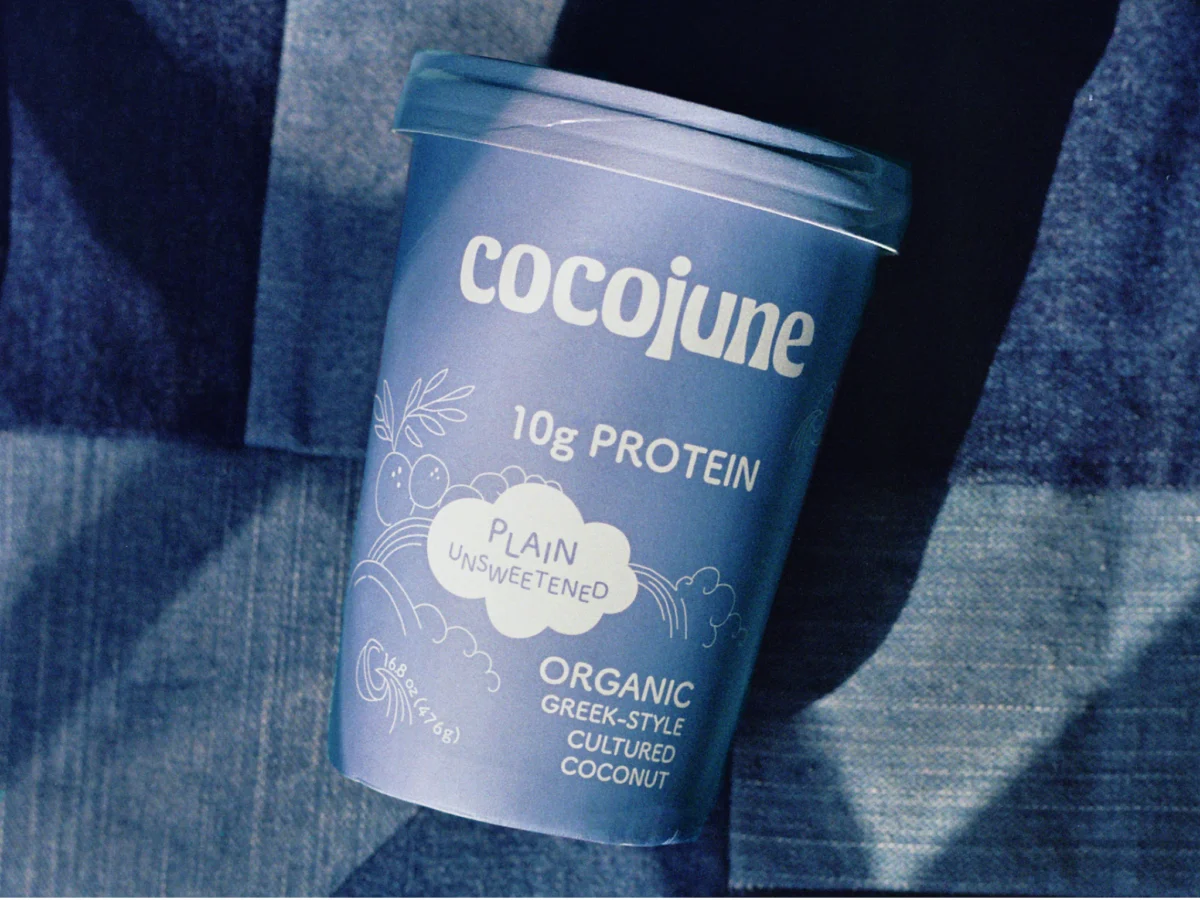
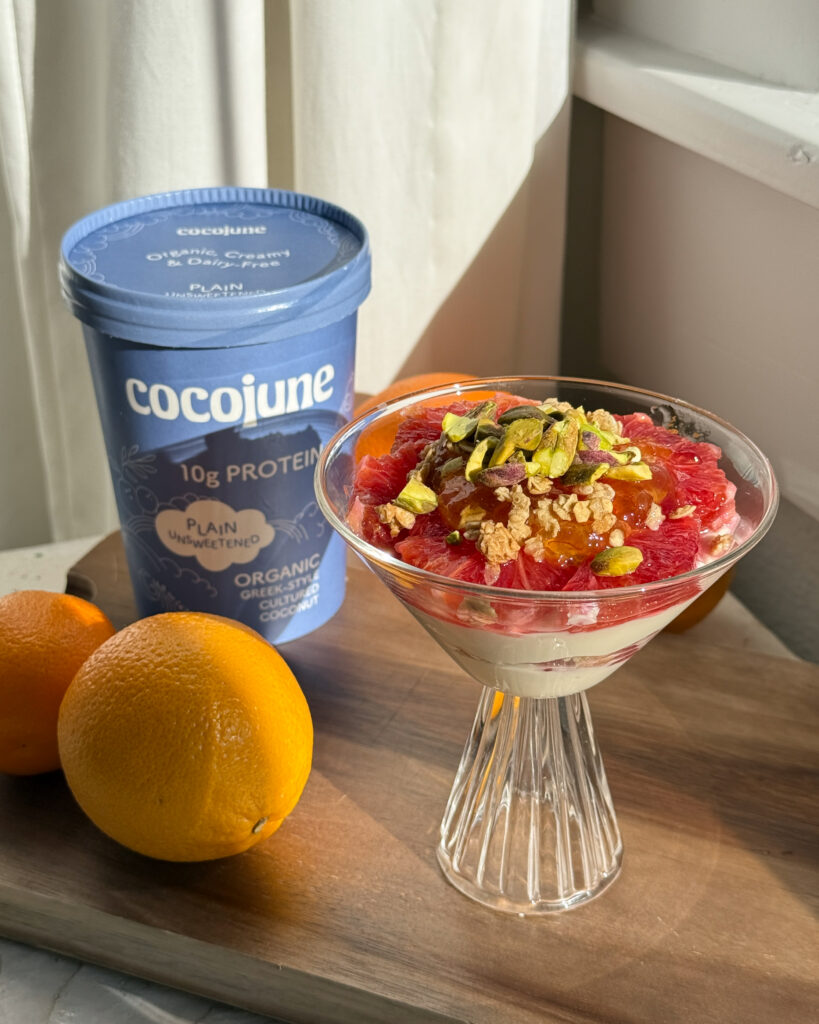
This challenge in consumer adoption was underscored by a recent industry accolade. Last month, only one non-dairy alternative earned a coveted Tasty Award, signifying that 50% of taste testers found it to be on par with, or even superior to, conventional yoghurt. This distinction was awarded to Cocojune’s protein-boosted plain coconut yoghurt, which was launched in October of the previous year.
"This specific product not only focuses on texture and taste, but it also delivers some functionalities that are pretty similar to dairy products," Johanne Hvelplund, head of product and R&D at Cocojune, explained to Green Queen. "It’s important that you check off all those boxes. And at the same time, it has these highly studied supplement-grade probiotics, which are what people are looking for."
Cocojune’s Protein-Rich Yoghurt Emerges as a Market Leader
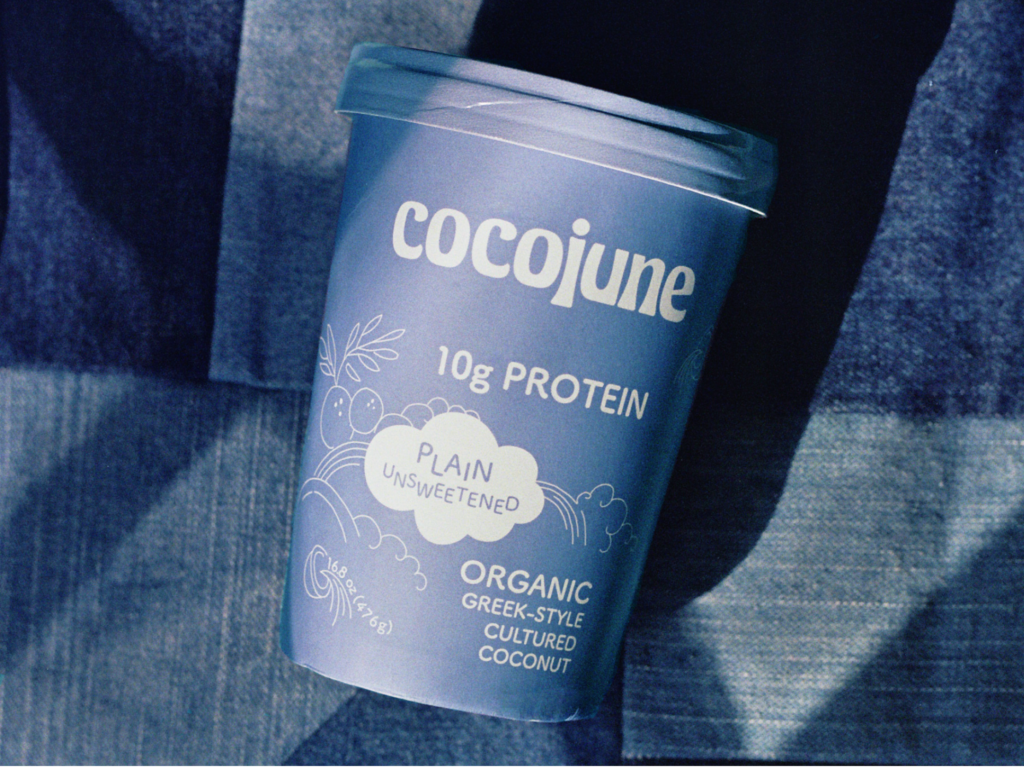
The success of Cocojune’s protein-boosted plain yoghurt can be attributed to its meticulously crafted formulation and strategic market positioning. The product features a blend of coconut milk, pea protein, inulin, citrus pectin, and a carefully selected array of vegan probiotic cultures. Each 160g serving delivers a substantial 10g of protein and 3g of fiber, addressing growing consumer demand for nutrient-dense plant-based options.
Hvelplund elaborated on the complexities of developing plant-based protein products, stating, "I’ve tried all organic plant-based proteins out there, and protein in general can be really tricky to work with when it’s plant-based, and also pea. Not all proteins are created equal. Pea delivers a good quality in general, also in terms of digestibility and bioavailability. So it’s good not only for texture creation, but also for health benefits."
Consumer feedback consistently praises the yoghurt’s texture, a critical factor often cited as a stumbling block for dairy-free alternatives. "It’s really unique for this," Hvelplund noted. "The texture is pretty light and creamy. And some people describe it as pretty close to a normal Greek yoghurt, because it’s not dry, which is what can be difficult with plant-based proteins. It’s not chalky, it’s not grainy; it is just smooth and light and fluffy."
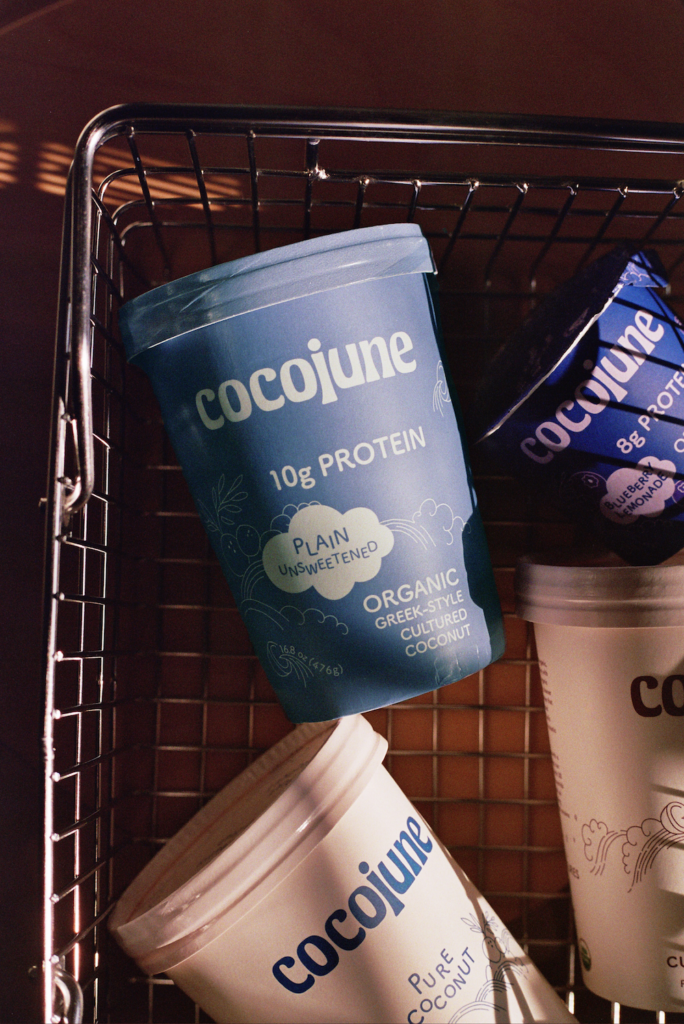
The protein line, which has expanded to encompass six distinct flavors since its introduction, has experienced significant traction. "It’s taking off. And I think in terms of protein, we just launched at a perfect time," Hvelplund observed.
The Protein Powerhouse: A Trend Riding High
The timing of Cocojune’s protein-focused launch aligns perfectly with a surge in protein consciousness among American consumers. A recent survey revealed that nearly three in five (57%) Americans plan to prioritize protein in their diets this year. Furthermore, a significant 43% of consumers are willing to pay a premium for products fortified with protein, a figure that escalates to 54% among younger demographics.
This heightened interest in protein is particularly pronounced among users of GLP-1 medications. A poll indicated that 73% of GLP-1 users are actively seeking to increase their protein intake. The prevalence of these medications has seen a notable rise, increasing from 10% of the American population in 2024 to an estimated 18% in 2025. These drugs are known to contribute to muscle mass reduction, ranging from 5% to 40% over an eight to sixteen-month period, a rate considerably higher than that associated with non-medicated weight loss or age-related muscle loss. This phenomenon is driving a greater emphasis on protein consumption as a countermeasure.
Concurrently, there has been an increased focus on fiber intake, as this nutrient, along with fermented foods like yoghurt, can stimulate the body’s natural GLP-1 response. "GLP-1 can be a buzzword for many things," Hvelplund acknowledged. While Cocojune’s products contain sufficient fiber to potentially warrant health claims on packaging, the company’s primary strategy remains rooted in product excellence. "But we think it’s about making products that taste good and have a good texture, and not focusing ultimately on the functionality, because then you can’t win over all the consumers."
Targeting Wellness-Minded Consumers: Cocojune’s Strategic Focus
The demographic most receptive to the burgeoning trend of protein-enhanced foods and beverages is younger consumers. Nearly four in five Gen Z and millennial Americans have noticed an increase in brands promoting their protein content or adding it to products. This trend bodes well for companies like Cocojune, as 39% of these age groups express a preference for a wider selection of high-protein options.
When asked about Cocojune’s target consumer, Zanna Scrimgeour, brand partnerships manager at the startup, outlined an evolving strategy. "Initially, it was vegans, and then it grew to vegetarians, and now we’re working on omnivores, because our product is so versatile that you don’t have to be somebody who’s dairy-free or lactose-intolerant to enjoy our products," she stated.
"So now we’re really just trying to target people who are wellness-minded and are looking for functional products that taste good and feel good for you as well," Scrimgeour continued.
Hvelplund emphasized the company’s commitment to consumer-centric development. "We are always trying to grow the consumer group that we are targeting, and that means that we need to listen to other people also. We do feel like we know what they want, but we also want to listen to what people want, without compromising on our sustainable ingredients, plastic-neutral [philosophy], and all that."
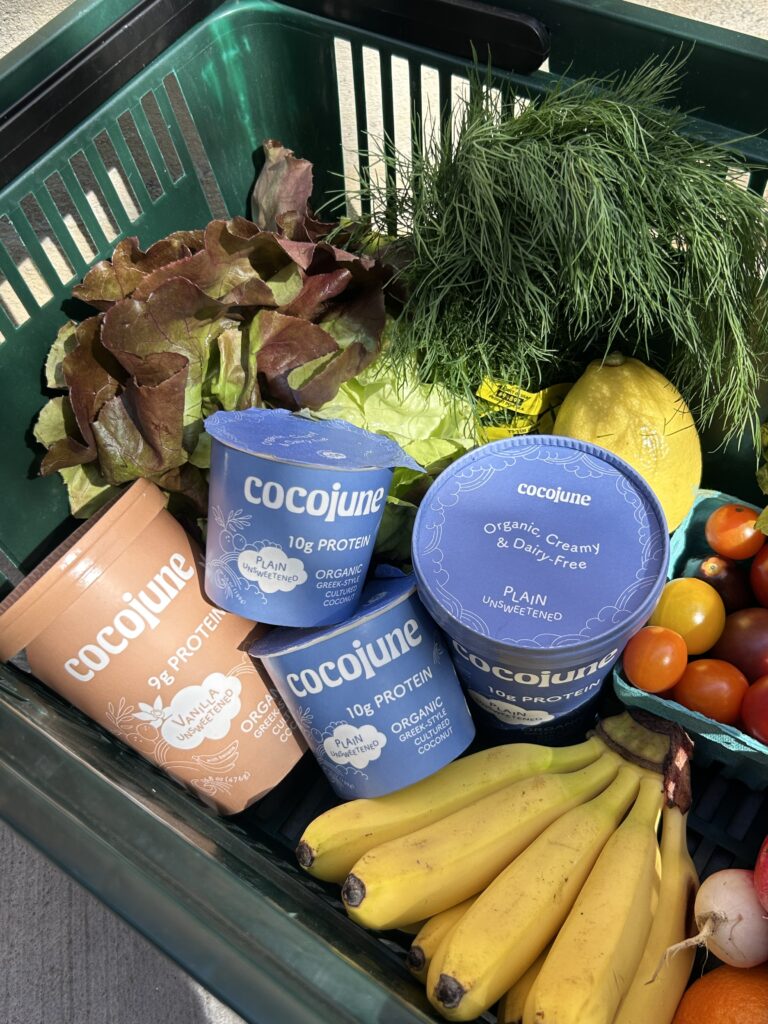
Reflecting on the insights gained from the Nectar taste test, Hvelplund mentioned, "I did get a lot of insight on some of the flavor notes people like. Also, just a use case of products – like, this product can also be used in savory dishes… Do people care about specific ingredients in the same way that I do, or should we be more open towards some things?"
Looking ahead, maintaining product consistency and quality remains a paramount focus for Cocojune, especially given the rapid expansion of the protein market. "We have our own production, so making sure that we deliver every time is huge. I’m also working with quality assurance – that’s really important for us," Hvelplund confirmed. "And then, of course, because we have our own facilities, it’s easy for us to introduce new products. So we are working on developing new products as well, but it’s always surrounding fermentation."
Bridging the Dairy Divide: The Future of Plant-Based Yoghurts
Hvelplund firmly believes that achieving parity with dairy yoghurts in terms of texture, flavor, and functionality is crucial for the success of plant-based alternatives. "You shouldn’t try to incorporate all functionalities, because you could start focusing on other things than what normal dairies focus on. Normal dairies are not focusing on fiber – it’s not a fiber product," she asserted.
Her recommendation for the category is to strategically integrate certain functionalities without overwhelming consumers. "This is something you eat every day, so you want to have some health benefits from it. As long as you deliver high-quality probiotics and protein, then I think you are good on the dairy side. The missing thing on a lot of plant-based products are the high-quality probiotics," she suggested.
"We spend so much time sourcing these really specific probiotics. And it’s not about ‘the more, the merrier’ – it’s about getting the right bacteria. And I think a lot of people don’t know that," Hvelplund added. "The right bacteria, in the right amount, and not extremely high counts, and it has to survive throughout shelf life and in the gut – you need to have those probiotics by the end of shelf life and in your digestive system."
Cocojune’s products are currently accessible in over 12,000 retail locations across major U.S. retailers, with ongoing efforts to expand distribution. "We’re just continuing to ride that momentum," said Scrimgeour. "And we have a little bit of international distribution, which is exciting. We just launched in Costco Canada. So that’s really cool. But for the most part, we’re just working on getting more products on more shelves, so that everybody can trial Cocojune and realize how much they love it."
The company has also received numerous international inquiries from Europe, Japan, and Latin America, indicating a global demand for products that offer a similar quality and taste profile to conventional dairy yoghurts. While international expansion is a long-term aspiration, Cocojune remains focused on solidifying its presence in the domestic market and continuing its growth trajectory. "So we have a ways until we can get there. But I think that that would be a dream of ours, one day, to expand internationally," Scrimgeour concluded.