
Lab Muffin Beauty Science, led by cosmetic chemist Dr. Michelle Wong, has published a comprehensive analysis challenging widespread misconceptions about hair hydration and the pervasive role of water in hair health. The new insights aim to demystify one of the most confusing aspects of haircare, asserting that water’s interaction with hair is far more nuanced than commonly portrayed by marketing and even some traditional experts. This deep dive into the molecular mechanics of hair offers a fresh perspective, emphasizing that water is neither inherently damaging nor universally beneficial, but a dynamic tool whose effects depend critically on hair type and care practices.
For years, the beauty industry has championed "hydrated hair" as the ultimate goal, equating it with softness, smoothness, and overall health. Shelves are laden with products promising to infuse hair with moisture, creating a strong consumer belief that more water is always better. However, Dr. Wong’s research, referencing established scientific literature, argues that this notion of "hydrated hair" is largely a myth, a simplification perpetuated for commercial reasons rather than scientific accuracy. She highlights instances where cosmetic scientists, despite knowing the complexities, advise against dispelling these ingrained beliefs to avoid alienating consumers. This underscores a significant disconnect between scientific understanding and mainstream beauty narratives, leaving consumers vulnerable to misleading product claims.
The Intricate Dance: Hair Bonds and Water Interaction
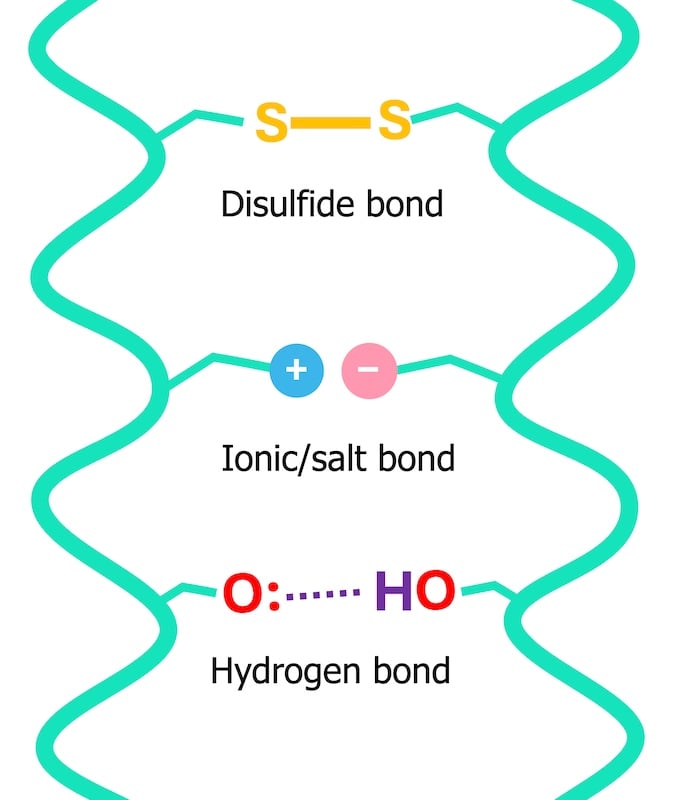
To truly grasp water’s influence, one must understand the fundamental structure of hair. Hair is primarily composed of keratin proteins, which are robust, fibrous structural proteins. These proteins are meticulously organized and held together by various types of chemical bonds, which are critical in determining hair’s strength, elasticity, and shape. Broadly, these bonds fall into two categories: permanent and temporary.
Permanent bonds, primarily disulfide bonds, are strong covalent linkages that contribute significantly to the hair’s inherent shape, whether it’s naturally straight, wavy, curly, or coily. These bonds are relatively stable and are not easily broken by water or typical changes in temperature. They dictate the fundamental architecture of the hair fiber.
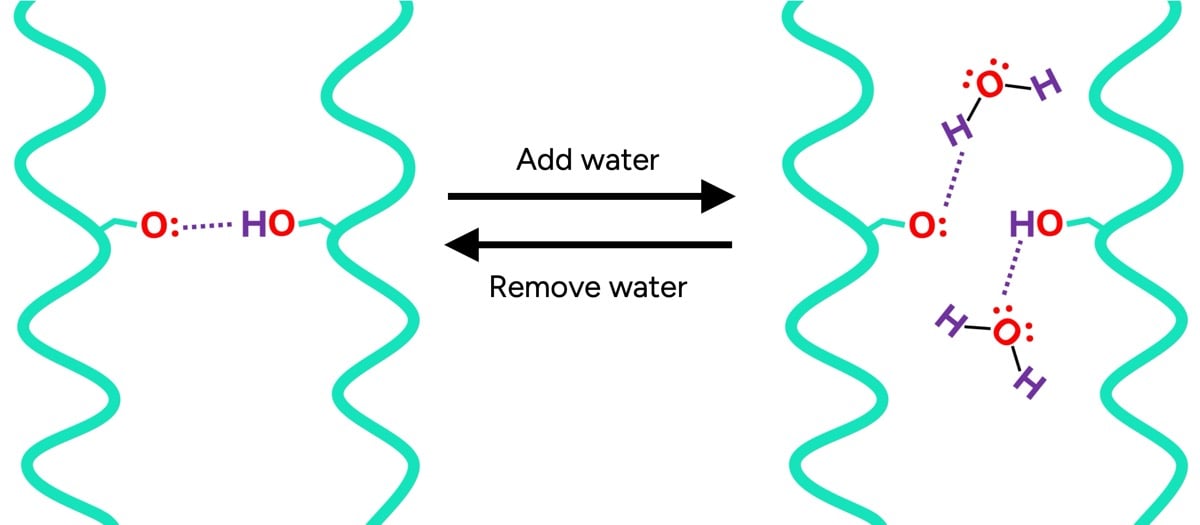
In contrast, temporary bonds, predominantly hydrogen bonds and some ionic bonds, are much weaker and highly sensitive to environmental factors. In dry hair, these temporary bonds act as a molecular "glue," holding adjacent protein strands together and contributing to the hair’s rigidity and shape. When water is introduced, a fascinating molecular exchange occurs. Water molecules, being highly polar, readily form hydrogen bonds with the hydrophilic (water-attracting) regions of the keratin proteins. This means that instead of the hair proteins "holding hands" with each other via temporary bonds, they begin to "hold hands" with water molecules.
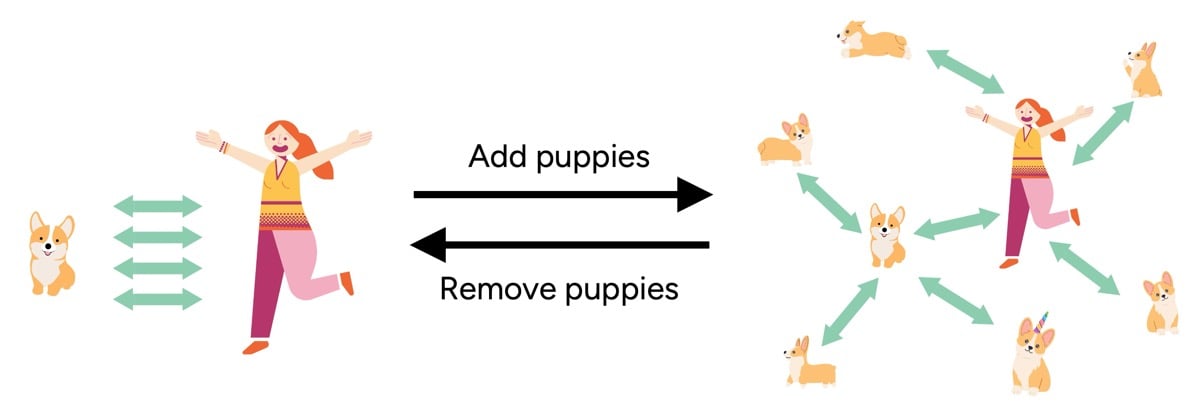
This phenomenon effectively displaces the protein-to-protein temporary bonds, leading to a significant reduction in the overall number of internal bonds holding the hair structure together. The analogy of a dog park helps visualize this: if two dogs (proteins) are bonding, introducing many friendly puppies (water molecules) will cause them to interact more with the puppies and less with each other, weakening their original bond. Consequently, wet hair, with its reduced internal bonding, becomes considerably weaker and more elastic, capable of stretching up to 30% or more compared to its dry state, but also more susceptible to damage. This increased flexibility, while seemingly beneficial, comes at the cost of structural integrity.
The Paradox of Wet Detangling: A Tailored Approach
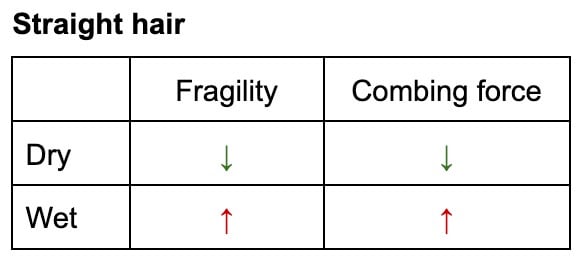
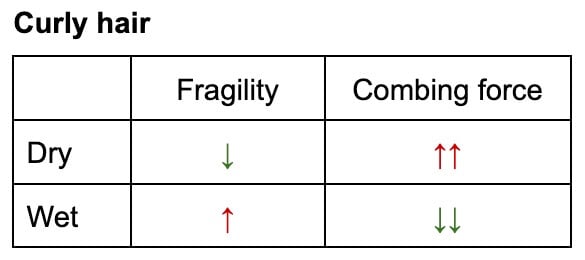
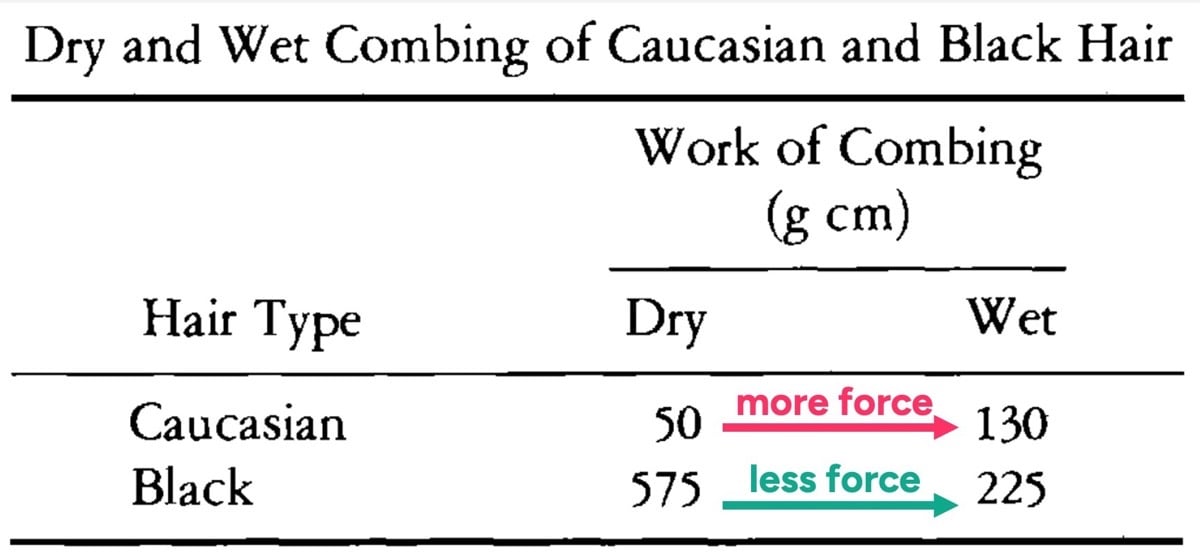
The altered mechanical properties of wet hair lead to a counter-intuitive truth regarding detangling, which varies significantly depending on hair type. For straight hair, the weakened internal structure combined with increased friction makes wet detangling inherently more damaging. Water molecules, while lubricating in some contexts, actually increase the surface friction between individual hair strands, causing them to stick together. This, coupled with hair’s reduced strength, means that combing straight wet hair requires more force and can lead to greater breakage and cuticle damage. Therefore, for straight hair, detangling when dry or nearly dry, perhaps with a pre-treatment, is often recommended.
Conversely, for curly and coily hair, wet detangling, especially with the aid of a conditioner, can be less damaging. While the hair is still weaker when wet, the looser structure of curls means less resistance to tangles. The lubricating effect of a good conditioner, combined with the hair’s increased elasticity, allows curls to be gently separated with less mechanical stress. The benefits of reduced tangling often outweigh the increased weakness. This nuance highlights why a blanket recommendation for wet or dry detangling is insufficient and why understanding one’s specific hair type is paramount. Even humidity, which introduces atmospheric water into the hair, can influence these dynamics, making hair more susceptible to damage during combing if not managed appropriately.
Sensory Perception vs. Scientific Reality: The "Dry" Hair Illusion
Perhaps one of the most striking revelations from Dr. Wong’s analysis is the disconnect between how hair feels and its actual water content. Common perception dictates that soft, smooth, "healthy" hair is "hydrated," while rough, coarse hair is "dry." Scientific studies, however, contradict this. A well-known study by Evans (2013) demonstrated that when panelists were asked to rate hair samples, those with lower water content were consistently perceived as more moisturized, smoother, less tangled, and less damaged. This suggests that our tactile perception of "hydration" is actually a response to surface smoothness rather than internal moisture levels.
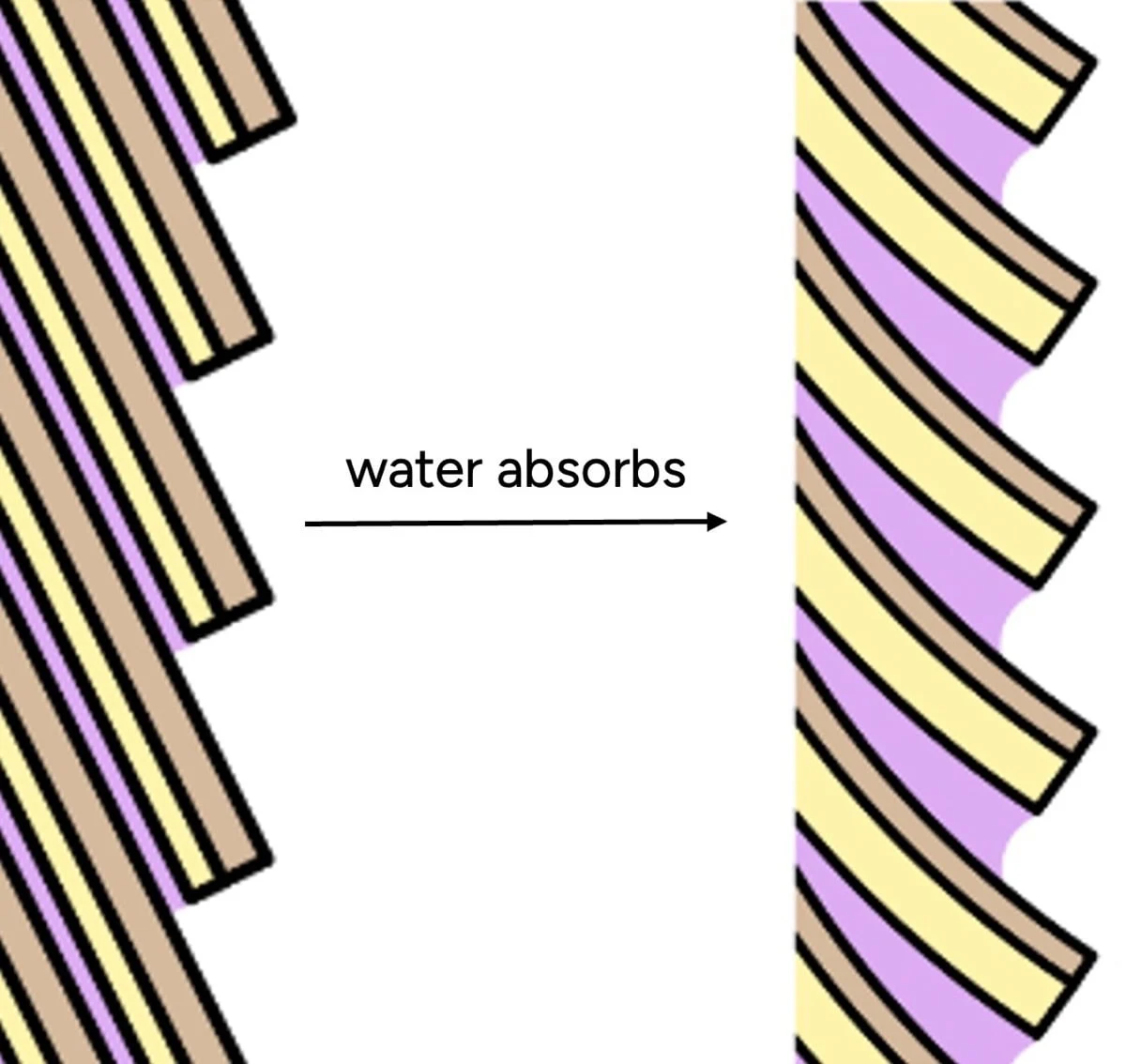
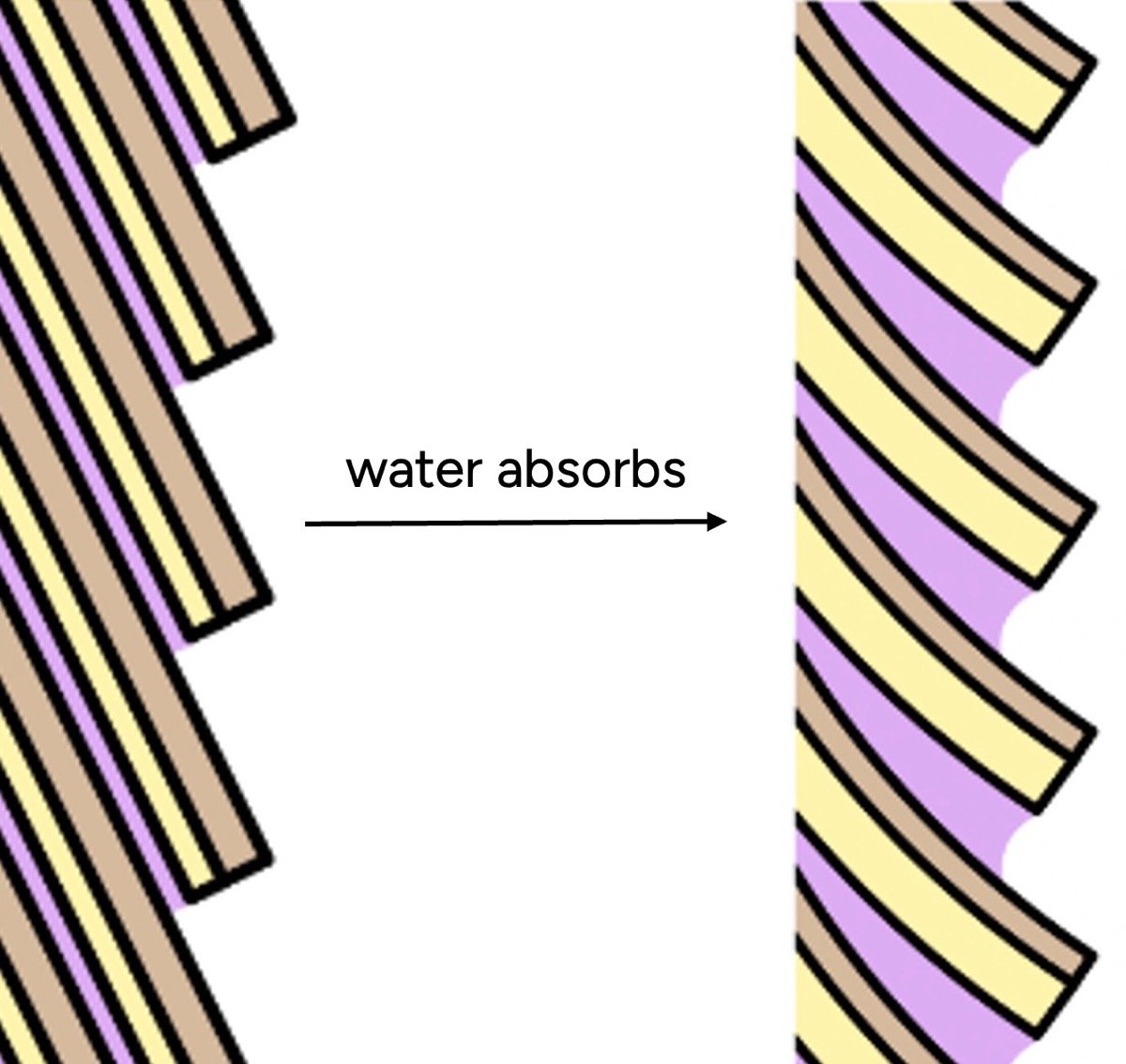
The explanation lies at the microscopic level, specifically with the hair’s outermost layer: the cuticle. The cuticle consists of overlapping scales, much like shingles on a roof. In dry hair, these scales lie relatively flat, creating a smooth surface. When hair absorbs water, different parts of the cuticle swell unevenly. The endocuticle (the underside of each scale) and the cell membrane complex (the "glue" between scales) absorb significantly more water than the exocuticle (the outer surface). This differential swelling causes the cuticle scales to lift and buckle, creating a rough, uneven surface. Furthermore, water itself is inherently sticky and increases friction, a property we exploit when wetting our fingers for a better grip on objects. Thus, hair with higher water content presents a bumpier, grippier surface on a microscopic scale, which our brains interpret as "dry" or "damaged," precisely because most other materials we encounter become smoother when wet.
Beyond "Hydration": The True Mechanism of Conditioning Products
Given that "hydrated hair" is a misleading term, how do products marketed for "hydration" actually work? Dr. Wong clarifies that these products primarily function as conditioners. Conditioners are formulated with key ingredients such as silicones, fatty alcohols, and various oils. These components deposit themselves onto the hair cuticle, forming a protective, smoothing layer. This layer effectively flattens the raised cuticle scales, reduces friction between strands, and creates a uniform, silky surface that feels soft and smooth to the touch. This artificial smoothness is what consumers perceive as "hydration."
Intriguingly, undamaged hair naturally possesses an outer protective layer called the F-layer (specifically, 18-methyl eicosanoic acid, or 18-MEA). This natural lipid layer is hydrophobic, repelling water and contributing to hair’s natural shine, smoothness, and protection against environmental damage. As hair undergoes chemical treatments, heat styling, or general wear and tear, the F-layer can be degraded or stripped away. Conditioners, therefore, act as biomimetic agents, attempting to replicate the protective and smoothing functions of this natural F-layer, thereby restoring the desirable tactile qualities of healthy hair.
The Ritual of Washing: Reshaping and Realignment
The common experience of hair feeling significantly better after a full wash-and-condition routine, compared to merely using a leave-in product, is not about "hydration" in the traditional sense, but a complex interplay of physical and chemical processes.
Firstly, water acts as an exceptional vehicle for spreading conditioning ingredients. The ample presence of water during a rinse-off conditioning treatment ensures that the active agents are distributed evenly across the entire hair shaft, maximizing their ability to coat and smooth the cuticle.
Secondly, water is remarkably effective at resetting the hair’s shape. This is directly linked to its ability to break temporary bonds. Heat styling, for instance, works by breaking and reforming these temporary bonds to create a new, desired shape. Washing hair, particularly with warm water and shampoo, efficiently breaks these newly formed temporary bonds, allowing the hair’s permanent bonds to pull it back into its natural, unstressed configuration. This "super floppy state" allows for more effective styling and removes any "memory" of previous styles or environmental distortions.
For curly and coily hair, water plays an additional crucial role in promoting curl clumping and definition. This phenomenon is largely due to surface tension. Water coats the outside of individual hair strands, making them slightly sticky. When wet strands come into contact, the surface tension of the water causes them to "zip" together, a process known as self-assembly. This leads to the formation of larger, more defined curl clumps. These aligned clumps present a larger, smoother surface area that transfers heat more efficiently to the hand, making them feel colder and smoother – a sensation often misinterpreted as "hydrated."
Finally, water can even reset hair’s shape at a microscopic level. Rapid drying, especially with hot air, can cause cuticle scales to dry unevenly and buckle, leading to a rough, damaged appearance. Similarly, mild stretching (around 15%) can induce this buckling. Soaking hair in water and allowing it to dry naturally can help reset these buckled scales, promoting a smoother, more uniform surface. Crucially, none of these beneficial effects are solely about the retention of water within the hair; rather, they are about water’s capacity to enter, temporarily transform, and then leave the hair fiber, facilitating a return to an optimal state.
The Delicate Balance: Optimal Water Content for Hair Health
Just as with skin, where too much moisture can lead to fragility (e.g., maceration) and too little to stiffness and cracking, hair also has an ideal moisture content. This "sweet spot" ensures optimal flexibility, strength, and appearance. However, hair differs from skin in two critical ways: it is a dead protein structure, meaning it cannot actively regulate its own moisture, and it lacks nerve endings, so its condition is perceived externally.
While excessive water can lead to weakness and surface roughness, insufficient water also presents significant problems for hair health:
- Increased Static Build-up: In environments with very low humidity (such as on an airplane), hair becomes prone to static electricity. This occurs because hair readily loses electrons when rubbed against other materials, and without sufficient water to conduct and dissipate these charges, they accumulate, leading to flyaways and frizz.
- Brittleness and Reduced Shock Absorbency: Hair that is excessively dry contains an abundance of temporary bonds, making it stiff and inflexible. This rigidity means the hair lacks the necessary elasticity to absorb mechanical shocks from activities like brushing or styling. Instead of flexing, it forms microscopic cracks that propagate, eventually leading to breakage. The analogy of clipping dry versus wet nails is illustrative: dry nails crack and splinter, while wet nails, being more flexible, clip cleanly.
Therefore, the objective is not to maximize water content, but to maintain hair within this optimal range, ensuring it is flexible enough to withstand daily stresses without being overly weak or rough.
Optimizing Hair’s Water Balance: Practical Strategies
Achieving and maintaining this "happy medium" of water content involves a combination of smart product choices and gentle care practices. While the term "hydrating" in product marketing can be misleading, the underlying mechanisms of these products often contribute to desirable hair qualities.
- Conditioners and Oils: These are paramount. Conditioners, as discussed, primarily smooth the cuticle, reduce friction, and enhance the hair’s feel and appearance. Oils, such as coconut oil or mineral oil, can penetrate the hair shaft or form a surface film, slowing down the rate of water absorption and loss. This helps to stabilize the hair’s moisture content, preventing rapid shifts that can lead to buckling or brittleness.
- Humectants: Ingredients like glycerin, hyaluronic acid, and panthenol are humectants, meaning they attract and retain moisture from the air. Their effectiveness is highly dependent on environmental humidity. In moderately humid conditions, they can help keep hair supple. However, in very dry climates, humectants can paradoxically draw moisture out of the hair, potentially leading to increased dryness if not used with an occlusive agent.
- Environmental Control: Utilizing humidifiers in dry indoor environments can significantly contribute to maintaining optimal ambient moisture levels, thereby preventing hair from becoming excessively dry and prone to static.
- Gentle Handling: This cannot be overstressed. Given that wet hair is weaker, it is crucial to handle it with extreme care. Using wide-tooth combs, starting from the ends and working upwards, and applying ample conditioner to reduce friction are essential practices, regardless of hair type.
- Protective Styles: Certain hairstyles can shield hair from environmental stressors and mechanical damage, helping to preserve its structural integrity and moisture balance.
Implications for the Beauty Industry and Consumers
Dr. Wong’s comprehensive analysis carries significant implications for both the beauty industry and consumers. For manufacturers, it underscores the need for greater scientific accuracy in product claims, moving beyond vague "hydration" to focus on demonstrable benefits like cuticle smoothing, friction reduction, elasticity enhancement, or frizz control. This shift would foster more transparent marketing and encourage the development of truly effective formulations grounded in hair science.
For consumers, these insights empower them to make more informed choices. Understanding that the subjective "feel" of hair can be misleading, and that water’s role is complex, allows individuals to select products and adopt routines that genuinely benefit their specific hair type and environmental conditions. It advocates for a critical approach to beauty marketing, encouraging individuals to seek out evidence-based information and prioritize actual hair health over simplistic, often inaccurate, promises. The ongoing scientific discourse within cosmetic chemistry, exemplified by publications like Dr. Wong’s, serves to elevate industry standards and promote a deeper, more accurate understanding of personal care.
In conclusion, water is not a simple villain or hero in the narrative of hair health. It is a fundamental component and a powerful tool. The goal of effective haircare is not maximum water content, but rather the maintenance of an optimal moisture balance, coupled with robust conditioning and gentle handling. By understanding the intricate molecular interactions between water and hair, consumers can navigate the vast landscape of haircare with greater confidence, focusing on practices that truly promote strong, smooth, and resilient hair. The myth of "hygral fatigue" – the idea that water itself intrinsically damages hair over time – is largely debunked; the emphasis should instead be on careful management of hair’s weakened state when wet, utilizing conditioning agents to mitigate mechanical stress.
References:
Robbins CR. Chemical and Physical Behavior of Human Hair. 5th ed. Springer Berlin Heidelberg 2012.
Evans T. Consumer vs. scientific language: relating in vivo to in vitro. Cosmetics & Toiletries. 2013;128(5):300-304.
Epps J, Wolfram LJ. Letter to the editor. J Soc Cosmet Chem. 1983;34:213-214.
Gamez-Garcia M. Moisture in the cuticle sheath: effects on hair mechanical and cosmetic properties. J Cosmet Sci. 2021;72:687-696.
Kamath YK, Hornby SB. Effect of chemical and humectant treatments on the mechanical and fractographic behavior of Negroid hair. J Soc Cosmet Chem. 1985;36:39-52.
Kaushik V, Chogale R, Mhaskar S. Single hair fiber assessment techniques to discriminate between mineral oil and coconut oil effect on hair physical properties. J Cosmet Dermatol. 2021;20(4):1306-1317. doi:10.1111/jocd.13724