

The landscape of sustainable food innovation is constantly evolving, marked by groundbreaking product launches, strategic market expansions, and significant company achievements. This week’s "Future Food Quick Bites" column delves into a range of developments, from alternative fat technologies making their mark on the aviation industry to unexpected fashion collaborations and remarkable sales growth for plant-based staples. These stories highlight the dynamic nature of the sector as it addresses consumer demand for more sustainable and ethical food choices.
Pioneering Ingredients Take Flight and Expand Reach

A significant development in the alternative fat sector comes from Savor, an innovative startup focused on carbon-derived ingredients. Savor recently showcased its flagship product, EcoButter, at United Elevated, an event hosted by United Airlines in an LAX hangar. This showcase featured chocolates crafted by TCHO Chocolate, incorporating Savor’s unique butter alternative. United Airlines, an existing investor in Savor, provided a prominent platform for the ingredient’s potential application in the food service industry, particularly within the airline sector. The use of carbon-derived ingredients like EcoButter represents a cutting-edge approach to reducing the environmental footprint of food production. By leveraging captured carbon, Savor aims to create fats that not only mimic the sensory qualities of traditional butter but also offer a significant reduction in greenhouse gas emissions compared to conventional dairy fats. The airline industry, with its substantial food service operations and growing commitment to sustainability, presents a compelling market for such innovations. The presence of EcoButter in a high-profile event at a major airline hub signals a potential shift towards more sustainable catering solutions in air travel, an area where emissions reduction is a key focus.
Expanding its footprint in the plant-based frozen food market, Blackbird Foods has successfully broadened the availability of its popular five-inch Pizza Minis. Consumers across the United States can now find the cheese and pepperoni variants of these convenient, plant-based pizzas at Sprouts Farmers Market. This nationwide distribution through a major grocery chain signifies a growing consumer appetite for plant-based alternatives in everyday meal solutions and validates Blackbird Foods’ strategy in meeting this demand. The accessibility of these products at a national retailer like Sprouts is crucial for further normalizing plant-based eating and making it a convenient option for a wider demographic.
In a move to scale up production of a novel ingredient, New Zealand-based Nutrition from Water has entered into a commercial partnership with China’s Jiangsu Jiangshan Pharmaceutical. This collaboration will focus on the large-scale production of Marine Whey, a protein derived from microalgae. Microalgae are recognized for their sustainable cultivation potential and rich nutritional profile, making them a promising source for alternative proteins. The ability to produce Marine Whey commercially marks a critical step in bringing this innovative ingredient from the lab to the market, potentially offering a sustainable and nutrient-dense alternative to traditional dairy whey. This partnership underscores the increasing globalization of the alternative protein supply chain and the strategic alliances being formed to meet burgeoning demand.

Innovations in Texture and Taste Drive Product Development
Schouten Europe, a Dutch food company, has introduced a new plant-based fillet that aims to revolutionize the texture of meat alternatives. This innovative product features a proprietary fiber structure designed to closely mimic the texture of animal muscle while employing a reduced level of processing. This focus on replicating the sensory experience of traditional meat, combined with a commitment to less processed ingredients, addresses a key consumer desire for plant-based options that do not compromise on taste or mouthfeel. The development signifies a sophisticated approach to ingredient engineering within the plant-based sector, moving beyond simple imitation to a deeper understanding of food structure.
Meanwhile, Dutch snack manufacturer De Bourgondiër is embracing a hybrid approach with its new line of blended beef croquettes and bitterballen. These popular Dutch snacks now incorporate brewers’ spent grain, a byproduct of the brewing industry. This innovative use of a circular economy ingredient not only adds nutritional value and a unique flavor profile but also significantly reduces waste. By blending traditional meat with a sustainable byproduct, De Bourgondiër is demonstrating a practical application of waste valorization in the food industry, offering consumers a familiar product with an enhanced sustainability narrative. The inclusion of brewers’ spent grain also taps into the growing trend of upcycled ingredients, appealing to environmentally conscious consumers.

Fashion and Branding Converge with Plant-Based Movement
In an unexpected yet impactful collaboration, French startup La Vie, known for its plant-based bacon, has ventured into the fashion world. The company has partnered with MoEa to launch a 100% vegan sneaker. The initiative is not merely a marketing exercise; all proceeds from the sale of these sneakers will be donated to the animal rights charity YouCare France. This cross-industry collaboration highlights how plant-based brands are expanding their reach and engaging consumers through lifestyle partnerships, while simultaneously supporting a charitable cause. Such ventures can broaden brand recognition and appeal to a consumer base that values ethical consumption across all aspects of their lives, from food to fashion.
La Vie has also undergone a significant brand refresh, transitioning its visual identity from pink to green. This strategic shift was driven by market research indicating that the previous pink branding did not sufficiently signal its plant-based identity to consumers. The adoption of green, a color commonly associated with nature and plant-based products, is expected to enhance the perception of its offerings as "natural" by nearly 17% among its target audience. This rebranding effort underscores the importance of visual cues in communicating brand values and product positioning in a competitive market, especially for plant-based products aiming to differentiate themselves from conventional alternatives.

Market Dominance and Strategic Leadership in the Plant-Based Sector
London-based Bold Bean Co has achieved a significant milestone, becoming the top-selling brand in the canned beans and chickpeas category in the United Kingdom. The company has reported an impressive year-on-year sales growth of over 94%, a testament to the increasing consumer preference for plant-based protein sources. This remarkable growth suggests a strong product-market fit and effective consumer engagement strategies. Bold Bean Co’s success indicates a robust demand for high-quality, plant-based pantry staples, positioning it as a leader in a rapidly expanding market segment. The company’s focus on simple, wholesome ingredients likely resonates with consumers seeking healthier and more sustainable options.
The vegan pet food startup Omni has appointed Mike Stevens as its new managing director. This move follows a year of exceptional growth for the company, with sales increasing more than tenfold. Stevens brings a wealth of experience to Omni, having previously founded Peppersmith and served as head of operations at Innocent Drinks. His leadership is expected to guide Omni through its next phase of expansion, building on its already impressive trajectory in the burgeoning plant-based pet food market. The pet food industry, much like the human food sector, is witnessing a significant shift towards more sustainable and ethical product choices, and Omni’s strategic leadership appointments reflect this trend.

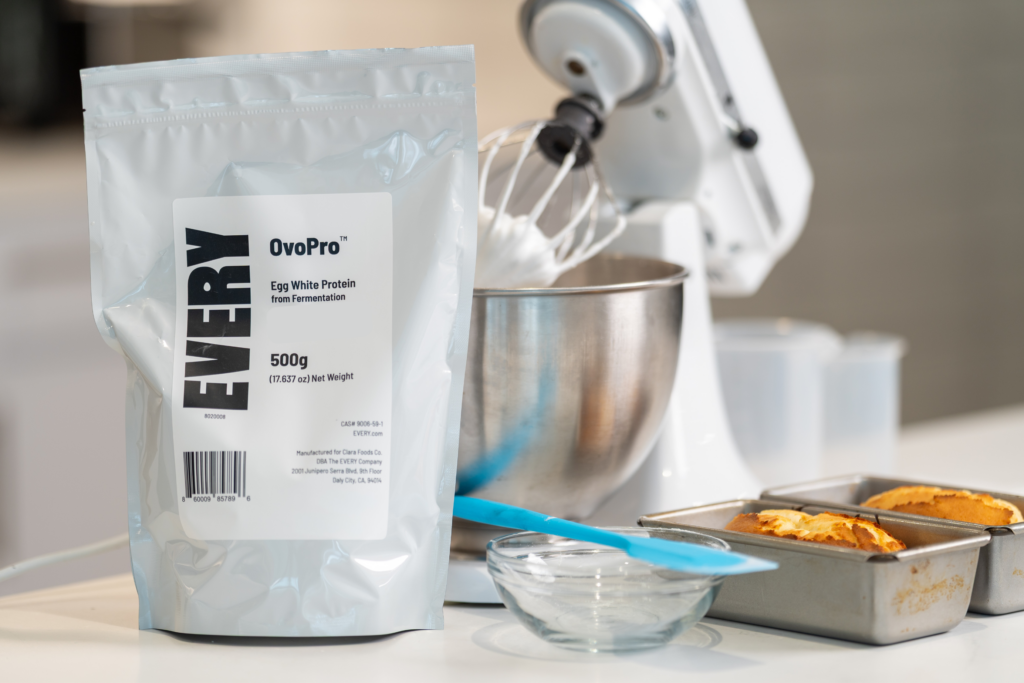
In the United States, Californian precision-fermented egg startup, The Every Company, has bolstered its sales team with the appointment of Riley Jackson as its sales manager. Jackson’s previous roles at prominent alternative protein companies such as Ivy Farm Technologies, TiNDLE Foods, and Impossible Foods provide her with extensive experience relevant to The Every Company’s mission. The company’s focus on precision fermentation to produce egg proteins positions it at the forefront of innovative food technology, and Jackson’s expertise will be vital in driving market adoption and commercial success.
Conversely, Swiss supermarket Coop has made a significant decision regarding its plant-based offerings, delisting Emmi’s Beleaf brand of plant-based milks, cheeses, and yoghurts. The retailer cited that the products did not meet its expectations. While other Emmi products remain available, this delisting suggests a critical evaluation of product performance and consumer reception within the competitive plant-based dairy alternative market. Retailers play a crucial role in shaping consumer access to new products, and such decisions can have a substantial impact on brand visibility and sales.
Research, Policy Engagement, and Industry Recognition
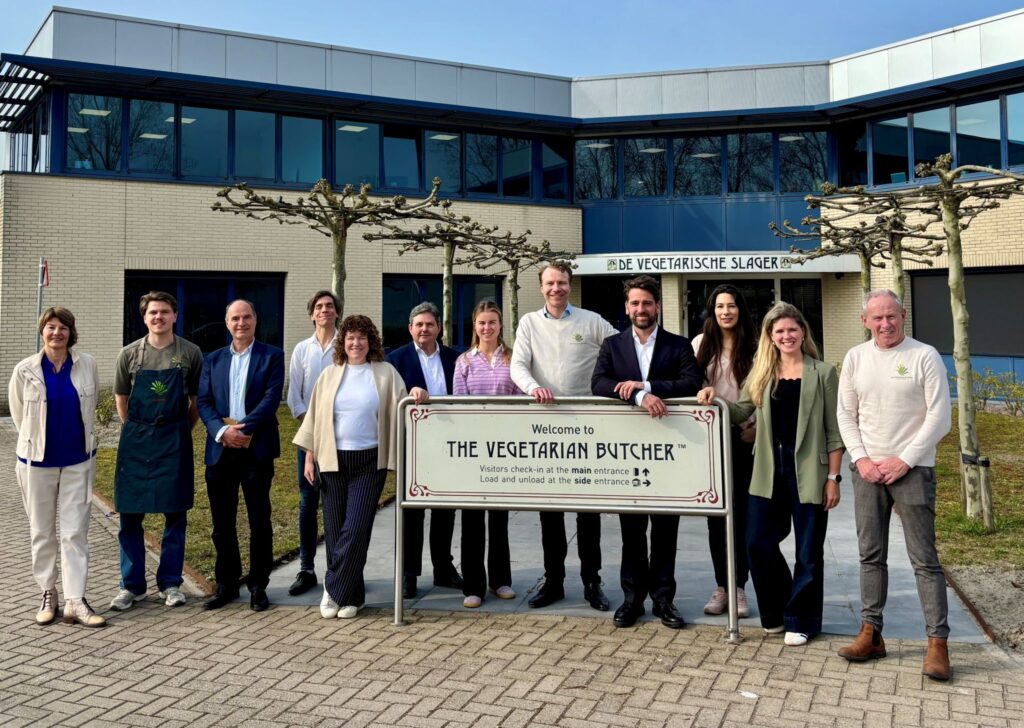
The Vegetarian Butcher Collective, a subsidiary of JBS, recently hosted a delegation of political representatives from the Dutch and European parliaments. The focus of this high-level meeting was to discuss the protein transition and share insights into the evolving plant-based market. Such engagements are crucial for fostering dialogue between industry leaders and policymakers, influencing future food policy, and driving investment in sustainable food systems. The collective’s proactive approach in engaging with legislative bodies highlights the growing importance of the plant-based sector in shaping national and international food strategies.
In the realm of innovation competitions, French startup Nümi, which is developing cell-cultured breast milk, has won the Shaping the Future of Health and Nutrition competition, organized by PeakBridge and PariSanté Campus. Concurrently, German seafood alternative firm Koralo secured the Coup Coeur award. These accolades not only provide valuable recognition and potential funding but also spotlight emerging technologies and companies poised to disrupt traditional food markets. The focus on both health and nutrition within these competitions underscores the dual drivers of innovation in the alternative protein space.
Time Magazine has recognized the contributions of the greentech sector with its list of America’s Top Greentech Companies for 2026. Upside Foods, a leader in cultivated meat technology, emerged as the highest-ranked food tech firm, securing the 23rd position. The list also featured a strong contingent of alternative protein startups, including Impossible Foods, BlueNalu, Livekindly, Ripple Foods, Nature’s Fynd, MycoTechnology, Mission Barns, Prime Roots, and Wildtype. The inclusion of these companies on a prestigious "greentech" list signifies the growing recognition of alternative proteins as a critical component of a sustainable future, moving beyond niche markets to mainstream environmental solutions.
Scientific Advancements and Sustainability Assessments
Recent scientific research continues to shed light on the comparative advantages of alternative proteins. A new study has indicated that cultivated pork exhibits higher protein digestibility and conversion into free amino acids when compared to conventional pork, although it was noted to have a slightly lower overall protein content. This finding is significant as it addresses not only the sustainability and ethical aspects of cultivated meat but also its nutritional efficacy. Further research in this area will be crucial in optimizing production processes and clarifying nutritional profiles for consumers.
In a broader assessment of the alternative protein landscape, a comprehensive analysis has concluded that plant-based meats hold the greatest potential for contributing to a sustainable food system. The study also highlighted the high potential of fermentation-derived proteins and emphasized the significant contribution of cultivated meat to animal welfare metrics. This multi-faceted evaluation provides valuable insights for investors, researchers, and policymakers, guiding strategic development and resource allocation within the alternative protein sector. The findings reinforce the idea that a diversified approach, leveraging the strengths of various alternative protein technologies, is key to achieving a truly sustainable global food system.