
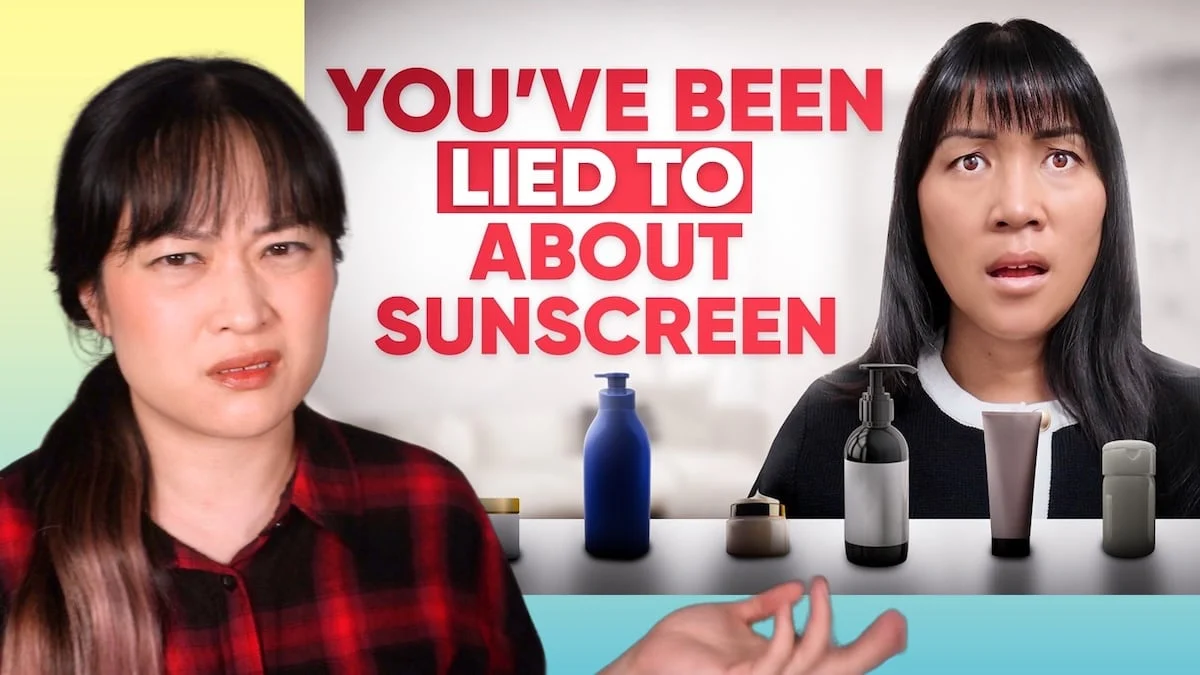
The claim that retinyl palmitate, a common derivative of vitamin A, increases the risk of skin cancer when included in sunscreens has been widely circulated, notably by "clean beauty" advocacy groups like the Environmental Working Group (EWG) in their influential annual sunscreen guides. This assertion recently gained renewed prominence following a video by toxicologist Dr. Yvonne Burkart, titled "You’ve been lied to about sunscreen: Toxicologist reveals 6 things you should know about sunscreen," where it was presented as a primary concern. However, a detailed counter-analysis by cosmetic chemist Michelle Wong of Lab Muffin Beauty Science and toxicologist Mohammed Kanadil of MoSkinLab, critically reviewed by two experienced toxicologists, Dr. Norbert Kaminski and Dr. Lyle Burgoon, unequivocally refutes this claim, affirming the ingredient’s safety based on comprehensive scientific assessments by regulatory bodies.
The Controversy Unveiled: Claims Against Retinyl Palmitate
For decades, retinyl palmitate has been a staple in skincare formulations, valued for its antioxidant properties and its role as a precursor to retinol, which can offer anti-aging benefits. Its inclusion in sunscreens has, however, become a focal point for skepticism within certain consumer advocacy circles. The core of the concern, as articulated by Dr. Burkart and others, posits that retinyl palmitate, when exposed to sunlight, becomes unstable. This instability, it is claimed, leads to its breakdown into highly reactive free radicals. These free radicals are then said to damage cellular DNA, lipids, and proteins, thereby accelerating skin aging and potentially increasing the risk of tumor formation over time. Dr. Burkart specifically highlighted that studies indicate retinyl palmitate, when applied to the skin and exposed to sunlight, generates reactive oxygen species (ROS) and lipid peroxides—both well-established drivers of oxidative stress and photocarcinogenesis, the process of cancer formation in response to sunlight.
These claims, while sounding alarming, often rely on an isolated interpretation of specific research findings without considering the broader scientific context or the rigorous safety assessments conducted by expert regulatory bodies. The narrative propagated by such sources often implies a direct, causal link between topical retinyl palmitate and human skin cancer, leaving consumers with a sense of unease regarding commonly used products.
Examining the Evidence: In Vitro and Cell Studies
The scientific discourse surrounding retinyl palmitate’s safety typically refers to three main categories of studies. The first involves in vitro experiments, which are conducted in test tubes or petri dishes. These studies have indeed shown that retinyl palmitate can break down when exposed to UV radiation, forming reactive oxygen species. These ROS, in isolation, have the potential to damage cellular structures, including DNA, and contribute to oxidative stress, a known precursor to various cellular dysfunctions, including some pathways to skin cancer.
A second line of evidence comes from cell studies, where cells grown in petri dishes, when exposed to UV light, exhibited a higher rate of mutation when retinyl palmitate was present. Such findings, observed in controlled laboratory environments, certainly raise initial questions and warrant further investigation into the ingredient’s behavior.
However, a crucial aspect often omitted in the "clean beauty" narrative is the significant difference between a controlled laboratory environment and the complex biological system of human skin. Human skin is a sophisticated organ, rich in a diverse array of natural antioxidants, enzymes, and protective mechanisms designed to counteract oxidative stress and repair cellular damage. In an isolated in vitro setting, retinyl palmitate acts without these natural biological buffers, leading to reactions that may not accurately reflect its behavior when integrated into a complex skin environment, especially within a formulated product containing other ingredients.
The NTP Animal Study: A Closer Look
Perhaps the most frequently cited piece of evidence by those questioning retinyl palmitate’s safety is a particular animal study conducted by the National Toxicology Program (NTP), published in 2012. This study, known as the "Photocarcinogenesis study of retinoic acid and retinyl palmitate in SKH-1 mice," involved treating the skin of hairless mice with retinyl palmitate and exposing them to simulated sunlight. The findings indicated that mice treated with retinyl palmitate developed "significantly more skin tumors" compared to a control group exposed only to simulated sunlight without the ingredient. Dr. Burkart specifically referenced this study, emphasizing its "concerning" results and questioning the continued inclusion of retinyl palmitate in mainstream products.
It is important to contextualize this study within a broader scientific framework. The NTP study, while meticulously conducted, used a specific animal model: SKH-1 hairless mice. These mice are purposefully selected for toxicology studies because they are highly susceptible to UV-induced skin damage and tumor formation, allowing researchers to observe potential carcinogenic effects within a shorter timeframe. This sensitivity, however, means their skin physiology and response to UV radiation are markedly different from human skin. Human skin possesses a robust natural defense system against UV damage, including thicker epidermal layers, melanin production, and a comprehensive antioxidant network, which are far more developed than in these specialized mouse models.
Moreover, the NTP study itself presented some perplexing results. For instance, in certain experimental arms, increased UV exposure paradoxically led to fewer tumors, which complicates a straightforward interpretation of retinyl palmitate’s role. Furthermore, the control cream, which lacked retinyl palmitate but shared the same base formulation, also resulted in an increased incidence of tumors. This anomaly strongly suggested that another component within the cream’s base might have been contributing to photosensitivity or tumor promotion in the mice. Subsequent investigations pointed to diisopropyl adipate, an ester commonly used in cosmetic formulations, as a potential co-factor causing enhanced UV sensitivity in hairless mice. Importantly, when diisopropyl adipate was tested on human skin, this enhanced sensitivity was not observed, further highlighting the limitations of directly extrapolating mouse study results to humans.
Regulatory Scrutiny: The Scientific Committee on Consumer Safety (SCCS) Perspective
Given the concerns raised by in vitro, cell, and animal studies, it is crucial to understand how expert regulatory bodies evaluate such data. The European Union’s Scientific Committee on Consumer Safety (SCCS) serves as a prime example of such a body. Composed of highly experienced scientists, predominantly toxicologists, the SCCS conducts rigorous and comprehensive safety assessments for cosmetic ingredients. These assessments are far more detailed and stringent than standard peer-reviewed scientific papers, taking into account all available data, including studies that raise potential concerns.
The SCCS has reviewed the safety of retinyl palmitate, along with other vitamin A derivatives, on multiple occasions. In 2016, they published a detailed opinion on Vitamin A (Retinol, Retinyl Acetate, Retinyl Palmitate), explicitly evaluating the NTP study and other relevant research. Their conclusion was that retinyl palmitate was safe for use in sunscreens. This decision was reaffirmed in their 2022 report, a revision of the previous opinion, which again concluded that retinyl palmitate posed no safety concerns in sunscreens.
The SCCS’s reasoning for deeming retinyl palmitate safe is multifaceted and addresses the limitations of the isolated studies:
- In Vitro Experiments Don’t Reflect Human Skin Environment: As previously noted, human skin is a complex biochemical environment teeming with natural antioxidants like vitamin C, vitamin E, glutathione, and various enzymes. In this rich protective matrix, retinyl palmitate, which itself possesses antioxidant properties, is likely to behave differently than in an isolated test tube. Instead of solely contributing to oxidative stress, it can participate in the broader antioxidant defense system, potentially reducing overall oxidative damage.
- Human and Hairless Mouse Skin Are Very Different: The SCCS underscored the significant physiological differences between human skin and the skin of SKH-1 hairless mice. These mice, bred for extreme UV sensitivity, lack many of the protective features inherent in human skin, making them prone to developing tumors much faster. Extrapolating results directly from such a highly sensitive model to the more robust human integument can be misleading. Human skin, through millennia of evolution, has adapted significantly to sun exposure, possessing sophisticated repair mechanisms and innate photoprotective capabilities.
The Protective Role of Retinoids in Dermatology
Beyond the specific animal studies, real-world clinical data offers compelling evidence regarding the overall safety and even protective role of retinoids. Dermatologists have utilized various forms of retinoids, including retinol and tretinoin (which shares a similar metabolic pathway to retinyl palmitate), for approximately 50 years. These compounds are not only prescribed for conditions like acne and aging but are also routinely used off-label or in specific formulations for preventing certain types of skin cancer, particularly actinic keratoses and squamous cell carcinoma in high-risk patients.
Patients undergoing retinoid therapy are frequently monitored by dermatologists, providing an extensive observational dataset. If retinoids, including retinyl palmitate, were indeed a significant risk factor for skin cancer, decades of clinical use and patient follow-up would have undoubtedly revealed a clear epidemiological signal. The absence of such a signal in clinical practice further supports the safety conclusions reached by regulatory bodies. In fact, some research suggests that retinoids can enhance photoprotection and aid in DNA repair, potentially offering a protective effect against UV-induced damage in human skin.
The Broader Context of "Clean Beauty" and Misinformation
The widespread promotion of concerns regarding retinyl palmitate in sunscreens highlights a recurring pattern within the "clean beauty" movement. While aiming to empower consumers with information, this movement sometimes oversimplifies complex scientific data, selectively emphasizing preliminary or isolated findings without adequately accounting for the nuances of toxicology, risk assessment, and human physiology. Organizations like the EWG, despite their stated intentions, often contribute to consumer apprehension by categorizing ingredients based on hazard identification (what an ingredient can do in extreme conditions) rather than comprehensive risk assessment (what an ingredient does under real-world conditions of use). This approach can lead to a phenomenon known as "chemophobia," where consumers become unduly fearful of common, safe ingredients.
The internet and social media platforms amplify these narratives, allowing information, both accurate and inaccurate, to spread rapidly. The challenge for consumers lies in discerning reliable, evidence-based information from well-intentioned but potentially misleading claims. The response from Michelle Wong and Mohammed Kanadil, two qualified experts who engaged in a collaborative, peer-reviewed debunking, serves as a vital counter-narrative, grounded in scientific rigor and a thorough understanding of toxicology.
Expert Consensus and Public Health Implications
The consensus among authoritative scientific bodies like the SCCS is clear: retinyl palmitate is safe for use in sunscreens. These bodies operate with a precautionary principle, meticulously reviewing all data, and are willing to impose restrictions when a genuine risk is identified. For instance, the SCCS’s 2022 report, while confirming retinyl palmitate’s safety in sunscreens, did recommend restricting overall vitamin A intake from cosmetics due to potential contributions to the total dietary and supplemental intake of vitamin A, demonstrating their cautious approach. This distinction is crucial; they are not hesitant to act when concerns are substantiated, but they differentiate between theoretical hazards and actual risks.
The implications of promoting unsubstantiated claims about sunscreen ingredients are significant. Firstly, it fosters consumer confusion and erodes trust in established scientific consensus and regulatory oversight. Secondly, and more critically, it could deter individuals from using sunscreens altogether, or encourage them to choose less effective "clean" alternatives, inadvertently increasing their risk of actual sun damage and skin cancer. Sunscreen remains a cornerstone of photoprotection, and its consistent, correct use is vital for public health.
In conclusion, while initial laboratory and animal studies can raise legitimate questions about ingredient safety, these findings must be interpreted within a comprehensive framework that includes human physiology, real-world usage conditions, and the rigorous assessments of expert regulatory bodies. The claim that retinyl palmitate in sunscreens increases skin cancer risk is not supported by the totality of scientific evidence, and consumers should feel confident in using products containing this ingredient, especially when recommended by trusted dermatological and scientific sources. Relying on official safety assessments from committees composed of toxicological experts, rather than isolated studies or selective interpretations, is paramount for informed public health decisions.