
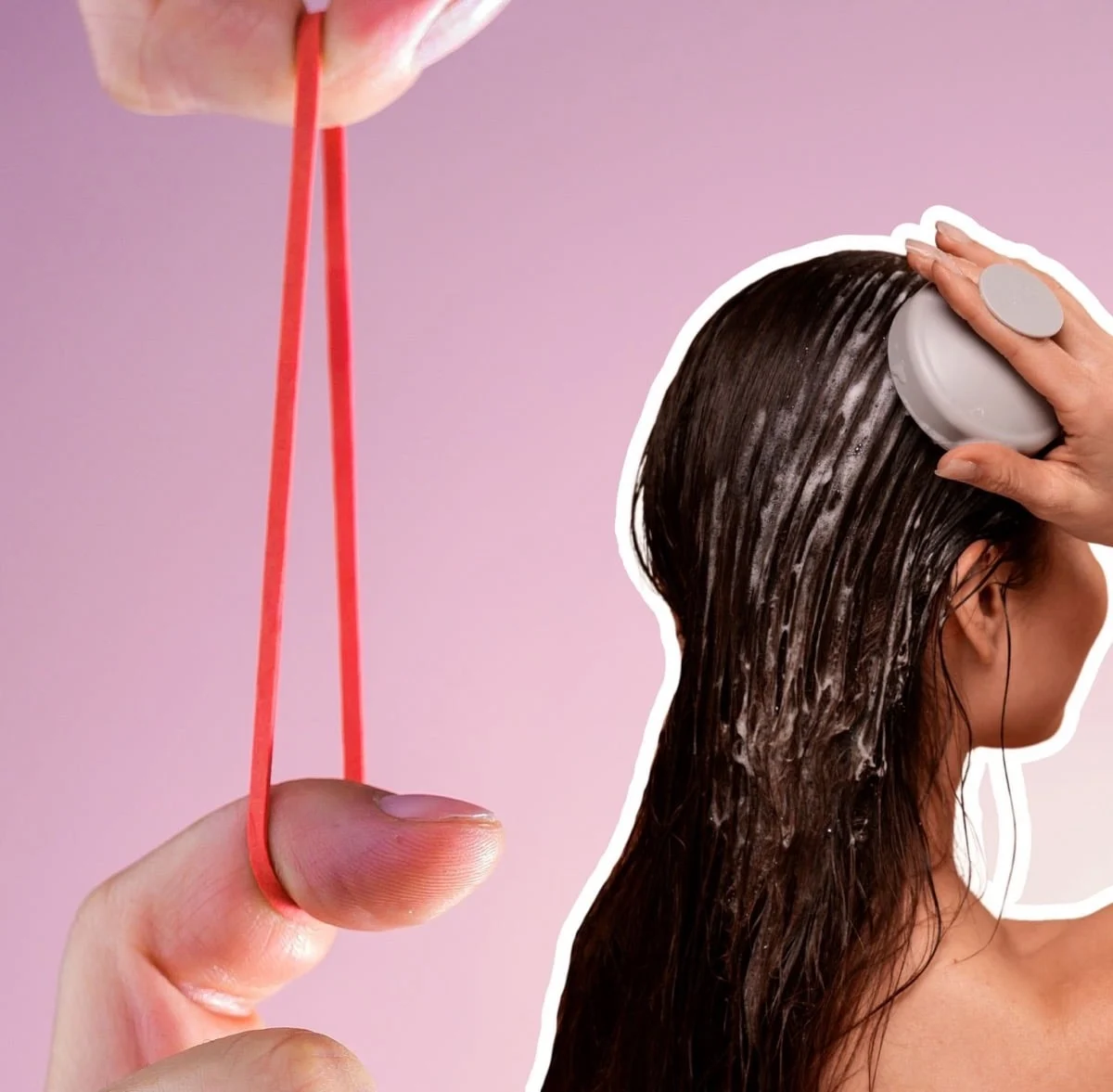
The pervasive belief that repeatedly wetting and drying hair causes inherent damage, often termed "hygral fatigue," has been widely disseminated within hair care communities and even cited in some academic literature. However, rigorous scientific examination reveals this notion to be largely unfounded, challenging a significant source of misinformation surrounding hair hydration and maintenance. This article delves into the scientific understanding of how water interacts with hair, critically analyzes the evidence often cited in support of hygral fatigue, and provides an evidence-based perspective on optimal hair care practices.
Understanding Hair’s Complex Structure and Water Interaction
To comprehend why the concept of hygral fatigue is largely a myth, it is crucial to first understand the intricate molecular architecture of human hair and its natural interaction with water. Hair is primarily composed of keratin, a fibrous protein, organized into three main layers: the cuticle, cortex, and medulla.
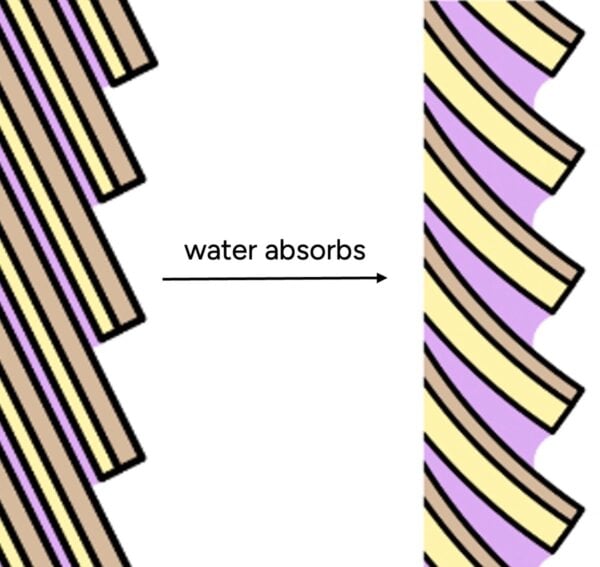
The cuticle, the outermost layer, consists of overlapping, scale-like cells that protect the inner structures. When hair is dry, these scales lie flat, contributing to a smooth surface and shine. Upon contact with water, the cuticle scales can swell and lift slightly, a natural response that allows water molecules to penetrate the hair shaft.
Beneath the cuticle lies the cortex, which makes up the bulk of the hair fiber. The cortex contains highly organized keratin bundles, cross-linked by various types of bonds that confer strength and elasticity to the hair. These bonds include:
- Disulfide bonds: Strong, permanent covalent bonds formed between sulfur atoms in cysteine amino acids. These bonds are responsible for hair’s structural integrity and are broken or reformed in chemical treatments like perms or relaxers.
- Hydrogen bonds: Weaker, temporary bonds formed between hydrogen atoms and highly electronegative atoms (like oxygen or nitrogen) in adjacent protein chains. These bonds are highly susceptible to water.
- Ionic (salt) bonds: Temporary electrostatic interactions between oppositely charged groups on amino acid side chains. Like hydrogen bonds, these are sensitive to pH changes and water.
Water’s interaction with hair is primarily through the disruption and reformation of these temporary hydrogen and ionic bonds within the cortex. When hair absorbs water, water molecules insert themselves between the keratin chains, breaking existing hydrogen bonds. This process allows the keratin structure to become more flexible and elastic, leading to a temporary swelling of the hair shaft. As the hair dries, the water molecules evaporate, and the hydrogen bonds reform, returning the hair to its original, dry state. This reversible process is fundamental to how hair behaves, from holding a style to its natural flexibility.
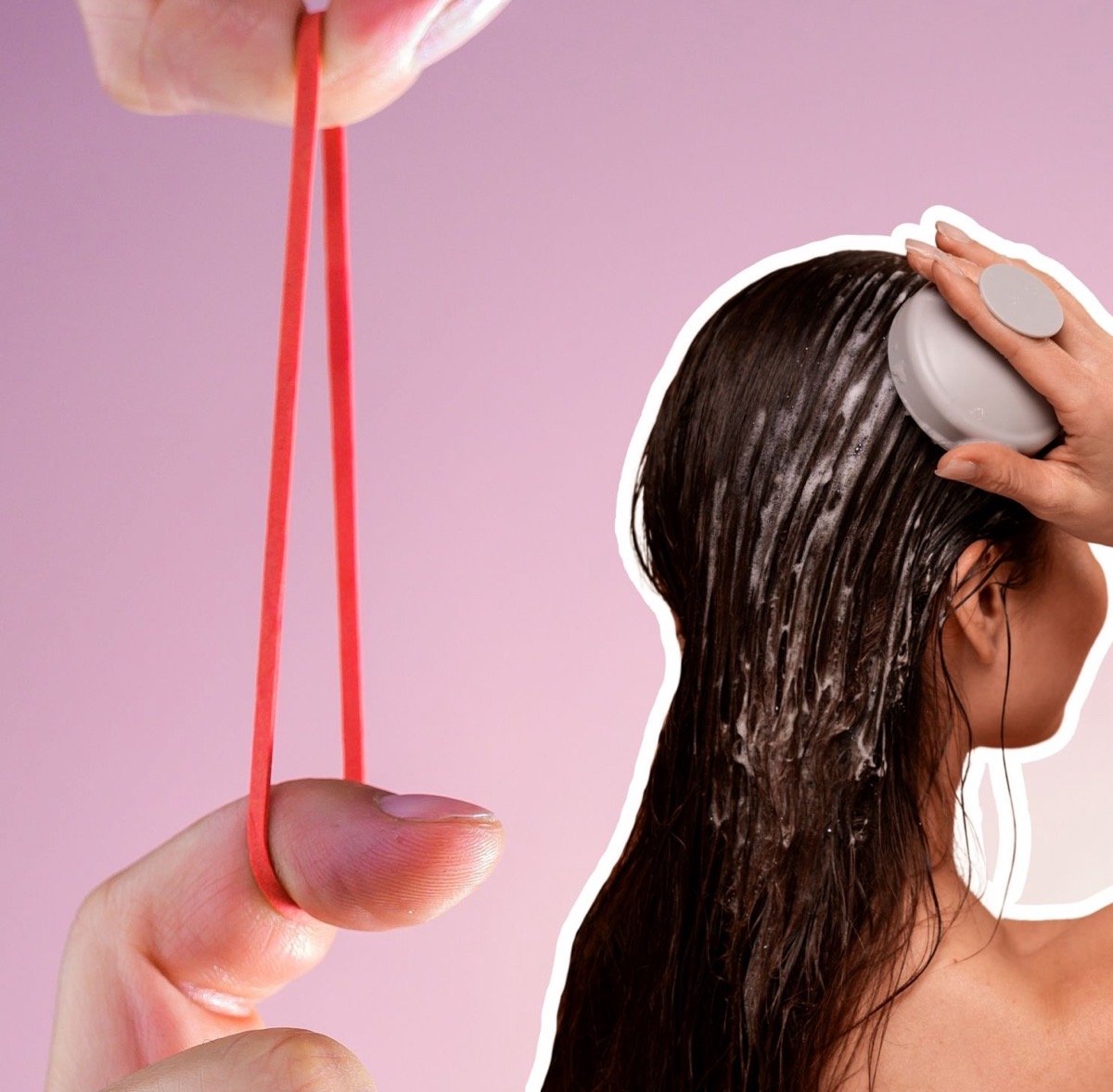
The myth of hygral fatigue posits that this repeated swelling and shrinking, or "wetting and drying," causes cumulative, irreversible damage to the hair fiber, akin to stretching a rubber band until it breaks. Proponents of this theory suggest that constant stress on the hair’s internal structure eventually leads to weakened elasticity, increased porosity, and breakage. This idea has contributed to advice recommending infrequent hair washing to "protect" the hair from excessive water exposure.
Deconstructing the "Rubber Band" Analogy: Hair vs. Synthetic Polymers
The analogy of hair "fatiguing" like a rubber band from repeated stretching is misleading because it fails to account for the fundamental differences in material science between hair and synthetic polymers. Rubber bands typically derive their elasticity from long, tangled polymer chains held together by relatively permanent covalent bonds. Repeated mechanical stretching can indeed cause micro-fractures in these permanent bonds, leading to irreversible damage and eventual snapping.
Hair, however, operates on a different principle. While hair does possess elasticity, its response to water primarily involves the temporary disruption of hydrogen bonds. These bonds are exceptionally dynamic and reform spontaneously and completely as water evaporates. As Dr. Michelle Wong of Lab Muffin Beauty Science points out, a more accurate analogy would be "joining and unjoining Lego pieces" – the components are designed for repeated connection and disconnection without degradation. The atoms involved in hydrogen bonding do not "wear down" or permanently weaken from this reversible process. Therefore, the mere act of water entering and leaving the hair shaft does not inherently cause cumulative structural damage at the molecular level.
Scrutinizing the Evidence: A Critical Look at Supporting Studies
Despite the widespread acceptance of hygral fatigue, scientific literature offering robust, direct evidence for this phenomenon is surprisingly scarce and often subject to alternative interpretations. Two primary areas of research are frequently cited: studies on hair drying methods and investigations into coconut oil’s protective properties.
The Hair Drying Study (Lee et al., 2011): A Question of Interpretation
One of the most frequently referenced papers is a 2011 study by Lee et al., published in Annals of Dermatology, which investigated hair shaft damage from various drying methods. Researchers compared air drying with blow-drying at different temperatures and distances. Their key finding was that blow-drying at a low temperature with the dryer held at a distance resulted in the least surface damage. Crucially, they observed "bulges" in the air-dried hair samples and concluded that these were indicative of damage caused by water swelling the hair for a prolonged period, thereby linking air drying to increased damage compared to gentle blow-drying.
However, this conclusion warrants critical examination. Air drying is a standard and common practice globally, including in scientific hair experiments. If air drying consistently caused such visible structural damage, it would be a well-documented phenomenon across numerous hair studies. The absence of widespread reports of these "bulges" in other air-dried samples suggests that the observation in the Lee et al. study might be an anomaly or attributable to specific experimental conditions rather than a general effect of air drying.
Potential alternative explanations for the observed bulges include:
- Sample Pre-treatment: The specific hair samples used might have had pre-existing damage from factors like excessive sun exposure, chemical treatments, or mechanical stress prior to the experiment. Such pre-existing weaknesses could have been exacerbated by the wetting process, regardless of the drying method.
- Experimental Variability: It is unclear how many times the experiment was replicated and the consistency of the measurements. A single observation, or a small number of observations, may not be statistically significant or representative of hair in general.
- Microscopic Artifacts: The bulges could potentially be artifacts of the microscopy technique or preparation rather than genuine structural damage from water absorption.
Without further independent verification and more controlled experiments specifically designed to isolate the effect of water swelling during air drying, the Lee et al. study alone does not provide convincing evidence for inherent damage from water. Instead, its findings might point more to the comparative effects of different drying techniques and temperatures on hair health, rather than the act of wetting itself.
Coconut Oil Studies: Misinterpretations of Water Blocking
A series of studies have explored the potential benefits of coconut oil for hair, with some explicitly using the term "hygral fatigue" and suggesting that coconut oil could mitigate it by blocking water absorption. These studies, dating back to the early 2000s, often highlight coconut oil’s unique ability to penetrate the hair shaft due to its small molecular size and linear structure, differentiating it from other oils like mineral or sunflower oil.
In some experiments, hair samples coated with various oils (coconut, mineral, sunflower) were subjected to a Dynamic Vapor Sorption (DVS) apparatus, which measures changes in hair weight at different humidity levels. The premise was that increased weight indicated water absorption. When coconut-oiled hair showed the smallest percentage increase in weight, researchers concluded it effectively blocked water absorption, thereby supposedly protecting against hygral fatigue.
However, this interpretation has been challenged by hair scientists like Trefor Evans. His critique highlights a potential experimental error in calculating the percentage of absorbed water. When hair is coated with oil, its baseline weight increases. If the same absolute amount of water is absorbed by both untreated and oil-treated hair, the percentage increase in weight for the oil-treated hair would appear smaller because the total denominator (hair + oil weight) is larger. This mathematical artifact could lead to the mistaken conclusion that coconut oil blocks water, when in reality, it may just be diluting the relative impact of water absorption on total weight.
For example, if a hair strand weighs 100mg and absorbs 10mg of water, it’s a 10% increase. If the same hair strand is coated with 50mg of coconut oil (total 150mg) and still absorbs 10mg of water, the percentage increase is now only 6.7% (10mg/150mg). This statistical illusion can lead to erroneous conclusions about water-blocking capabilities.
Furthermore, from a structural perspective, it is highly improbable for any topical hair treatment, including coconut oil, to completely "seal" the hair against water molecules. The hair cuticle, while protective, has numerous overlapping edges and microscopic gaps, making it an imperfect barrier. Water molecules are exceedingly small and will naturally equilibrate with the surrounding humidity. The water content of hair is primarily dictated by the ambient relative humidity, not by a coating of oil attempting to create an impermeable seal.
The True Benefits of Coconut Oil and Other Hair Treatments
While the premise that coconut oil prevents hygral fatigue by blocking water is scientifically questionable, this does not negate its established benefits for hair health. Coconut oil and other conditioning agents function primarily as lubricants on the hair surface. By smoothing the cuticle and reducing friction, they significantly decrease mechanical damage during processes like combing, brushing, and styling, especially when hair is wet and more vulnerable.
Beyond surface lubrication, some studies, including those by Rele and Mohile, and Kaushik et al., suggest that coconut oil’s ability to penetrate deeper into the hair cortex may help fill voids or gaps in the oily components of the cell membrane complex (the "mortar" between hair cell "bricks"). This internal fortification can enhance hair’s integrity, potentially reducing internal cracking and protein loss. Therefore, coconut oil’s value lies in its conditioning, lubricating, and strengthening properties, rather than its purported ability to prevent "hygral fatigue."
The Real Vulnerability of Wet Hair: Mechanical Damage
The critical takeaway from a scientific perspective is that while water itself does not inherently damage hair through repeated swelling and shrinking, hair is more fragile when wet. This increased fragility is due to the temporary disruption of hydrogen bonds, which makes the keratin structure more pliable and less resistant to external forces.
Consequently, aggressive handling of wet hair – vigorous towel drying, harsh brushing, tight styling, or excessive heat styling without protection – can lead to significant mechanical damage. This can manifest as cuticle lifting, breakage, split ends, and overall weakening of the hair shaft. Therefore, frequent washing is not damaging in itself, but it does create more opportunities for hair to be mishandled while wet.
Implications for Evidence-Based Hair Care
Understanding the science behind water and hair interaction has profound implications for daily hair care routines and product development:
- Embrace Regular Washing: The myth of hygral fatigue should not deter individuals from washing their hair as frequently as needed for scalp health and aesthetic preferences. Daily washing, when performed gently, is not inherently damaging.
- Gentle Handling is Key: The most crucial aspect of wet hair care is gentle handling. Use a wide-tooth comb to detangle, blot hair gently with a microfibre towel instead of rubbing vigorously, and apply leave-in conditioners or detangling sprays to reduce friction.
- Conditioning is Essential: Conditioners play a vital role in smoothing the cuticle, reducing static, and providing lubrication, making wet hair easier to detangle and less prone to mechanical damage. They do not prevent "hygral fatigue" but protect against real-world stressors.
- Heat Protection: While air drying is safe, blow-drying at high temperatures can cause significant damage. Using heat protectants and lower heat settings is advisable when blow-drying. The Lee et al. study, despite its limitations regarding air-dry bulges, still reinforces the importance of temperature control during heat styling.
- Focus on Real Damage Factors: Instead of worrying about water, consumers should focus on factors scientifically proven to cause hair damage: excessive heat styling, harsh chemical treatments (coloring, perming, relaxing), aggressive brushing, UV exposure, and environmental pollutants.
- Informed Product Choices: Product formulations should aim to strengthen hair, provide lubrication, protect against mechanical and environmental stressors, and maintain scalp health, rather than claiming to "prevent hygral fatigue" through water-blocking mechanisms.
Conclusion
The concept of "hygral fatigue" as inherent damage from repeated wetting and drying of hair lacks substantial scientific support. While hair is indeed more vulnerable when wet, this fragility stems from the temporary disruption of hydrogen bonds, making it susceptible to mechanical damage if handled roughly. The act of water absorbing into and evaporating from hair is a natural, reversible process that does not inherently degrade the hair’s molecular structure. Critical analysis of studies often cited to support hygral fatigue reveals questionable interpretations and experimental limitations. By debunking this persistent myth, the scientific community empowers consumers to adopt evidence-based hair care practices, prioritizing gentle handling, effective conditioning, and protection against known damaging factors, rather than fearing the very substance essential for cleansing and hydrating their hair.