
The interaction of water with human hair has long been a subject of widespread misunderstanding, leading to a proliferation of myths that influence daily hair care routines. Among the most persistent of these is the concept of "hygral fatigue," a notion suggesting that the repeated cycles of wetting and drying hair inherently cause structural damage. However, scientific inquiry, particularly from experts like cosmetic chemist Dr. Michelle Wong of Lab Muffin Beauty Science, unequivocally debunks this claim, asserting that the fundamental premise of hygral fatigue is not supported by compelling evidence. This clarification, published on January 28, 2026, challenges a belief that has permeated both popular discourse and, surprisingly, even some academic literature, shaping consumer choices and product development.
The Origins and Appeal of a Persistent Myth
The term "hygral fatigue" has gained significant traction within certain hair care communities, especially those focused on natural hair or minimal washing routines. It posits that as water enters the hair shaft, it causes swelling, and as it leaves during drying, the hair shrinks. This repeated expansion and contraction, proponents argue, leads to a weakening of the hair fiber over time, culminating in breakage, frizz, and overall structural degradation. The appeal of this myth lies in its intuitive simplicity: like any material subjected to repeated stress, hair, too, must eventually "fatigue." This reasoning often leads individuals to minimize hair washing frequency, avoid air drying, or seek out products claiming to "seal" hair against water absorption.
However, the scientific understanding of hair’s molecular architecture tells a different story. Hair is a complex biological material, primarily composed of keratin proteins. These proteins are linked by various types of bonds, some permanent and some temporary. The interaction of water with hair primarily affects these temporary bonds, specifically hydrogen bonds.
Understanding Hair’s Molecular Architecture and Water Interaction
To appreciate why hygral fatigue is a myth, one must first grasp the intricate structure of a hair strand. Each strand comprises three main layers: the medulla (innermost core, often absent), the cortex (the bulk of the hair, providing strength and elasticity), and the cuticle (the outermost protective layer, made of overlapping scales). The cortex is rich in keratin proteins, which are helical structures stabilized by various bonds.
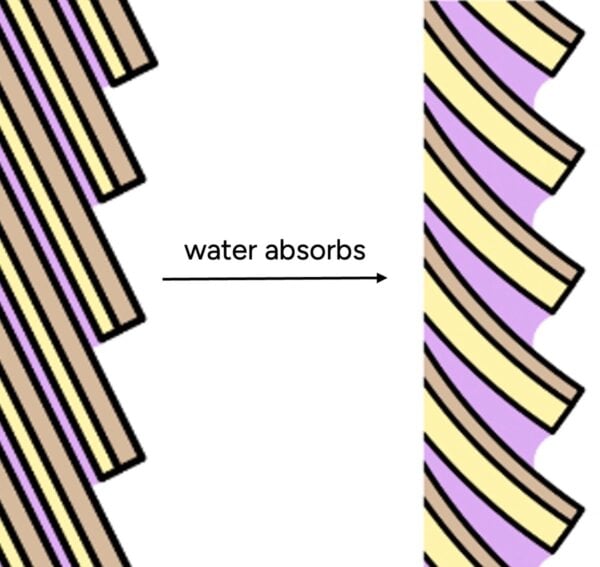
When hair absorbs water, it primarily affects the hydrogen bonds that link these keratin proteins. These bonds are relatively weak and are readily broken by water molecules. This disruption allows the hair shaft to swell, increasing its diameter by up to 15-20% in some cases. It is this swelling that makes wet hair feel softer and more pliable, but also more fragile and susceptible to mechanical damage. Crucially, as the hair dries, these hydrogen bonds readily reform, restoring the hair to its original structural integrity. This process is akin to zipping and unzipping a zipper; the zipper itself is not damaged by being used.
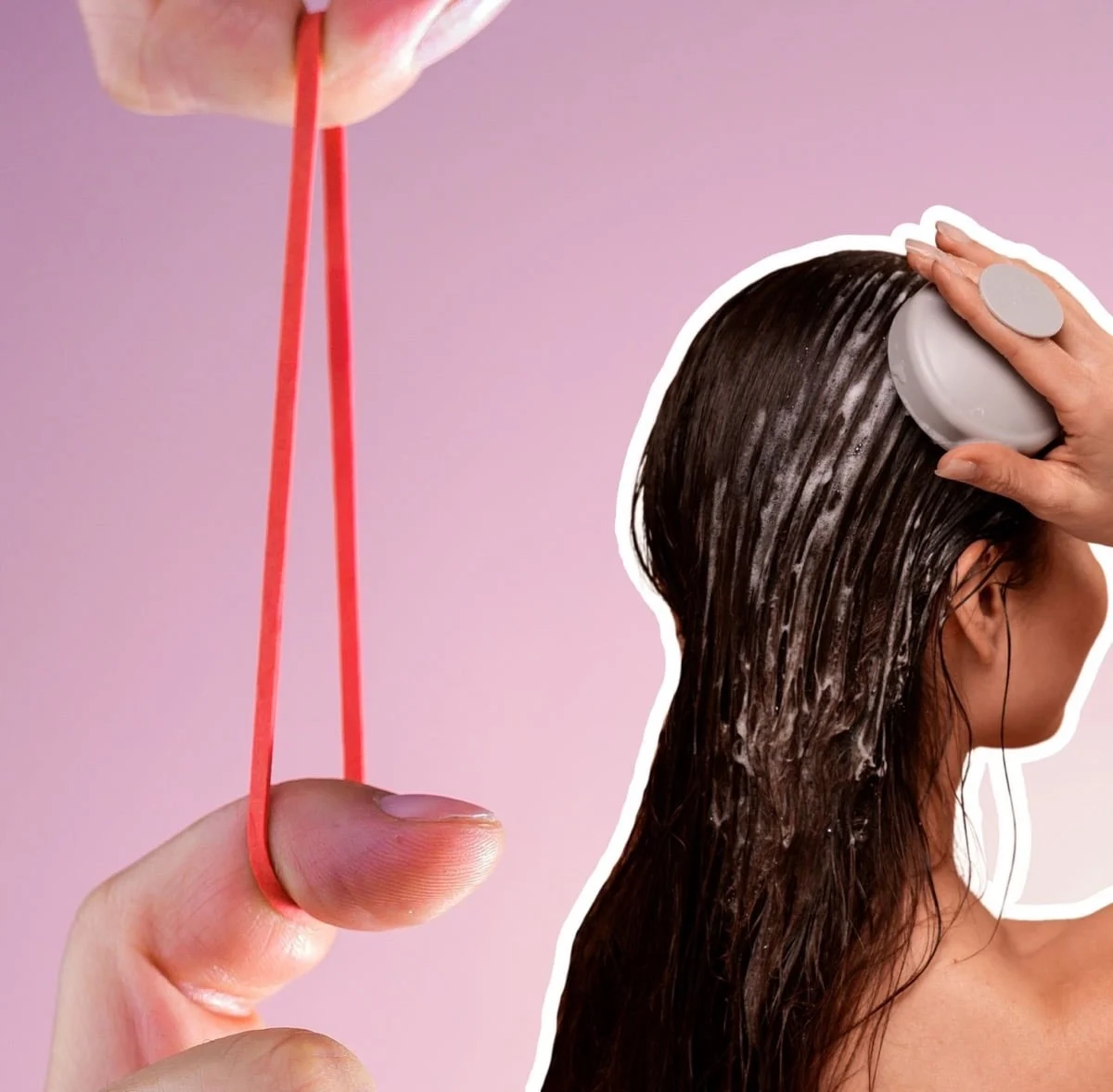
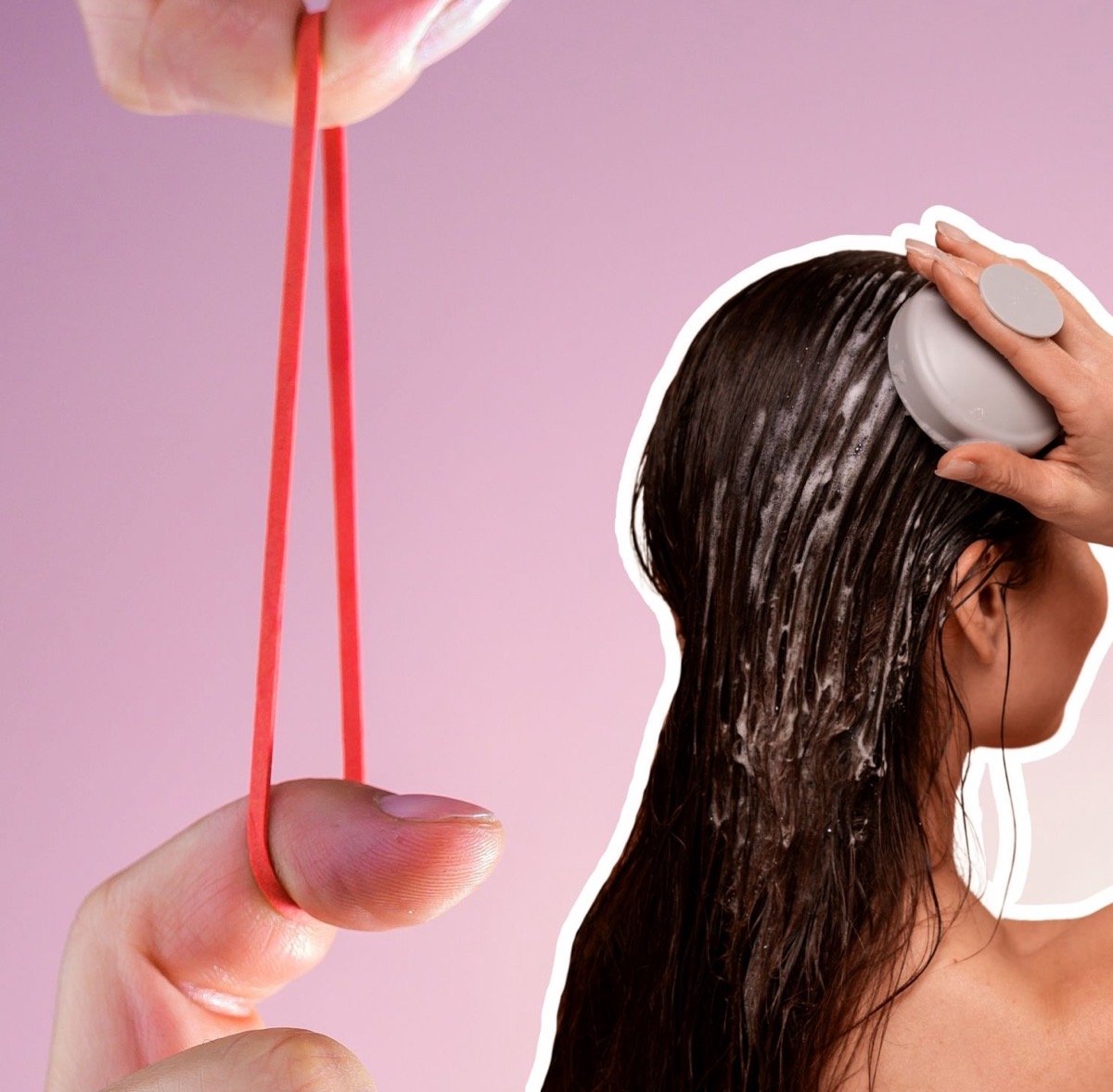
Dr. Wong often employs an analogy to clarify this: comparing hair to a rubber band versus Lego bricks. A rubber band, when stretched repeatedly, experiences microscopic tears in its polymer structure, leading to irreversible damage and eventual snapping. This is because stretching breaks permanent bonds. In contrast, hair’s interaction with water is more like joining and unjoining Lego pieces. The individual "atoms" (or Lego bricks) remain intact and durable, and the connections (hydrogen bonds) reform perfectly once the water is removed. Electrons and protons, the fundamental components involved in hydrogen bonding, do not "wear down" from repeated interaction. This distinction is critical: temporary bond breaking and reforming is a natural, non-damaging process for hair.
Challenging the Scientific Support for Hygral Fatigue
Despite its prevalence, direct and convincing scientific evidence for hygral fatigue is scarce. While the term occasionally appears in peer-reviewed papers, a close examination often reveals a lack of robust data specifically demonstrating inherent damage from repeated wetting and drying cycles alone.
One study frequently cited in discussions about water-induced damage is a 2011 paper by Lee et al. on hair drying methods. This research compared the effects of air drying versus blow drying at various temperatures. The authors observed "bulges" in air-dried hair samples and concluded that these were indicative of damage caused by water swelling the hair for extended periods. However, Dr. Wong, along with other hair scientists, raises significant questions about this interpretation. Air drying is a standard and common practice globally, and if it consistently caused such distinct structural damage, these "bulges" would be widely reported across countless hair studies. The fact that they are not suggests the observations in the Lee et al. study might be anomalous, potentially stemming from experimental inconsistencies, a limited sample size, or confounding factors not fully accounted for, such as pre-existing damage to the specific hair samples used, or environmental stressors like excessive UV exposure prior to experimentation. Without extensive replication and verification under controlled conditions, attributing these bulges directly to water swelling during air drying remains highly speculative.
Another body of research that indirectly fueled the hygral fatigue narrative involves studies on coconut oil. Several papers, including those by Rele and Mohile (1999, 2003) and Gode et al. (2012), investigated coconut oil’s ability to penetrate hair and reduce protein loss. Some of these studies proposed that coconut oil could potentially protect hair from "hygral fatigue" by blocking water absorption. However, the methodology and conclusions regarding water blockage have also faced scrutiny.
Experiments often involved coating hair strands with various oils (coconut, mineral, sunflower) and measuring water absorption using a dynamic vapor sorption (DVS) apparatus. While coconut oil-treated hair sometimes showed a smaller percentage increase in weight due to absorbed water, hair scientist Trefor Evans points out a crucial methodological flaw. When calculating the percentage of absorbed water, the total weight of the hair plus the oil is used as the denominator. Since the oil itself adds weight, the same absolute amount of absorbed water would appear as a smaller percentage when the denominator is larger (hair + oil vs. hair alone). This potential experimental artifact could lead to an erroneous conclusion that coconut oil significantly blocks water absorption.
Furthermore, from a structural perspective, it is highly improbable that any topical hair treatment, including oils, could completely "seal" the hair cuticle against tiny water molecules. The hair cuticle, often described as resembling overlapping pinecone scales, inherently possesses numerous microscopic gaps and edges. While oils can certainly coat the surface and reduce the rate of water exchange, completely preventing water from entering or leaving the hair shaft is fundamentally challenging. The water content of hair is primarily dictated by the ambient relative humidity, and temporary modifications by surface coatings are limited.
The Real Vulnerability: Mechanical Damage to Wet Hair
While water itself does not cause hygral fatigue, it is essential to acknowledge that hair is indeed more vulnerable when wet. This increased fragility is not due to the "fatigue" of its internal bonds, but rather to its altered physical state. When wet, the softened and swollen hair shaft is more elastic but also less resistant to external forces. The cuticle scales, which typically lie flat and protect the cortex, tend to lift slightly when wet, making the hair more prone to tangling and friction.
This means that rough handling, vigorous towel drying, aggressive brushing, or tight styling of wet hair can lead to significant mechanical damage. Such actions can cause cuticle abrasion, breakage of the hair shaft, and even fracture of the internal protein structure. This is the actual damage that is often mistakenly attributed to hygral fatigue.
Therefore, the advice to treat wet hair gently is paramount, but it should not be misinterpreted as a directive to avoid wetting hair altogether or to fear water. Daily washing, when performed with gentle techniques and appropriate products, does not inherently damage hair.
The Proven Benefits of Coconut Oil and Other Conditioners
The debunking of coconut oil’s "water-blocking" properties does not diminish its recognized benefits for hair health. Instead, it recontextualizes them based on more accurate scientific understanding. Oils, particularly those with a molecular structure small enough to penetrate the hair shaft like coconut oil, act as excellent lubricants on the hair’s surface. This lubrication reduces friction during combing and styling, thereby minimizing cuticle damage and breakage.
Beyond surface lubrication, some research, including studies by Ruetsch et al. (2001) and Kaushik et al. (2021), suggests that coconut oil can absorb deeper into the hair cortex than other oils. This internal penetration allows it to potentially fill gaps within the cell membrane complex – the "mortar" that binds the "bricks" of hair cells together. By reinforcing this internal structure, coconut oil can help reduce internal cracking and improve the overall strength and resilience of the hair fiber, especially in damaged hair. This mechanism contributes to reduced protein loss during washing and improved hair elasticity.
Similarly, other hair conditioners, including those containing silicones, work by coating the hair shaft to provide slip, detangling, and a protective barrier against environmental aggressors and mechanical stress. These benefits are well-established and contribute significantly to maintaining hair health without needing to "block" water.
Implications for Hair Care Practices and Consumer Education
The clarification regarding hygral fatigue carries significant implications for both consumers and the hair care industry. For consumers, it liberates them from unnecessary fear surrounding water and hair washing. It reinforces that daily washing, when done gently, is not detrimental and can even be beneficial for scalp health and hygiene. The focus should shift from avoiding water to adopting gentle handling practices, especially when hair is wet, and using nourishing conditioners that lubricate and strengthen.
From an industry perspective, this scientific clarity encourages the development of products based on validated mechanisms of action rather than misleading claims. Instead of marketing "water-blocking" solutions, manufacturers can emphasize ingredients that genuinely strengthen hair, reduce friction, provide lubrication, or deeply condition. It also highlights the importance of rigorous scientific methodology in product testing and claims substantiation.
Ultimately, the science shows that water is not the enemy of healthy hair. Instead, it is a vital component of hair hydration and cleanliness. The real determinants of hair health are gentle care, proper nutrition, minimal exposure to harsh chemical treatments and excessive heat, and the use of well-formulated conditioning products. Understanding these fundamental principles allows individuals to cultivate healthier hair care routines based on fact, not myth, ensuring optimal hair vitality and longevity.