
Czech Republic’s burgeoning food technology sector is witnessing a significant leap forward as Mewery, a pioneering startup in the cultivated meat industry, announces a groundbreaking achievement in biomass yield density. The company has successfully reached a production rate of 300 grams per liter, positioning it at the forefront of efficiency within the global cultivated meat landscape. This advancement not only signifies enhanced productivity per bioreactor but also holds substantial implications for improving the unit economics of producing cell-based proteins.
Complementing this technical triumph, Mewery is concurrently advancing a substantial €7 million (approximately $8 million) seed funding round, having already secured a significant portion of the capital. The startup is poised to transition its cultivated pork from the pre-pilot development phase to industrial-scale implementation, bolstered by the appointment of a new Chief Technology Officer (CTO) and a clear production milestone.
A New Era of Efficiency: Mewery’s Yield Breakthrough
The achievement of 300 grams per liter in biomass yield density represents a critical inflection point for Mewery. This metric, which quanties the amount of cultivated cellular material produced per unit of cultivation volume, is a key determinant of the efficiency of bioprocesses. Moria Shimoni, Mewery’s newly appointed CTO, elaborated on the significance of this development in an exclusive interview. "Yield density refers to the amount of biomass produced per litre of cultivation volume – in our case, 300 grams per litre. It’s a key indicator of how efficiently a bioprocess uses space and inputs," Shimoni stated. "This significantly increases our productivity per bioreactor and directly improves the unit economics for these proteins."
Shimoni brings a wealth of experience to Mewery, having played a pivotal role in the design of what was then the industry’s largest cultivated meat facility at the now-defunct startup Believer Meats. Her background also includes the development of multi-species platforms and the advancement of technologies toward regulatory approval, making her a strategic asset for Mewery’s ambitious scaling plans.
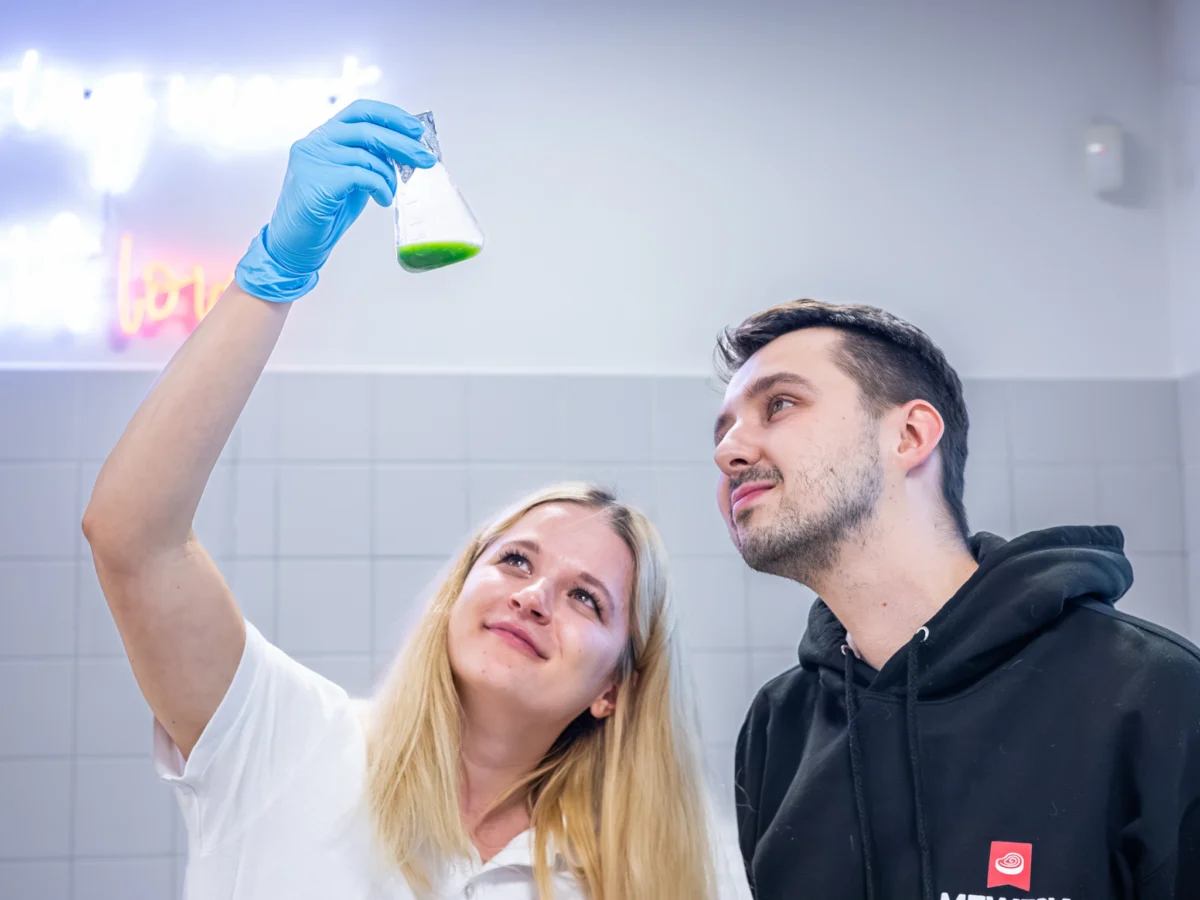
The substantial yield improvement is a direct result of Mewery’s innovative co-cultivation process, which was first conceptualized in 2021. This proprietary method involves the synergistic cultivation of microalgae and mammalian cells within precisely controlled bioreactors. This integration is designed to enhance cellular growth efficiency and, crucially, to reduce the overall cost of producing cultivated meat. The synergy between the two cell types appears to create a more robust and productive cellular environment.
"Combined with our co-cultivation approach – which lowers media requirements and improves efficiency – this brings us significantly closer to cost-competitive production at scale," Shimoni emphasized. She further explained that the co-cultivation strategy not only boosts cell viability but also enhances the overall stability of the production process. This is further supported by the company’s development of a stable suspension cultivation method for porcine cells, which negates the need for costly scaffolds and growth factors. Additionally, Mewery employs a continuous growth and harvesting approach, a technique designed to significantly maximize biomass productivity over time.
Strategic Funding and Future Expansion
Mewery’s recent progress has attracted significant investor interest, evidenced by the ongoing €7 million seed funding round. The company has welcomed Vesna VC as its latest backer, with the venture capital firm injecting several hundred thousand euros into the startup. Mewery is currently engaged in discussions for follow-on financing as part of this larger seed round, which is projected to conclude by the third quarter of 2026.
Roman Lauš, founder and CEO of Mewery, expressed his optimism regarding the investment. "This investment represents strong validation from a specialized deep tech fund with a track record in supporting breakthrough innovations," Lauš commented. This sentiment underscores the confidence investors have in Mewery’s technological prowess and its potential to disrupt the traditional meat industry.
The current funding round has already seen Mewery secure €3 million, with a soft commitment for an additional €1 million. This leaves €3 million available for new investors, indicating a robust interest in the company’s future. The capital infusion is earmarked to support the company’s transition to industrial-scale validation, the establishment of pilot-scale production facilities in partnership with European entities, and the crucial preparation of regulatory applications for market entry.
A Phased Approach to Market Entry
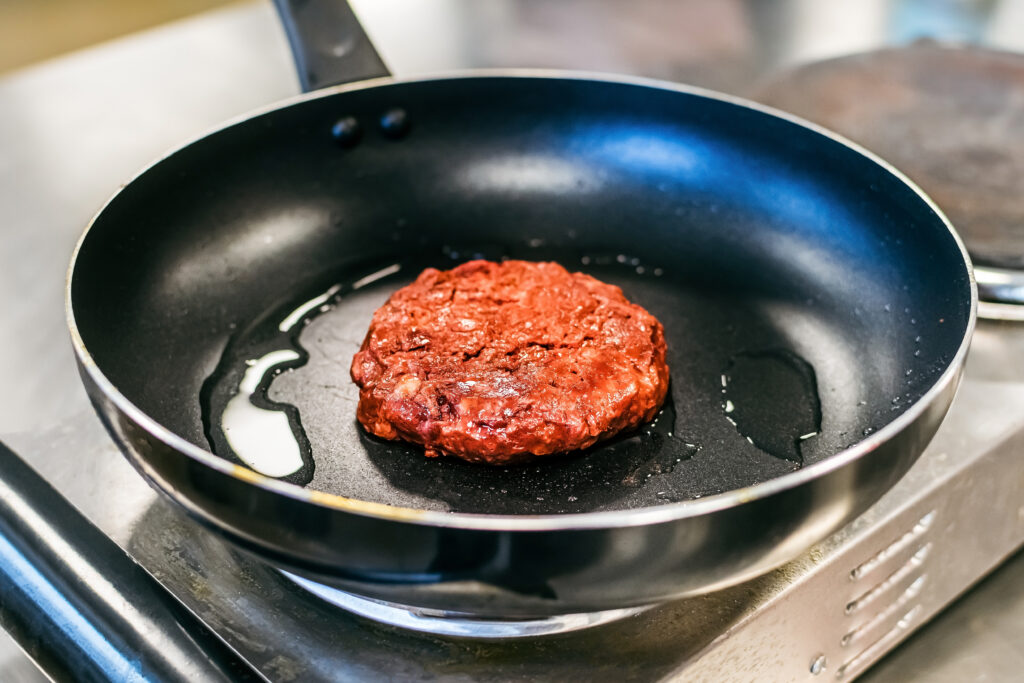
Mewery’s strategic vision extends beyond technological development to encompass a well-defined market entry plan. The company has previously showcased its innovative products, including meatballs composed of 75% porcine cells and 25% microalgae cells. In 2023, Mewery debuted a cultivated burger at a music festival in the Czech Republic, a trial that yielded overwhelmingly positive results, with over 90% of attendees expressing willingness to try the product.
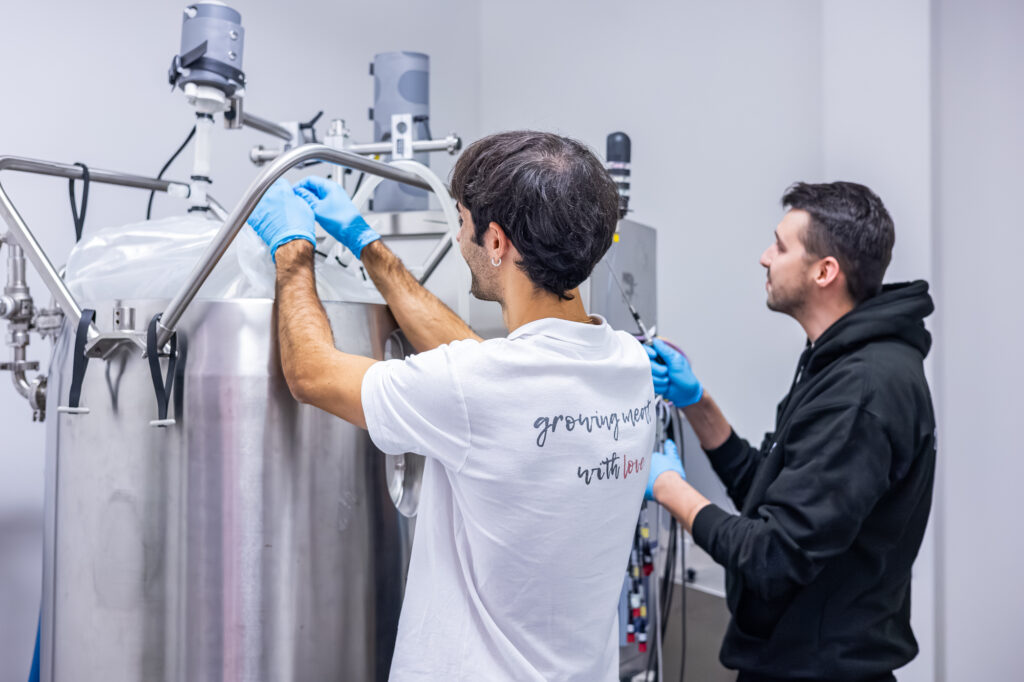
The company’s immediate focus is on achieving industrial validation of its technology and scaling up production. This involves establishing pilot-scale manufacturing operations with several partners across Europe. Concurrently, Mewery is actively preparing the necessary documentation and scientific data to navigate the complex regulatory landscapes of key international markets.
"Our strategy focuses on markets where approval pathways for cultivated meat are standardized or straightforward," Lauš explained. Singapore is identified as a potential early entry point due to its regulatory clarity and an existing consumer base that is becoming increasingly familiar with cultivated meat. For long-term growth, Mewery has identified the European Union, the United Kingdom, and the United States as its primary target markets.
The CEO highlighted Europe as the preferred region for initial commercialization, contingent on the regulatory readiness of relevant authorities. "We are excited to hear more and more recently that the situation is moving forward in this regard," Lauš stated, referencing the evolving regulatory frameworks for novel foods in the EU. The United States remains highly relevant due to its established and credible regulatory pathways and its significant market potential.
Mewery’s ambitious regulatory strategy involves preparing for parallel submissions in Singapore, the EU, the US, and the UK. The company aims to submit its applications by the end of 2027, demonstrating a proactive and comprehensive approach to global market penetration. This multi-pronged strategy aims to de-risk market entry and capitalize on emerging opportunities across diverse geographical regions.
The Economic and Environmental Imperative
The implications of Mewery’s technological advancements and strategic funding are far-reaching, extending beyond the company’s own growth trajectory. The high yield density achieved by Mewery directly addresses one of the most significant challenges in the cultivated meat industry: cost competitiveness. Historically, the production of cultivated meat has been hampered by high costs associated with cell culture media, energy consumption, and infrastructure.
"Higher yield density directly improves unit economics. Simply put, more biomass per litre means fewer cultivators, lower capex per unit of output, and reduced operating costs," Shimoni elaborated. This efficiency gain is crucial for making cultivated meat a viable alternative to conventional meat production, which is known for its significant environmental footprint.
The traditional livestock sector is a major contributor to greenhouse gas emissions, land use, and water consumption. Cultivated meat offers a potential pathway to significantly reduce these impacts by decoupling meat production from animal agriculture. By increasing yield density, companies like Mewery are making substantial progress towards achieving price parity with conventional meat, a critical step for widespread consumer adoption and the realization of these environmental benefits.
Furthermore, the development of stable cell lines, as achieved by Mewery in 2024 with multiple types of non-GMO porcine cells, is fundamental for consistent and scalable production. Operating a pilot plant at Brno’s Mendel University, Mewery has been focused on scaling its technology to produce higher volumes of biomass in 200-liter bioreactors. This hands-on scaling experience is invaluable in identifying and overcoming the engineering and operational challenges associated with industrial-level cultivated meat production.
The company’s previous cost estimates in 2023 placed the cost per kilogram of meat in the tens of euros, with a production pipeline aimed at achieving a price below €10 per kilogram. The latest yield breakthrough is expected to accelerate this cost reduction trajectory, bringing Mewery closer to its goal of producing cost-competitive cultivated pork at scale.
A Look Ahead: Navigating Regulatory Hurdles and Market Acceptance
The cultivated meat industry stands at a pivotal moment, poised for significant growth but also facing considerable regulatory and market acceptance challenges. Mewery’s dual focus on technological innovation and strategic market preparation positions it well to navigate these complexities. The company’s emphasis on non-GMO cell lines and its transparent communication about its co-cultivation process are likely to resonate with both regulators and consumers.
The successful completion of the current funding round will provide Mewery with the necessary capital to execute its ambitious expansion plans. This includes scaling up production facilities, forging strategic partnerships, and investing in the rigorous scientific and regulatory submissions required for market approval. The company’s phased approach to market entry, prioritizing regions with clearer regulatory pathways, is a prudent strategy that reflects the current state of the cultivated meat landscape.
As Mewery progresses towards its goal of commercialization, its achievements in yield density and its strategic funding initiatives serve as a strong indicator of the increasing maturity and commercial viability of the cultivated meat sector. The company’s success will not only contribute to its own growth but also play a significant role in shaping the future of food production, offering a more sustainable and potentially more ethical alternative to conventional meat. The coming years will be critical as Mewery seeks to translate its scientific breakthroughs into tangible market presence, paving the way for a new generation of protein.