
The United Kingdom is poised to significantly bolster its alternative protein sector, recognizing it as a cornerstone of its future food strategy. This commitment, announced by the UK’s food security minister, signals a pivotal moment for cultivated meat, precision fermentation-derived proteins, and plant-based innovations. The move aligns with a broader national ambition to create a more resilient, sustainable, and healthier food system for the nation.
Just one week after the UK’s Food Standards Agency (FSA) highlighted cultivated meat and fermentation-derived proteins as two of the country’s most promising future food innovations, the alternative protein sector has received substantial backing from the government. This endorsement comes during a period of intense focus on food security, supply chain resilience, and the environmental impact of traditional agriculture.
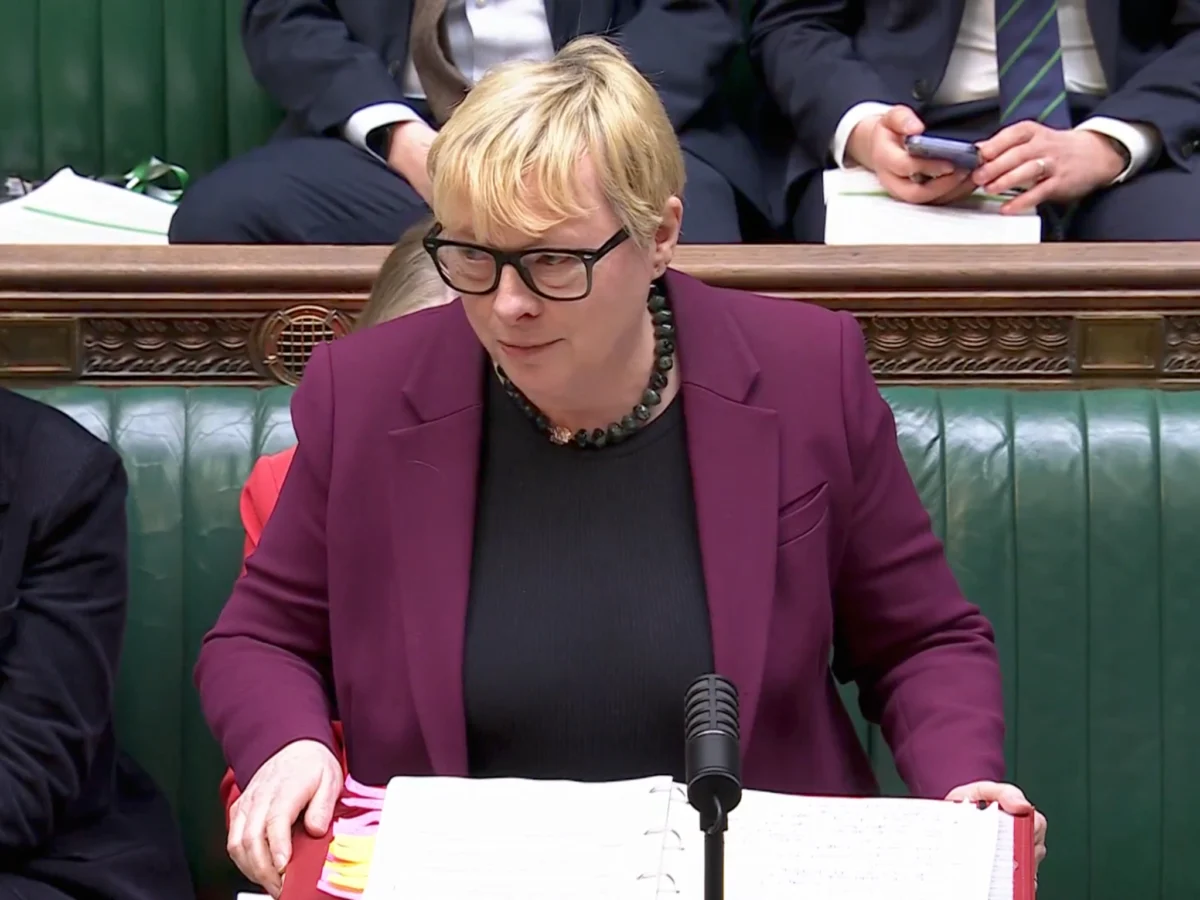
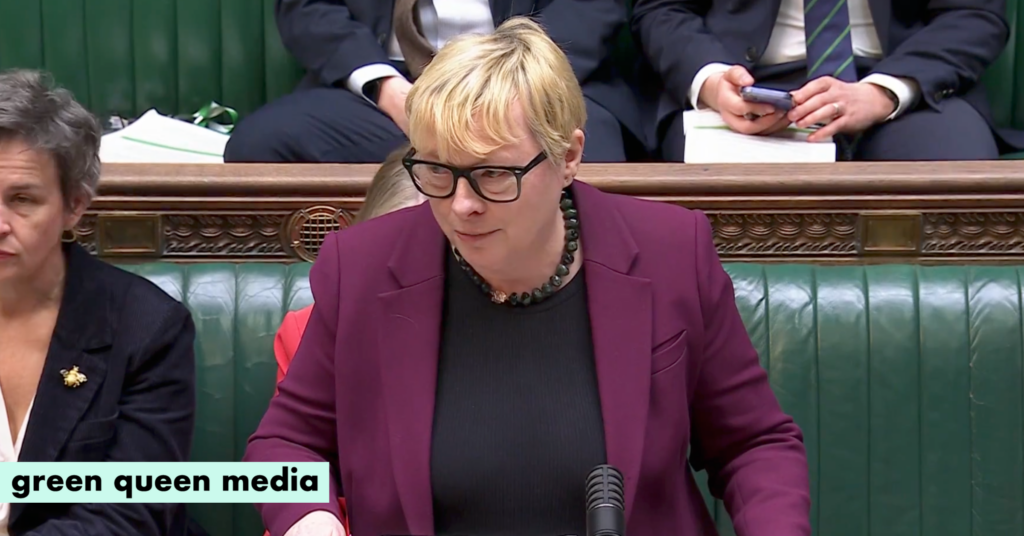
In a significant parliamentary debate held at the House of Commons, Dame Angela Eagle, the minister for food security and rural affairs, articulated the government’s vision. Responding to a pertinent question from Labour MP Will Stone regarding the integration of the alternative protein sector into the forthcoming national food strategy, now referred to as the "Good Food Cycle" strategy, Eagle stated emphatically: "The government’s Good Food Cycle strategy sees alternative proteins as a major opportunity, and not just for the economy but for health, sustainability and food resilience." This statement underscores a multi-faceted approach, recognizing the sector’s potential to address economic growth, public health, environmental stewardship, and national food security simultaneously.
Further elaborating on the government’s proactive stance, the minister added, "We are backing the sector and working with the Food Standards Agency [FSA] on novel food programmes to accelerate precision fermentation technology." This direct commitment to working with the FSA indicates a clear intention to streamline regulatory processes, a critical factor for the timely introduction of these innovative food products to the market.
UK Food Strategy Prioritizes Health, Sustainability, and Resilience
The genesis of the UK’s new food strategy can be traced back to its predecessor, Daniel Zeichner, who initially proposed the "Good Food Cycle" initiative. The overarching aim of this strategy is to foster a circular food economy where businesses are incentivized to invest in healthier and more sustainable supply chains. This, in turn, is intended to make food more accessible and affordable for the general public, tackling issues of food poverty and promoting healthier dietary choices.
The strategy’s core objectives are ambitious: to ensure that the UK’s food system achieves a "smaller environmental footprint," actively supports the nation’s "net zero commitments," and demonstrates greater "resilience to short-term shocks and better adapted to the long-term challenges" of climate change and global food system volatility.
The government has identified ten priority outcomes from its comprehensive plan. The first two, directly relevant to the embrace of alternative proteins, are: "an improved food environment that supports healthier and more environmentally sustainable food sales" and "access for all to safe, affordable, healthy, convenient and appealing food options." These priorities set the stage for the integration of alternative proteins, which are increasingly recognized for their potential to meet these criteria.
The "Good Food Cycle" strategy specifically pledges to ensure that regulatory frameworks are designed to actively "promote innovation and economic growth," emphasizing the critical need for "proportionate and predictable regulation." This recognition is a crucial departure from previous regulatory landscapes that were often perceived as cumbersome and slow-moving, particularly for novel food technologies.
For years, the UK’s novel food regulation system had largely relied on outdated EU-era regulations, even after Brexit. This legacy created significant hurdles for food tech innovators, increasing both the time and financial investment required to bring novel proteins, such as cultivated meat and precision-fermented ingredients, to market. The current administration’s acknowledgement of this issue and its commitment to reform signals a significant shift in policy.
In response to these challenges, the FSA began a crucial modernization of its regulatory framework in 2025. A key development was the launch of a cultivated meat regulatory sandbox. This initiative was specifically designed to expedite the launch of these novel products by providing a structured environment for companies to navigate the approval process. Furthermore, late last year, the FSA published the first in a series of comprehensive guidance documents specifically tailored for the regulation of cultivated meat, providing much-needed clarity for the industry.
Timeline and Milestones in UK Alternative Protein Development
The trajectory towards integrating alternative proteins into the UK’s food landscape has been marked by several key developments and investments:
- Pre-2021: Initial research and development in alternative proteins, largely driven by academic institutions and a nascent private sector, with limited government support. The regulatory landscape was largely inherited from the EU, presenting challenges for innovation.
- 2021: Publication of Henry Dimbleby’s National Food Strategy, which identified the need for a more sustainable and resilient food system. This report laid the groundwork for future policy decisions.
- Post-2021: Increased government attention and investment in the alternative protein sector. This period saw the establishment of key research and development centers.
- National Alternative Protein Innovation Centre (University of Leeds): Established with a substantial £38 million investment, including £15 million from the government, this center serves as a major hub for plant-based, cultivated, and fermentation-based research.
- Cellular Agriculture Manufacturing Hub: Another significant R&D center established to advance cultivated meat production.
- Microbial Food Hub: Focused on fermentation-based protein production.
- Bezos Earth Fund’s Centre for Sustainable Protein (Imperial College London): This center, backed by philanthropic funding, further strengthens the UK’s research capabilities in sustainable protein sources.
- 2025: The FSA begins modernizing its novel food regulatory framework, including the launch of the cultivated meat regulatory sandbox and the publication of initial guidance documents.
- Late 2025/Early 2026: The FSA publishes further guidance and continues to evaluate applications for cultivated meat products. Companies like Aleph Farms, Ivy Farm Technologies, Vital Meat, and Gourmey (part of Parima) are among those with applications under review.
- February 2027 (Target): The FSA aims to complete safety evaluations for cultivated meat applications. Following these evaluations, ministerial approval will be required before products can be made available to consumers in restaurants and supermarkets.
This chronological overview highlights a concerted effort by the UK government and its regulatory bodies to create an environment conducive to the growth and adoption of alternative proteins.
Economic and Societal Implications of Embracing Alternative Proteins
The integration of alternative proteins into the UK’s food strategy carries significant potential economic and societal benefits. Labour MP Will Stone, during the parliamentary debate, highlighted the substantial economic contributions the cultivated meat sector could generate, stating, "The cultivated meat sector could bring in billions of pounds to the UK economy and help to increase food chain security." He further commended companies like Hoxton Farms, a London-based startup at the forefront of this innovation, describing them as "genuinely world-leading."
Minister Eagle’s response to Stone’s commendation was positive: "I am happy to meet my honourable friend and congratulate the company he mentions, which is leading the way in this area." This exchange indicates a willingness at the ministerial level to engage with industry leaders and foster direct support for promising ventures. Eagle further reinforced the UK’s position as a global leader, stating, "We have a major national hub for plant-based, cultivated and fermentation-based research and development, which is at the forefront of progress in this exciting new area."

The broader implications of this policy shift are far-reaching. By accelerating approvals for novel foods, the UK aims to:
- Enhance Food Security: Diversifying protein sources reduces reliance on traditional agriculture, which is vulnerable to climate change, disease outbreaks, and geopolitical instability. This creates a more robust and secure food supply chain.
- Drive Economic Growth: The alternative protein sector is a rapidly expanding global market. By fostering innovation and providing a clear regulatory pathway, the UK can attract investment, create high-skilled jobs, and establish itself as a leader in this burgeoning industry. The Good Food Institute Europe estimates that the UK has already invested £75 million towards developing sustainable proteins since the National Food Strategy’s inception in 2021.
- Promote Environmental Sustainability: Alternative proteins generally have a significantly lower environmental footprint compared to conventional meat production, requiring less land, water, and generating fewer greenhouse gas emissions. This aligns with the UK’s climate targets and commitment to a greener future.
- Improve Public Health: Many alternative protein products can be formulated to offer improved nutritional profiles, potentially contributing to healthier diets and addressing issues like obesity and diet-related diseases. Furthermore, ensuring access to affordable, healthy food options is a key objective of the Good Food Cycle strategy.
Industry Reactions and Future Investment
Industry stakeholders have largely welcomed the government’s increased focus on alternative proteins. The Good Food Institute Europe, a prominent advocacy group for the sector, has urged the government to build upon its current momentum. Following the announcement of the new food strategy, the organization has called for an additional £150 million in investment for alternative protein research, development, and infrastructure between 2026 and 2030. This includes a specific proposal for £30 million to establish a dedicated plant-based innovation fund.
The acceleration of regulatory processes is particularly critical. The FSA’s current evaluation of four cultivated meat applications – from Aleph Farms, Ivy Farm Technologies, Vital Meat, and Gourmey – indicates a tangible pipeline of products nearing potential market entry. Gourmey, in particular, is noted as being the furthest along in the approval process. The projected completion of safety evaluations by February 2027 represents a significant milestone, potentially paving the way for the first cultivated meat products to appear on menus and shelves in the UK by that time, subject to ministerial approval.
The UK’s proactive stance on alternative proteins, underpinned by a clear national strategy and a commitment to regulatory reform, positions it as a key player in the global transition towards a more sustainable and secure food future. The coming years will be crucial in determining the extent to which these ambitious goals are realized, with ongoing investment, continued regulatory clarity, and public acceptance playing vital roles in shaping the future of food in the United Kingdom.