
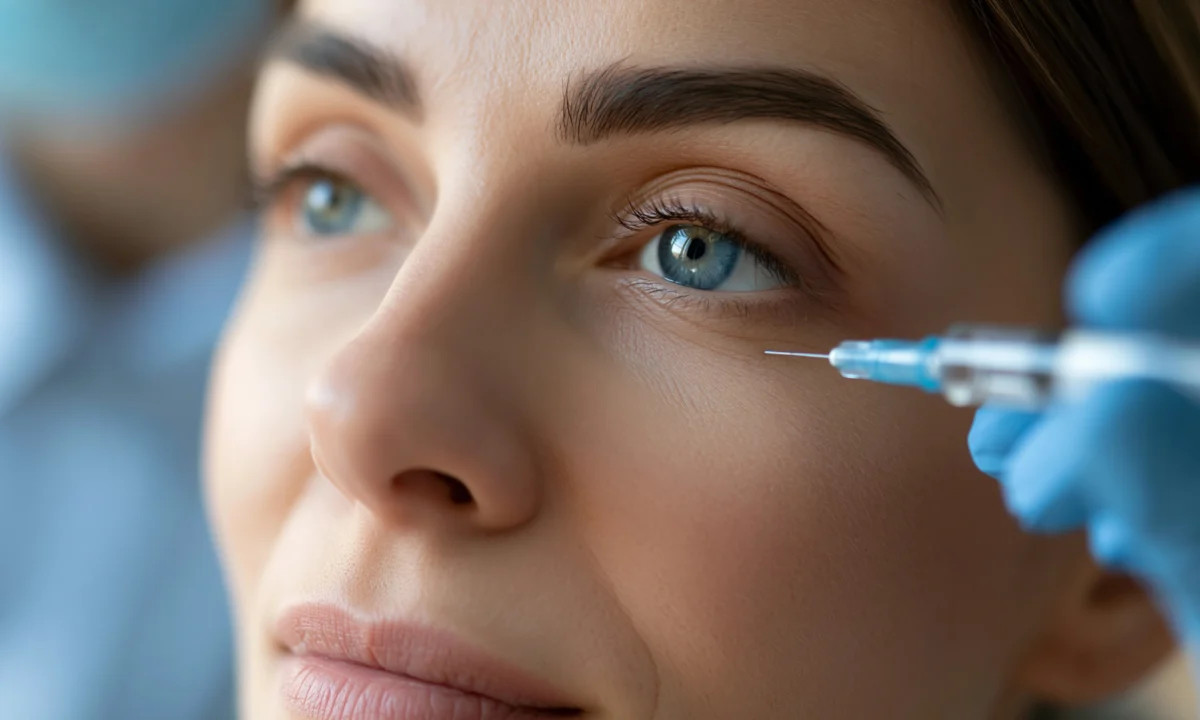
The medical aesthetics industry has undergone a radical transformation over the past decade, shifting from a niche sector of cosmetic enhancement to a multi-billion-pound pillar of the broader healthcare and wellness economy. At the heart of this transition is the Aesthetics Journal, a primary information hub for practitioners, which, under the stewardship of the international event organizer Easyfairs, has become a central vehicle for professionalization, education, and regulatory advocacy. As the UK government moves closer to implementing a mandatory licensing scheme for non-surgical cosmetic procedures, the role of specialized media in disseminating news, webinars, clinical reports, and expert interviews has never been more critical. The integration of the Aesthetics Journal into the Easyfairs portfolio represents a broader trend of "educational synergy," where physical events and digital media converge to provide a continuous stream of evidence-based data to a community of doctors, nurses, dentists, and allied healthcare professionals.
The Professionalization of the Aesthetics Sector
The aesthetics community in the United Kingdom is currently navigated by a complex web of clinical excellence and commercial growth. The Aesthetics Journal serves as the primary conduit for this community, offering a multi-channel platform that includes a monthly print publication, a digital news site, and a suite of educational webinars. The platform’s mission is to bridge the gap between clinical practice and business management, ensuring that practitioners are not only skilled in the latest injectable techniques but are also compliant with the evolving legal framework.
The acquisition of the Aesthetics Journal by Easyfairs in 2015 marked a significant turning point for the industry. Easyfairs, a global leader in the events industry, integrated the journal into its "Aesthetics" vertical, which also includes major industry events such as the Aesthetics Conference & Exhibition (ACE) and Clinical Cosmetic & Regenerative (CCR). This vertical provides a 365-day-a-year touchpoint for the community, moving away from the traditional model of isolated annual conferences toward a model of continuous professional development (CPD).
A Chronology of Industry Regulation and Media Influence
To understand the current state of the aesthetics media landscape, one must examine the chronological milestones that have defined the industry’s push for legitimacy and safety.
The modern era of UK aesthetics began in earnest following the 2013 Keogh Review. Sir Bruce Keogh’s report into the regulation of cosmetic interventions highlighted a "wild west" environment where dermal fillers were essentially unregulated and anyone could perform high-risk procedures with little to no training. In the years following the Keogh Review, the Aesthetics Journal became a vocal advocate for the implementation of the review’s recommendations, providing a platform for organizations like the Joint Council for Cosmetic Practitioners (JCCP) and the British College of Aesthetic Medicine (BCAM).
In 2015, the entry of Easyfairs into the market provided the financial and logistical infrastructure to scale these advocacy efforts. By 2017, the journal had expanded its digital footprint, launching a series of webinars designed to reach practitioners who were unable to attend London-centric events. This democratization of information was pivotal in ensuring that safety standards were disseminated nationwide.
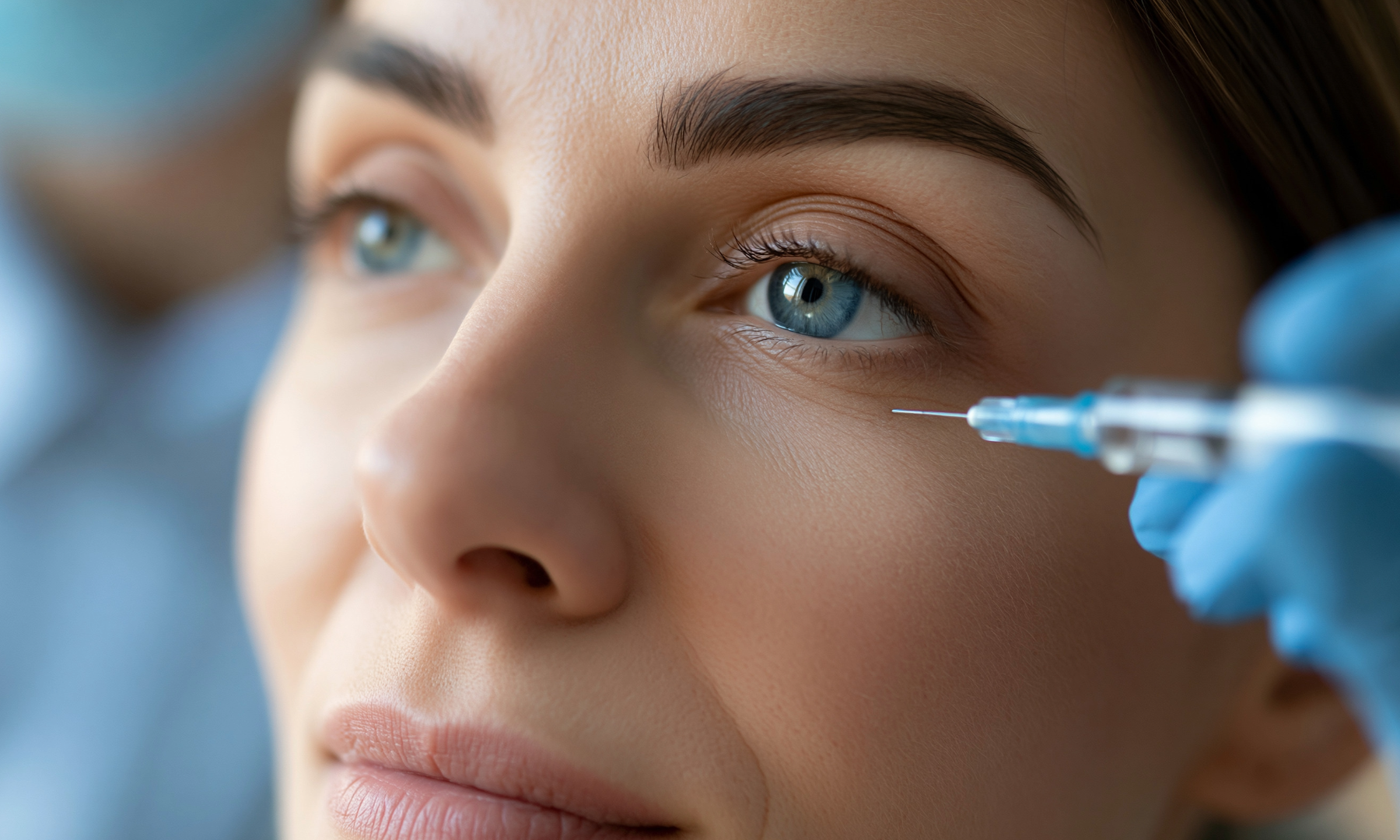
The most significant legislative milestone occurred in 2022 with the passing of the Health and Care Act. This legislation included an amendment that gave the Secretary of State for Health and Social Care the power to introduce a licensing scheme for non-surgical cosmetic procedures in England. Throughout this period, the Aesthetics Journal has acted as a critical bridge between the Department of Health and Social Care (DHSC) and the practitioner community, translating complex legislative language into actionable clinical guidance.
Supporting Data: The Economic and Clinical Scale of Aesthetics
The demand for specialized information is driven by the explosive growth of the aesthetics market. According to industry analysis, the UK non-surgical cosmetic market is estimated to be worth over £3.6 billion annually. Dermal fillers and botulinum toxin injections account for the majority of this revenue, with an estimated 90% of all cosmetic interventions in the UK now being non-surgical.
Data from the Aesthetics Journal’s own industry reports indicate a shift in practitioner demographics. While the sector was once dominated by plastic surgeons and dermatologists, there is now a significant presence of aesthetic nurses and dental professionals. This diversification has necessitated a broader range of educational content. For instance, the journal’s webinars have seen a 40% increase in attendance year-on-year, reflecting a heightened desire among practitioners to stay abreast of "complications management"—a topic that has become a cornerstone of modern aesthetic education.
Furthermore, consumer trends are driving professional needs. The rise of "tweakments"—subtle, non-permanent enhancements—among younger demographics (aged 18–30) has led to a surge in demand for information regarding long-term skin health and preventative aging treatments. Media platforms respond to this by commissioning reports on regenerative medicine, including polynucleotides and exosomes, which are currently at the forefront of clinical innovation.
Official Responses and Stakeholder Perspectives
The role of the Aesthetics Journal as a "voice of the industry" is recognized by major regulatory and professional bodies. Professor David Sines CBE, Chair of the JCCP, has frequently noted the importance of professional media in fostering a culture of transparency. The JCCP’s stance is that informed practitioners are the first line of defense against patient harm. By providing detailed reports on "red flag" symptoms and complications, the journal directly supports the JCCP’s mission to improve patient safety.
Similarly, the British Association of Cosmetic Nurses (BACN) has utilized the platform to advocate for the recognition of nursing as a distinct and vital specialty within aesthetics. Official statements from industry leaders often emphasize that the aesthetics community is not a monolith; it is a multidisciplinary field that requires a centralized source of truth to ensure that all practitioners, regardless of their medical background, adhere to the same high standards of ethics and clinical competence.
Easyfairs has also voiced its commitment to the sector’s longevity. By investing in high-quality journalism and peer-reviewed content, the company aims to move the industry away from the "beauty salon" perception toward a "clinical excellence" model. This is reflected in the Aesthetics Awards, an annual event hosted by the journal that recognizes clinics and practitioners who demonstrate exceptional commitment to safety and patient outcomes.

Broader Impact and Future Implications
The impact of a robust media ecosystem in aesthetics extends far beyond the practitioners themselves; it has a direct effect on public health. When the Aesthetics Journal publishes a report on the dangers of illicitly sourced products or the risks of "hyaluronidase" misuse, it contributes to a safer environment for the general public. In an era of social media misinformation, where TikTok and Instagram often promote "DIY" aesthetics and unregulated practitioners, the existence of a professional, factual media outlet serves as a necessary counter-narrative.
Looking forward, the aesthetics industry faces several challenges and opportunities. The upcoming licensing scheme in England will likely result in a contraction of the market as unregulated "cowboy" injectors are forced out. This will leave a more professionalized, medically led market that will require even more sophisticated data and clinical evidence.
The integration of Artificial Intelligence (AI) in skin analysis and treatment planning is another area where the Aesthetics Journal is expected to play a leading role. By hosting webinars and publishing interviews with tech innovators, the platform will guide practitioners through the digital transformation of their clinics.
Furthermore, the global nature of the Easyfairs network allows for a cross-pollination of ideas. Trends and safety protocols from the European and North American markets are frequently featured in the journal, ensuring that the UK community remains at the cutting edge of global best practices. As the industry continues to mature, the synergy between high-stakes medical reporting and large-scale educational events will remain the bedrock of a safe, ethical, and prosperous aesthetics sector.
In conclusion, the Aesthetics Journal, supported by the infrastructure of Easyfairs, is more than just a news outlet; it is a critical infrastructure component of the UK’s medical aesthetics landscape. Through its commitment to providing up-to-date information across a variety of media, it ensures that the community is not only informed about the latest clinical techniques but is also prepared for the significant regulatory shifts on the horizon. As the industry moves toward a more regulated and professional future, the role of factual, objective, and expert-led journalism will continue to be the primary driver of safety and excellence in patient care.
