
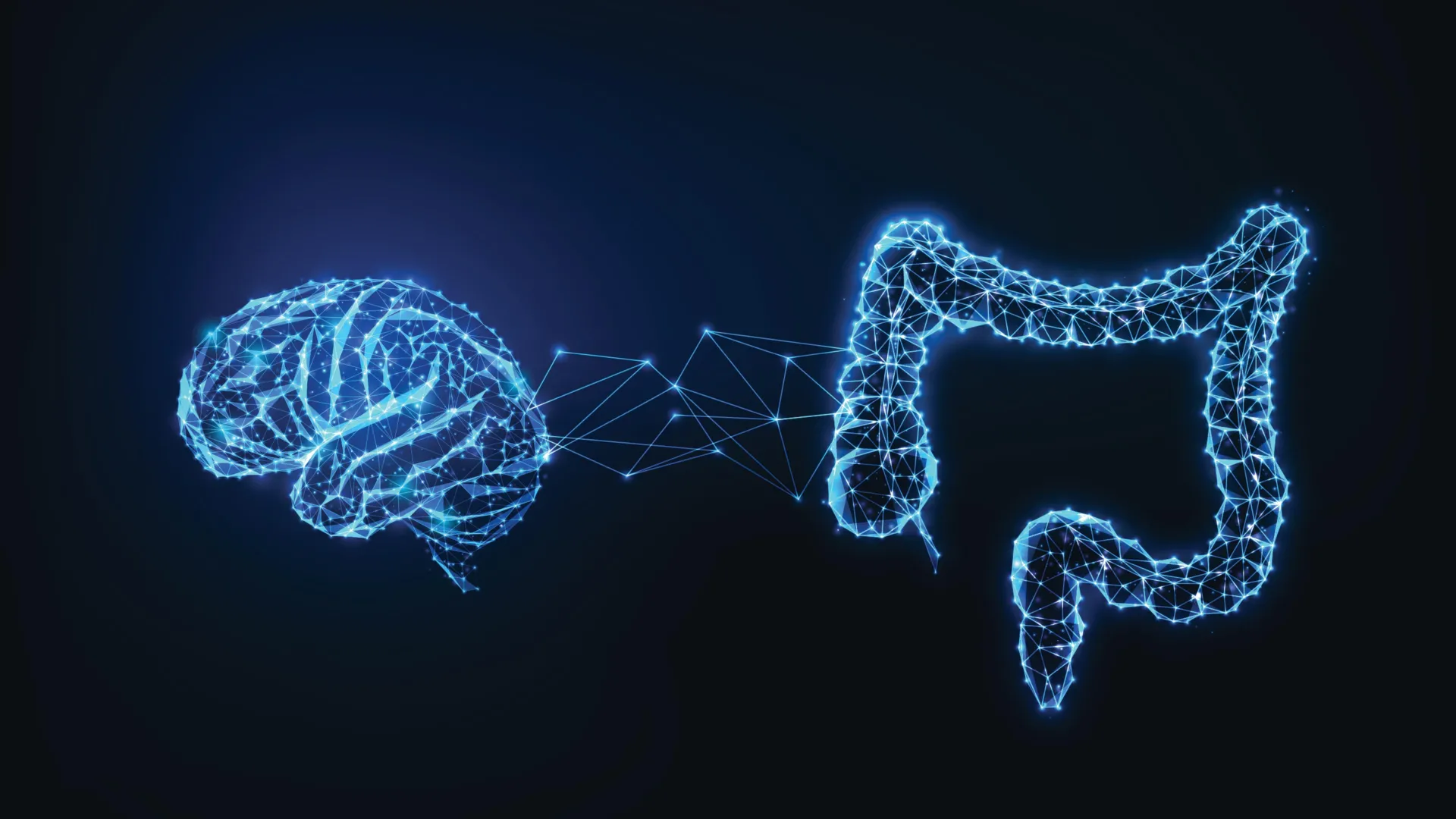
Researchers at Case Western Reserve University have made a groundbreaking discovery that could fundamentally alter the understanding and treatment of Amyotrophic Lateral Sclerosis (ALS) and Frontotemporal Dementia (FTD), two of the most debilitating neurological disorders. Their latest findings, published in the esteemed journal Cell Reports, pinpoint a surprising culprit in the progression of these diseases: the intricate ecosystem of bacteria residing in the human gut. This research unveils a novel gut-brain axis mechanism, suggesting that specific components of gut microbes can trigger immune responses that lead to the destruction of vital brain cells, and crucially, offers potential avenues for intervention.
For decades, the precise origins and mechanisms driving ALS and FTD have remained elusive, leaving patients and clinicians with limited therapeutic options. While genetic predispositions, environmental factors, and even past head injuries have been investigated as contributing elements, a unifying explanation for why some individuals develop these devastating conditions while others, even those with known genetic risks, do not, has been lacking. This new work by the Case Western Reserve team offers a compelling answer, proposing a molecular pathway that directly links the activity of gut bacteria to the neuronal damage characteristic of both ALS and FTD, particularly in individuals carrying specific genetic mutations.
Unraveling the Gut-Brain Connection in Neurodegeneration
The study identified a clear and concerning link between the microbial inhabitants of the digestive system and the neurodegeneration observed in ALS and FTD. The researchers discovered that certain bacterial sugars, specifically inflammatory forms of glycogen, can act as potent triggers for immune reactions. These reactions, in turn, are implicated in the death of brain cells, a hallmark of these progressive neurological conditions.
"We found that harmful gut bacteria produce inflammatory forms of glycogen (a type of sugar), and that these bacterial sugars trigger immune responses that damage the brain," explained Aaron Burberry, assistant professor in the Department of Pathology at the Case Western Reserve School of Medicine. This statement underscores the direct causal relationship the study proposes between microbial metabolites and neural pathology.
To quantify this link, the researchers analyzed samples from 23 patients diagnosed with ALS or FTD. The results were striking: a significant majority, 70%, exhibited elevated levels of this harmful bacterial glycogen. In stark contrast, only approximately one-third of individuals without these neurodegenerative diseases displayed comparable levels. This disparity provides strong statistical evidence for the association between elevated harmful glycogen and the presence of ALS or FTD.
The Dual Threat: ALS and FTD and Their Impact on the Brain
Amyotrophic Lateral Sclerosis (ALS), often referred to as Lou Gehrig’s disease, is a relentlessly progressive and fatal neurodegenerative disease that affects nerve cells in the brain and spinal cord. It leads to the gradual loss of motor neurons, the nerve cells responsible for controlling voluntary muscle movement. As these neurons degenerate, muscles weaken, leading to paralysis and, ultimately, respiratory failure. The average life expectancy for individuals with ALS is typically two to five years from diagnosis, although some may live longer.
Frontotemporal Dementia (FTD) is a group of disorders characterized by the progressive loss of neurons in the frontal and temporal lobes of the brain. These regions are critical for personality, behavior, language, and executive functions. Consequently, FTD can manifest as profound changes in personality and behavior, making individuals socially disinhibited, apathetic, or exhibiting compulsive actions. Language abilities can also be severely affected, leading to difficulties with speaking, understanding, or finding the right words. FTD is a leading cause of dementia in people under the age of 65, and its progression can significantly impact quality of life for both patients and their families.
The underlying causes of both ALS and FTD remain complex and multifaceted. While genetics play a role, particularly in familial forms of these diseases, a significant portion of cases are sporadic, meaning they occur without a known family history. This has led scientists to explore a broad spectrum of potential contributing factors, including environmental exposures, dietary habits, and even past trauma to the brain. The discovery of the gut-brain axis’s role offers a new paradigm for understanding this complexity.
A Novel Gut-Brain Pathway Illuminates Disease Risk
The Cell Reports study meticulously details a molecular pathway that bridges the gap between gut microbial activity and brain damage, providing a potential explanation for why certain individuals develop ALS or FTD, especially those with specific genetic mutations. This discovery directly addresses a long-standing question in the field: what determines susceptibility to these devastating diseases?
The research highlights that certain gut bacteria possess the capability to produce inflammatory forms of glycogen. This sugar, when released into the body, can then elicit a potent immune response. However, in the context of ALS and FTD, this immune response appears to be misdirected, targeting and ultimately destroying healthy brain cells. This represents a significant shift in understanding, moving beyond solely intrinsic neuronal factors to incorporate external influences from the microbiome.
The implications of this finding are profound for clinical practice. By identifying harmful gut sugars as a key driver of disease progression, the researchers have unveiled novel therapeutic targets. Furthermore, the study points towards the potential for developing specific biomarkers. These biomarkers could enable clinicians to identify patients at higher risk or those who would most likely benefit from therapies specifically designed to modulate the gut microbiome or target the identified sugars.
"The results open the door to new treatments aimed at breaking down these damaging sugars in the digestive system," commented Alex Rodriguez-Palacios, assistant professor in the Digestive Health Research Institute at the School of Medicine. "They also support the development of drugs designed to act on the connection between the gut and the brain, offering hope for slowing or preventing disease progression." Rodriguez-Palacios further elaborated that in their experimental models, the team was successful in reducing these harmful sugars, a process that demonstrably "improved brain health and extended lifespan." This experimental success offers a tangible glimpse into the therapeutic potential of this research.
The C9orf72 Mutation: A Genetic Link and Environmental Trigger
The discovery holds particular significance for individuals carrying the C9orf72 mutation. This genetic alteration is recognized as the most common inherited cause of both ALS and FTD. However, a crucial aspect of this mutation is incomplete penetrance – meaning that not everyone who inherits the mutation will necessarily develop the disease. This variability has long puzzled researchers, and the current findings offer a compelling explanation.
The study posits that gut bacteria can act as an environmental trigger, modulating the expression of the disease in genetically susceptible individuals. In essence, the presence of specific gut microbes and their production of inflammatory glycogen may be the crucial factor that determines whether a person with the C9orf72 mutation goes on to develop ALS or FTD. This suggests a complex interplay between genetic predisposition and environmental influences, with the gut microbiome playing a pivotal role.
Innovative Research Methodologies Pave the Way for Breakthrough
The scientific breakthrough was facilitated by the implementation of advanced laboratory methodologies at Case Western Reserve University, specifically within the Department of Pathology and the Digestive Health Research Institute. A cornerstone of this research was the utilization of germ-free mouse models. These animals are raised in meticulously controlled, sterile environments, completely devoid of any bacterial presence. This unique approach allows researchers to precisely isolate and study the effects of specific microbes or microbial products on disease development, without the confounding variables of a naturally occurring microbiome.
This pioneering work is part of a larger initiative led by Fabio Cominelli, Distinguished University Professor and director of the Digestive Health Research Institute. A critical component enabling these large-scale microbiome studies is an innovative "cage-in-cage" sterile housing system. Developed by Rodriguez-Palacios, this system is a rare and valuable capability that provided the necessary infrastructure for this research. Traditional methods often limit researchers to studying only a small number of animals at a time, significantly hindering comprehensive microbiome investigations. The "cage-in-cage" system, however, allows for the simultaneous study of a much larger cohort, making it possible to investigate complex interactions within the gut-brain axis with unprecedented scale and precision.
Future Directions: Clinical Trials on the Horizon
The immediate next steps for the research team involve expanding their investigations to better understand the temporal dynamics of harmful microbial glycogen production. "To understand when and why harmful microbial glycogen is produced, the team will next conduct larger studies surveying gut microbiome communities in ALS/FTD patients before and after disease onset," stated Burberry. This longitudinal approach aims to capture crucial insights into how the microbiome changes throughout the course of the disease.
Furthermore, the findings strongly support the initiation of clinical trials. "Clinical trials to determine whether glycogen degradation in ALS/FTD patients could slow disease progression are also supported by our findings and could begin in a year," Burberry added. The prospect of clinical trials commencing within the next year signifies the high confidence the researchers have in their findings and the potential for near-term therapeutic impact. These trials will be critical in validating whether targeting bacterial glycogen can indeed translate into tangible benefits for patients suffering from these devastating neurological conditions.
The implications of this research extend beyond immediate treatment possibilities. It could lead to the development of diagnostic tools that incorporate microbiome analysis, allowing for earlier and more accurate diagnoses. It also opens avenues for personalized medicine, where treatment strategies could be tailored based on an individual’s unique gut microbiome profile. The study serves as a powerful testament to the growing recognition of the gut microbiome’s pervasive influence on human health and disease, signaling a new era in the fight against complex neurological disorders.
