
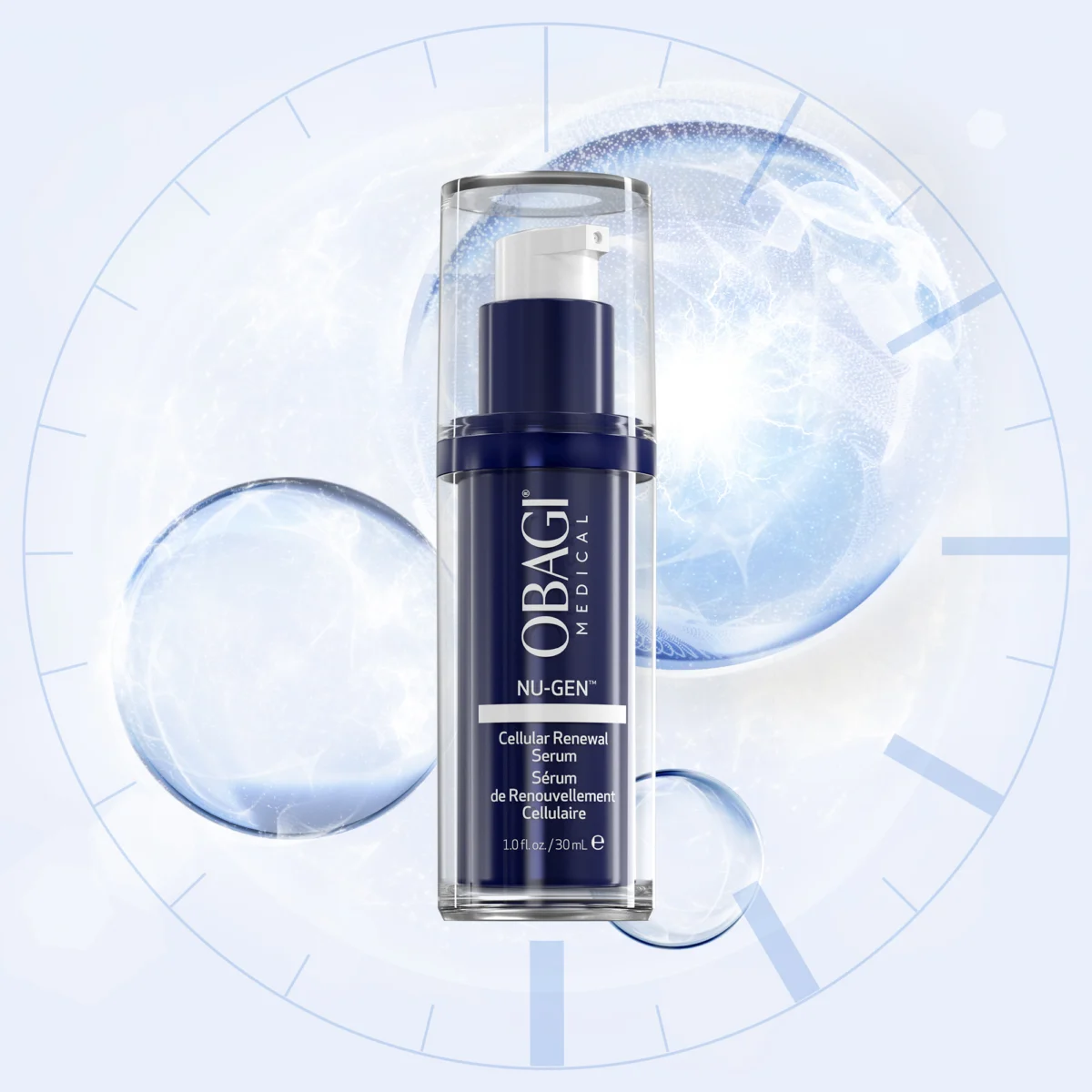
Obagi Medical has officially announced the launch of its latest innovation in the professional skincare market, the NU-GEN Cellular Renewal Serum. This new addition to the brand’s extensive portfolio is designed to address the foundational aspects of skin health by targeting cellular energy and repair mechanisms. The serum is formulated around the science of Nicotinamide Adenine Dinucleotide (NAD+), a vital coenzyme found in every living cell that plays a central role in energy metabolism and the maintenance of genomic stability. By incorporating NAD+ precursors, specifically nicotinamide mononucleotide (NMN) and nicotinamide (NAM), Obagi Medical aims to provide a comprehensive solution for skin resilience and rejuvenation that moves beyond traditional topical treatments.
The introduction of the NU-GEN Cellular Renewal Serum represents a strategic shift toward "skin longevity," an emerging category in the aesthetic industry that focuses on the biological age of the skin rather than just the visible signs of chronological aging. The product is intended to be integrated into both morning and evening skincare routines, positioned as the essential first step following the cleansing and toning phases. According to the company, this specific placement ensures that the active ingredients can effectively support the skin’s natural renewal processes and optimize the performance of subsequent products in a patient’s regimen.
The Science of Cellular Energy and NAD+ in Dermatology
To understand the significance of the NU-GEN Cellular Renewal Serum, it is necessary to examine the biological role of NAD+. In the human body, NAD+ is essential for the function of mitochondria, often referred to as the "powerhouses" of the cell. Mitochondria convert nutrients into adenosine triphosphate (ATP), the primary energy currency used by cells to perform vital functions, including collagen synthesis, lipid barrier repair, and waste removal. As individuals age, systemic levels of NAD+ naturally decline, a process that is accelerated by environmental stressors such as ultraviolet (UV) radiation and pollution.
When NAD+ levels diminish, the skin’s ability to repair DNA damage and maintain cellular homeostasis is compromised. This lead to a decrease in cellular "fitness," manifesting as thinning skin, loss of elasticity, and a diminished ability to recover from inflammatory insults. The NU-GEN formula seeks to counteract this decline by utilizing NMN and NAM. NMN is a direct precursor to NAD+; once absorbed, it is converted within the cells to bolster the available pool of the coenzyme. Nicotinamide (NAM), a form of Vitamin B3, further supports this pathway while providing anti-inflammatory benefits and enhancing the skin’s barrier function.
By focusing on these precursors, Obagi Medical is leveraging "geroprotective" science—technologies designed to slow the biological aging process. This approach aligns with the growing trend of "biohacking" in skincare, where consumers and practitioners alike seek interventions that work at a molecular level to preserve youthful function for as long as possible.
A Chronology of Innovation: The Path to NU-GEN
The launch of the NU-GEN Cellular Renewal Serum is the latest milestone in a history of dermatological innovation that spans over three decades. Obagi Medical was founded in 1988 by Dr. Zein Obagi, a pathologist and dermatologist who pioneered the concept of "skin health" as a science.
In the 1990s, the brand gained international recognition for the Nu-Derm System, a prescription-strength regimen that utilized hydroquinone and tretinoin to transform the skin’s appearance at a cellular level. This system established Obagi as a leader in medical-grade skincare, emphasizing that skin should not just be treated for specific conditions but should be "transformed" into a healthy state.
Throughout the early 2000s, Obagi expanded its research into Vitamin C stabilization, leading to the Professional-C line, which set industry standards for antioxidant efficacy. The 2010s saw the brand move into more diverse formulations, including the introduction of the ELASTIderm and CLENZIderm systems, which targeted specific concerns like elasticity and acne with proprietary technologies.
The development of the NU-GEN Cellular Renewal Serum in 2024 marks a transition from corrective skincare to preventative and regenerative skincare. While previous decades focused on correcting damage that had already occurred, the current era of Obagi research is dedicated to maintaining the "cellular infrastructure" of the skin to prevent the rapid onset of aging markers.
Clinical Foundations and Research Data
The release of the NU-GEN Cellular Renewal Serum is supported by a robust framework of clinical evidence. Simone Shoffman, the education and clinical director at Healthxchange—the leading distributor for Obagi Medical in the United Kingdom—emphasized that the serum’s efficacy is backed by three distinct clinical studies. These studies were designed to evaluate the serum’s impact on skin function, resilience, and overall appearance over time.
While specific data points from individual studies are often proprietary to the manufacturer, the general consensus in NAD+ research suggests that topical application of precursors can lead to a measurable increase in skin hydration and a reduction in transepidermal water loss (TEWL). Furthermore, clinical evaluations of NAD+ enhancing products typically show an improvement in skin texture and a reduction in the appearance of fine lines within four to eight weeks of consistent use.
The clinical backing of NU-GEN is a critical component for its adoption in the professional sector. Unlike over-the-counter cosmetic products, medical-grade skincare is held to a higher standard of proof, as it is primarily sold through aesthetic clinics and prescribed by healthcare professionals. The inclusion of three clinical studies provides practitioners with the confidence that the product will deliver predictable outcomes for their patients, particularly those undergoing other aesthetic procedures.
Professional Reactions and Industry Positioning
The aesthetic community has responded with significant interest to the launch. Simone Shoffman highlighted the product as a "new frontier in skin longevity." According to Shoffman, the serum’s ability to support the skin’s natural energy systems allows for an optimization of function that traditional moisturizers or simple antioxidants cannot achieve.
"We’re incredibly excited to introduce Obagi Medical’s NU-GEN Cellular Renewal Serum," Shoffman stated. "This represents a focus on supporting the skin’s natural energy systems to optimize function and resilience over time. Backed by three clinical studies, this is the kind of next-generation innovation we’re proud to bring to practitioners and their patients."
The positioning of NU-GEN as a "first-step" serum is also a strategic move. In the professional skincare world, the sequence of product application—known as "layering"—is vital for efficacy. By placing the cellular renewal serum immediately after cleansing and toning, Obagi ensures that the NMN and NAM precursors are the first active molecules to interact with the skin barrier, maximizing their penetration and biological impact before heavier creams or sunscreens are applied.
Broader Market Impact and the Future of Skincare
The launch of the NU-GEN Cellular Renewal Serum occurs within a broader context of rapid growth in the global anti-aging and longevity markets. Recent industry reports estimate that the global skincare market will reach a valuation of over $180 billion by 2030, with a significant portion of that growth driven by "active" ingredients and medical-grade formulations.
There is a clear shift in consumer behavior toward "preventative aging." Younger demographics, particularly Millennials and Gen Z, are increasingly seeking out products that preserve skin health early on, rather than waiting for deep wrinkles or significant pigmentation to appear. This demographic shift is driving demand for products like NU-GEN, which offer a scientific, data-driven approach to maintenance.
Furthermore, the integration of longevity science into skincare reflects a convergence of the wellness and beauty industries. As research into systemic longevity—such as the work being done on NAD+ supplements for internal health—becomes mainstream, consumers are looking for topical equivalents. Obagi’s move to incorporate NAD+ precursors places the brand at the intersection of biotechnology and dermatology.
Implications for Aesthetic Practitioners
For aesthetic practitioners, the NU-GEN Cellular Renewal Serum offers a new tool for "pre-juvenation" and post-procedure care. In the clinical setting, healthy skin is a prerequisite for successful outcomes from invasive or semi-invasive treatments such as chemical peels, microneedling, or laser resurfacing. Skin that is energetically "fit" and has a robust repair mechanism typically heals faster and shows more significant improvements from these treatments.
The introduction of cellular-focused serums allows practitioners to offer a more holistic treatment plan. By addressing the cellular energy levels of the skin, they can improve the "soil" in which they are performing their clinical "gardening." This systemic approach is expected to become the standard of care in high-end aesthetic clinics over the next several years.
In conclusion, the launch of Obagi Medical’s NU-GEN Cellular Renewal Serum represents a sophisticated evolution in the science of topical skincare. By prioritizing NAD+ and its precursors, the brand is moving beyond superficial aesthetics to address the very energy systems that define skin health. As the industry continues to embrace the principles of longevity and cellular biology, products like NU-GEN are likely to set the benchmark for the next generation of professional skincare solutions.
