

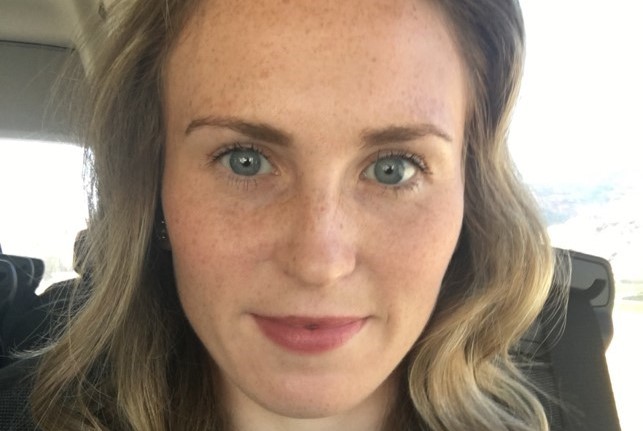
Brittany McKertcher, a 32-year-old nurse residing in Alberta, embodies the persistent and often debilitating struggle with acne, a condition that has plagued her for two decades and continues to shape her life. Her journey, which began at the tender age of 13, highlights not only the physical discomfort but also the profound emotional and psychological impact of a skin condition often dismissed as a mere cosmetic concern. McKertcher’s candid account offers a poignant window into the complexities of managing chronic acne, from its initial manifestation through various treatments, into adulthood, and the challenges it presents for personal well-being and life decisions.
The Genesis of a Lifelong Challenge: Teenage Years and Early Struggles
McKertcher’s battle with acne commenced around age 13, manifesting as a severe combination of surface pustules and painful, deep-seated cystic lesions. "It’s still an ongoing journey in my 30’s," she reflects, underscoring the enduring nature of her condition. The early onset of acne, often linked to hormonal fluctuations during puberty, was particularly challenging for McKertcher. She recalls a significant struggle with her hormones, a common underlying factor in adolescent acne.
In her early teenage years, McKertcher did not immediately seek medical intervention, a common initial response among adolescents and their families. Instead, she embarked on a trial-and-error approach with over-the-counter (OTC) remedies. "I was just trying over the counter things like different face washes and topicals that would hopefully help heal the acne," she explains. This period was also marked by a relentless search for suitable makeup—specifically a foundation—that could conceal the lesions without exacerbating dryness. However, the deep cystic bumps proved particularly resistant to cosmetic cover-up, remaining visible and a constant source of self-consciousness.
The impact on her young life was immediate and profound. McKertcher describes a lack of "clear days of healing," which severely eroded her self-esteem. Activities typical for a vibrant teenager, such as swimming, hot tubs, or river floating, became sources of anxiety. Her fear was that these activities would compromise her carefully applied makeup, exposing her acne. As an active gymnast, she even carried makeup to cover breakouts exacerbated by sweating, highlighting the pervasive nature of her concerns. The feeling of isolation was amplified by the perception that she was "the only one with serious acne" among her high school peers, a sentiment that often accompanies visible dermatological conditions.
Navigating the Medical Labyrinth: A Decade of Treatments
Within a year of acne’s onset, McKertcher consulted her family doctor, initiating a long and often frustrating medical journey. Her first prescription treatments were topical medications, which, to her dismay, yielded little significant improvement. This led to an early introduction to systemic treatments; at approximately 14 years old, she was prescribed birth control pills, a common approach for hormonally-driven acne in young women.
Her treatment escalated with a referral to a dermatologist, where she underwent a battery of interventions. She cycled through "a whole bunch of antibiotics," which are often prescribed for their anti-inflammatory and antibacterial properties in moderate to severe acne. However, the turning point in her early treatment came with isotretinoin, commonly known by its brand name Accutane. She started this powerful retinoid within a couple of years of seeing a dermatologist. While isotretinoin is highly effective for severe, recalcitrant acne, it comes with a well-documented profile of side effects. McKertcher experienced extreme dryness, nosebleeds, and dry eyes, necessitating the use of a humidifier and heavy body creams for her face. Despite these challenges, her acne improved to a degree.
Following her initial course of isotretinoin, McKertcher’s treatment regimen shifted back to birth control pills, this time augmented by spironolactone, an anti-androgen medication often used off-label for hormonal acne in women. This combination proved to be particularly effective for her. "I found those were the most helpful treatments that I experienced," she states, indicating a period of relative control over her condition.
The Enduring Burden: Adult Acne and Life Choices
Acne, however, did not subside with adolescence, continuing its presence throughout McKertcher’s twenties and university years. The expectation that she would "grow out of it" into adulthood proved to be an elusive hope. After university, a pivotal decision regarding contraception inadvertently led to a significant setback. She ceased taking oral contraceptive pills and switched to an intrauterine device (IUD), which, in her experience, triggered a severe breakout. This forced her to revert to regular birth control pills to manage her skin.
The emotional toll of acne, McKertcher notes, has paradoxically become greater in adulthood. While teenage self-consciousness is intense, there is a societal expectation of eventual resolution. As an adult, the persistence of acne can feel more isolating and demoralizing. "The acne has taken a bigger toll on me as an adult," she confesses. "All my friends do not struggle with acne at all and I still feel like it affects me – that is so hard. When I look in the mirror, that is all I see." This sentiment highlights the profound psychological burden of adult acne, which can lead to feelings of shame, anxiety, and a diminished sense of self-worth, particularly when peers enjoy clear complexions.
Approximately a year prior to her current situation, McKertcher embarked on another course of isotretinoin, this time a newer formulation, for about eight months. The results were initially promising, providing "really good coverage" with only occasional breakouts during specific times of the month. However, a different type of makeup applied for her wedding triggered a widespread breakout, including on her eyelids, and the development of body acne. Now, all treatments are on hold as McKertcher and her partner hope to start a family, a decision that underscores the complex interplay between medical conditions, their treatments, and significant life choices.
The Broader Landscape of Acne: Supporting Data and Context
McKertcher’s narrative is not an isolated incident but reflects a widespread public health issue. Acne vulgaris is one of the most common skin conditions globally, affecting an estimated 85% of individuals between the ages of 12 and 24. While often associated with adolescence, adult acne, defined as acne occurring in individuals over 25, is increasingly prevalent, particularly among women. Studies suggest that adult acne affects up to 40-55% of adult women, with hormonal fluctuations, stress, and genetics being significant contributing factors. This prevalence directly mirrors McKertcher’s continued struggle into her thirties.
The types of acne McKertcher experienced – surface pustules and deep cystic acne – represent different severities. Cystic acne, characterized by large, painful, pus-filled lesions deep under the skin, is particularly challenging to treat and carries a high risk of permanent scarring, a concern McKertcher fortunately avoided. Hormonal influence, which McKertcher identified early on, is a critical factor, especially in adult female acne. Androgen hormones stimulate sebaceous glands, leading to increased sebum production, which, combined with follicular hyperkeratinization and bacterial proliferation (primarily Propionibacterium acnes or Cutibacterium acnes), results in acne lesions.
Treatment modalities for acne have evolved significantly, yet finding a "one-size-fits-all" solution remains elusive. Over-the-counter products, typically containing ingredients like salicylic acid or benzoyl peroxide, are often effective for mild acne but fall short for moderate to severe or cystic forms, as McKertcher discovered. Prescription topicals, including retinoids (like tretinoin or adapalene) and topical antibiotics, are stronger but still may not penetrate deep enough for cystic lesions.
Oral medications are often necessary for more severe cases. Oral antibiotics, such as doxycycline or minocycline, reduce inflammation and bacterial load but are generally prescribed for limited durations due to concerns about antibiotic resistance. Hormonal therapies, like combined oral contraceptives and spironolactone, work by modulating androgen levels and are particularly effective for women with hormonally-driven acne, a treatment path that provided McKertcher with significant relief. Isotretinoin, the synthetic retinoid McKertcher used twice, remains the most potent systemic treatment for severe, recalcitrant acne, capable of inducing long-term remission by significantly reducing sebum production and follicular keratinization. However, its teratogenic effects necessitate strict adherence to risk management programs for women of childbearing potential, highlighting the complex decisions patients like McKertcher face when considering family planning.
The adverse reaction McKertcher experienced with an IUD is also noteworthy. While non-hormonal IUDs typically do not affect acne, some hormonal IUDs, which release progestin, can potentially worsen acne in susceptible individuals as progestin can have androgenic effects. This contrasts with combined oral contraceptives, which typically improve acne by reducing circulating androgen levels.

Expert Perspectives and Broader Implications
Dermatologists universally recognize the complexity of adult acne and the necessity for personalized, multi-faceted treatment plans. Dr. [Fictional Dermatologist Name], a leading expert in dermatological care, might emphasize, "Adult acne, particularly in women, is often deeply intertwined with hormonal factors and requires a thorough diagnostic approach. The journey can be long, and patience, alongside a strong partnership between patient and dermatologist, is key to managing expectations and finding effective, sustainable solutions." They would likely underscore the importance of early intervention to prevent physical scarring, which can be permanent, and to mitigate the severe psychological impact.
Mental health professionals consistently highlight the profound psychological toll of chronic skin conditions. Dr. [Fictional Psychologist Name], a specialist in body image and chronic illness, could state, "Conditions like persistent acne can significantly impair an individual’s quality of life, leading to anxiety, depression, social phobia, and distorted body image. The emotional burden, as Brittany describes, can even intensify in adulthood when societal pressures for ‘perfect’ skin are amplified. It’s crucial for patients to recognize these psychological impacts and seek support, whether through therapy or support groups, alongside their medical treatment."
Organizations like Acne Action Canada continuously advocate for increased awareness, destigmatization, and improved access to specialized dermatological care. A representative might comment, "Brittany’s story is a powerful reminder that acne is a serious medical condition, not just a cosmetic inconvenience. The financial, emotional, and physical strain it places on individuals underscores the need for greater public understanding and for healthcare systems to facilitate timely referrals to dermatologists, especially for severe or persistent cases."
McKertcher’s experience also sheds light on several critical implications. The "considerable amount of money, time and effort" she invested in ineffective OTC products speaks to the significant financial burden acne can impose, particularly when specialized medical care is delayed. This highlights a broader issue of healthcare access, where timely referrals to dermatologists can be challenging, leading to prolonged suffering and potentially irreversible scarring. Furthermore, her current pause in treatment due to family planning aspirations underscores how medical conditions and their treatments can intersect with deeply personal life decisions, forcing individuals to prioritize different aspects of their well-being at various stages of life.
Brittany’s Advice and A Glimmer of Hope
Despite her ongoing challenges, Brittany McKertcher offers invaluable advice to others grappling with serious acne. "Try to see your GP sooner and get a referral to a dermatologist if you need that," she urges, emphasizing the critical role of early professional intervention. She stresses that acne treatments are "not a one-size-fits-all," advocating for a collaborative approach with a dermatologist to find a personalized combination that works. Crucially, she advises getting "on something before you have scarring," expressing gratitude that she avoided permanent marks. Her final piece of advice, universally echoed by dermatologists, is to resist the urge to pick at lesions, a habit she admits is difficult to break but essential for preventing scarring and secondary infections.
Looking ahead, McKertcher maintains an optimistic outlook, holding onto the "ultimate goal" of achieving clear skin. She hopes to reach a point where continuous medication is no longer necessary and expresses a desire for more research into new, effective, and less burdensome acne treatments. Her journey is a testament to the resilience of those living with chronic conditions and a powerful call for greater empathy, understanding, and continued medical innovation in the fight against acne.
