
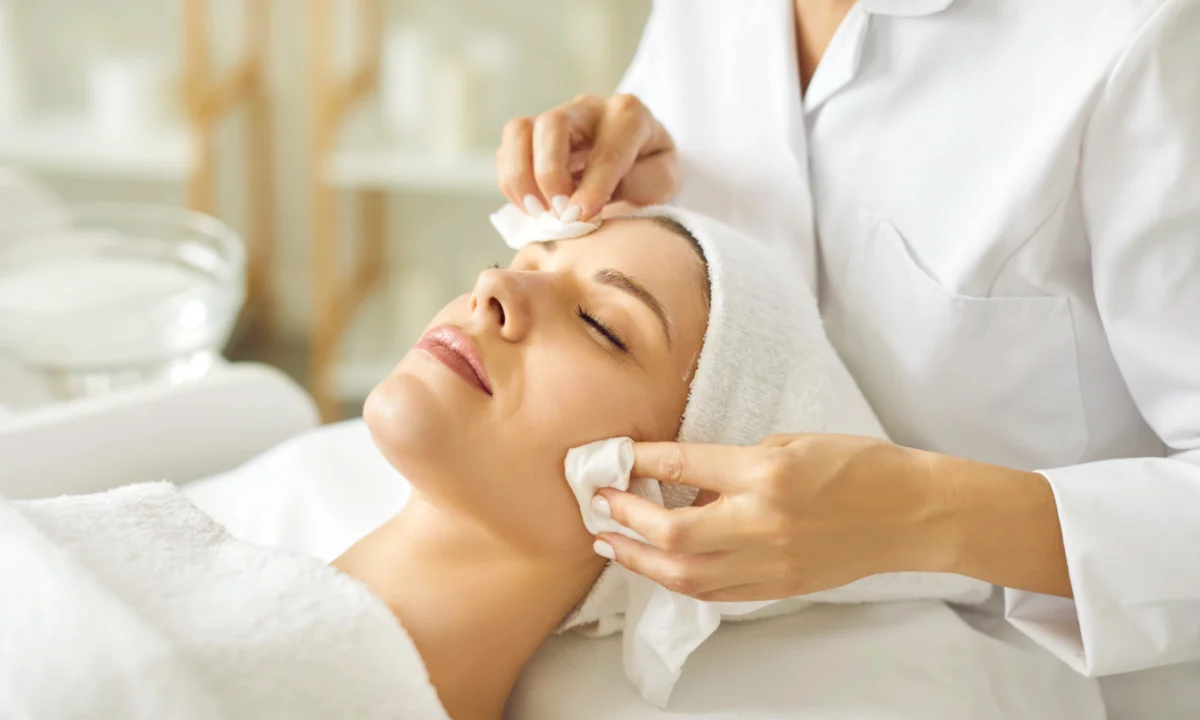
The landscape of medical aesthetics is undergoing a profound transformation, moving away from purely volumetric interventions toward a paradigm that prioritises skin health, cellular function, and structural quality. Independent nurse prescriber Kate Monteith-Ross, a prominent figure in the field of regenerative aesthetics, has highlighted how controlled, minimally invasive interventions are now central to modern clinical practice. By moving beyond the "fill and freeze" methodology that dominated the early 2000s, practitioners are increasingly adopting protocols that stimulate the body’s innate regenerative capacities. Central to this evolution is the mechanistic synergy between multi-acid peels and biorevitalisation, a dual-action approach designed to optimize the extracellular matrix (ECM) and enhance the skin’s biological age.
The Evolution of Skin Regeneration in Clinical Practice
For decades, the primary goal of aesthetic medicine was the immediate correction of wrinkles and volume loss through dermal fillers and neurotoxins. However, longitudinal observations have led to a growing consensus among medical professionals that addressing the "canvas"—the skin itself—is paramount for achieving natural and sustainable results. The global medical aesthetics market, valued at approximately $15.4 billion in 2023, is projected to grow at a compound annual growth rate (CAGR) of 11% through 2030. A significant portion of this growth is attributed to the "skin quality" segment, which includes chemical peels and injectable biorevitalisers.
The historical timeline of chemical peeling dates back to ancient civilizations, but it was the late 19th and early 20th centuries that saw the medicalization of these procedures. Early phenol peels were effective but carried significant risks and long recovery times. The 1990s introduced alpha-hydroxy acids (AHAs) for milder exfoliation. Today, the industry has entered the era of "multi-acid" formulations—complex blends that target multiple layers of the integumentary system simultaneously without the aggressive downtime associated with monotherapy peels.
Understanding Multi-Acid Peels: Beyond Surface Exfoliation
Multi-acid peels represent a sophisticated evolution in topical dermatology. Rather than relying on a high concentration of a single acid, which can cause excessive inflammation and barrier disruption, modern formulations utilize a synergistic blend of acids with different molecular weights and pKa values (acid dissociation constants).
- Alpha-Hydroxy Acids (AHAs): Acids such as glycolic, lactic, and mandelic acid work by weakening the desmosomes (the "glue" holding skin cells together), promoting desquamation. Glycolic acid, with its small molecular size, penetrates deeply to stimulate fibroblast activity, while lactic acid provides humectant properties, increasing skin hydration.
- Beta-Hydroxy Acids (BHAs): Salicylic acid, the primary BHA, is lipophilic, allowing it to penetrate the sebaceous units. This makes it essential for treating oily and acne-prone skin while providing anti-inflammatory benefits.
- Poly-Hydroxy Acids (PHAs): Ingredients like gluconolactone offer larger molecular structures that provide gentle exfoliation suitable for sensitive skin or rosacea patients. They also act as antioxidants, protecting the skin from oxidative stress during the peeling process.
The objective of these multi-acid systems is to induce a controlled "injury" that triggers the wound-healing cascade without causing permanent damage. By lowering the surface pH, these peels activate enzymes responsible for barrier repair and stimulate the production of new keratinocytes.
The Mechanics of Biorevitalisation
While peels address the skin from the outside in, biorevitalisation works from the inside out. Biorevitalisation is an injectable treatment involving the administration of non-cross-linked hyaluronic acid (HA), often combined with amino acids, vitamins, and minerals. Unlike dermal fillers, which are cross-linked to provide structural volume and resist degradation, the HA used in biorevitalisation is designed to integrate into the tissues rapidly.
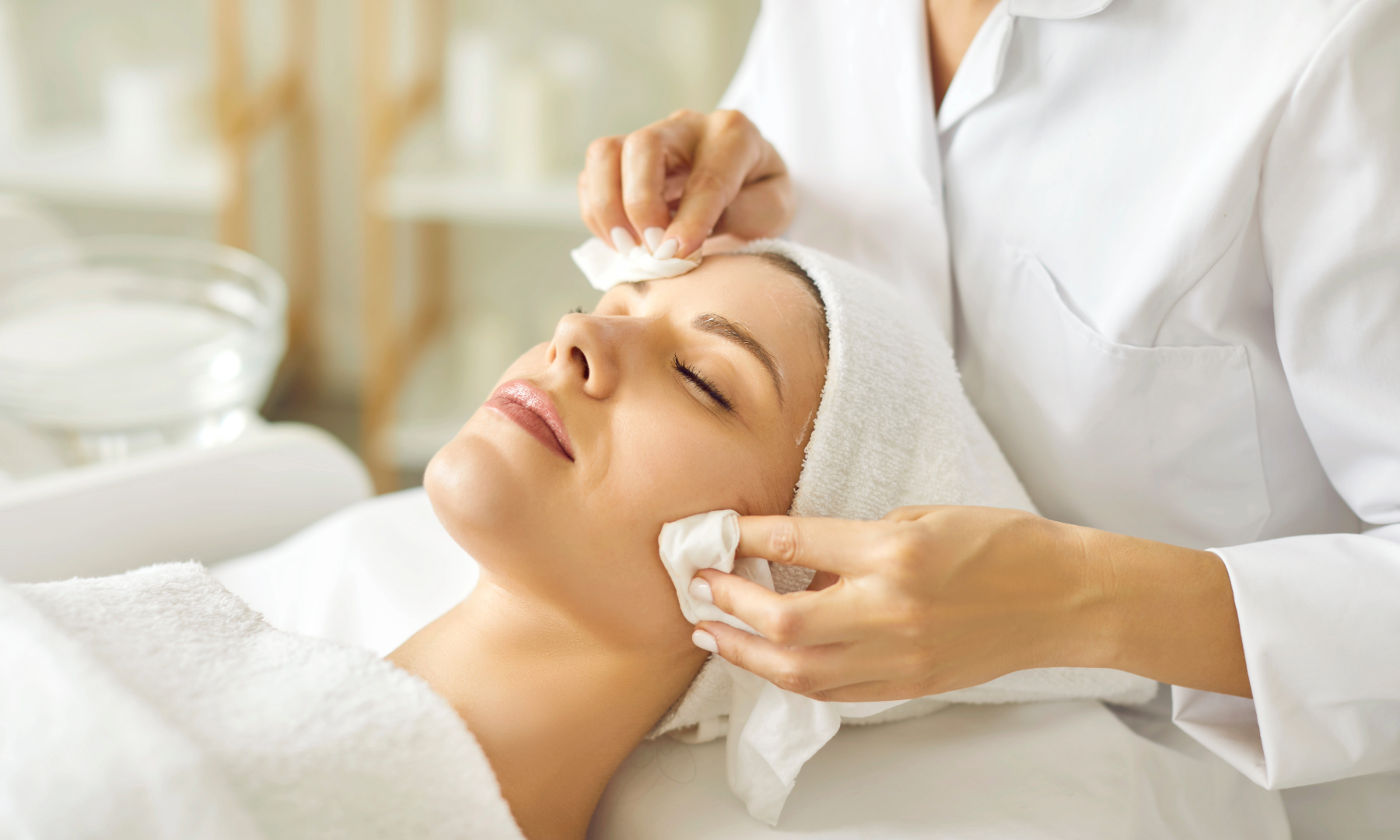
The biological mechanism of biorevitalisation hinges on the stimulation of CD44 receptors on fibroblasts. When these receptors are activated by exogenous hyaluronic acid, the fibroblasts are "awakened," leading to the synthesis of new collagen type I, elastin, and endogenous HA. This process effectively restores the physiological environment of the dermis, improving elasticity, hydration, and overall radiance.
Data from recent clinical studies suggest that biorevitalisation can increase dermal density by up to 20% over a course of three treatments. This is particularly relevant for the aging population, where the natural concentration of HA in the skin decreases by nearly 50% by age 50, leading to the characteristic "crepey" texture and loss of resilience.
Synergistic Integration: The Mechanistic "One-Two Punch"
The synergy between multi-acid peels and biorevitalisation is found in their complementary roles within the skin’s regenerative cycle. When performed in a structured protocol, these treatments create a "mechanistic synergy" that exceeds the results of either treatment performed in isolation.
The multi-acid peel serves as a "pre-conditioning" step. By removing the stratum corneum’s thickened layers and modulating the skin’s pH, the peel increases the permeability of the skin and reduces local inflammation. Furthermore, the mild inflammatory response triggered by the peel increases blood flow (hyperemia) to the area. When biorevitalisation is introduced shortly thereafter or in a staggered timeline, the injected nutrients are delivered to a tissue environment that is already in a state of heightened metabolic activity.
From a cellular perspective, the peel addresses the epidermal-dermal junction and surface irregularities, while the biorevitalisation focuses on the deep dermal architecture. This dual-layered approach ensures that both the "protective barrier" and the "structural foundation" of the skin are rejuvenated simultaneously.
Chronology of Treatment and Clinical Protocols
A typical clinical timeline for this synergistic approach involves a series of sessions spaced 14 to 21 days apart.
- Week 0: Comprehensive skin analysis and a priming multi-acid peel to assess skin tolerance and begin the exfoliation process.
- Week 2-3: The first session of biorevitalisation. The injections are often performed using a "BAP" (Bio Aesthetic Points) technique or a micro-droplet technique to ensure even distribution across the face, neck, or décolletage.
- Week 5-6: A follow-up multi-acid peel to refine the texture and address any pigmentary changes stimulated by the increased cellular turnover.
- Week 8-9: A second biorevitalisation session to reinforce the extracellular matrix.
Practitioners like Kate Monteith-Ross emphasize that this chronology allows the skin enough time to recover between interventions while maintaining a constant state of "positive stimulation."

Official Responses and Industry Implications
The shift toward these combined regenerative therapies has been met with approval from major industry bodies. The British Association of Cosmetic Nurses (BACN) and the British College of Aesthetic Medicine (BCAM) have both highlighted the importance of "skin health first" in their recent educational symposia.
"The focus is no longer just on what we can add to the face, but how we can make the existing tissue perform better," says a representative from a leading aesthetic training academy. "The combination of chemical resurfacing and injectable bio-stimulation represents the pinnacle of evidence-based aesthetic medicine."
Furthermore, patient satisfaction surveys indicate a high preference for these treatments. Unlike traditional fillers, which can sometimes lead to an "overfilled" or unnatural appearance if not managed correctly, multi-acid peels and biorevitalisation offer a "refreshed" look that maintains the patient’s original facial expressions and features. This has led to a significant decrease in "filler fatigue"—a phenomenon where patients become dissatisfied with the cumulative effects of long-term filler use.
Broader Impact and Future Outlook
The implications of mechanistic synergy extend beyond aesthetics into the realm of preventative dermatology. By optimizing skin function in younger patients (the "pre-juvenation" demographic), practitioners can potentially delay the onset of visible aging and reduce the need for more invasive surgical procedures later in life.
Looking forward, the development of "hybrid" products—topical acids that incorporate signaling peptides or injectable formulations that include polynucleotides—is expected to further refine these protocols. Polynucleotides, in particular, are emerging as a powerful adjunct to biorevitalisation, offering even deeper regenerative effects by repairing DNA damage within the skin cells.
In conclusion, the integration of multi-acid peels and biorevitalisation marks a significant milestone in the journey toward truly regenerative aesthetics. By understanding the underlying biochemistry of these treatments, practitioners can offer patients a scientifically rigorous approach to skin aging. As the industry continues to move away from temporary fixes and toward long-term biological optimization, the synergy of topical and injectable interventions will undoubtedly remain the gold standard for achieving healthy, resilient, and youthful skin. This approach does not merely mask the signs of age; it fundamentally alters the skin’s ability to repair and renew itself, fulfilling the modern patient’s demand for authenticity and longevity in their aesthetic journey.
