
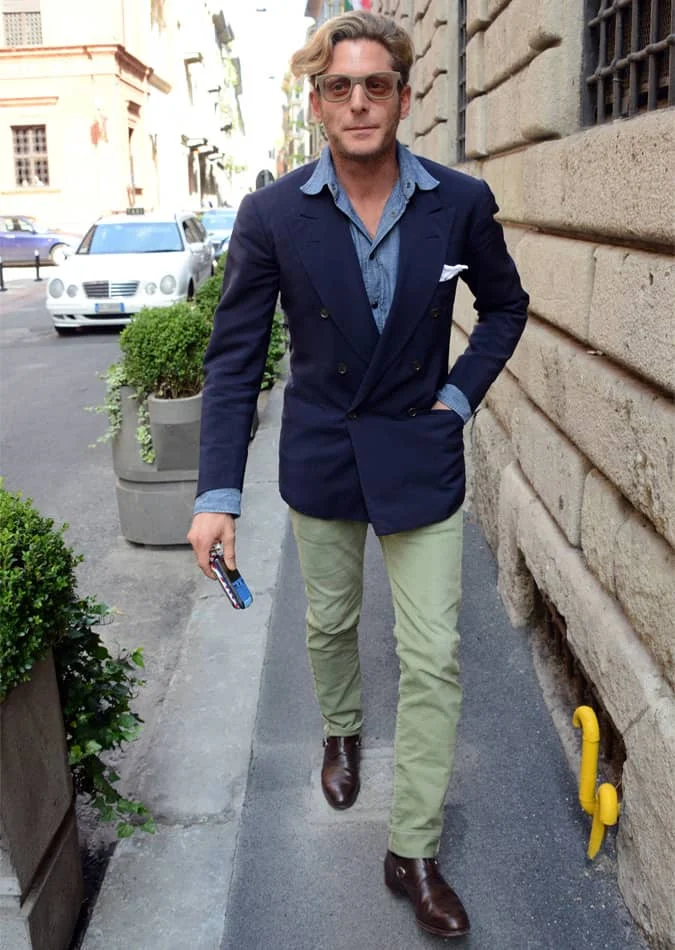
Sprezzatura, an Italian term that translates roughly to "studied carelessness" or "artful nonchalance," is a sartorial philosophy that has captivated style aficionados for centuries. It’s the art of appearing effortlessly put-together, as if one’s impeccable style is entirely unforced and natural. Far from being a mere fashion trend, sprezzatura represents a deeper approach to dressing, one that prioritizes individuality, subtle rebellion, and an understated coolness. This approach, originating in the Italian Renaissance, continues to influence contemporary menswear, offering a sophisticated alternative to rigid dress codes and the pursuit of fleeting trends.
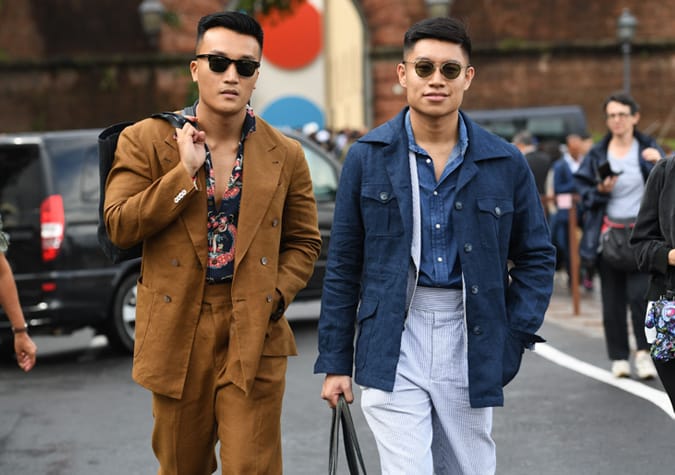
The Genesis of Sprezzatura: A Renaissance Ideal
The concept of sprezzatura was first articulated by Baldassare Castiglione in his seminal 1528 work, The Book of the Courtier. This influential text, essentially a guide for aspiring courtiers seeking to navigate the intricate social hierarchies of Renaissance Italy, proposed a set of ideals for the perfect gentleman. Among these was the notion of sprezzatura, which described a manner of behavior and presentation that was both graceful and seemingly effortless. Castiglione advised that true courtliness involved exercising "a certain carelessness, so as to hide all art and make whatever is done or said appear without effort and almost without thought."
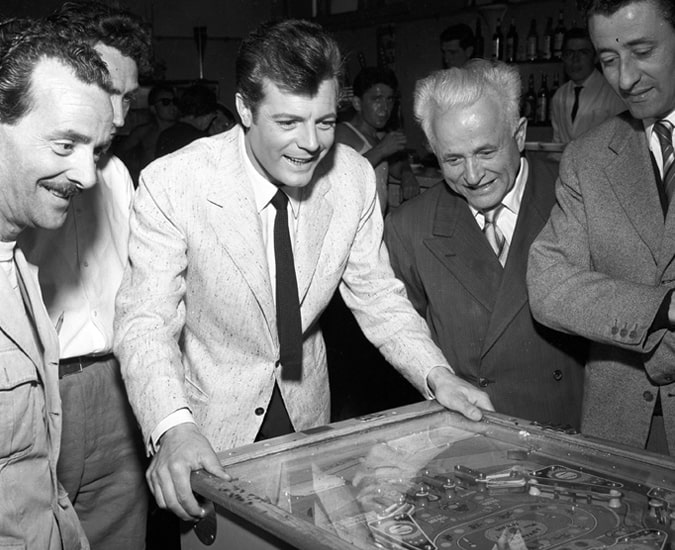
In the context of dress, this translated to an aesthetic where even the most carefully chosen garments and the most precise styling appeared to be the result of spontaneous decision rather than meticulous planning. It was about achieving a look that was polished yet relaxed, sophisticated yet approachable. The ideal was to embody the "Renaissance Man," a figure of intellect, accomplishment, and refined taste, whose outward appearance reflected an inner confidence and ease. This was not about sloppiness, but about a cultivated lack of overt effort. For instance, a perfectly tied tie might be deliberately loosened slightly, or a jacket button left undone, not out of ignorance, but as a subtle signal of individuality and a rejection of rigid conformity.
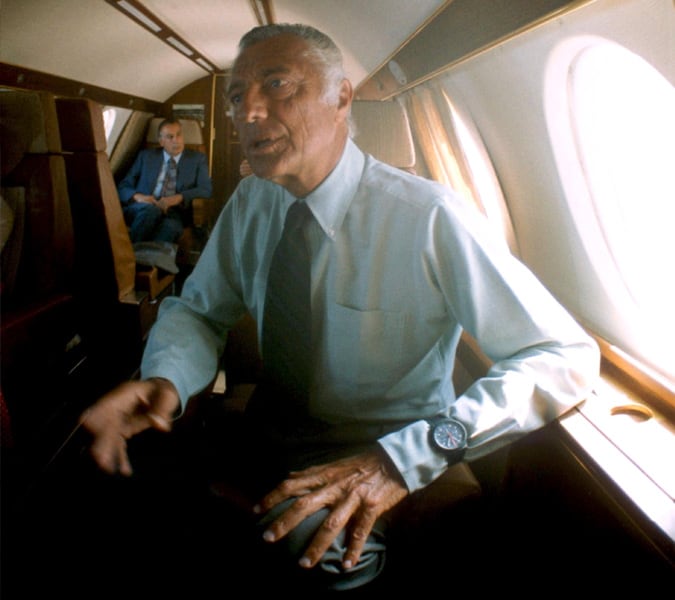
Sprezzatura Through the Ages: From Italian Courts to Global Style
While the term originated in the 16th century, the spirit of sprezzatura has resonated through various eras and cultures. The Italians, in particular, have embraced and evolved this sartorial philosophy. The post-war era saw iconic Italian figures like Marcello Mastroianni embody this effortless charm. Mastroianni, known for his debonair yet relaxed style, famously stated his disdain for overt fashion, yet meticulously curated his wardrobe. His approach often involved subtle deviations from convention, such as wearing a tie slightly askew or allowing his suit jacket to hang open, creating an image of sophisticated ease.
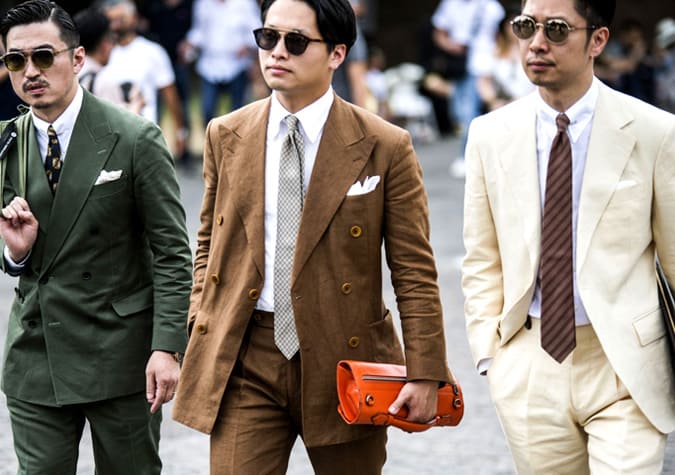
Another prominent figure who epitomized sprezzatura was Gianni Agnelli, the industrialist and patriarch of the Fiat dynasty. Agnelli was renowned for his distinctive personal style, which often involved playful subversions of traditional menswear norms. He famously wore his watch over his shirt cuff, a move that defied conventional etiquette but became his signature. He also frequently wore his double-breasted suits unbuttoned, left a few cuff buttons undone, and paired tailored outfits with unexpected footwear like slippers or even hiking boots. These deliberate choices, while seemingly unconventional, projected an aura of confidence and an individualistic spirit that defined his approach to dressing. His ability to blend formal wear with casual elements, and his acceptance of a natural crease in his clothing, demonstrated a mastery of looking impeccably stylish without appearing to try too hard.

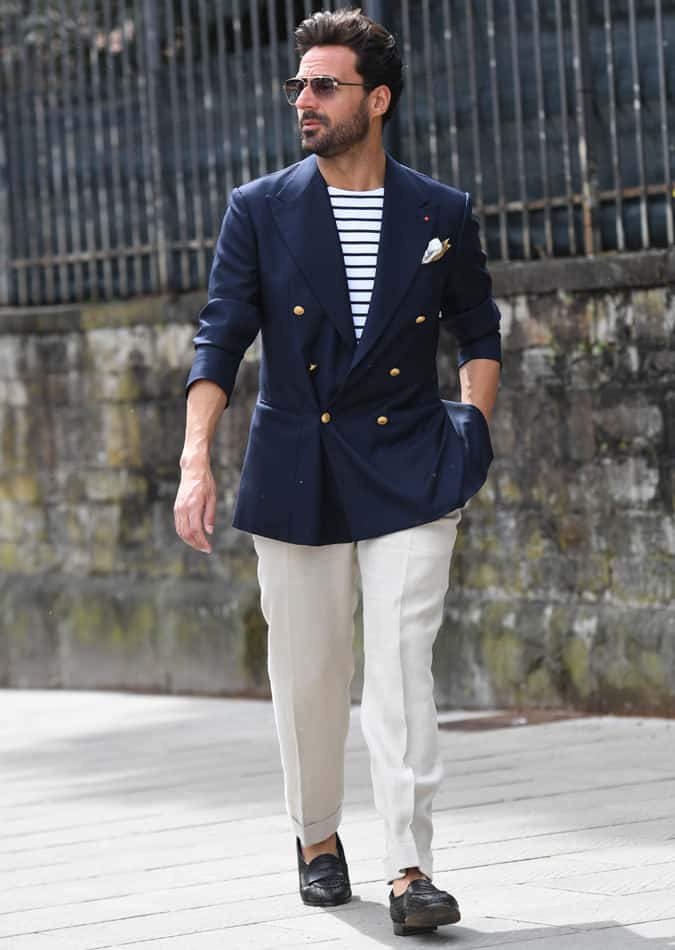
Alessandro Sartori, Artistic Director for Ermenegildo Zegna, notes the historical centrality of sprezzatura to Italian style. He observes, "You see that in, say, the readiness to blend formal dressing with sportswear, in the play with textures – matt next to shiny. There’s always a way of dressing too Italian that slips into stereotype – that very polished look – but sprezzatura is much more organic." This organic quality is key; it’s about making conscious choices that appear instinctive.
The Modern Interpretation of Sprezzatura: Navigating a Blurred Style Landscape
In today’s fashion landscape, where dress codes are increasingly fluid and the lines between formal and casual wear are blurred, sprezzatura has found renewed relevance. The ease with which individuals now wear sneakers to the office or suits to informal gatherings highlights a broader cultural shift towards personal expression over strict adherence to rules. In this environment, where many styles can converge, sprezzatura offers a sophisticated way to stand out through nuanced details rather than overt statements.

The rise of accessible menswear has democratized fashion, making it less about the designer label and more about the personal interpretation and execution of style. As the article notes, Marcello Mastroianni’s sentiment that "the day when everyone is very, very elegant, I will start to go around dressed like a tramp" reflects a core principle of sprezzatura: a desire to carve out a unique identity within prevailing trends. This is achieved not by rejecting fashion outright, but by subtly challenging its conventions.

Embracing Sprezzatura: Key Elements and Principles
Achieving sprezzatura is not about haphazard dressing; it requires a mindful approach to selecting and wearing clothes. It’s a delicate balance, a tightrope walk between looking effortlessly chic and appearing simply disheveled.
Commitment to the Art of Effortlessness
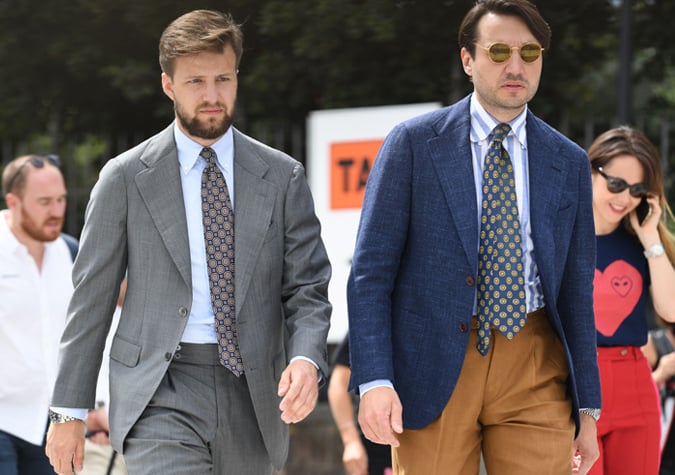
The first and perhaps most crucial element of sprezzatura is commitment. It cannot be achieved half-heartedly. A partially undone tie or an unbuttoned collar needs to be worn with conviction. As the article suggests, "Sprezzatura is a look or an attitude you have to embrace; it can’t be done just a bit, without conviction, because then the effect is to look unfinished." This conviction transforms a potentially messy look into a statement of confidence and personal style. The aim is an aesthetic that evokes the relaxed elegance of someone who has just emerged from a luxurious setting, utterly at ease and unconcerned with superficial appearances.
The "Rough and Ready" Aesthetic
Sprezzatura often incorporates elements of what might be termed "rough and ready" or subtly distressed aesthetics, but always within a framework of sophistication. This can manifest in the choice of fabrics, such as unstructured blazers made from textured materials or knitted ties that offer a more casual alternative to silk. The inclusion of natural wear and tear, like the slight fraying around a shirt collar ("foxing"), a subtle scuff on a shoe, or the patina on a leather belt, adds character and suggests a life lived, rather than an outfit meticulously preserved. This is not about actual neglect, but about embracing the beauty of well-worn, quality items that tell a story.

The Art of Letting Go
A key technique in sprezzatura is the strategic "letting it all hang out." This involves consciously choosing to undo elements that are typically fastened. Beyond the unbuttoned collar and loosened tie, this can extend to leaving a top shirt button undone when wearing a tie, or unfastening a couple of buttons on a suit cuff. Tailored jackets are often worn open, adding to the relaxed silhouette. The article advises, "If it can be undone, consider undoing it – except your shoelaces and trouser fly." This deliberate undone-ness is a visual cue that suggests an individual who is comfortable enough in their own style to deviate from the norm.

Beyond Tailoring: Sprezzatura in Casual Wear
While often associated with tailored clothing, sprezzatura can also be applied to more casual ensembles. The iconic style of James Dean in Rebel Without a Cause serves as a prime example. His simple ensemble of jeans, a white t-shirt, and a bomber jacket, worn with the jacket fastened only at the bottom and the collar turned up, exudes a cool, effortless vibe. This demonstrates that sprezzatura is about the attitude and the subtle details, regardless of the formality of the garments. It’s about mixing smart and casual elements in a way that feels authentic and individual.

Cultivating a Signature Style
The ultimate goal of sprezzatura is to develop a personal signature. This involves identifying one or two distinctive ways of wearing clothes that become intrinsically linked to the individual. Gianni Agnelli’s iconic watch-over-the-cuff style or his preference for unbuttoned shirt collars are prime examples of such signatures. The key is restraint; adopting too many such quirks can lead to an appearance that is merely messy rather than artfully nonchalant. The aim is for these stylistic choices to appear as natural extensions of one’s personality, rather than carefully calculated efforts. As the article wisely notes, "It needs, in an ideal world, to be your signature too – not, ahem, something you read about somewhere…"

Sprezzatura: Dos and Don’ts for the Modern Gentleman
Navigating the nuances of sprezzatura requires a keen understanding of its boundaries and a discerning eye.

Do’s:
- Understand the Context: Sprezzatura is best suited for creative environments or social settings where a degree of sartorial freedom is appreciated. It is generally inappropriate for highly formal occasions like weddings (especially as the groom) or traditional corporate boardrooms.
- Embrace Subtlety: Avoid falling into the stereotype of overt Italian fashion, characterized by overly fitted garments or excessively polished shoes. Sprezzatura is about understated distinction, not flamboyant display.
- Be Prepared for Misinterpretation: Understand that not everyone will grasp the concept. Be ready for comments about minor sartorial "errors" and maintain your composure. The goal is confidence, not widespread approval.
Don’ts:
- Overdo It: The contemporary "Italian peacock" often seen at events like Pitti Uomo can mistake excess for sprezzatura. True sprezzatura lies in restraint, subtlety, and a discerning eye for detail. Less is often more.
- Overthink It: If the effort to achieve sprezzatura feels forced or unnatural, it is likely to backfire. Authenticity is paramount. If it doesn’t come easily, it may be best to adhere to more conventional notions of good dressing. Self-conscious sprezzatura is not sprezzatura at all.
Key Figures and Pieces in the Sprezzatura Pantheon
Several individuals and specific garments exemplify the sprezzatura ethos.

Style Icons Who Master Sprezzatura:
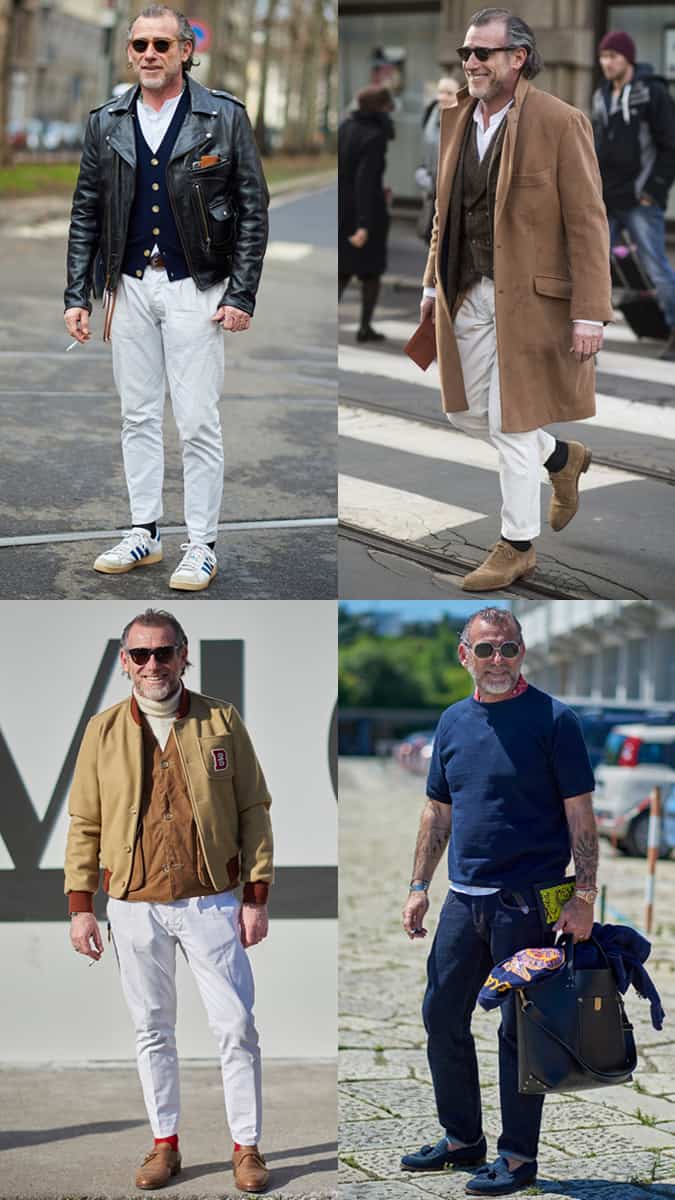
- Alessandro Squarzi: This Italian fashion entrepreneur is known for making comfortable, basic clothing look exceptionally stylish. His signature white trousers, worn year-round, and his blend of T-shirts, sweaters, vintage pieces, and sneakers demonstrate a relaxed yet highly curated approach.
- Brunello Cucinelli: The founder of the luxury brand bearing his name, Cucinelli masterfully blends classic Italian elegance with an inherent "scruffy edge." His crumpled jackets worn over sweatshirts, sharp blazers paired with ripped jeans, or subtly mismatched suit components showcase a modern take on sprezzatura.
- Johannes Huebl: While often associated with classic, conservative style, the German model occasionally surprises with sprezzatura touches, such as a white double-breasted blazer worn with unexpected ease, a shirt untucked, or distinctive accessory details like a brightly colored tassel on loafers.
- Joe Ottaway: A menswear consultant, Ottaway’s style often leans towards classic English tailoring but with playful twists. His use of color within a classic palette, his willingness to mix a suit with a T-shirt and hat, or wear a safari jacket with rolled sleeves, exemplifies a confident, individualistic approach.
Essential Sprezzatura Pieces:
- Unstructured Blazer: Devoid of excessive padding and lining, an unstructured blazer offers comfort and a relaxed drape, embodying the nonchalant spirit of sprezzatura. Wearing it open and unbuttoning a cuff or two enhances the effect.
- Knitted Tie: A more casual alternative to silk ties, knitted ties lend themselves well to sprezzatura. Tying a simple knot without fuss and accepting a slightly imperfect hang contributes to the effortless aesthetic.
- Pleated Trousers: Sitting higher on the waist and offering greater comfort, pleated trousers can be dressed down by rolling the cuffs and pairing them with casual footwear like sneakers, thereby blending formal and casual elements.
- Button-Down Shirt (Worn Unbuttoned): Leaving the top button of a button-down shirt undone, especially when wearing a tie, creates a subtly rebellious yet stylish look, reminiscent of Gianni Agnelli’s iconic styling.
- Pocket Square: A well-chosen pocket square, worn without strict adherence to matching the tie, can add a point of interest and individuality to a suit, serving as a discreet yet effective sprezzatura detail.
In essence, sprezzatura is more than just a way of dressing; it is a mindset. It’s about cultivating an awareness of style without allowing it to become a burden. It’s the confident embrace of imperfection, the subtle nod to individuality, and the timeless pursuit of looking good without appearing to have tried too hard. In a world that often prioritizes the loudest statement, sprezzatura offers a quieter, more enduring form of sartorial elegance.
