
Polycystic Ovary Syndrome (PCOS) remains one of the most common endocrine disorders affecting women of reproductive age, impacting an estimated 6 to 12 percent of women in the United States alone—or as many as 5 million individuals. Characterized by hormonal imbalances, insulin resistance, and irregular ovulation, PCOS is also a leading cause of female infertility. For many diagnosed individuals, the journey to conception involves navigating a complex landscape of metabolic disruptions, dietary adjustments, and medical interventions. As medical research continues to evolve, health professionals increasingly emphasize the foundational role that lifestyle modifications, targeted nutrition, and evidence-based supplementation play in restoring hormonal equilibrium and enhancing reproductive outcomes.
Background Context and the Diagnostic Landscape
The physiological mechanisms of PCOS create substantial barriers to natural conception. At the core of the disorder is hyperandrogenism—elevated levels of male hormones, or androgens, such as testosterone—which frequently disrupts normal follicular development and prevents regular ovulation. This hormonal cascade is tightly linked to hyperinsulinemia, a condition where the body produces excess insulin to compensate for cellular resistance. Elevated insulin levels directly stimulate the ovaries to produce more androgens, compounding the difficulty of tracking cycles, predicting ovulation, and achieving pregnancy.

For many women, the diagnosis arrives during an infertility workup. Clinical guidelines from the Endocrine Society and the American College of Obstetricians and Gynecologists (ACOG) note that a PCOS diagnosis typically requires meeting at least two of the three Rotterdam criteria: clinical or biochemical signs of hyperandrogenism, oligo- or anovulation (infrequent or absent ovulation), and polycystic ovaries visualized via ultrasound. The emotional toll of receiving this diagnosis is often compounded by the unpredictability of menstrual cycles and the frustration of feeling out of control regarding one’s reproductive health. While assisted reproductive technologies (ART) such as in vitro fertilization (IVF) offer pathways to parenthood, many patients seek foundational lifestyle strategies to improve their baseline fertility naturally or in conjunction with medical therapies.
The Role of Dietary Intervention in Hormonal Regulation
Medical nutrition therapy has emerged as a cornerstone in the management of PCOS-related infertility. Because every food item ingested exerts an influence on endocrine function, dietary choices can either exacerbate metabolic dysfunction or support hormonal balance.
Insulin and Androgen Control
Managing blood glucose and insulin sensitivity is paramount for women with PCOS. Diets high in refined carbohydrates and sugary foods provoke rapid spikes in blood glucose, triggering excessive insulin release. In turn, this surge in insulin suppresses sex hormone-binding globulin (SHBG) and stimulates ovarian androgen synthesis. To counteract this cycle, nutritional experts recommend a diet rich in low-glycemic index (GI) carbohydrates—such as whole grains, legumes, and non-starchy vegetables—paired adequately with lean proteins and healthy fats. This macronutrient distribution slows gastric emptying, blunts postprandial glucose excursions, and ultimately lowers circulating insulin and testosterone levels, creating a more favorable environment for conception.

Managing Estrogen Dominance
Estrogen balance is another critical factor frequently disrupted in PCOS patients. Estrogen levels can fluctuate into extremes of excess or deficiency, often driven by external influences. Endocrine-disrupting chemicals known as xenoestrogens—found in plastics, pesticides, and certain personal care products—mimic natural estrogen in the body, binding to receptors and contributing to estrogen dominance.
Dietary sources of estrogen also warrant careful evaluation. Plant-based phytoestrogens, found abundantly in soy products, interact with estrogen receptors in a complex lock-and-key mechanism. While some studies suggest phytoestrogens may help modulate overall estrogen activity, clinical research has also associated high soy intake with delayed ovulation in certain cohorts. Consequently, many fertility specialists advise patients trying to conceive to moderate or eliminate soy products.
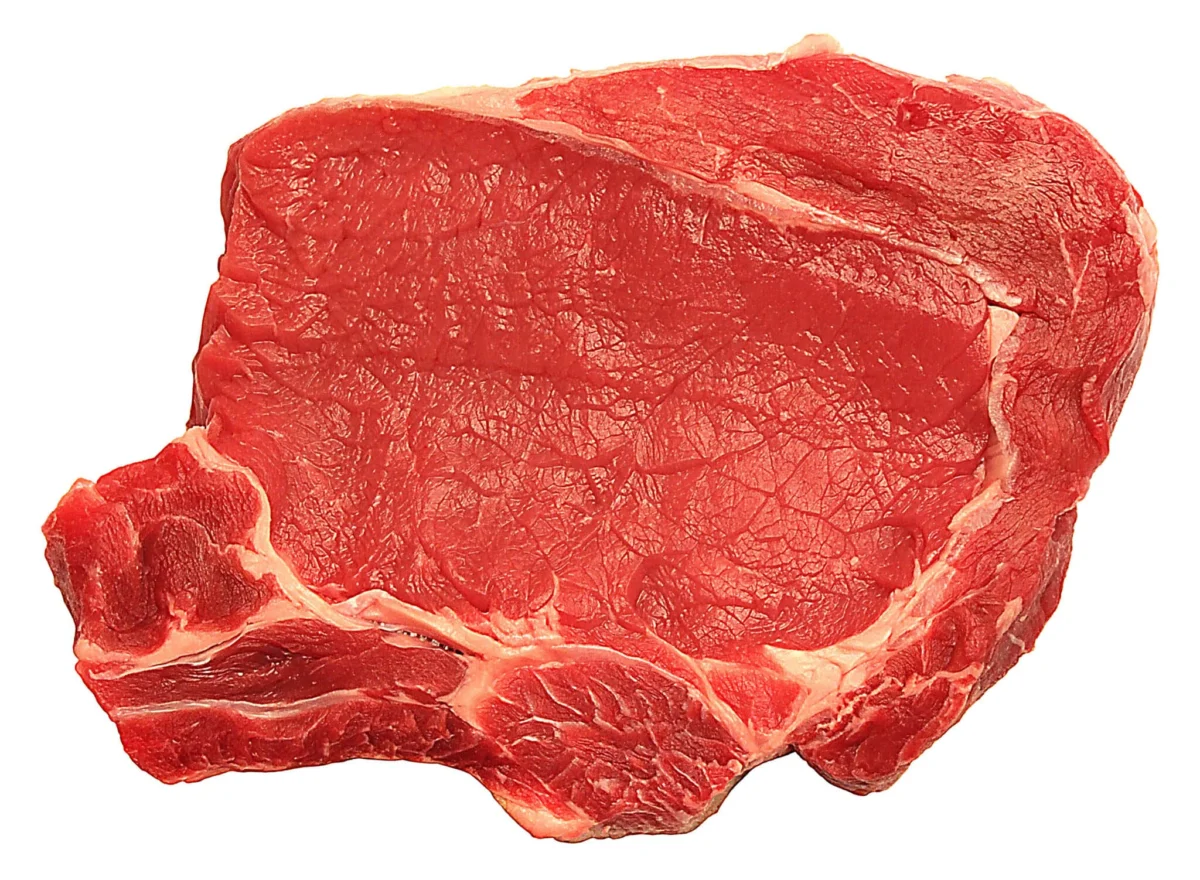
Furthermore, conventional animal products can introduce exogenous hormones and antibiotics administered during livestock production into the human food chain. Opting for organic, pasture-raised meats can minimize unintentional exposure to synthetic hormones, helping patients avoid adding external endocrine disruptors to an already sensitive physiological system.
The Impact of Weight Management
Weight management remains a widely recognized, albeit challenging, component of PCOS care. Up to 80 percent of women with PCOS struggle with overweight or obesity, which further amplifies insulin resistance and anovulation. Clinical studies consistently demonstrate that achieving a modest weight loss of just 5 to 10 percent of total body weight can significantly improve metabolic parameters, restore spontaneous ovulation, and enhance pregnancy rates, even without reaching a normative body mass index (BMI).
Evidence-Based Supplementation for Fertility Support
In addition to dietary modifications, targeted supplementation can address specific micronutrient deficiencies commonly observed in women with PCOS. Because these deficiencies can impair metabolic function and egg quality, clinical supplementation often forms an integral part of a comprehensive preconception plan.
Multivitamin Foundation
A high-quality daily multivitamin serves as the baseline for nutritional repletion, ensuring an adequate daily intake of essential micronutrients necessary for early embryonic development and maternal health.
Chromium and Glucose Metabolism
Chromium is an essential trace mineral that enhances the action of insulin and facilitates glucose metabolism. Research indicates that chromium supplementation can improve insulin sensitivity, thereby reducing circulating insulin and downstream testosterone production. However, patients currently taking insulin-sensitizing pharmaceutical agents, such as metformin, should consult healthcare providers prior to initiating chromium supplementation to avoid hypoglycemia.
Vitamin D and Calcium
Vitamin D deficiency is disproportionately prevalent among women with PCOS, with studies estimating deficiency rates as high as 67 to 85 percent. Adequate Vitamin D is essential not only for bone health and immune function but also for ovarian folliculogenesis, insulin signaling, and inflammatory response regulation. Clinical trials have demonstrated that co-supplementation with Vitamin D and calcium can help regulate menstrual cyclicity, improve follicular maturation, and enhance reproductive outcomes.
B Vitamins and Folate
Vitamin B6 plays a vital role in maintaining progesterone balance, supporting regular luteal phases, and optimizing oocyte quality. Meanwhile, folate (Vitamin B9), in the form of folic acid or methylfolate, is universally recommended for all women of childbearing potential to prevent neural tube defects during the earliest weeks of pregnancy—often before a pregnancy is even confirmed. A comprehensive Vitamin B complex ensures synergistic support across energy metabolism and hormonal synthesis.
Omega-3 Fatty Acids
Essential fatty acids, particularly Omega-3 polyunsaturated fats found in fatty fish, walnuts, and flaxseeds, are crucial building blocks for hormone production. Clinical investigations have highlighted the efficacy of Omega-3 supplementation in lowering serum testosterone levels, reducing systemic inflammation, and improving lipid profiles in PCOS patients, thereby alleviating multiple facets of the syndrome simultaneously.
Broader Implications and Clinical Outlook
The integration of targeted dietary strategies, metabolic management, and evidence-based supplementation offers a proactive framework for individuals facing the intersection of PCOS and subfertility. While medical interventions such as ovulation-inducing medications remain vital tools in reproductive endocrinology, lifestyle medicine provides patients with a tangible sense of agency over their health outcomes.
Public health experts and nutrition researchers continue to advocate for personalized care plans that address the heterogeneous presentation of PCOS. By prioritizing insulin-sensitizing diets, mitigating environmental and dietary endocrine disruptors, achieving modest weight reduction when clinically indicated, and correcting micronutrient deficiencies, patients can optimize their physiological environment. Ultimately, these comprehensive measures aim not only to improve the statistical likelihood of conception but also to foster healthier pregnancies and long-term metabolic well-being for both mother and child.
