
The ongoing global health crisis, precipitated by the emergence and rapid transmission of SARS-CoV-2, has fundamentally altered the landscape of public health, necessitating a comprehensive re-evaluation of personal wellness strategies. As populations transitioned from the initial onset of the pandemic in 2020 into the subsequent uncertainty of 2021, the societal impacts—ranging from food insecurity and economic instability to profound psychological distress—have created a complex environment for maintaining long-term physical and mental health. In response to these challenges, health researchers and nutrition scientists have emphasized that while no specific dietary intervention can prevent or cure COVID-19, the preservation of a robust immune system through evidence-based lifestyle habits remains the most effective defense against chronic disease and long-term health decline.
The Science of Longevity and Chronic Disease Prevention
The connection between daily lifestyle choices and life expectancy has been a subject of extensive longitudinal study. Research conducted by the Harvard T.H. Chan School of Public Health has identified five foundational pillars that significantly influence human longevity and the quality of life in later years. These habits are: the consumption of a nutrient-dense, healthy diet; consistent physical activity; the maintenance of a body mass index (BMI) within a healthy range; moderate to no alcohol consumption; and the total avoidance of tobacco products.
Data derived from decades of observational studies indicate that individuals who consistently adhere to these five habits can extend their life expectancy by more than a decade compared to those who do not. Beyond the mere extension of life, these practices are strongly correlated with a compression of morbidity—the concept of living more years free from the debilitating effects of chronic illnesses such as type 2 diabetes, cardiovascular disease, and various forms of cancer. For middle-aged adults, the adoption of these behaviors serves as a critical prophylactic measure, potentially shielding them from the onset of systemic conditions that often require lifelong medical management.
Chronology of the Public Health Response
The emergence of the COVID-19 pandemic in early 2020 prompted an immediate shift in how public health institutions disseminated guidance. Initially, the focus was centered on containment, sanitation, and social distancing protocols to mitigate the risk of viral transmission. However, as the crisis extended into 2021, the narrative shifted toward resilience and the management of "secondary" health crises—namely, the erosion of healthy habits due to lockdowns, sedentary behaviors, and increased stress-related dietary changes.
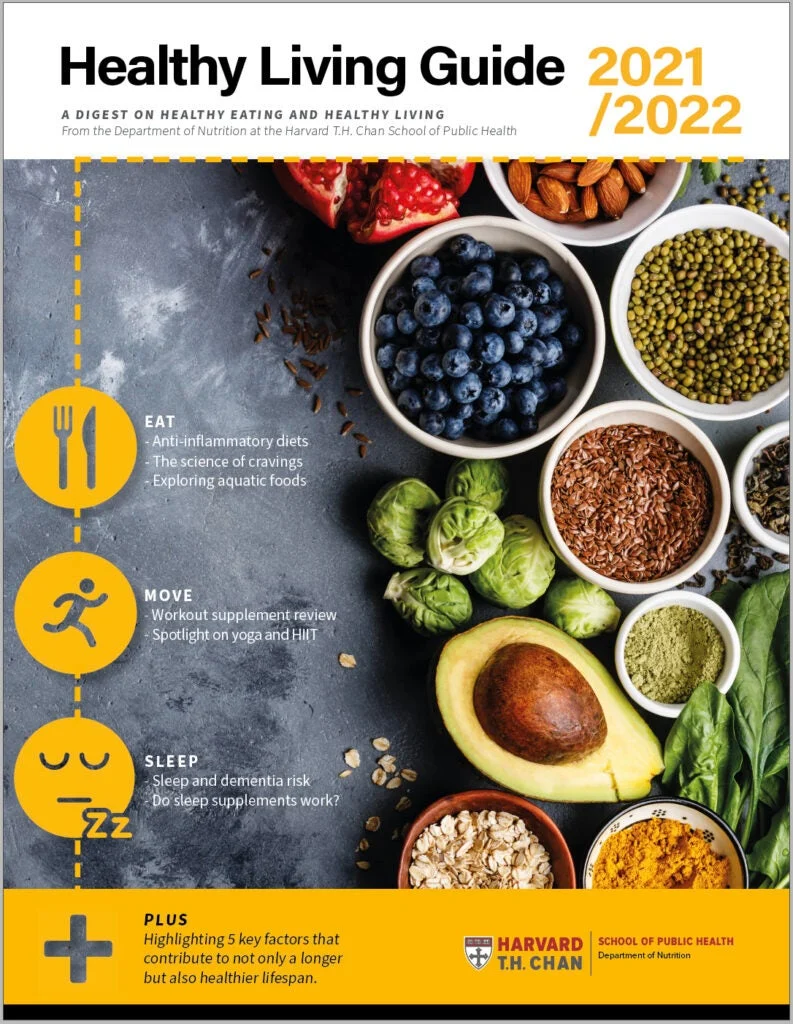
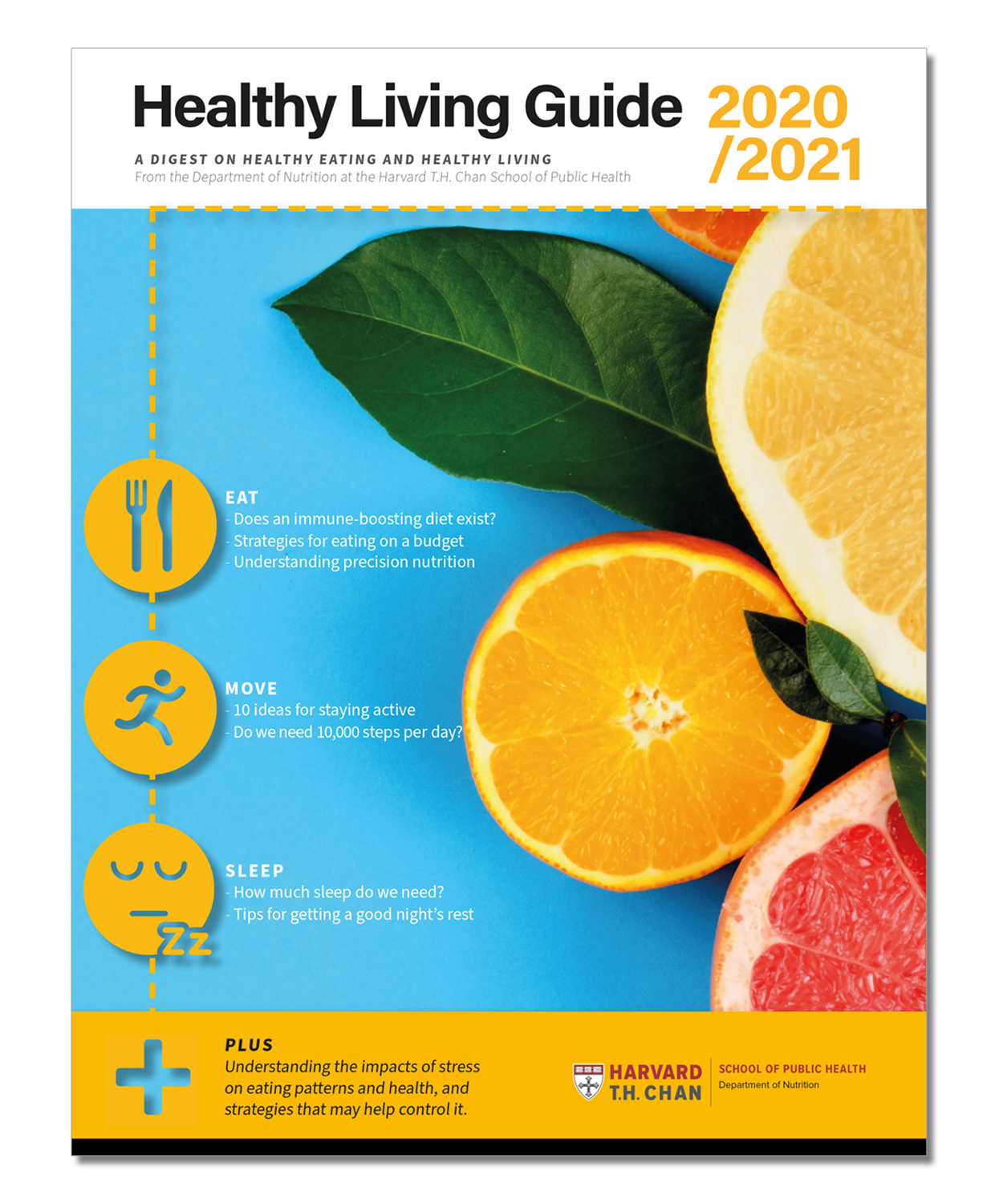
In early 2021, leading nutrition researchers began releasing updated resources, such as the Healthy Living Guide, to assist the general public in navigating these behavioral shifts. This period marked a transition in public health communication, moving from acute emergency response to long-term sustainability. The introduction of tools like the Healthy Living Bingo Challenge served to gamify and simplify the process of re-integrating healthy habits into a daily routine that had been disrupted by remote work, school closures, and limited access to public fitness facilities.
Supporting Data and Statistical Significance
The statistical argument for a healthy lifestyle is bolstered by significant epidemiological evidence. A study published in Circulation followed over 120,000 individuals over a 34-year period, revealing that women who followed all five low-risk lifestyle factors lived, on average, 14 years longer than those who followed none. For men, the increase was approximately 12 years.
Furthermore, the impact of these habits on chronic disease risk is substantial:
- Cardiovascular Disease: Adherence to these habits is associated with an 82% lower risk of death from cardiovascular disease.
- Cancer: Longitudinal data shows a 65% lower risk of cancer-related mortality among those maintaining these five specific habits.
- Type 2 Diabetes: The prevention of metabolic dysfunction through diet and exercise is considered the primary clinical intervention for reducing the incidence of type 2 diabetes, which has seen rising prevalence globally.
These figures underscore that lifestyle is not merely a component of general well-being but a primary determinant of health outcomes. The data suggests that public health initiatives focusing on individual habit formation provide a high return on investment in terms of both quality-adjusted life years (QALYs) and reduced healthcare expenditure.
Official Perspectives and Expert Consensus
Public health officials and nutritionists have consistently emphasized that the "easier said than done" nature of these lifestyle changes is a recognized barrier to success. The psychological toll of the pandemic—often referred to as "pandemic fatigue"—has made the adherence to rigorous health routines more challenging for the general population.
In statements regarding these challenges, experts note that the goal is not perfection, but rather the establishment of sustainable routines that can withstand periods of stress. By providing printable tip sheets and actionable strategies, organizations aim to lower the barrier to entry for individuals who feel overwhelmed by the complexity of nutritional science. The consensus among the medical community is that even incremental changes—such as substituting a processed snack for whole fruit or adding a daily 20-minute walk—can yield cumulative benefits that are statistically significant over time.
Broader Implications for Global Health Policy
The implications of these findings extend far beyond the individual. As governments and private insurers look for ways to manage the escalating costs of chronic diseases, there is a growing consensus that preventative lifestyle medicine must be integrated into primary care. The pandemic has served as a catalyst for this shift, highlighting the vulnerability of populations with underlying metabolic conditions.
When public health infrastructure is strained, the importance of individual resilience becomes paramount. The ability of a population to manage its own health outcomes through diet and exercise significantly reduces the burden on hospital systems. Consequently, the dissemination of guides and evidence-based resources is viewed as a vital component of public health preparedness. By fostering a culture of health literacy, institutions are better positioned to help the public navigate not just the current pandemic, but future health crises as well.
Strategies for Implementation in Daily Life
For individuals looking to adopt these habits, the strategy recommended by leading health sources is one of gradual integration rather than radical, unsustainable change. The "Healthy Living Guide" approach emphasizes the following:
- Dietary Quality: Focusing on the "Healthy Eating Plate" model, which prioritizes whole grains, lean proteins, healthy fats, and an abundance of vegetables and fruits, while limiting refined carbohydrates and sugary beverages.
- Physical Activity: Moving away from the "gym-centric" model toward a lifestyle of regular movement, including walking, body-weight exercises, and active hobbies that can be performed at home or in local outdoor spaces.
- Stress Management: Acknowledging the role of mental health in physical outcomes. Practices such as mindfulness, adequate sleep, and maintaining social connections—even in a digital capacity—are now recognized as essential pillars of a comprehensive health regimen.
- Habit Tracking: Utilizing tools like the aforementioned bingo cards or digital apps to track progress and maintain accountability.
Conclusion: A Sustainable Path Forward
As the world continues to move past the immediate volatility of the pandemic years, the lessons learned regarding the importance of immune health and metabolic resilience remain relevant. The evidence is clear: the path to a longer, healthier life is built upon the consistent, mundane, and often difficult work of maintaining healthy habits. While external circumstances such as economic fluctuations and viral outbreaks remain largely outside of an individual’s control, the internal environment—managed through diet, exercise, and the avoidance of harmful substances—serves as the primary foundation for long-term survival and vitality.
By prioritizing these five evidence-based habits, individuals can take proactive steps to not only survive the challenges of the modern era but to thrive throughout the duration of their lives. The availability of resources and guides serves as a reminder that while the journey toward health is individual, the knowledge and strategies required to succeed are universally accessible and scientifically supported. As we look toward the future, the focus on preventative health remains the most powerful tool available to mitigate the long-term impact of chronic disease on both the individual and society at large.
