

Polycystic Ovary Syndrome (PCOS) remains one of the most prevalent endocrine and metabolic disorders affecting individuals of reproductive age, impacting an estimated 6 to 13 percent of women globally. Characterized by a complex constellation of hormonal imbalances, chronic low-grade inflammation, and metabolic dysfunction, the condition presents significant clinical management challenges. While pharmacological treatments such as metformin, oral contraceptives, and specialized insulin-sensitizing supplements are frequently prescribed, medical professionals are increasingly emphasizing the critical role of targeted nutritional therapy. Among the dietary frameworks gaining traction within clinical endocrinology and gynecological research is the traditional Mediterranean diet. Recent medical literature indicates that adopting this plant-forward, nutrient-dense nutritional paradigm can yield measurable improvements in insulin sensitivity, systemic inflammation, hormonal profiles, and fertility outcomes for patients diagnosed with PCOS.
The historical framework of the Mediterranean diet is rooted in the traditional dietary patterns observed in countries bordering the Mediterranean Sea during the mid-20th century. Historically documented by epidemiological researchers studying cardiovascular health disparities across populations, this eating style was initially recognized for its correlation with longevity and low rates of chronic illness. Over the subsequent decades, nutritional scientists expanded their inquiry beyond heart disease, evaluating how the core components of the diet—fresh fruits, vegetables, whole grains, legumes, nuts, seeds, and extra virgin olive oil—interact with complex metabolic and endocrine pathways. In the context of modern gynecology, the investigation into PCOS and dietary intervention represents a vital evolution in comprehensive patient care, shifting the medical focus from isolated symptom suppression to holistic metabolic restoration.
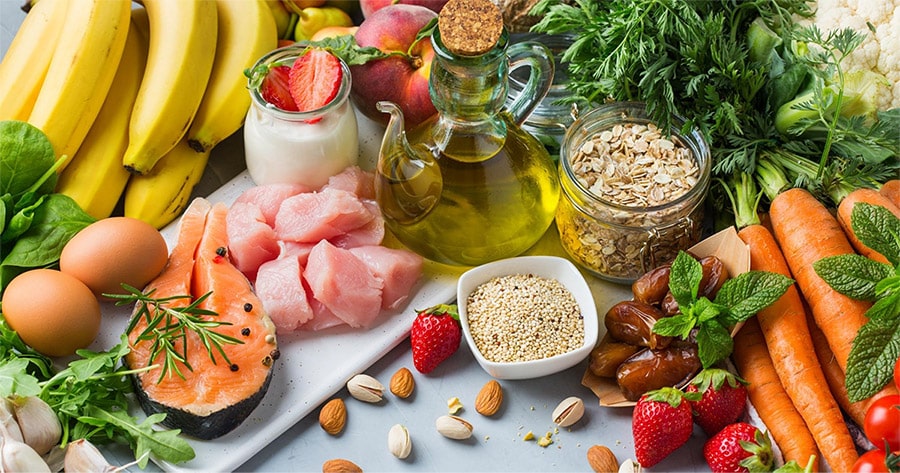
At the core of PCOS pathology is a high prevalence of insulin resistance, with clinical estimates suggesting that 50 to 70 percent of women with the condition struggle with impaired insulin signaling. This metabolic disturbance frequently drives hyperinsulinemia, which subsequently stimulates the ovaries to produce excess androgen hormones, such as testosterone. The resulting hormonal cascade manifests clinically as hirsutism, acne, irregular menstrual cycles, and significant difficulty with weight management. Furthermore, chronic low-grade systemic inflammation frequently accompanies PCOS, compounding the risk for long-term health complications, including type 2 diabetes mellitus, cardiovascular disease, and non-alcoholic fatty liver disease (NAFLD). Medical data indicates that approximately 33 percent of women with PCOS also meet the diagnostic criteria for metabolic syndrome, underscoring the urgent necessity for effective, sustainable lifestyle interventions.
Nutritional science provides robust evidence regarding the mechanisms through which the Mediterranean diet mitigates these interconnected pathological processes. Unlike the standard Western diet—which is characterized by high intakes of refined sugars, trans fats, red meats, and ultra-processed convenience foods—the Mediterranean diet prioritizes low-glycemic, unprocessed carbohydrates and high-quality monounsaturated and polyunsaturated fats. Clinical studies investigating glycemic control demonstrate that adherence to this diet significantly lowers fasting insulin levels and enhances peripheral insulin sensitivity. By moderating blood glucose spikes and reducing the physiological burden on pancreatic beta cells, the nutritional framework directly addresses the primary driver of excess ovarian androgen production. Consequently, clinical observations note a corresponding reduction in circulating testosterone levels, which clinically translates to improvements in dermatological symptoms and hair growth patterns over time.
In addition to its metabolic benefits, the Mediterranean diet exerts a potent anti-inflammatory effect on the human body. Chronic systemic inflammation in PCOS patients is partially mediated by oxidative stress and suboptimal gut microbiome composition. Research comparing the gastrointestinal microbiota of women with PCOS to healthy controls frequently reveals reduced microbial diversity in the former group. The high fiber content found abundantly in Mediterranean dietary staples—such as legumes, vegetables, and whole grains—acts as a pre-biotic substrate that nourishes beneficial gut bacteria. Clinical trials investigating microbiome-diet interactions indicate that shifting toward a Mediterranean dietary pattern enhances microbial diversity, short-chain fatty acid production, and mucosal barrier integrity, which collectively downregulate systemic inflammatory markers like C-reactive protein.
The implications of this dietary model extend profoundly into reproductive endocrinology, particularly concerning fertility treatments and pregnancy outcomes. PCOS is recognized globally as a leading cause of female anovulatory infertility. A landmark study published in the medical journal Human Reproduction evaluated the association between dietary patterns and assisted reproductive technology success among non-obese women. The findings revealed that patients who closely adhered to a Mediterranean-style diet experienced a 65 to 68 percent greater likelihood of achieving a successful clinical pregnancy and live birth compared to individuals with minimal adherence. Medical analysts attribute these improved reproductive outcomes to the combined reduction of oxidative stress within the follicular microenvironment, optimized metabolic homeostasis, and improved endometrial receptivity. Furthermore, parallel research suggests that male partners consuming similar nutrient profiles exhibit improvements in semen quality, presenting a dual-benefit nutritional strategy for couples attempting to conceive.
Beyond glycemic control, fertility, and hormonal regulation, clinical gastroenterology data highlights the efficacy of the Mediterranean diet in mitigating non-alcoholic fatty liver disease (NAFLD). Because women with PCOS face an elevated baseline risk for hepatic lipid accumulation independent of overall body weight, targeted interventions are essential. Clinical investigations spanning twelve-month periods have shown that consistent adherence to Mediterranean nutritional principles leads to significant reductions in intrahepatic fat content and improvements in hepatic insulin sensitivity, even in the absence of intentional caloric restriction or profound weight loss. This demonstrates that the qualitative composition of the diet—specifically the high ratios of omega-3 fatty acids, polyphenols, and oleic acid—provides independent therapeutic value for metabolic health.
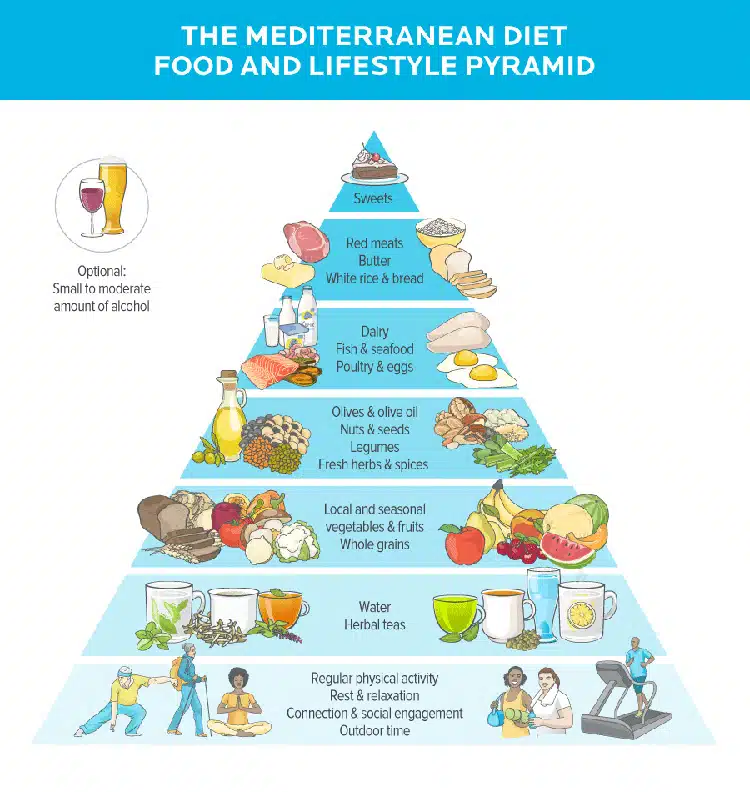
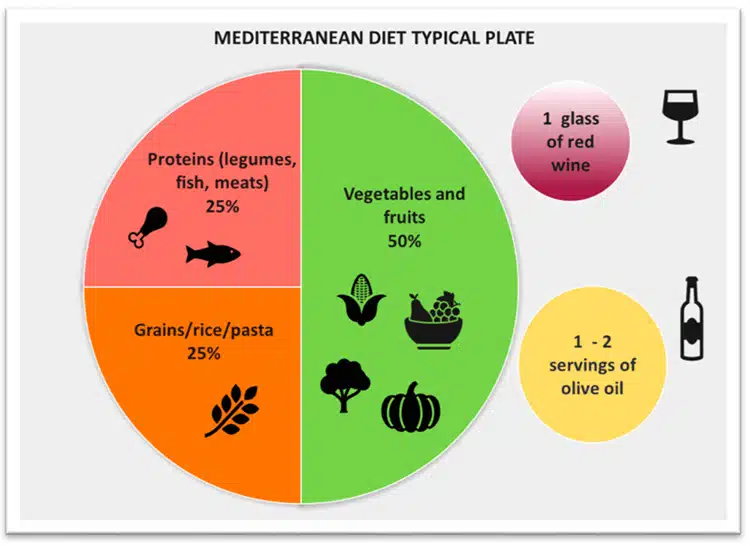
Translating these clinical insights into practical daily implementation requires a nuanced understanding of how the Mediterranean diet contrasts with conventional dietary habits. While the traditional model tends to feature higher carbohydrate loads from complex, low-glycemic sources compared to low-carbohydrate or ketogenic diets frequently recommended for PCOS, the biochemical impact on insulin remains exceptionally favorable. Protein intake is derived predominantly from marine sources, such as wild-caught fish rich in omega-3 fatty acids, and plant-based legumes, with red and processed meats reserved for infrequent consumption. Dietary fats are heavily centered on extra virgin olive oil, raw nuts, and seeds, supplying essential fat-soluble vitamins and antioxidants that combat cellular damage.
Healthcare professionals advocating for this dietary transition emphasize a gradual, sustainable approach rather than drastic, restrictive modifications that frequently lead to patient burnout. Nutritional counselors recommend initiating changes by prioritizing the inclusion of colorful, locally sourced, and seasonal produce, which maximizes phytochemical and antioxidant intake. Furthermore, lifestyle elements inherent to the traditional Mediterranean culture—such as mindful eating practices, thorough mastication, and eating slowly—offer distinct metabolic advantages. Clinical physiology demonstrates that slower ingestion rates improve satiety signaling and digestive efficiency, addressing the frequent dysregulation of hunger hormones often reported by individuals managing PCOS.
To visualize practical execution, daily meal structures can be readily adapted to meet metabolic requirements. Breakfast options frequently incorporate protein and healthy fats, such as pasture-raised eggs prepared with fresh herbs, sliced avocado, and olives, paired with hydration strategies like warm water infused with lemon to support early morning metabolic activity. Midday meals typically center around robust, fiber-rich salads featuring dark leafy greens, cruciferous vegetables, legumes, and ancient grains like quinoa or farro, dressed generously with extra virgin olive oil. Evening meals emphasize grilled or baked fish seasoned with garlic and citrus, served alongside roasted Mediterranean vegetables or lentil-based dishes. This composition ensures a balanced intake of high-quality protein, complex fiber, and anti-inflammatory lipids designed to sustain stable energy levels and prevent postprandial glycemic excursions.
As medical consensus continues to evolve, public health organizations and endocrine societies increasingly recognize that lifestyle medicine must serve as the foundation of PCOS treatment protocols. While pharmacological agents remain indispensable tools for managing specific clinical manifestations of the syndrome, nutrition provides a foundational layer of physiological support that drugs alone cannot entirely replicate. The comprehensive benefits—ranging from the suppression of chronic low-grade inflammation and the amelioration of insulin resistance to the enhancement of gut microbiome diversity and the optimization of reproductive success—position the Mediterranean diet as a premier evidence-based nutritional recommendation for individuals navigating Polycystic Ovary Syndrome. Continued clinical research will undoubtedly refine these dietary applications, yet current medical data provides a clear and encouraging mandate for integrating Mediterranean nutritional principles into long-term patient care strategies.
