

Polycystic Ovary Syndrome (PCOS) represents one of the most prevalent endocrine and metabolic disorders affecting individuals of reproductive age, impacting an estimated 6 to 13 percent of women globally. Characterized by a complex constellation of clinical manifestations—including hyperandrogenism, chronic anovulation, and polycystic ovarian morphology—the condition is increasingly recognized as a systemic metabolic state rather than a purely reproductive issue. Central to the pathogenesis of PCOS is insulin resistance, which affects up to 75 percent of women with the condition, irrespective of their body mass index. This underlying metabolic dysfunction not only exacerbates typical PCOS symptoms such as weight gain, fatigue, and hirsutism, but also elevates the long-term risk of developing type 2 diabetes mellitus, cardiovascular disease, and non-alcoholic fatty liver disease (NAFLD).
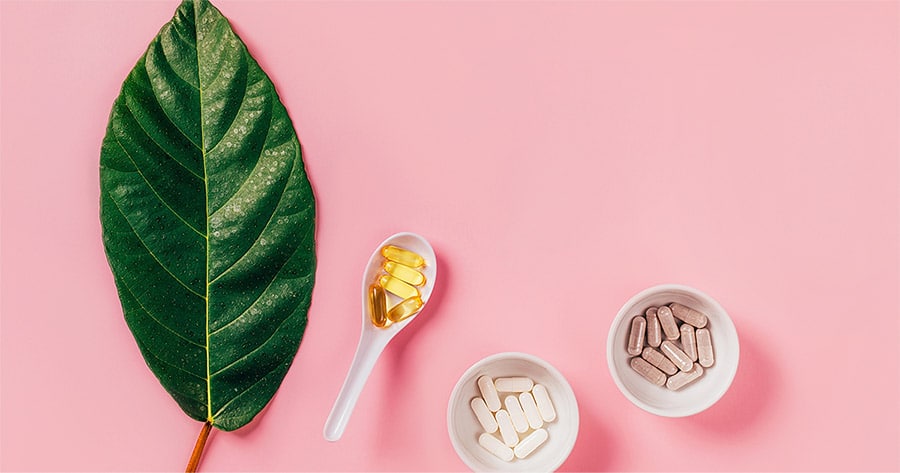
In response to the limitations and side-effect profiles associated with conventional pharmacological treatments like metformin and oral contraceptives, the medical and scientific communities have intensified investigations into botanical compounds capable of modulating metabolic pathways. Among these, berberine—a natural plant alkaloid historically utilized in traditional Chinese medicine for over three millennia—has emerged as a subject of significant clinical interest. Derived primarily from the roots, rhizomes, and stem bark of various plants belonging to the Berberis genus, berberine has transitioned from ancient herbal pharmacopeia to contemporary clinical trials, where researchers are evaluating its potential to address the multifaceted pathophysiology of PCOS.
Phytochemical Background and Historical Context
Berberine is classified chemically as a quaternary ammonium salt from the protoberberine group of benzylisoquinoline alkaloids. Its historical utilization spans centuries across Asian medical traditions, where it was primarily prescribed for gastrointestinal ailments due to its broad-spectrum antimicrobial properties. However, modern pharmacological research has pivoted toward its systemic metabolic capabilities, specifically its interaction with cellular energy sensors and glucose homeostasis regulators.

In the Western biomedical paradigm, berberine gained substantial traction over the past two decades following pharmacokinetic and pharmacodynamic studies demonstrating its profound impact on lipid and glucose metabolism. Unlike many botanical extracts whose mechanisms remain obscure, berberine’s cellular targets have been well-mapped. It functions primarily by activating AMP-activated protein kinase (AMPK), a master regulator of cellular energy homeostasis. The activation of AMPK triggers a cascade of downstream metabolic events that mimic the physiological effects of exercise and caloric restriction, providing a scientific rationale for its observed clinical benefits in insulin-resistant populations.
Mechanisms of Action: Targeting Insulin Resistance and Glucose Metabolism
The primary driver of numerous PCOS-related comorbidities is impaired insulin signaling. When pancreatic beta-cells overcompensate for peripheral insulin resistance, hyperinsulinemia ensues. Excess circulating insulin directly stimulates ovarian theca cells to overproduce androgens, while simultaneously suppressing hepatic synthesis of sex hormone-binding globulin (SHBG), thereby increasing the fraction of bioavailable testosterone.

Berberine intervenes directly in this pathological loop by improving insulin sensitivity and lowering systemic glucose levels. Clinical investigations demonstrate that berberine enhances peripheral glucose uptake by upregulating the translocation of glucose transporter type 4 (GLUT4) to the cell membrane. Furthermore, it inhibits hepatic gluconeogenesis—the production of glucose by the liver—competing favorably with pharmaceutical interventions such as metformin.
A landmark 12-week prospective randomized study evaluating the effects of berberine on women with PCOS demonstrated significant improvements in insulin sensitivity parameters and a notable reduction in homeostatic model assessment of insulin resistance (HOMA-IR) scores. By mitigating hyperinsulinemia, berberine indirectly dampens ovarian androgen production, interrupting the hormonal cascade responsible for anovulation and cutaneous manifestations of hyperandrogenism.

Metabolic Implications: Weight Management, Lipid Profiles, and Hepatic Health
Beyond glycemic control, the systemic manifestations of PCOS require comprehensive therapeutic management that addresses lipid metabolism and body composition. Women with PCOS face a disproportionate risk of dyslipidemia, characterized by elevated serum triglycerides, increased low-density lipoprotein (LDL) cholesterol, and depressed high-density lipoprotein (HDL) cholesterol.
Clinical trials assessing berberine administration over 8- to 12-week periods have reported favorable shifts in lipid profiles. Comparative studies suggest that berberine exhibits efficacy comparable to conventional statin therapy in reducing LDL-C and total cholesterol levels, operating via upregulation of hepatic LDL receptors. This lipid-modulating capacity is particularly critical given the heightened cardiovascular risk profile associated with long-term PCOS.

Furthermore, berberine has demonstrated a capacity to alter body composition and assist in weight reduction, a clinical challenge for many patients struggling with metabolic syndrome. In studies tracking patients with metabolic syndrome and PCOS, berberine treatment yielded reductions in body mass index (BMI) and significant decreases in waist circumference. Researchers attribute these changes to berberine’s ability to reduce visceral adiposity—the metabolically active fat surrounding internal organs—by suppressing lipogenesis and enhancing fatty acid oxidation.
Concurrently, the prevalence of non-alcoholic fatty liver disease (NAFLD) is estimated to be up to four times higher in women with PCOS compared to the general female population. Berberine’s anti-inflammatory and lipid-lowering properties have positioned it as a promising adjunct for mitigating hepatic steatosis. By reducing intrahepatic triglyceride accumulation and downregulating pro-inflammatory cytokines, berberine helps protect liver parenchyma from progressive fibrogenesis.

Endocrine Regulation, Menstrual Regularity, and Fertility Outcomes
Chronic anovulation and irregular menstrual cycles are hallmark diagnostic criteria for PCOS, often culminating in fertility challenges for women desiring pregnancy. Restoring eumenorrhea and promoting regular ovulation require a dual approach: lowering circulating androgens and rebalancing the hypothalamic-pituitary-ovarian (HPO) axis.
Comparative clinical trials investigating berberine versus metformin have yielded encouraging data regarding reproductive outcomes. While both compounds improve ovulation rates and menstrual regularity, studies published in clinical endocrinology literature indicate that berberine treatment frequently leads to significantly higher elevations in sex hormone-binding globulin (SHBG). Elevated SHBG binds free circulating androgens, effectively lowering the free androgen index.

In addition to systemic hormonal rebalancing, berberine has been shown to improve endometrial receptivity—the physiological state wherein the uterine lining becomes optimal for embryo implantation. By suppressing local inflammatory pathways and improving local vascularization, berberine addresses both the ovulatory and uterine components of fertility. Consequently, it is increasingly evaluated as an adjunctive botanical intervention for women undergoing assisted reproductive technologies (ART) or seeking unassisted conception.
Psychological Comorbidity and Anti-Inflammatory Effects
While the somatic symptoms of PCOS are extensively documented, the neuropsychiatric burden—particularly the elevated prevalence of anxiety and depression—often remains under-addressed in clinical settings. Chronic low-grade systemic inflammation, characteristic of PCOS, is known to cross the blood-brain barrier, influencing neurotransmitter metabolism and contributing to mood disorders.
Berberine exerts potent anti-inflammatory and antioxidant effects by inhibiting the production of pro-inflammatory cytokines such as tumor necrosis factor-alpha (TNF-α) and interleukin-6 (IL-6). Emerging neuropharmacological data suggest that berberine’s modulation of AMPK and monoaminergic neurotransmission also confers anxiolytic and antidepressant-like benefits. By addressing the neuroinflammatory underpinnings of mood disturbances, berberine supports overall psychological well-being and quality of life in patients managing chronic endocrine illness.
Pharmacokinetics, Safety Profile, and Clinical Administration
Despite its therapeutic potency, berberine possesses notoriously low oral bioavailability due to extensive first-pass metabolism and rapid efflux by intestinal P-glycoprotein. To achieve therapeutic plasma concentrations, clinical protocols generally recommend a dosage of 500 mg administered two to three times daily, routinely formulated as berberine hydrochloride for optimal solubility and absorption. Furthermore, consumption alongside meals is advised to enhance absorption and mitigate potential gastrointestinal side effects.

Regarding safety and tolerability, clinical trials report that berberine is generally safe for intermediate and long-term use. Adverse events are predominantly mild and restricted to the gastrointestinal tract, presenting as transient nausea, diarrhea, abdominal cramping, or constipation. These symptoms are typically dose-dependent and subside upon dosage adjustment or discontinuation. Unlike certain synthetic pharmaceutical agents, berberine administration has not been associated with severe systemic toxicity or hepatotoxicity in standard clinical cohorts.
Conclusion and Future Outlook
Polycystic Ovary Syndrome remains a multifaceted clinical challenge requiring individualized, long-term management strategies. While conventional pharmacological treatments remain foundational, the emergence of evidence-based botanicals provides clinicians and patients with expanded therapeutic options. Berberine addresses the core pathophysiological drivers of PCOS—specifically insulin resistance, chronic inflammation, dyslipidemia, and hyperandrogenism—offering a comprehensive metabolic and endocrine profile.

As ongoing clinical trials continue to refine dosing strategies, evaluate novel delivery mechanisms (such as phytosomal complexes to enhance bioavailability), and assess long-term outcomes, berberine stands validated as a potent metabolic modulator. For patients seeking evidence-based natural interventions to complement their healthcare regimens, berberine offers a rigorously researched pathway toward restoring metabolic homeostasis and alleviating the systemic burden of PCOS.
