
The Netherlands is solidifying its position as a frontrunner in the future of food with a substantial investment of €4.1 million (approximately $4.7 million USD) directed towards three pivotal research projects. This funding, disbursed by the Dutch Research Council (NWO), is strategically aimed at accelerating the global protein transition by advancing the scalability and cost-effectiveness of cultivated meat and precision fermentation technologies. These initiatives are integral to the National Growth Fund programme for Cellular Agriculture, a comprehensive initiative developed in partnership with Cellular Agriculture Netherlands (CAN). This national programme represents a significant commitment from the Dutch government, which has previously allocated €60 million to foster a robust domestic ecosystem for these innovative food technologies.
Cellular agriculture, a rapidly evolving field, leverages animal cells and microorganisms to produce food products such as meat, dairy, and seafood. This approach bypasses the need for conventional livestock farming, offering a more sustainable and ethical alternative. By cultivating these cells and microbes in bioreactors, scientists can engineer bioidentical proteins, fats, and other crucial food components. This not only promises to significantly reduce the environmental footprint associated with traditional animal agriculture, including greenhouse gas emissions and land use, but also opens up new avenues for economic diversification within the food production sector.
Cellular Agriculture Netherlands (CAN) has been instrumental in coordinating various aspects of this burgeoning industry. Its efforts encompass talent development, fostering public research, establishing open-access scale-up facilities, organizing tasting events to gauge public perception, providing crucial sector support, and actively working to build broader public acceptance for cell-cultured and precision-fermented proteins. Building on its foundational work, CAN has overseen a core research program since 2024, supporting 17 PhD and EngD projects. The recent NWO funding further amplifies this effort by establishing three new consortia, comprising both public and private partners, which will generate an additional nine dedicated research positions, thereby expanding the talent pool and research capacity within the Netherlands.
Pioneering Research Initiatives to Drive Innovation
The €4.1 million investment is allocated across three distinct research projects, each targeting critical bottlenecks in the development and commercialization of cellular agriculture products. These projects represent a multi-faceted approach to overcoming scientific and engineering challenges, with the ultimate goal of making these novel food sources accessible and competitive.
The first project, titled "Upscaling Cultivated Meat Production via Cell Engineering" (Up-Cell), directly addresses the primary impediments to the widespread adoption of cultivated meat. A significant hurdle has been the scarcity of animal cell lines that are sufficiently robust and adaptable for industrial-scale manufacturing processes. Up-Cell aims to resolve this by integrating advanced cell engineering techniques with sophisticated modeling and simulation tools. Led by TU Delft, with crucial collaboration from esteemed institutions such as Tufts University, Imperial College London, and the innovative company Umami Bioworks, this project will meticulously investigate and manipulate the fundamental cell behaviors required for cost-effective, large-scale bioreactor cultivation. The ambition is to develop a versatile platform capable of engineering diverse cell types derived from various animal species, thereby laying the groundwork for a broad range of cultivated meat products.
The second initiative, "MeatUp," is spearheaded by Maastricht University, in collaboration with Wageningen University & Research, Seaweedland, Sartorius, and other key players. This project is dedicated to enhancing the production of whole-cut meat alternatives through cutting-edge biomanufacturing techniques. MeatUp will synthesize expertise from multiple disciplines, including biofabrication, bioprocess engineering, cell biology, and the design of edible biomaterials. The project’s scope includes scaling up the production of cell-material building blocks, exploring the potential of natural resources like seaweed and algae to enrich nutritional content and improve tissue development, and establishing seamless integration between processing techniques and bioreactors for advanced tissue maturation. This holistic approach seeks to bridge the gap between cellular production and the texture and sensory qualities consumers expect from traditional meat products.
The third project receiving NWO funding is Leiden University’s "FungCows" initiative, which focuses on developing fungal cell factories for the precision fermentation of cow-free milk proteins. This ambitious undertaking aims to engineer non-model fungi to efficiently express milk proteins, utilizing grass-based inputs. The FungCows consortium encompasses the entire value chain, from the initial design of microbial strains and laboratory-scale fermentation to the integration and validation of the entire bioprocess. Key partners, including BioscienZ, Those Vegan Cowboys, and the Biotechnology Fermentation Facility, will contribute their complementary expertise. This collaborative model, characterized by knowledge exchange across all work packages, is designed to maximize the project’s chances of success in delivering a novel, sustainable source of dairy proteins.

The Netherlands: A Global Hub for Cellular Agriculture
The Netherlands has strategically positioned itself as a global leader in cellular agriculture, a status bolstered by consistent governmental support and a forward-thinking approach to innovation. The National Growth Fund’s Cellular Agriculture programme is central to this strategy, designed to not only fund research but also cultivate a skilled workforce and develop essential scale-up infrastructure. The NWO’s investment in these three projects is a direct manifestation of this commitment, aiming to bridge the critical gap between groundbreaking scientific discoveries and their practical, industrial application. This push towards commercial viability is anticipated to drive long-term economic growth, enhance environmental sustainability, and contribute to more resilient and diversified global food systems.
The Dutch government’s financial commitment to cultivated meat research is substantial, with cumulative investments reported to exceed €67 million, surpassing those of many other European nations. This is in addition to the significant €60 million earmarked for the broader cellular agriculture ecosystem. Furthermore, in a move to accelerate commercialization, the government injected €25 million last year into two open-access facilities dedicated to scaling up precision fermentation and cultivated meat production.
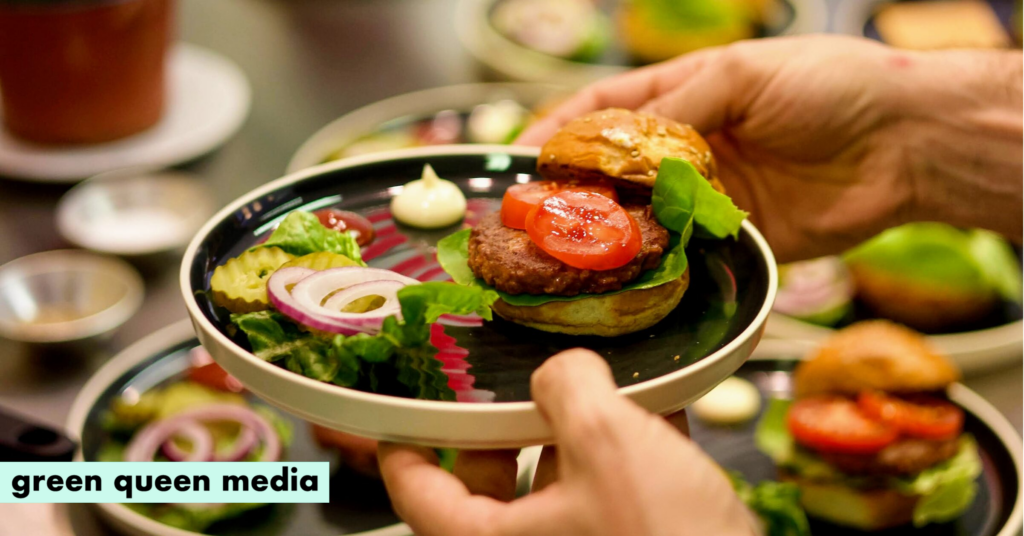
This proactive stance has allowed the Netherlands to achieve several firsts within the European Union. It is the only EU member state to have officially approved and subsequently hosted public tastings of both cultivated meat and precision-fermented products. The nation also holds the distinction of being the birthplace of the world’s first cultivated meat burger, developed by Mosa Meat in 2013, marking a significant milestone in the history of food technology.
The supportive environment for cellular agriculture in the Netherlands appears to be mirrored by public sentiment. Surveys indicate that a considerable majority of the Dutch population, approximately 63%, express support for the sale of cultivated meat, provided it meets regulatory standards. Furthermore, 59% of consumers are open to trying these innovative food products. This contrasts sharply with attitudes in some other EU nations, where opposition to cellular agriculture is more pronounced. Dutch lawmakers have actively championed cultivated meat at the EU level, voicing skepticism regarding the proportionality of proposed absolute bans. They have argued that any perceived issues with these novel proteins could be addressed through less restrictive measures, rather than outright prohibition of products not yet widely available on the market. This measured and progressive approach, exemplified by Italy’s introduction of a ban on cultivated meat, highlights the Netherlands’ commitment to fostering innovation while carefully considering regulatory frameworks. The Dutch government’s position emphasizes that a complete ban is not a proportionate response, particularly when alternative, less far-reaching solutions exist to manage any potential concerns without stifling nascent industries.
Broader Implications and Future Outlook
The NWO’s investment in these three cellular agriculture projects signifies more than just a financial allocation; it represents a strategic bet on the future of food. The successful scaling of cultivated meat and precision fermentation technologies has profound implications for global food security, environmental sustainability, and animal welfare. By reducing reliance on traditional agriculture, these innovations can help alleviate pressure on land and water resources, mitigate greenhouse gas emissions, and decrease the incidence of zoonotic diseases.
The collaborative nature of these projects, bringing together academic institutions, research organizations, and private companies, is crucial for accelerating the pace of innovation. This cross-sectoral approach ensures that scientific breakthroughs are rapidly translated into commercially viable solutions, fostering a dynamic and interconnected innovation ecosystem. The development of robust cell lines, efficient bioprocesses, and advanced biomanufacturing techniques are all essential steps towards making cultivated meat and precision-fermented products a significant part of the global food supply.
The Netherlands’ sustained commitment to cellular agriculture, from substantial government funding to fostering public acceptance, positions it to not only lead in research and development but also to become a key player in the global market for these future foods. As these projects progress, the world will be watching to see how they contribute to a more sustainable, ethical, and resilient food system for generations to come. The success of these initiatives could pave the way for a paradigm shift in food production, offering consumers more choices and a reduced environmental impact, while simultaneously creating new economic opportunities. The timeline for widespread commercial availability remains subject to regulatory approvals and further technological advancements, but the current trajectory suggests a promising future for cellular agriculture, with the Netherlands at its forefront.