
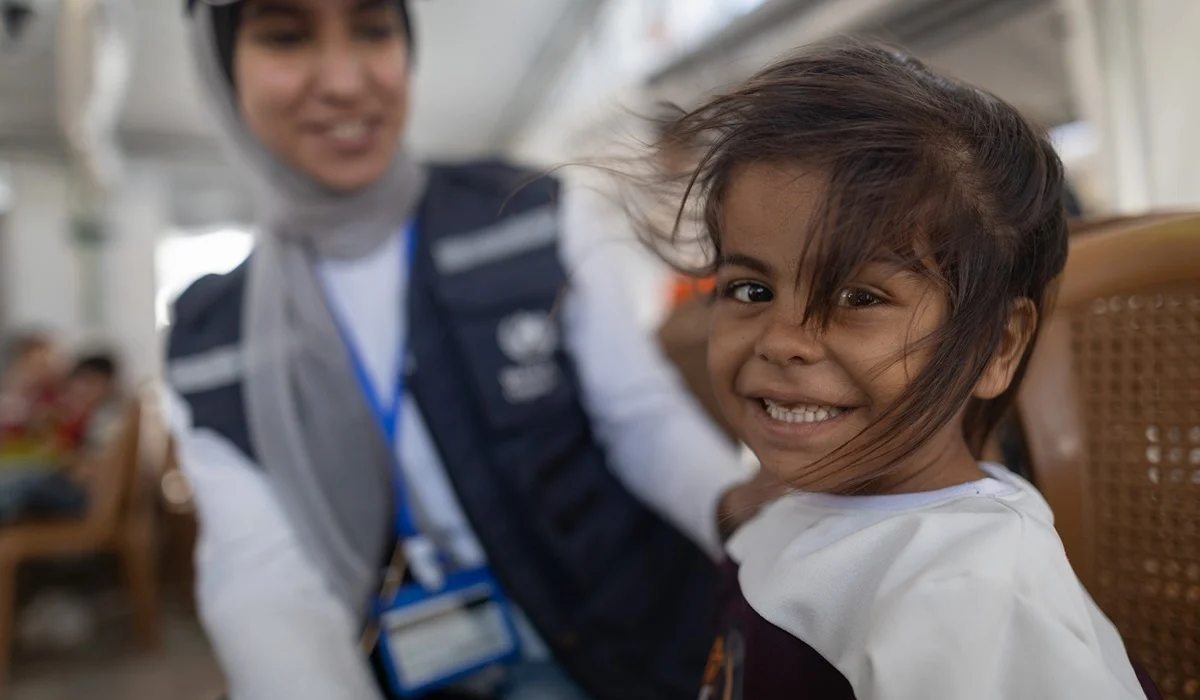
The World Health Organization (WHO) has officially inaugurated its 2026 Global Health Emergency Appeal, a comprehensive strategic roadmap and financial call to action aimed at securing nearly US$ 1 billion to sustain life-saving health interventions across the globe. This ambitious appeal is designed to address the urgent needs of millions of individuals currently trapped in the crosshairs of humanitarian catastrophes, ranging from violent geopolitical conflicts to the devastating aftershocks of natural disasters and the accelerating impacts of climate change. As the international community faces a period of unprecedented global instability, the WHO’s 2026 strategy emphasizes that health care is not a luxury or a secondary concern in times of crisis, but a fundamental pillar of human dignity and global security.
The 2026 appeal targets 36 distinct emergencies worldwide. Among these, 14 have been designated as Grade 3 emergencies—the highest level of internal classification within the WHO, signifying crises that require a massive, multi-sectoral organizational response due to their scale, complexity, and the severity of the health risks involved. These emergencies include both sudden-onset disasters, such as earthquakes or viral outbreaks, and protracted humanitarian crises that have simmered for decades, eroding national infrastructures and leaving entire populations vulnerable to preventable diseases and trauma.
A Critical Transition from 2025 to 2026
The launch of the new appeal serves as both a look forward and a somber reflection on the operational challenges of the previous year. In 2025, the WHO and its network of international partners managed to provide essential health services to approximately 30 million people. This work, funded through the 2025 annual emergency appeal, yielded significant public health outcomes despite a tightening fiscal environment. Key achievements included the delivery of life-saving vaccinations to 5.3 million children in high-risk zones, the facilitation of over 53 million health consultations, and the sustained support of more than 8,000 health facilities globally. Furthermore, the WHO successfully deployed 1,370 mobile clinics, which acted as lifelines for communities in remote or conflict-shattered areas where permanent medical infrastructure had been destroyed.
However, the successes of 2025 were tempered by a widening gap between humanitarian needs and available resources. Data released by the WHO indicates that humanitarian funding in 2025 plummeted to levels below those seen in 2016. This contraction in global solidarity meant that the WHO and its partners were only able to reach approximately one-third of the 81 million people who were originally identified as needing urgent humanitarian health assistance. This shortfall has created a backlog of vulnerability, making the 2026 appeal even more critical for preventing a total collapse of health systems in the world’s most fragile regions.
The Strategic Vision of the 2026 Appeal
Dr. Tedros Adhanom Ghebreyesus, the WHO Director-General, framed the nearly US$ 1 billion request as a vital investment rather than a mere act of philanthropy. During the launch event, Dr. Tedros emphasized that providing health care in crisis zones is a strategic necessity for global stability. He noted that the appeal is a call to stand with people living through conflict, displacement, and disaster, providing them with the confidence that the international community has not abandoned them. According to the Director-General, access to health care is a primary tool for restoring dignity to marginalized populations, stabilizing communities under duress, and creating a viable pathway toward long-term recovery and peace.
The 2026 strategy is built on the premise that early and predictable investment allows the WHO to move with the speed necessary to contain outbreaks before they become international pandemics and to provide trauma care before injuries lead to permanent disability or death. The WHO argues that the human and financial costs of reactive interventions are far higher than the costs of sustained, proactive emergency preparedness and response.
Priority Regions and Complex Emergencies
The WHO has identified several priority regions where the 2026 funds will be most urgently deployed. These areas represent the epicenter of current global suffering and require sustained international attention. The priority list includes:
- Sudan and South Sudan: Both nations continue to grapple with the fallout of civil unrest, mass displacement, and a crumbling healthcare infrastructure that has struggled to manage both trauma cases and basic maternal health.
- The Occupied Palestinian Territory: The health system in Gaza and the West Bank remains under extreme duress, with critical shortages of fuel, medicine, and clean water complicating the delivery of basic care.
- Ukraine: Ongoing conflict continues to damage health facilities and disrupt supply chains, necessitating constant support for trauma care and the management of chronic diseases.
- Afghanistan and Myanmar: Political instability in these regions has marginalized millions, particularly women and children, making the WHO’s role as a neutral health provider essential.
- Democratic Republic of the Congo (DRC) and Haiti: These nations face a dual threat of systemic violence and recurrent infectious disease outbreaks, including cholera and the ongoing threat of mpox.
- Syrian Arab Republic and Yemen: After years of protracted war, these countries require long-term support to rebuild basic health services and manage widespread malnutrition.
In addition to these geographic priorities, the 2026 appeal focuses on specific disease threats, most notably the resurgence of cholera—often driven by poor sanitation in displacement camps—and the evolving mpox situation, which requires vigilant surveillance and rapid vaccine deployment.
The Role of International Partners and Flexible Funding
As the lead agency for health response in humanitarian settings, the WHO does not work in isolation. It currently coordinates more than 1,500 partners across 24 crisis settings globally. This collaborative model ensures that national authorities and local partners remain at the center of the response, fostering local resilience and ensuring that aid is culturally and logistically appropriate.
During the launch, international representatives voiced their support for the WHO’s centralized role. Ambassador Noel White, the Permanent Representative of Ireland to the United Nations Office in Geneva, highlighted the intrinsic link between humanitarian crises and health crises. Ireland has committed to supporting the WHO through unearmarked, flexible, and predictable funding via the Contingency Fund for Emergencies (CFE). This type of "flexible" funding is particularly prized by the WHO, as it allows the organization to redirect resources instantly as new crises emerge, without the delays often associated with project-specific grants.
Similarly, Ms. Marita Sørheim-Rensvik, Deputy Permanent Representative of Norway to the United Nations Office at Geneva, underscored the WHO’s role in upholding international humanitarian law. She pointed out that the WHO often operates in places where few other organizations can, providing sexual and reproductive health services and supporting frontline health workers who are under immense physical and psychological strain. Norway’s call for Member States to strengthen their support reflects a growing concern among some donor nations that the global health architecture is being stretched to its breaking point.
Broader Implications and the Convergence of Global Pressures
The 2026 appeal is launched against a backdrop of "converging pressures" that the WHO warns could lead to a "polycrisis." The escalating impacts of climate change are perhaps the most significant "threat multiplier." Rising temperatures and erratic weather patterns are expanding the range of vector-borne diseases and increasing the frequency of waterborne disease outbreaks. When combined with the economic instability following the COVID-19 pandemic and the geopolitical shifts resulting from major conflicts, the demand for health emergency support has never been higher.
Analysis of the current humanitarian landscape suggests that if the 2026 appeal is not met, the world faces a significant risk of "health insecurity." Outbreaks that begin in conflict zones where surveillance is weak can quickly cross borders, as seen with various influenza strains and viral hemorrhagic fevers in the past. Furthermore, the lack of basic health care in displaced populations often leads to secondary migrations, further taxing the resources of neighboring countries and international aid agencies.
The WHO’s 2026 plan also includes a focus on "building a bridge towards peace." By providing neutral medical aid and supporting the rehabilitation of health workers, the WHO aims to create "health as a bridge for peace" (HBP) initiatives. These programs use health interventions as a starting point for dialogue between conflicting parties, proving that even in the most divided societies, the universal need for medical care can serve as common ground.
Conclusion: A Call for Renewed Solidarity
The WHO’s request for US$ 1 billion is a calculated figure representing the minimum required to sustain the most impactful activities. While the organization has been forced to make difficult choices and prioritize only the most critical interventions, the remaining activities are those that offer the highest return on investment in terms of lives saved.
The 2026 Global Health Emergency Appeal is more than a budget request; it is a barometer of global solidarity. In an era where humanitarian financing is contracting, the WHO is challenging the world’s wealthiest nations and private donors to recognize that the health of the most vulnerable is inextricably linked to the health of the global population. Without a renewed commitment to funding these 36 critical emergencies, the progress made in global health over the last decade risks being undone by the current tide of conflict and environmental decay. The WHO concludes that while the financial cost of the appeal is significant, the human cost of inaction would be immeasurable.