
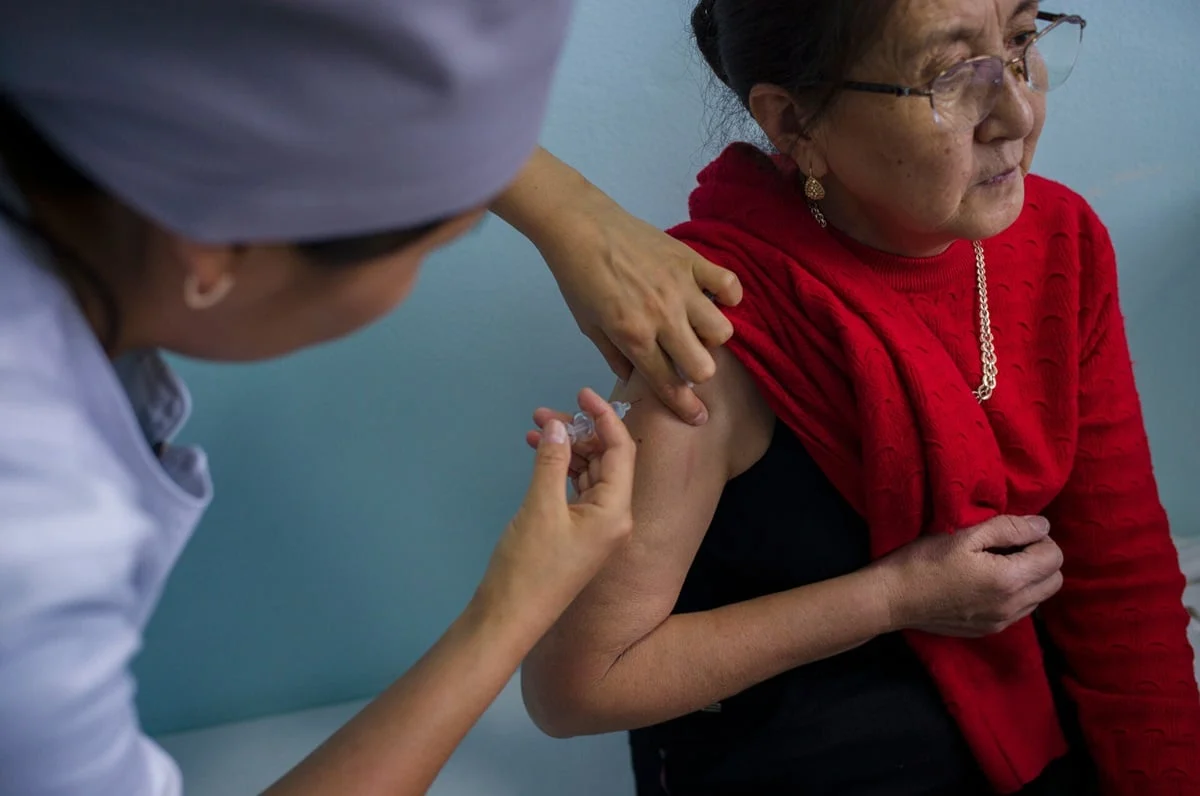
The World Health Organization (WHO) has officially released its highly anticipated recommendations for the viral composition of influenza vaccines tailored for the 2026-2027 northern hemisphere season. This announcement, finalized after a rigorous four-day consultation involving a global network of virologists and public health experts, serves as the definitive blueprint for national regulatory authorities and pharmaceutical manufacturers worldwide. As influenza viruses undergo continuous genetic and antigenic evolution, these biannual updates are critical to ensuring that seasonal vaccines remain effective against the specific strains expected to circulate among the human population.
The recommendations are the culmination of an intensive review of global influenza surveillance data, which identified significant shifts in viral dominance over the past year. By aligning vaccine components with the most current data, the WHO aims to mitigate the global burden of seasonal influenza, which continues to account for approximately one billion infections and up to 650,000 respiratory-related deaths annually.
The Strategic Importance of Vaccine Composition Updates
Influenza remains one of the most persistent challenges to global health due to a process known as "antigenic drift." This phenomenon involves small genetic changes in the virus that occur over time as it replicates. Eventually, these changes accumulate, resulting in a virus that is no longer recognized by the immune systems of individuals who were vaccinated against or previously infected by older strains. To counter this, the WHO Global Influenza Surveillance and Response System (GISRS) maintains a year-round vigil, monitoring how these viruses change and spread across borders.
The WHO’s recommendations are not merely suggestions but are the foundation for the production and licensing of billions of vaccine doses. Once the WHO identifies the specific "seed" viruses, or Candidate Vaccine Viruses (CVVs), pharmaceutical companies begin the complex process of cultivation—whether through traditional egg-based methods or modern cell-culture and recombinant technologies. This timeline is incredibly tight, as the industry requires several months to manufacture, test, and distribute vaccines ahead of the peak influenza season in the northern hemisphere, which typically begins in late autumn.
The Rise of Subclade K and the 2025 Viral Landscape
A primary driver for the updated 2026-2027 recommendations was the emergence of a notably distinct variant of the influenza A(H3N2) virus. Identified as J.2.4.1, and colloquially referred to by the scientific community as "subclade K," this variant first gained prominence in August 2025. According to GISRS data, subclade K demonstrated a remarkable capacity for rapid transmission, quickly becoming the dominant strain across multiple geographic regions.
The rapid proliferation of subclade K contributed to an unusually early start to the influenza season in several countries during the 2025-2026 cycle. Public health agencies reported higher-than-average levels of influenza activity during this period, putting significant strain on healthcare systems. The dominance of subclade K necessitated a strategic shift in the vaccine’s A(H3N2) component to ensure that the 2026-2027 formulation provides robust protection against this specific lineage.
While A(H3N2) variants were the most prevalent, the WHO consultation also analyzed the behavior of A(H1N1)pdm09 and various influenza B lineages. While influenza A viruses remained the primary cause of infections globally, the B/Victoria lineage continued to circulate at lower levels. Notably, the B/Yamagata lineage—one of the four components traditionally included in quadrivalent vaccines—has not been detected in the wild since March 2020. This continued absence has led to ongoing discussions within the scientific community regarding the transition back to trivalent vaccines, although the current recommendations ensure that the most relevant circulating threats are addressed.
Zoonotic Influenza and the Persistent Threat of Bird Flu
Beyond seasonal variations, the WHO experts dedicated a significant portion of their consultation to zoonotic influenza—viruses that circulate in animals but possess the potential to jump to humans. These viruses are a major concern for pandemic preparedness, as human populations often have little to no pre-existing immunity against them.
Since September 23, 2025, the WHO has been notified of 25 human infections caused by zoonotic influenza across six different countries. The majority of these cases involved individuals who had direct exposure to infected poultry or livestock, or to environments heavily contaminated by these animals. While the WHO confirmed that no sustained human-to-human transmission has been reported from these cases, the risk of such a mutation remains a high priority for global health security.
In response to these findings, the experts recommended the development of a new Candidate Vaccine Virus for the A(H9N2) lineage. A(H9N2) viruses are endemic in poultry in many parts of the world and have sporadically infected humans. By creating new CVVs for these strains now, the WHO ensures that the global manufacturing infrastructure can pivot rapidly to produce a pandemic vaccine should a zoonotic strain begin to spread efficiently among people.
The GISRS Framework: Seven Decades of Global Vigilance
The accuracy of the WHO’s vaccine recommendations depends entirely on the Global Influenza Surveillance and Response System (GISRS). Established in 1952, GISRS is the longest-standing global platform for systematic disease surveillance. It currently comprises a network of over 150 National Influenza Centres in 127 countries, supported by several WHO Collaborating Centres and Essential Regulatory Laboratories.
Dr. Tedros Adhanom Ghebreyesus, WHO Director-General, emphasized the collaborative nature of this work during the announcement. "Season after season, constantly evolving influenza viruses circulate globally, showing us how connected our world is. Shared risks require shared action," Dr. Tedros stated. He credited the "diligent, year-round work" of the GISRS and its partners for providing the data necessary to update vaccines and "better protect communities" against the latest viral strains.
This network operates by sharing viral samples and genetic sequences in real-time. This transparency allows scientists to track the movement of a virus from a small cluster in one region to a potential global outbreak. The twice-yearly consultations (once for each hemisphere) are the moments where this massive volume of data is distilled into actionable medical policy.
Technical Specifications for 2026-2027 Vaccines
The WHO provides specific recommendations for different manufacturing platforms to ensure the highest possible yield and efficacy. For the 2026-2027 northern hemisphere season, the recommendations cover two primary categories of vaccines:
Egg-Based Vaccines
Traditional influenza vaccines are grown in fertilized chicken eggs. This method, while decades old, remains the most widely used due to its massive scale and established infrastructure. The WHO identifies specific virus strains that are adapted to grow efficiently in eggs while maintaining the necessary antigenic properties to trigger a protective immune response in humans.
Cell Culture, Recombinant Protein, and Nucleic Acid-Based Vaccines
In recent years, newer technologies have gained market share. Cell-based vaccines are grown in cultured mammalian cells, which can sometimes provide a "closer match" to circulating viruses because they avoid certain mutations that can occur when viruses adapt to eggs. Recombinant and nucleic acid-based (such as mRNA) vaccines represent the cutting edge of the field, offering the potential for even faster production timelines and high precision in targeting viral proteins. The WHO provides a separate list of recommended viruses optimized for these platforms.
Broader Public Health Implications and Global Burden
The release of these recommendations is a reminder of the staggering impact influenza has on global health and the economy. Seasonal influenza is not merely a "bad cold" but an acute respiratory infection that can lead to severe pneumonia, secondary bacterial infections, and the exacerbation of underlying conditions like heart disease or diabetes.
Current data indicates that there are roughly one billion cases of seasonal influenza annually. Of these, between three and five million cases result in severe illness requiring hospitalization. The economic toll is equally significant, resulting from lost productivity, healthcare costs, and the strain on social services. Vaccination remains the most effective tool available to reduce these numbers. Public health officials emphasize that even when a vaccine does not completely prevent infection, it is highly effective at reducing the severity of the disease, preventing hospitalization, and saving lives.
Future Outlook: Moving Toward a Universal Vaccine
While the current system of biannual updates is effective, the scientific community is increasingly looking toward a "universal" influenza vaccine. Such a vaccine would target parts of the virus that do not change from year to year, potentially providing multi-year protection against a broad range of strains, including those with pandemic potential.
Until such a breakthrough occurs, the WHO’s seasonal recommendations remain the gold standard for influenza prevention. The rapid response to the emergence of subclade K and the proactive development of CVVs for zoonotic A(H9N2) demonstrate the agility of the current global surveillance system. As the 2026-2027 season approaches, the focus now shifts to pharmaceutical companies and national health ministries to translate these scientific recommendations into a global vaccination campaign that protects the most vulnerable populations.