
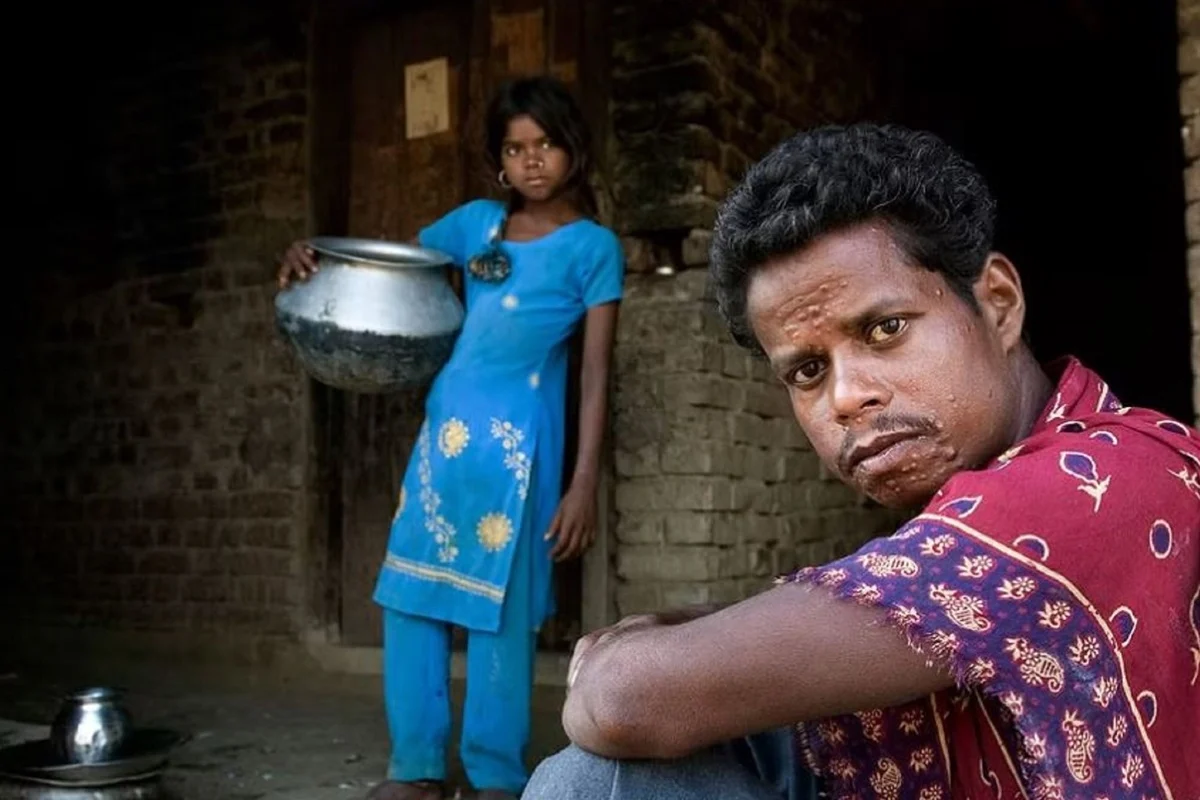
The World Health Organization (WHO) and its global partners have issued a stark warning on World Neglected Tropical Diseases (NTDs) Day, highlighting that millions of individuals suffering from these conditions continue to endure profound, often invisible hardships rooted in social stigma, discrimination, and untreated mental health disorders. Under the 2026 rallying theme "Unite. Act. Eliminate.", the international health body is calling upon sovereign governments and the global health community to pivot their strategies toward a more holistic model of care. This new approach emphasizes the urgent need to integrate mental health support into existing NTD elimination programs, ensuring that the biological cure of a disease is accompanied by the restoration of social dignity and psychological well-being.
Neglected tropical diseases comprise a diverse group of 21 conditions that thrive mainly among the poorest populations in tropical and subtropical regions. While the physical toll of these diseases—ranging from blindness and disfigurement to malnutrition and anemia—is well-documented, the psychological "second epidemic" of depression and anxiety has long remained in the shadows. Current data indicates that more than 1 billion people worldwide are affected by NTDs, while a staggering 1 billion people globally experience mental health conditions. For those caught at the intersection of these two crises, the path to recovery is frequently blocked by societal misconceptions and a lack of integrated healthcare infrastructure.
The Dual Burden of Physical Disfigurement and Social Stigma
The WHO’s latest report emphasizes that NTDs causing visible physical impairments or disfigurement are particularly devastating to a patient’s social standing. Conditions such as cutaneous leishmaniasis, leprosy (Hansen’s disease), lymphatic filariasis (elephantiasis), mycetoma, and noma often lead to severe scarring or limb swelling that triggers deep-seated cultural stigmas. In many communities, these diseases are erroneously associated with divine punishment, poor hygiene, or high levels of contagion, leading to the systematic exclusion of patients from communal life, education, and employment.
The consequences of this exclusion are measurable and severe. Individuals living with chronic NTDs report significantly higher rates of depression, anxiety, and suicidal ideation compared to both the general population and individuals living with other chronic but less stigmatized illnesses. The WHO notes that the "shame of the skin" or the "isolation of the limb" often outlasts the active infection, leaving survivors in a state of permanent social death. By failing to address the mental health component, traditional medical interventions solve only half the problem, leaving patients biologically cured but socially and psychologically broken.
A Historic Milestone: The Launch of the Essential Care Package
To bridge this systemic gap, the WHO has officially launched its first-ever global guide titled "Essential Care Package (ECP) to Address Mental Health and Stigma for Persons with Neglected Tropical Diseases." This document serves as a comprehensive roadmap for health service leaders, providing evidence-based interventions designed to be integrated into primary healthcare settings.
The ECP focuses on three primary pillars: early detection of mental health distress, the reduction of stigma through community education, and the provision of psychosocial support. The guide encourages health workers to move beyond the "search and treat" model for pathogens and adopt a "care and support" model for the person. This includes training frontline workers to recognize signs of clinical depression in NTD patients and establishing peer support groups where survivors can share experiences and combat the isolation that often leads to self-stigma.
Dr. Tedros Adhanom Ghebreyesus, WHO Director-General, underscored the philosophical shift required in global health. "The fight against neglected tropical diseases is not only a fight against pathogens; it’s a fight against the profound human suffering they cause," Dr. Tedros stated. "True elimination means freeing people not only from the disease but from the shame, isolation, and despair that too often accompany it."
Chronology of Progress: From the London Declaration to the 2030 Roadmap
The current momentum in the fight against NTDs is the result of decades of coordinated international effort. The modern era of NTD advocacy began in earnest with the 2012 London Declaration on Neglected Tropical Diseases, which saw pharmaceutical companies, donors, and governments pledge to control or eliminate 10 key diseases by 2020. While that milestone saw significant progress, it also highlighted the need for a more sustainable, country-led approach.
In 2021, the WHO launched the "Ending the Neglect to Attain the Sustainable Development Goals: A Road Map for Neglected Tropical Diseases 2021–2030." This document shifted the focus from disease-specific programs to integrated platforms and cross-sectoral collaboration. That same year, the 74th World Health Assembly officially recognized January 30th as World Neglected Tropical Diseases Day, formalizing a global platform to hold leaders accountable.
Since the adoption of the 2030 Roadmap, the world has witnessed historic gains. The number of people requiring NTD interventions has plummeted to a historical low of 1.4 billion, a significant decrease from the nearly 2 billion required a decade ago. As of early 2026, 58 countries have successfully eliminated at least one NTD, demonstrating that the WHO’s target of 100 countries achieving elimination by 2030 is within reach. Success stories span the globe: Brazil has made massive strides in reducing leprosy transmission; Jordan has eliminated trachoma as a public health problem; and nations like Niger and Fiji have pioneered community-based mass drug administration (MDA) programs that serve as blueprints for the rest of the world.
The Funding Crisis: A Threat to Decades of Success
Despite these unprecedented achievements, the "Global Report on Neglected Tropical Diseases 2025" reveals a precarious financial landscape. Official development assistance (ODA) for NTDs experienced a sharp decline of 41% between 2018 and 2023. This contraction in funding is attributed to a combination of factors, including the redirection of resources during the COVID-19 pandemic, shifting geopolitical priorities, and a global economic slowdown that has caused traditional donor nations to tighten their foreign aid budgets.
This decline in funding is particularly alarming given the high return on investment (ROI) that NTD programs offer. Economic analyses consistently show that NTD interventions are among the most cost-effective "best buys" in global health. For every US$ 1 invested in preventive chemotherapy—the mass distribution of safe, effective medicines—there is an estimated economic return of approximately US$ 25. These returns manifest through increased school attendance among children, improved agricultural and industrial productivity among adults, and reduced long-term healthcare costs.
Without a reversal of the current funding trend, the WHO warns that the world risks a resurgence of diseases that were on the brink of disappearance. The annual cost of NTDs to affected families and communities is estimated at US$ 33 billion in lost wages and out-of-pocket medical expenses. For a family living in extreme poverty, the cost of treating a single case of advanced lymphatic filariasis or the loss of a breadwinner to the blindness caused by onchocerciasis can lead to multi-generational cycles of debt and destitution.
Broader Impact and the Path Forward
The implications of the NTD crisis extend far beyond the health sector. Because these diseases primarily affect the "bottom billion" of the world’s population, they are both a consequence and a driver of poverty. Addressing NTDs is therefore essential for achieving the United Nations Sustainable Development Goals (SDGs), particularly those related to poverty eradication (SDG 1), quality education (SDG 4), and reduced inequalities (SDG 10).
The WHO’s emphasis on mental health integration represents a maturation of the global health agenda. It acknowledges that health is not merely the absence of disease, but a state of complete physical, mental, and social well-being. By tackling stigma, health systems can increase the uptake of medical treatments; patients who do not fear social ostracization are more likely to seek early diagnosis and adhere to treatment regimens.
As the global community looks toward the 2030 deadline, the WHO and its partners are calling for a three-pronged strategy:
- Mobilize New Funding: Reversing the 41% decline in ODA is critical. This involves engaging new philanthropic partners and encouraging endemic countries to increase their domestic health spending.
- Accelerate Innovation: Continued investment in Research and Development (R&D) is needed for better diagnostic tools, more effective treatments for diseases like mycetoma, and digital health solutions for monitoring disease outbreaks in remote areas.
- Integrated Health Services: Moving away from "siloed" interventions toward a model where NTD screening is part of routine maternal and child health visits, and where mental health screening is a standard component of NTD care.
The resilience of patients and the dedication of community health workers remain the backbone of this movement. The stories of country-led successes, featured prominently in the World NTD Day 2026 campaign, serve as a reminder that elimination is not a utopian dream but a realistic policy goal. However, the window of opportunity to reach the 100-country milestone by 2030 is narrowing. The call to "Unite. Act. Eliminate." is a demand for political will to match the scientific progress already achieved, ensuring that the final mile of the journey toward elimination includes every person, regardless of their physical condition or mental state.