
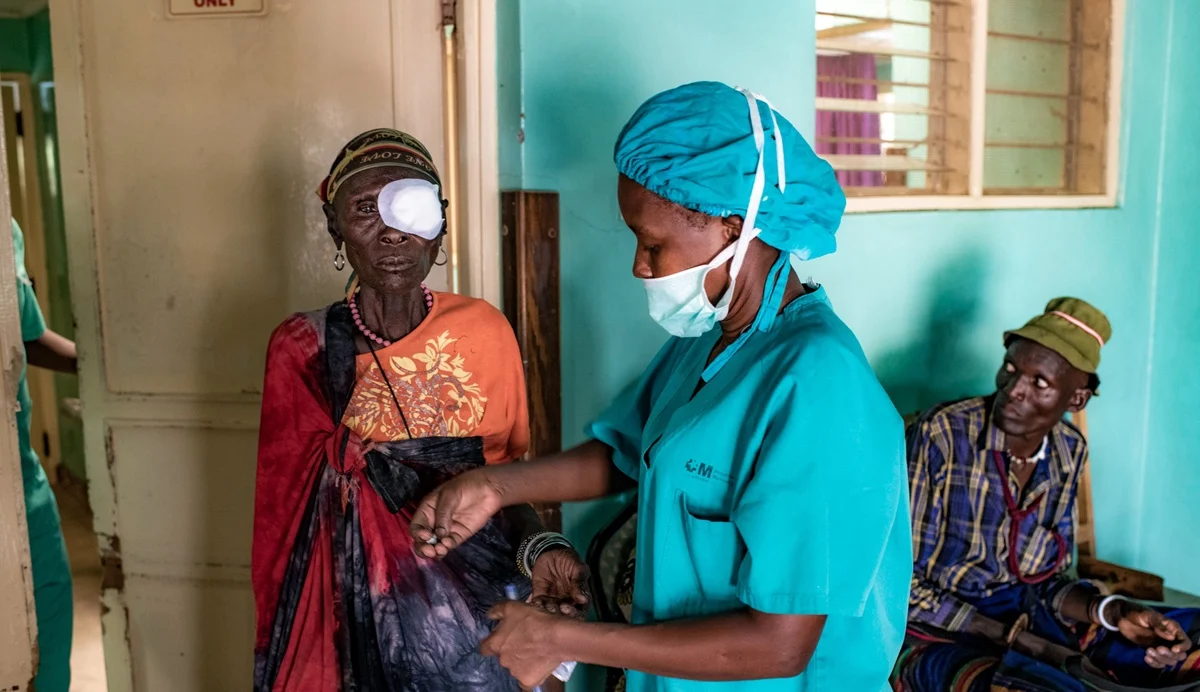
The World Health Organization (WHO) has issued a renewed and urgent appeal to the international community to accelerate efforts in providing sight-restoring cataract surgery to millions of underserved individuals. This call to action follows the publication of a comprehensive study in The Lancet Global Health, which reveals a stark reality: nearly half of the world’s population suffering from cataract-related blindness still lacks access to the basic surgical interventions required to restore their vision. Despite the existence of a highly effective, low-cost solution, systemic barriers continue to prevent the realization of a world free from avoidable blindness.
Cataracts, characterized by the progressive clouding of the eye’s natural lens, remain the leading cause of blindness globally. The condition results in blurred vision and, if left untreated, total loss of sight. Currently, more than 94 million people worldwide are affected by cataracts. However, the medical community emphasizes that this is a largely solvable crisis. Cataract surgery—a procedure that typically takes only 15 minutes—is recognized as one of the most cost-effective medical interventions in modern healthcare. The surgery provides an almost immediate and permanent restoration of sight, yet the gap between those who need the procedure and those who receive it remains a chasm that global health bodies are struggling to bridge.
The Evolution of Global Eye Health: A Two-Decade Chronology
The current crisis is framed against a twenty-year history of international efforts to curb vision loss. In 1999, the WHO and the International Agency for the Prevention of Blindness (IAPB) launched "VISION 2020: The Right to Sight," a global initiative aimed at eliminating avoidable blindness by the year 2020. While the initiative succeeded in raising the profile of eye health on the global stage, the results have been mixed due to a rapidly aging global population.
Between 2004 and 2024, global coverage of cataract surgery increased by approximately 15%. This growth occurred despite a significant rise in the overall number of cataract cases, driven by demographic shifts and increased life expectancy. In 2019, the WHO released its first "World Report on Vision," which highlighted that at least 2.2 billion people have a vision impairment, of which at least 1 billion cases could have been prevented or have yet to be addressed.
By 2021, the World Health Assembly (WHA) set an ambitious new target: a 30% increase in effective cataract surgery coverage by 2030. The latest modeling published in The Lancet Global Health, however, suggests that at the current trajectory, coverage is only expected to rise by 8.4% during this decade. This significant shortfall indicates that without a radical shift in policy and funding, the 2030 targets will remain out of reach.
Dissecting the Lancet Global Health Findings
The recent study analyzed data from 68 country estimates for 2023 and 2024, providing the most detailed snapshot to date of the global ophthalmic landscape. The data highlights a profound geographic and demographic divide in healthcare access. While high-income nations have largely integrated cataract surgery into standard geriatric care, low- and middle-income countries (LMICs) continue to struggle with a massive backlog of cases.
The African Region remains the most critically underserved. According to the report, three out of every four individuals in Africa who require cataract surgery remain untreated. This 75% gap underscores a failure of health systems to reach rural and impoverished populations. In contrast, regions with more robust healthcare infrastructures show higher coverage, yet even within these areas, marginalized communities often fall through the cracks.
The study also emphasizes a persistent gender disparity. Across all analyzed regions, women consistently experience lower access to cataract care than men. This inequity is often rooted in socio-economic factors, including limited control over household finances, restricted mobility, and a lack of prioritization of women’s health in certain cultural contexts. Because women generally live longer than men, they also bear a higher burden of age-related cataracts, making the lack of access even more consequential.
Official Responses and the Human Impact of Vision Loss
The WHO’s leadership has framed the issue not merely as a clinical challenge, but as a fundamental matter of human rights and economic stability. Devora Kestel, Director a.i. of the WHO Department of Noncommunicable Diseases and Mental Health, emphasized the transformative nature of the intervention. "Cataract surgery is one of the most powerful tools we have to restore vision and transform lives," Kestel stated. "When people regain their sight, they regain independence, dignity, and opportunity."
The implications of untreated cataracts extend far beyond the individual. Vision loss is a significant driver of poverty. In many developing economies, an elderly person with blindness requires a younger family member to act as a full-time caregiver, effectively removing two people from the workforce or education system. By restoring sight, cataract surgery acts as an economic multiplier, allowing older adults to return to productive activities and freeing younger generations to pursue employment or schooling.
Health advocates and civil society organizations have reacted to the Lancet study with calls for increased domestic funding. Many organizations argue that the "15-minute procedure" narrative, while true, oversimplifies the logistical hurdles of delivering that surgery in remote areas where there may be no electricity, let alone a sterile operating theater.
Identifying the Barriers to Universal Access
The WHO identifies several long-standing structural barriers that have slowed progress over the last decade. These challenges are multifaceted and require a systemic approach to resolve:
- Workforce Shortages and Maldistribution: There is a critical shortage of trained ophthalmologists, ophthalmic nurses, and technicians in the regions with the highest need. Furthermore, the existing workforce is often concentrated in urban centers, leaving rural populations with virtually no access to specialist care.
- Out-of-Pocket Costs: Even in countries where the surgery is theoretically available, the cost can be prohibitive. Hidden fees for diagnostic tests, medications, and transportation can make the "affordable" surgery inaccessible to those living in extreme poverty.
- Infrastructure Deficits: Many primary healthcare centers lack the basic diagnostic equipment needed to identify cataracts early. Without a robust referral system, patients only seek help when they are already functionally blind.
- Awareness and Demand: In some regions, there is a lack of awareness that cataracts are treatable. Misconceptions about the surgery or a general resignation to vision loss as an "inevitable part of aging" can dampen demand for services even when they are provided for free.
Beyond Aging: Environmental and Lifestyle Risk Factors
While aging is the primary driver of cataract development, the WHO report notes that several modifiable risk factors can accelerate the onset of the condition. Addressing these factors is essential for a comprehensive long-term strategy:
- UV-B Exposure: Prolonged exposure to ultraviolet radiation from the sun is a known cause of lens clouding. This is particularly relevant for agricultural workers in tropical regions who spend most of their lives outdoors without eye protection.
- Tobacco Use: Smoking increases oxidative stress in the lens, significantly raising the risk of developing cataracts at an earlier age.
- Diabetes: The global epidemic of Type 2 diabetes is contributing to a rise in secondary cataracts. High blood sugar levels can cause changes in the lens, leading to rapid vision deterioration.
- Corticosteroid Use: The prolonged use of steroid medications for other health conditions is another significant risk factor that requires clinical monitoring.
Proposed Solutions and the Path Forward
To close the gap and meet the 2030 World Health Assembly targets, the WHO is advocating for a shift toward "Integrated People-Centered Eye Care" (IPCEC). This model moves away from sporadic surgical "camps" and toward the integration of eye health into the permanent fabric of national health systems.
The proposed solutions include integrating vision screening into primary healthcare services, ensuring that every patient who visits a local clinic for a general check-up or diabetes management is also screened for vision impairment. Investing in surgical infrastructure at the district level is also critical to reduce the need for patients to travel long distances to major cities.
Furthermore, the WHO is calling for targeted efforts to reach women and marginalized communities. This includes subsidies for transportation and the deployment of mobile surgical units that can operate in underserved areas. Digital health technologies, such as smartphone-based screening tools, are also being explored as a way to empower community health workers to identify cataract cases in the field.
The conclusion of the WHO’s appeal is clear: the technology and the medical expertise to end cataract-related blindness already exist. The challenge is no longer a scientific one, but one of political will and logistical execution. With sustained commitment from governments and international partners, cataract surgery can transition from a luxury of the few to a universally accessible intervention, ensuring that the "right to sight" becomes a reality for all.