
Major Depressive Disorder (MDD) stands as a pervasive global health crisis, recognized as a leading contributor to worldwide disability. Despite the availability of numerous standard antidepressant medications, a significant subset of individuals, approximately 30% of those diagnosed with depression, develop treatment-resistant depression (TRD). For these patients, conventional therapies fail to provide adequate symptom relief, leaving them in a state of persistent suffering. In recent years, ketamine has emerged as a beacon of hope, demonstrating remarkable fast-acting antidepressant effects for individuals grappling with TRD. However, the precise molecular mechanisms through which ketamine exerts its therapeutic influence within the human brain have remained largely enigmatic. This lack of understanding has hindered the refinement and personalization of this promising treatment, leaving both clinicians and patients seeking greater clarity.
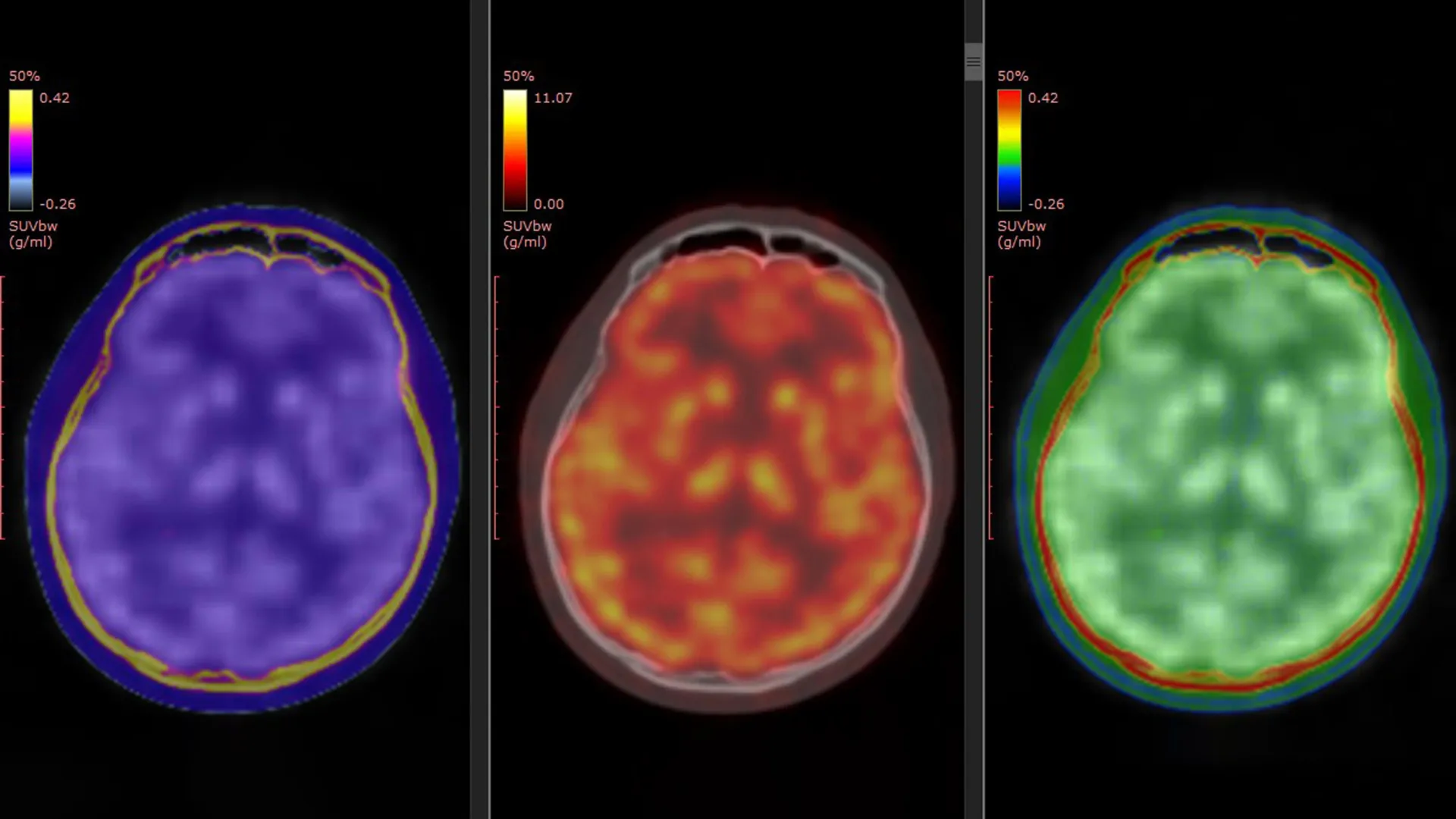
A groundbreaking study, published in the esteemed journal Molecular Psychiatry on March 5, 2026, has taken a significant leap forward in demystifying ketamine’s action. Led by Professor Takuya Takahashi of the Department of Physiology at Yokohama City University Graduate School of Medicine in Japan, the research team employed a cutting-edge positron emission tomography (PET) imaging methodology. This advanced technique allowed for the direct observation of changes in the glutamate $alpha$-amino-3-hydroxy-5-methyl-4-isoxazole propionic acid receptor (AMPAR). AMPARs are crucial proteins integral to neuronal communication, playing a vital role in synaptic plasticity and glutamatergic signaling, processes intimately involved in the therapeutic response to ketamine.
"Although ketamine has shown rapid antidepressant effects in patients with treatment-resistant depression, its molecular mechanism in the human brain has remained unclear," Professor Takahashi stated, underscoring the long-standing gap in scientific knowledge that his team aimed to bridge.
Visualizing Brain Receptors With a Novel PET Tracer
The cornerstone of this pivotal research was a novel PET tracer, designated as [11C]K-2, previously developed by Professor Takahashi’s group. This sophisticated tracer possesses the unique capability to visualize cell-surface AMPARs directly within the living human brain. Prior to this study, laboratory experiments and animal models had strongly suggested a link between ketamine’s antidepressant effects and AMPAR activity. However, the present investigation marks the first time this critical process has been directly evidenced in human subjects.
To meticulously conduct their investigation, the researchers synthesized data from three separate, registered clinical trials conducted in Japan. The study cohort comprised 34 patients formally diagnosed with treatment-resistant depression, alongside a control group of 49 healthy individuals. This robust sample size provided a solid foundation for drawing meaningful conclusions.
Participants in the TRD group were administered either intravenous ketamine or a placebo over a two-week treatment period. To capture the dynamic changes occurring in the brain, PET brain imaging was performed at two key junctures: immediately preceding the commencement of treatment and again following the final ketamine or placebo infusion. This meticulous timing allowed researchers to directly compare alterations in AMPAR levels and their distribution across the brain before and after intervention.
Region-Specific Brain Changes Linked to Symptom Relief
The study’s findings revealed a compelling pattern: individuals diagnosed with TRD exhibited widespread abnormalities in AMPAR density when compared to their healthy counterparts. Notably, these disparities were not uniformly distributed throughout the brain but were concentrated in specific anatomical regions. This suggests a localized rather than generalized dysfunction in these patients.
Furthermore, the administration of ketamine did not elicit uniform changes in AMPARs across the entire brain. Instead, the research demonstrated a sophisticated interplay between improvements in depressive symptoms and dynamic, region-specific adjustments in AMPAR levels. In certain cortical areas, an increase in AMPAR density was observed, potentially signifying enhanced neuronal connectivity and communication. Conversely, a reduction in receptor density was noted in regions critically involved in reward processing, particularly the habenula. The habenula, often referred to as the "anti-reward center," plays a significant role in processing negative emotional states, and its modulation by ketamine is a key area of interest.
Crucially, these localized shifts in AMPAR distribution were found to be strongly correlated with tangible improvements in patients’ depressive symptoms. This correlation provides a direct link between the molecular action of ketamine and its clinical efficacy.
"Ketamine’s antidepressant effect in patients with TRD is mediated by dynamic changes in AMPAR in the living human brain," Professor Takahashi elaborated. "Using a novel PET tracer, [11C]K-2, we were able to visualize how ketamine alters AMPAR distribution across specific brain regions and how these changes correlate with improvements in depressive symptoms."
These groundbreaking observations offer compelling direct human evidence that corroborates mechanisms previously identified in animal studies and, more importantly, connects these molecular events to observable clinical antidepressant effects. This translation from basic science to clinical reality is a critical step in advancing our understanding and treatment of mental health disorders.
Potential Biomarker for Predicting Treatment Response
Beyond illuminating the intricate workings of ketamine, these findings hold significant potential for practical clinical application. The ability to image AMPAR density and track its changes via PET could pave the way for its use as a predictive biomarker. Such a biomarker could empower clinicians to more accurately assess and forecast how individual patients with TRD are likely to respond to ketamine therapy.
The challenge of identifying reliable biological markers for treatment response remains a paramount goal in contemporary mental health care. Given that a substantial proportion of patients do not achieve adequate relief from standard antidepressant medications, the development of tools that can predict treatment efficacy is of immense value. This research offers a promising avenue toward achieving that goal.
Toward More Personalized Depression Treatments
By enabling scientists to directly observe AMPAR activity in the living human brain, this research effectively bridges a long-standing chasm between fundamental laboratory investigations and the complexities of clinical psychiatry. The study unequivocally identifies AMPAR modulation as a central mechanism underpinning ketamine’s rapid antidepressant effects. Moreover, it strongly suggests that AMPAR-targeted PET imaging could serve as a crucial tool in guiding the development of more personalized and tailored treatment strategies for individuals suffering from treatment-resistant depression.
Ultimately, this pioneering work has the potential to accelerate the development of more precise and effective therapies, offering renewed hope to the millions of individuals worldwide living with the debilitating effects of treatment-resistant depression. This advancement underscores the ongoing commitment to translating scientific discovery into tangible clinical benefits, aiming to improve the lives of those most profoundly affected by mental illness.
The research was made possible through substantial support from various governmental and foundational bodies, highlighting the collaborative nature of scientific advancement. Funding was provided by the Ministry of Education, Culture, Sports, Science and Technology (Special Coordination Funds for Promoting Science and Technology); the Japan Agency for Medical Research and Development (AMED) under grant numbers: JP18dm0207023, JP19dm0207072, JP24wm0625304, JP25gm7010019, and JP20dm0107124; the Japan Society for the Promotion of Science KAKENHI (grant numbers: 22H03001, 20H00549, 20H05922, 23K10432, 19H03587, 20K20603, 22K15793, and 21K07508); the Takeda Science Foundation; the Keio Next-Generation Research Project Program; the SENSHIN Medical Research Foundation; and the Japan Research Foundation for Clinical Pharmacology. This extensive support network underscores the recognized importance and potential impact of this research within the scientific and medical communities.
The implications of this study extend beyond just understanding ketamine. The insights gained into AMPAR function in TRD could inform the development of new therapeutic targets and diagnostic tools for a broader range of mood disorders. As the field of neuroscience continues to evolve, such precise molecular understanding is critical for moving beyond generalized treatments towards highly individualized interventions. The ability to visualize and quantify these specific receptor changes offers a tangible pathway to achieving that ambitious goal in psychiatric care.