
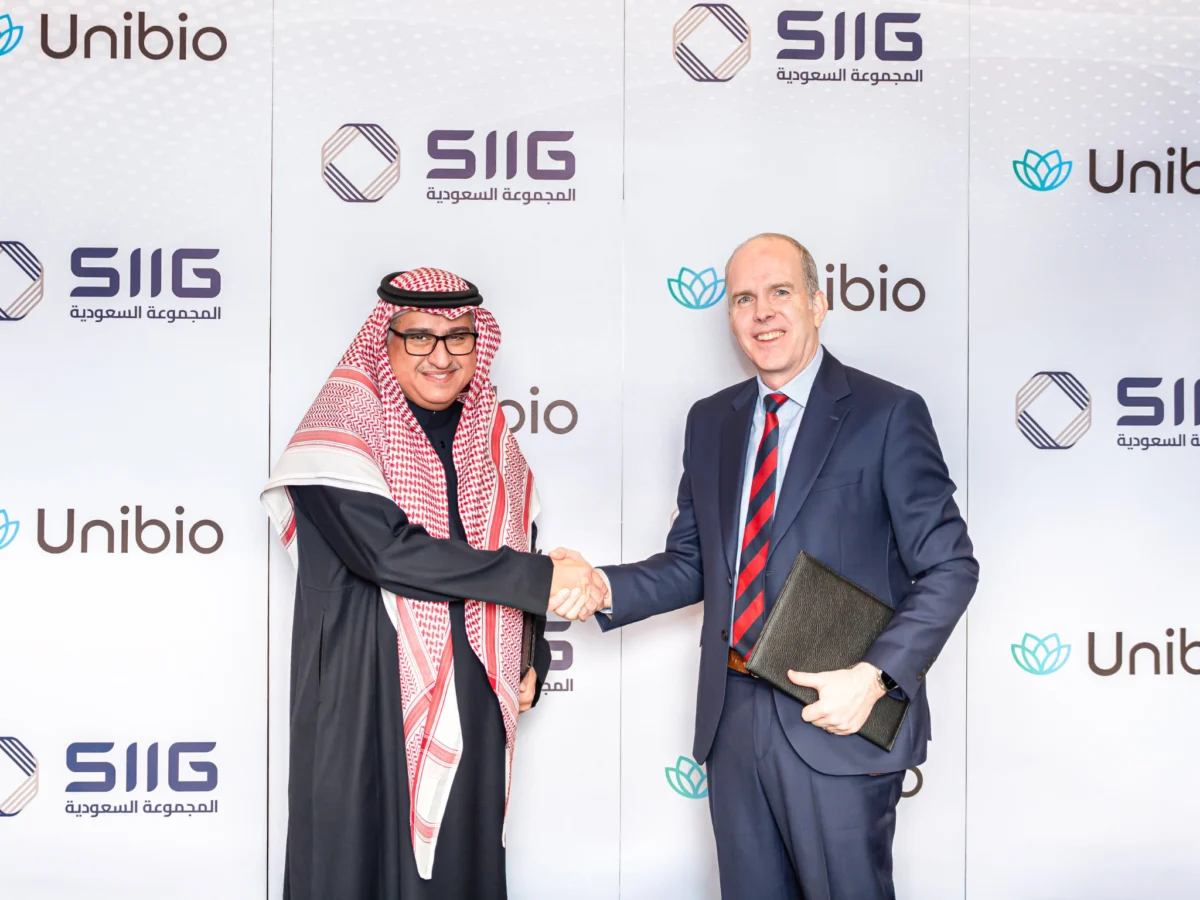
The strategic partnership between Danish biotechnology firm Unibio and the Saudi Industrial Investment Group (SIIG), a significant entity with partial Saudi government ownership, marks a pivotal moment in the global pursuit of sustainable protein production. This ambitious venture aims to construct the world’s largest facility dedicated to converting greenhouse gases into high-quality protein, a development that holds profound implications for food security, environmental sustainability, and economic diversification in Saudi Arabia and beyond. The agreement, finalized recently, outlines the construction of a state-of-the-art fermentation plant in Al Jubail, a major industrial hub in Saudi Arabia. This facility will leverage Unibio’s proprietary technology to transform abundant natural gas into a vital protein source for both human and animal consumption.
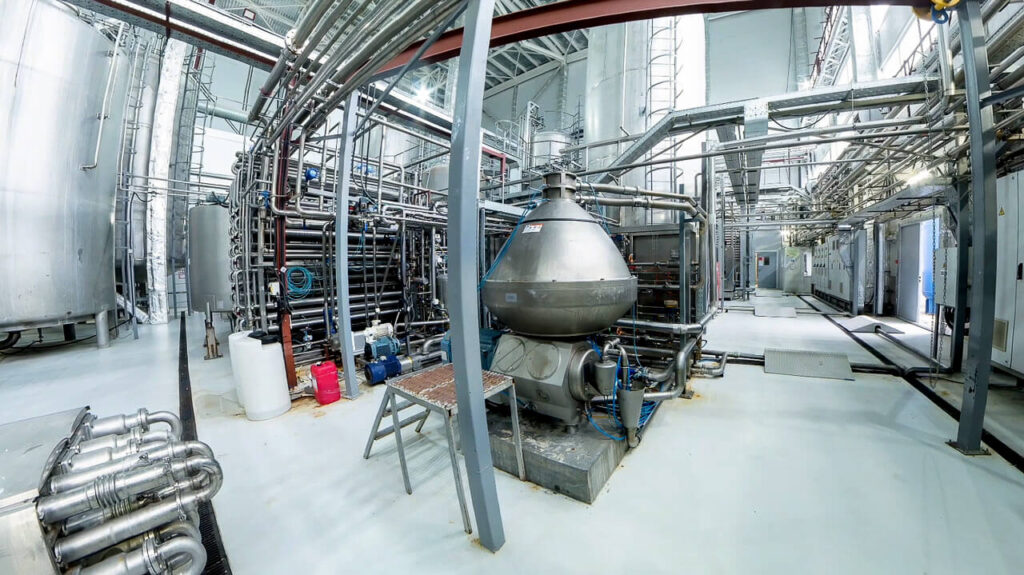
The core of this groundbreaking project lies in Unibio’s advanced fermentation process. The company utilizes a unique bioreactor system that feeds gases such as methane, oxygen, and ammonia to specialized microbes. These microorganisms then metabolize these inputs, generating a protein-rich broth. This process, known as single-cell protein (SCP) production, offers a compelling alternative to traditional protein sources, which often carry significant environmental footprints. Unibio’s method bypasses the need for vast tracts of arable land, drastically reduces water consumption compared to conventional agriculture, and is scalable in a wide range of environmental conditions, including arid regions like Saudi Arabia.
The Al Jubail facility is slated to be a monumental undertaking. Initial plans detail an annual production capacity of 50,000 tonnes of single-cell protein, with a clear roadmap for expansion to 300,000 tonnes in the subsequent years. This scale will unequivocally establish it as the largest gas-to-protein factory globally. The financial commitment for this project is substantial, estimated at 1.4 billion Saudi Riyals (approximately $373 million USD). Funding for this venture will be a blend of SIIG’s internal capital, commercial loans, and crucial government backing, underscoring the strategic importance of this initiative for the Kingdom.
Construction is scheduled to commence in the latter half of 2026, with a projected completion date by mid-2027. The joint venture will see SIIG holding an 80% stake in the operation, with Unibio retaining 20%. However, the timeline for commercial production is even more accelerated, with both entities aiming to kick off operations in the first half of 2026, indicating a swift implementation phase following the finalization of the agreement.
Unibio’s Proven Technology and Product Potential
Unibio’s protein ingredient, branded as "Uniprotein," is not a nascent concept. The company has spent years refining its technology and gaining regulatory approvals for its product in various markets. Uniprotein is characterized by its high nutritional profile, boasting over 70% protein by dry weight, alongside 9% fat and an impressive 85% digestibility. Its amino acid composition closely mirrors that of widely used protein sources like soybean meal and fishmeal, making it a versatile substitute. Crucially, Uniprotein offers a sustainable protein solution free from the environmental burdens associated with deforestation, pesticide use, and antibiotic reliance. It is also non-GMO and possesses a significant shelf life, enhancing its commercial viability.
The product has already achieved notable milestones. It has received regulatory approval for use in aquaculture in Saudi Arabia and for animal feed within the European Union. Further regulatory filings are underway globally, signaling a determined push for international market penetration. Unibio is also actively developing Uniprotein for direct human consumption, a significant step that could revolutionize the alternative protein landscape.
The company’s innovative approach positions it within a rapidly growing sector of gas fermentation startups. Prominent players in this field include Finland’s Solar Foods, which has already commercialized its "Solein" protein in Singapore and the US and is expanding its production capacity. Other companies making significant strides in this domain include Air Protein, LanzaTech, Jooules, and Aerbio, all contributing to the burgeoning ecosystem of novel protein production technologies.
Saudi Arabia’s Strategic Pivot Towards Future Food Security
This significant investment in Unibio’s technology aligns perfectly with Saudi Arabia’s ambitious Vision 2030 economic diversification strategy. The Kingdom, historically reliant on oil and gas revenues, is actively seeking to reduce its dependence on fossil fuels and build a more sustainable and globally competitive economy. The food sector, particularly novel and sustainable food production, has been identified as a key area for growth and innovation.
SIIG’s engagement with Unibio is not entirely new. The group made a $70 million investment in Unibio in 2017, a move that signaled its strategic intent to diversify its business interests into emerging sustainable technologies. Abdulrahman Alismail, CEO of SIIG, articulated the vision behind this partnership: "Using Unibio’s technology, we aim to make Saudi Arabia the leader in single-cell protein production and improve food security for both Saudi Arabia and the world’s growing population." This statement highlights the dual objectives of domestic food security and global market leadership.

The project has garnered substantial support from various Saudi government entities, a testament to its alignment with national developmental goals. While Saudi Arabia has ambitious plans for oil and gas expansion, it has simultaneously demonstrated a strong commitment to fostering the future food industry. This commitment is evident in its previous collaborations with domestic food companies to develop plant-based protein alternatives and in the investment portfolios of key figures like Prince Khaled bin Alwaleed Al Saud, who has backed pioneering companies such as Beyond Meat, BlueNalu (a cell-based seafood company), and TurtleTree (a precision fermentation player).
Furthermore, NEOM, Saudi Arabia’s futuristic mega-city project, is actively involved in shaping the future of food. NEOM’s food company, Topian, is dedicated to advancing green agriculture, personalized nutrition, and novel food innovations to safeguard planetary health and food security. The NEOM Investment Fund’s investment last year in US startup Liberation Bioindustries, aimed at establishing a large-scale precision fermentation facility in the Kingdom, further underscores Saudi Arabia’s commitment to becoming a hub for advanced food technologies.
David Henstrom, CEO of Unibio, expressed confidence in the partnership and the suitability of their technology for the region: "The world needs innovators who collectively want to find a solution to providing food stability for future generations. We believe that our fermentation technology, which incorporates the most efficient reactor of its kind in gas fermentation, is ideal for Saudi Arabia." This sentiment emphasizes the global need for sustainable food solutions and Unibio’s readiness to contribute.
Broader Implications for the Alternative Protein Sector and Global Food Systems
The Unibio-SIIG deal is a significant indicator of the burgeoning alternative protein sector in the Gulf region. It complements a wave of recent developments aimed at bolstering this industry. For instance, precision fermentation companies Vivici and The Every Company are collaborating with the Abu Dhabi Investment Office to establish a joint facility in the Emirati capital. This initiative is expected to lead to the creation of a regulatory framework for the approval of novel proteins in the region, paving the way for further innovation and investment.
The strategic positioning of Saudi Arabia, with its abundant natural gas resources and strong government backing for diversification, makes it an ideal location for large-scale gas fermentation projects. This venture not only addresses the pressing need for sustainable protein sources but also has the potential to create new economic opportunities, foster technological advancement, and enhance food resilience in a region historically vulnerable to food import dependencies.
The implications extend beyond the immediate economic benefits. By converting greenhouse gases, a major contributor to climate change, into a valuable food commodity, this technology offers a pathway towards a more circular economy. It demonstrates how industrial byproducts can be repurposed to create essential resources, a concept that could be replicated in other resource-rich nations.
The successful development and scaling of Unibio’s facility in Al Jubail will serve as a powerful case study, potentially catalyzing further investments and collaborations in the gas fermentation and broader alternative protein industries worldwide. It signals a tangible shift towards embracing innovative solutions to meet the nutritional demands of a growing global population while mitigating the environmental impact of food production. The project underscores a global recognition that the future of food security is intrinsically linked to sustainable technological advancement and strategic international partnerships.