

Polycystic Ovary Syndrome (PCOS), a complex endocrine disorder affecting approximately 8% to 13% of women of reproductive age globally, is increasingly being recognized not only for its reproductive implications but also for its systemic inflammatory effects. While clinical focus has traditionally remained on symptoms such as irregular menstrual cycles, hirsutism, and infertility, emerging medical data highlights a significant prevalence of chronic joint pain among patients. This musculoskeletal discomfort is frequently the result of low-grade systemic inflammation, a hallmark of PCOS that can lead to debilitating stiffness, swelling, and decreased mobility if left unmanaged.
The Physiological Mechanism of PCOS-Related Inflammation
At the core of the connection between PCOS and joint pain is the body’s immune response. Inflammation is a biological defense mechanism triggered when the immune system identifies a perceived threat, such as an injury or a foreign pathogen. In a healthy state, white blood cells release chemicals into the bloodstream or affected tissues to increase blood flow, aiding in repair. This process typically manifests as localized redness, warmth, and swelling. However, in women with PCOS, this inflammatory response often becomes chronic and "irrational," targeting healthy tissues and joints without an external catalyst.
Medical researchers have identified C-reactive protein (CRP) as a primary biomarker in this process. Produced by the liver, CRP levels rise in response to inflammation. Multiple clinical studies have demonstrated that women diagnosed with PCOS consistently exhibit elevated CRP levels compared to control groups. This chronic low-grade inflammation is not localized to the reproductive system; rather, it circulates throughout the body, affecting the synovial fluid and tissues surrounding the joints. This systemic state creates a "perfect storm" for musculoskeletal distress, often presenting as an aching or burning sensation that can migrate across different parts of the body.

Chronology of Symptom Progression and Diagnostic Challenges
The development of joint pain in PCOS patients often follows a specific clinical timeline, beginning with metabolic shifts. The initial phase usually involves the onset of insulin resistance, a condition where the body’s cells do not respond effectively to insulin. To compensate, the pancreas produces more insulin, which in turn triggers the ovaries to produce excess androgens (male hormones).
As androgen levels rise and insulin resistance persists, metabolic syndrome often develops. This stage is characterized by weight gain, particularly in the abdominal region, and a steady increase in inflammatory markers. The subsequent increase in body mass places mechanical stress on the weight-bearing joints—specifically the knees, hips, and lower back. By the time many patients report joint pain, the underlying inflammation has often been present for years, potentially leading to secondary conditions such as Rheumatoid Arthritis (RA).
Diagnosing this specific type of pain remains a challenge for many practitioners. Because inflammation can be "invisible" on standard physical exams, patients may suffer for extended periods without a formal diagnosis. Clinicians increasingly rely on a combination of patient history, blood panels to measure CRP and Erythrocyte Sedimentation Rate (ESR), and advanced imaging like CAT scans or X-rays to identify internal swelling or joint degradation.
The Intersection of PCOS and Rheumatoid Arthritis
One of the most concerning implications of chronic inflammation in PCOS is the heightened risk of developing Rheumatoid Arthritis (RA). RA is an autoimmune disorder where the immune system attacks the lining of the joints, causing painful swelling that can eventually result in bone erosion and joint deformity. While RA is traditionally associated with aging or genetic predisposition, recent longitudinal studies suggest that women with PCOS or irregular menstrual patterns are at a significantly higher risk of early-onset RA.

The relationship is cyclical and self-reinforcing. The inflammation resulting from RA can exacerbate PCOS symptoms by further driving insulin resistance. High levels of insulin are known to stimulate the production of testosterone, which further fuels the cycle of weight gain, hair growth, and reproductive dysfunction. This feedback loop necessitates a multidisciplinary approach to treatment, involving both endocrinologists and rheumatologists.
Dietary Interventions as a Primary Management Strategy
Given the inflammatory nature of the condition, dietary modification has emerged as a cornerstone of management. Clinical evidence suggests that the implementation of a Low Glycemic Index (GI) and anti-inflammatory diet can significantly reduce systemic markers of inflammation.
The Glycemic Index measures how quickly carbohydrate-containing foods raise blood glucose levels. High-GI foods, such as refined sugars and white breads, cause rapid insulin spikes which are directly linked to increased inflammatory responses. Conversely, low-GI foods—including legumes, whole grains, and most fruits—are digested more slowly, providing a steady release of energy and minimizing insulin-driven inflammation.
Key components of an anti-inflammatory dietary protocol for PCOS include:

- Antioxidant-Rich Fruits: Berries (strawberries, blueberries, cherries) and citrus fruits contain phytonutrients that neutralize free radicals.
- Healthy Fats: Extra virgin olive oil and nuts provide monounsaturated fats that have been shown to lower CRP levels.
- Fatty Fish: Salmon, mackerel, and sardines are rich in Omega-3 fatty acids, which inhibit the production of substances that cause inflammation.
- Cruciferous Vegetables: Leafy greens and tomatoes provide essential vitamins that support immune regulation.
Furthermore, the inclusion of specific spices like turmeric, which contains the bioactive compound curcumin, has been shown in various trials to be as effective as some anti-inflammatory drugs in reducing joint swelling and pain.
The Role of Supplementation and Physical Activity
In addition to dietary changes, Omega-3 supplementation is frequently recommended by medical professionals for PCOS management. Research indicates that Omega-3 fatty acids not only help in lowering testosterone levels but also directly reduce inflammatory markers. Beyond joint relief, these supplements contribute to improved cardiovascular health and the reduction of liver fat, which is often elevated in PCOS patients due to metabolic dysfunction.
Physical activity, while seemingly counterintuitive for those suffering from joint pain, is vital for long-term recovery. However, the type of exercise is critical. High-impact activities may exacerbate joint distress, whereas gentle aerobic exercise—such as walking, swimming, or cycling—promotes blood circulation and the release of endorphins. Endorphins serve as the body’s natural painkillers, improving mood and reducing the perception of physical discomfort. Regular movement also aids in weight management, thereby reducing the mechanical load on inflamed joints.
Therapeutic and Environmental Considerations
For immediate symptomatic relief, Non-Steroidal Anti-Inflammatory Drugs (NSAIDs) remain a standard pharmaceutical intervention. These medications work by blocking the production of prostaglandins, the chemicals responsible for signaling pain and fever. However, long-term reliance on NSAIDs can lead to gastrointestinal issues, making holistic and environmental adjustments equally important.

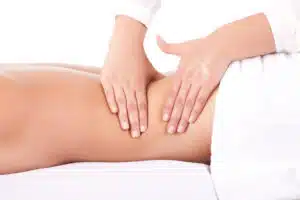
Massage therapy has gained clinical recognition for its ability to lower blood pressure and reduce levels of inflammatory cytokines—small proteins crucial in cell signaling. By manipulating soft tissue, licensed therapists can increase blood flow to stagnant, painful areas, promoting the drainage of inflammatory byproducts.
Furthermore, the modern work environment has introduced new challenges for PCOS sufferers. The rise of remote work has led many to use non-ergonomic furniture, which can severely aggravate musculoskeletal issues. Experts recommend "ergonomic auditing" of home offices, prioritizing chairs with proper lumbar support and taking scheduled "movement breaks" every 60 minutes to prevent joint stiffness caused by prolonged inactivity.
Finally, temperature therapy remains a cost-effective and accessible tool. Heat therapy, such as warm compresses or hot water bottles, encourages nutrient-rich blood flow to the muscles to relieve stiffness. Cold therapy, through ice packs, is used to constrict blood vessels and reduce acute swelling. Alternating between the two can provide a comprehensive approach to managing flare-ups.
Broader Impact and Clinical Outlook
The economic and social implications of PCOS-related joint pain are substantial. Chronic pain is a leading cause of workplace absenteeism and reduced quality of life. As medical understanding of the "PCOS-Inflammation Axis" grows, there is an increasing push for earlier screening of inflammatory markers in young women presenting with irregular cycles.
The shift toward holistic, integrated care reflects a broader trend in internal medicine. Rather than treating symptoms in isolation, the focus is moving toward managing the underlying metabolic and inflammatory drivers. By addressing insulin resistance and systemic inflammation through diet, lifestyle, and targeted therapies, women with PCOS can not only manage their reproductive health but also protect their long-term musculoskeletal integrity.
In conclusion, joint pain in the context of PCOS is a clear indicator of systemic physiological distress. While the condition can be debilitating, the combination of clinical intervention and proactive lifestyle management offers a viable pathway to reducing pain and preventing the progression of more serious autoimmune comorbidities. Continued research into the specific pathways of CRP and androgen interaction remains essential for developing the next generation of targeted PCOS treatments.