
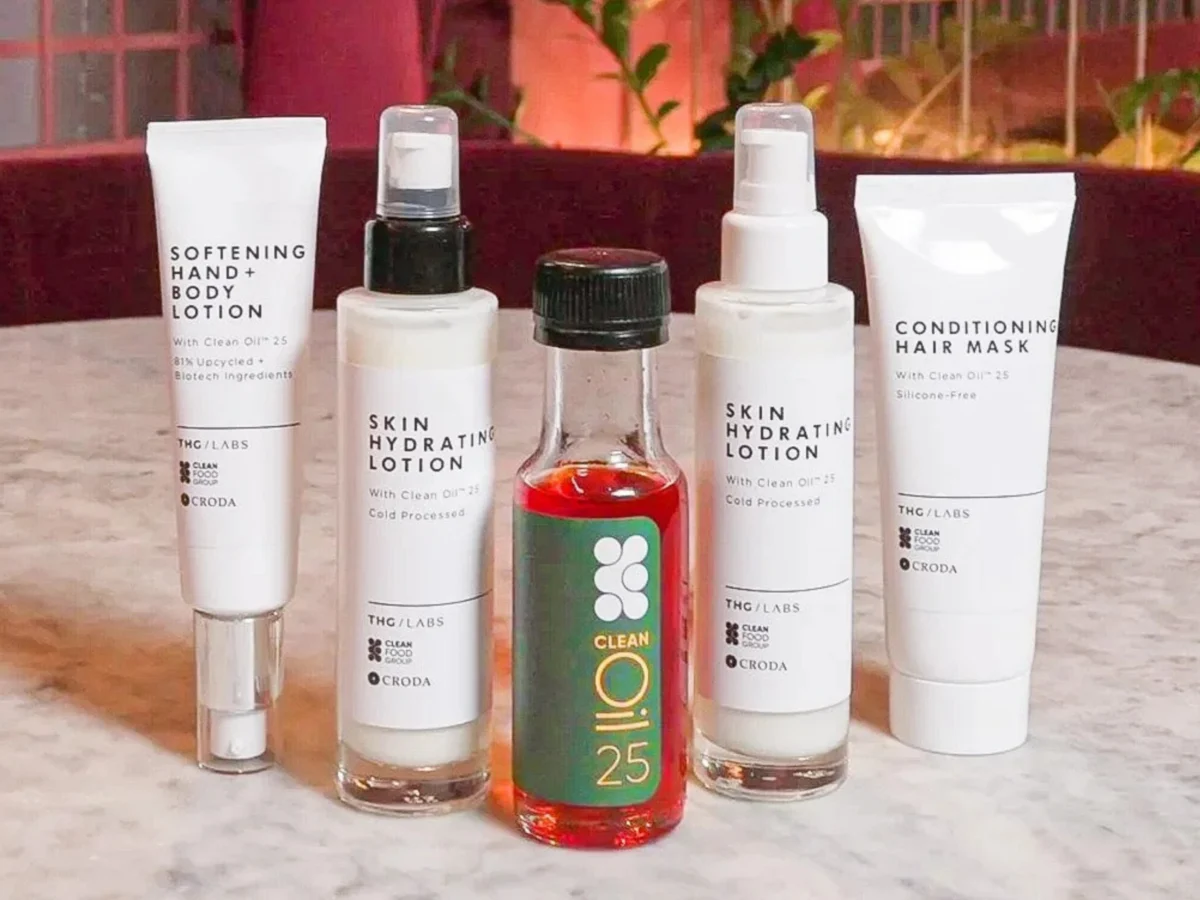
UK biotech startup Clean Food Group has launched CleanOil, a waste-derived yeast fat that can help the beauty and cosmetics sector shift away from the planet-harming palm oil.
In a significant development for the global beauty and personal care industry, UK-based Clean Food Group has officially launched CleanOil, an innovative, waste-derived yeast fat engineered to provide a sustainable and high-performance alternative to traditional tropical oils, most notably palm oil. This groundbreaking ingredient, set to be officially unveiled at the prestigious In-Cosmetics Global show in Paris from April 14th to 16th, represents a pivotal step in the industry’s ongoing quest for cleaner, more environmentally responsible formulations. As consumer demand for ethical and sustainable personal care products continues to surge, Clean Food Group’s microbial-powered solution offers a tangible pathway for brands to significantly reduce their environmental footprint.
Headquartered in Greater London, Clean Food Group is at the forefront of leveraging biotechnology to transform industrial and food waste into valuable ingredients. By harnessing the power of yeast fermentation, the company converts surplus feedstocks into sustainable alternatives for fats and oils that are crucial to a wide array of industries, with a current strategic focus on the burgeoning beauty sector.
"The launch of CleanOil is a defining moment for us as a business," stated Alex Neves, CEO of Clean Food Group. "We have always believed biotechnology has the potential to fundamentally reshape how ingredients are made, and with CleanOil, we are showing that sustainable alternatives can meet, if not exceed, the performance expectations of the beauty industry." This sentiment underscores the company’s commitment to delivering not just an eco-friendly option, but one that upholds the premium quality and functionality consumers expect from their personal care products.
The Genesis of a Future-Friendly Fat: From University Research to Industrial Scale
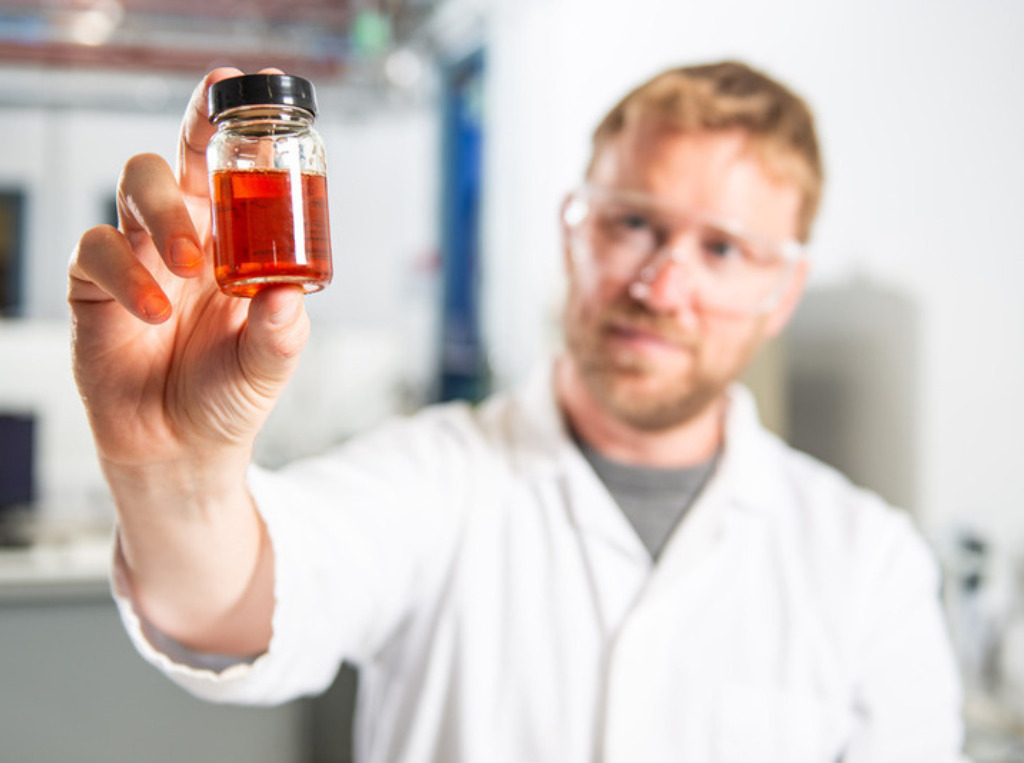
The scientific foundation of Clean Food Group’s innovation is deeply rooted in extensive research conducted at the University of Bath. Professor Chris Chuck, co-founder and technical lead at Clean Food Group, spearheaded a decade-long research initiative that laid the groundwork for the company’s proprietary technology. This significant academic endeavor was bolstered by substantial support, including £7.5 million in funding from the UK government, highlighting a national interest in fostering sustainable bio-industries.
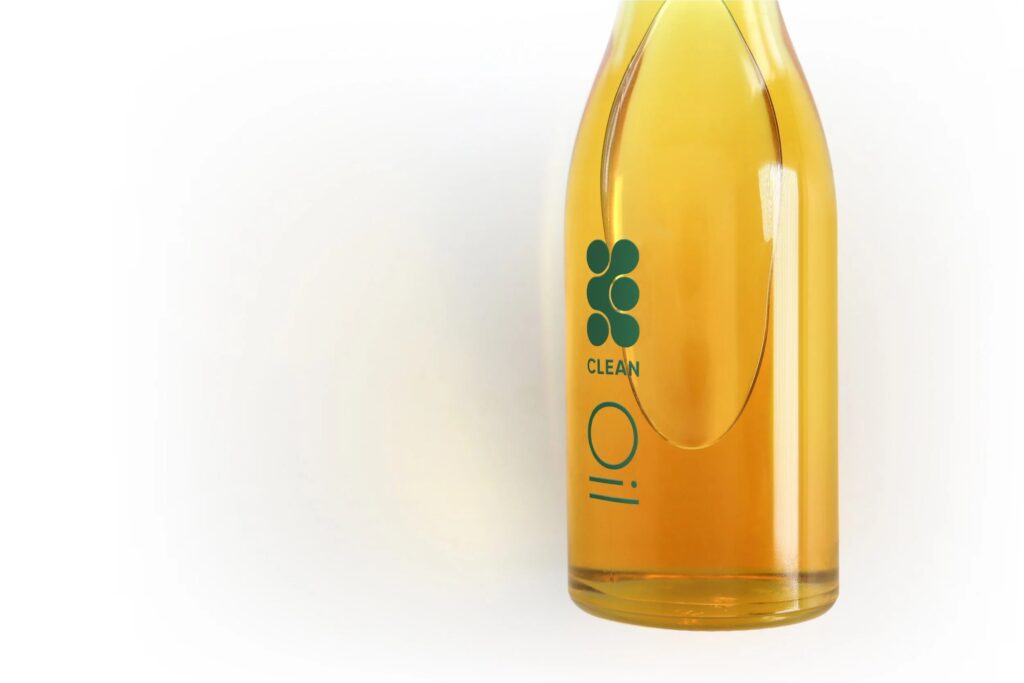
At the heart of Clean Food Group’s operations lies its proprietary CleanOil platform. This sophisticated system utilizes scalable, non-GMO yeast strains that are fed on circular feedstocks, such as surplus bread and other food industry by-products. Through a carefully controlled fermentation process, these yeasts are engineered to produce high-performance, low-impact lipids. These lipids are designed to serve as direct replacements for climate-harming tropical fats like palm and coconut oil, as well as petroleum-based mineral oils, which are common ingredients in many cosmetic formulations.
The CleanOil platform has already given rise to several versatile product lines, with a key objective being price parity with conventionally farmed alternatives. While CleanOil 40 is tailored for the confectionery and spreads market, and CleanFat 50 is positioned for bakery and dairy applications, the company’s immediate focus for the beauty industry is CleanOil 25.
CleanOil 25: A Premium, Sustainable Alternative for Personal Care
CleanOil 25 is specifically engineered as a base ingredient for a broad spectrum of sustainable products within the skincare, haircare, and broader personal care categories. Its development aims to replicate and even surpass the desirable sensorial qualities and functional performance associated with premium oils. Formulators can expect a rich, silky texture and a formulation profile that includes significant levels of omega-6 and omega-7 fatty acids, essential for skin health and hydration.
The environmental benefits of CleanOil are substantial. Compared to conventional agricultural oils, its production process can lead to a reduction in greenhouse gas emissions exceeding 95%. This is particularly critical given the pervasive use of fats like palm oil in the cosmetics industry, an industry that often faces scrutiny for its environmental impact. Palm oil, a ubiquitous ingredient in countless consumer products, is a primary driver of tropical deforestation, contributing significantly to habitat loss, biodiversity decline, and the release of vast amounts of carbon dioxide into the atmosphere. The direct link between palm oil cultivation and devastating wildfires in regions like Indonesia and Malaysia has drawn global condemnation.
Regulatory Pressure and Market Readiness
The urgency to find sustainable alternatives is amplified by impending regulatory changes. The European Union’s Deforestation Regulation, slated to take effect following several delays, will prohibit the import of commodities, including palm oil, that are linked to deforestation. Companies found to be in violation face severe penalties, including fines of up to 4% of their global turnover. Current data indicates a concerning trend, with approximately 34% of palm oil imports potentially originating from deforested land, underscoring the critical need for compliant and sustainable alternatives.
Clean Food Group asserts that CleanOil 25 has been meticulously developed to satisfy both stringent environmental requirements and demanding performance criteria. The ingredient has undergone rigorous evaluation within real-world formulation systems, demonstrating compatibility with a wide array of product formats. Crucially, it maintains excellent color and odor stability, contributing to an elegant and desirable sensorial profile that brands can rely on.
Strategic Partnerships and Scaled Production
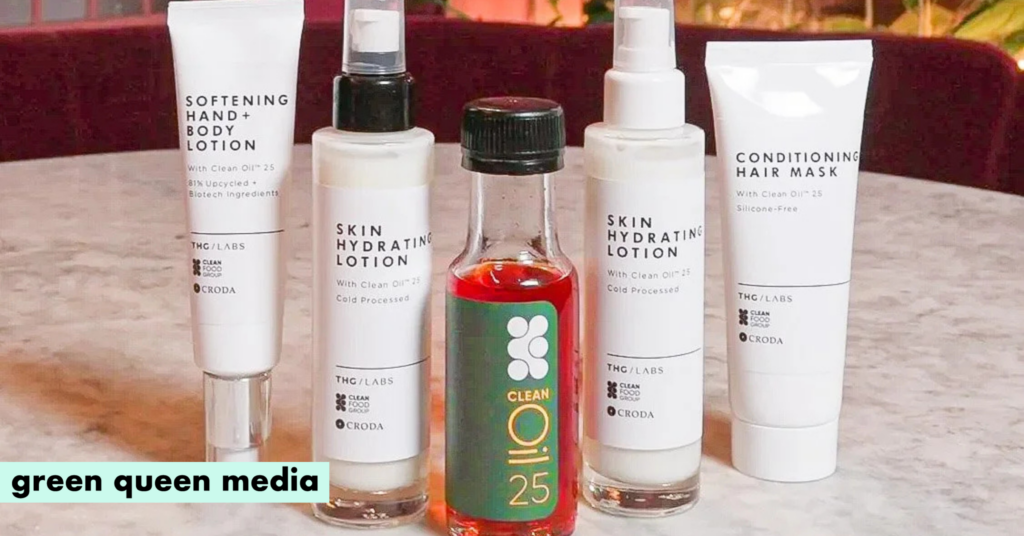
The journey of CleanOil 25 from laboratory concept to market-ready ingredient has been significantly accelerated through strategic collaborations. A key partnership, initiated in October 2024, was established with THG Labs, the product development arm of the prominent UK personal care giant THG, and specialty chemicals leader Croda. This collaboration was instrumental in the co-development of CleanOil 25, with the firms aiming to create novel raw materials characterized by low environmental impact and high performance for the beauty and personal care markets.
"Through our partnership with THG Labs, we have been able to translate that science into something brands can confidently formulate with today," commented Neves. This sentiment was echoed by Kristal Goodman, Head of Product Innovation at THG Labs. "Our role has been to prove that CleanOil doesn’t just work in theory – it works in formulation, at scale, and within the demands of modern beauty product development," Goodman stated. "That’s what ultimately gives brands the confidence to adopt new ingredients."
The scalability of Clean Food Group’s fermentation platform and manufacturing process has been rigorously validated. The company successfully completed a significant 60,000-litre production run in 2025, yielding two tonnes of its specialized oils. This production milestone was supported by Dähler Ventures, further solidifying the commercial viability of the technology.
To facilitate further scaling and achieve greater cost reductions, Clean Food Group has strategically acquired the assets of Algal Omega 3, a microalgal oil producer that entered administration in the previous year. This acquisition includes a substantial 12-acre site in Knowsley, Liverpool, which, alongside Clean Food Group’s existing demonstration plant in Ledbury, now serves as a key production hub for its yeast-derived lipids.
The company has also secured vital regulatory approvals for CleanOil 25, enabling its sale for cosmetic use in the United Kingdom, the European Union, and the United States. With its production capabilities established and market access secured, Clean Food Group is now actively engaged in fundraising for a Series A round, which is anticipated to close in the first half of the current year. This funding will be crucial for accelerating expansion and further solidifying its position in the market.
A Flourishing Ecosystem of Fermentation-Based Ingredients
Clean Food Group is part of a rapidly growing global ecosystem of companies that are harnessing the power of microbial fermentation to produce planet-friendly fats for the beauty and personal care industries. This burgeoning sector is witnessing significant innovation and investment as brands increasingly prioritize sustainability.
Among the notable players in this space are Savor, which focuses on creating sustainable fats for food applications and is exploring opportunities in cosmetics; Aio, an Estonian company also producing yeast-derived fats; Melt&Marble, utilizing precision fermentation for fat production; NoPalm Ingredients, dedicated to developing palm oil alternatives from yeast; C16 Biosciences, a prominent player developing palm-identical fatty acids through fermentation; Terra Oleo, focused on sustainable alternatives for fats and oils; and many others. The collective efforts of these companies are signaling a fundamental shift in how essential ingredients are sourced and produced, promising a more sustainable future for the beauty industry and beyond.
The successful launch of CleanOil by Clean Food Group represents a significant stride towards addressing the environmental challenges associated with conventional ingredient sourcing. By offering a high-performance, cost-competitive, and demonstrably sustainable alternative to palm oil, the company is poised to empower beauty brands to meet consumer demands for ethical products while contributing to a healthier planet. The In-Cosmetics Global show in Paris will undoubtedly provide a crucial platform for Clean Food Group to showcase its innovation and forge new partnerships, accelerating the transition towards a more sustainable beauty landscape.