
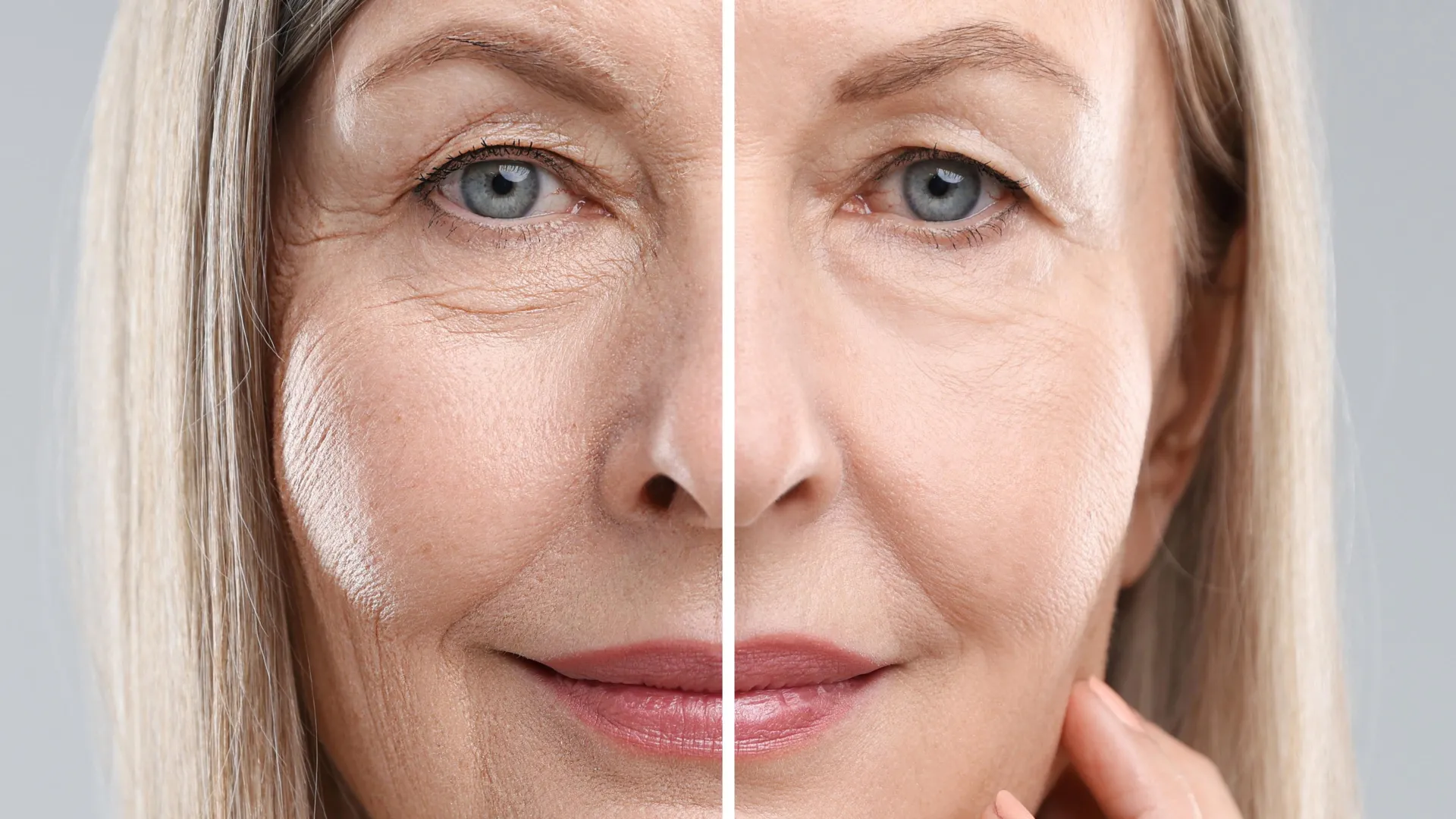
New York, NY – A growing body of scientific inquiry is increasingly highlighting the profound connection between our psychological state and our physical well-being. Recent groundbreaking research emerging from NYU’s School of Global Public Health suggests that anxieties surrounding the aging process, particularly fears of declining health, may be more than just a mental burden. For women, these deep-seated worries could be contributing to a tangible acceleration of aging at the cellular level. This finding, published in the esteemed journal Psychoneuroendocrinology, challenges conventional thinking by positing that subjective experiences of aging anxiety can directly influence objective biological markers of aging, potentially leading to significant real-world health consequences.
The study, which examined data from 726 women in the Midlife in the United States (MIDUS) cohort, employed sophisticated epigenetic clocks – biological markers that measure aging at a molecular level – to assess the impact of perceived aging-related stress. Researchers found a statistically significant correlation between higher reported levels of anxiety about growing older and faster rates of biological aging, as measured by the DunedinPACE clock, which specifically tracks the speed of aging. This acceleration in epigenetic aging has been previously associated with increased physical decline and a heightened risk of developing age-related diseases.
Understanding the Nuances of Aging Anxiety
Mariana Rodrigues, a PhD student at NYU’s School of Global Public Health and the lead author of the study, elaborated on the study’s implications. "Our research suggests that subjective experiences may be driving objective measures of aging," Rodrigues stated. "Aging-related anxiety is not merely a psychological concern, but may leave a mark on the body with real health consequences." This assertion moves beyond the well-established link between general psychological distress and physical health outcomes, focusing specifically on the anxieties intrinsically tied to the aging process itself.
Previous research has consistently demonstrated that chronic psychological distress can impact biological aging through epigenetic modifications – changes in how our genes are expressed without altering the underlying DNA sequence. These modifications can influence a wide range of cellular functions and ultimately contribute to the aging phenotype. However, the specific impact of worries about aging, rather than general anxiety, on these biological processes had remained an under-explored area until this recent investigation.
Why Women May Be Particularly Vulnerable
The study’s focus on women is deliberate, acknowledging the unique societal pressures and biological realities that can amplify anxieties around aging for this demographic. Societal emphasis on youth and appearance, coupled with concerns about fertility and hormonal changes, can significantly heighten stress levels during midlife. Rodrigues further explained, "Women in midlife may also be multiple in roles, including caring for their aging parents. As they see older family members grow older and become sick, they may worry about whether the same thing will happen to them." This dual burden of personal aging concerns and the direct observation of aging-related decline in loved ones can create a potent cocktail of anxiety.
The study specifically probed participants’ worries concerning becoming less attractive, developing health problems, and being too old to have children. The findings revealed a nuanced picture: while worries about declining health were most strongly associated with accelerated epigenetic aging, concerns about appearance and fertility did not show a significant correlation. This suggests that the existential threat of illness and the potential loss of independence associated with poor health may be more potent drivers of biological aging than anxieties related to aesthetics or reproductive capabilities, which may diminish in intensity over time.
Methodology: Unraveling Biological Aging
To quantify the relationship between subjective aging fears and objective biological aging, the research team leveraged data from the Midlife in the United States (MIDUS) study, a longitudinal survey that has been collecting comprehensive health and psychosocial data from a diverse group of American adults since the mid-1990s. For this specific study, researchers analyzed blood samples from 726 women.
These blood samples were subjected to analysis using two leading epigenetic clocks:
- DunedinPACE: This clock measures the rate at which an individual is aging. It provides a measure of "pace" – essentially, how quickly biological processes are advancing. A higher DunedinPACE score indicates a faster rate of aging.
- GrimAge2: This clock estimates the accumulated biological damage over time, providing a measure of biological age relative to chronological age. It is known to be a strong predictor of mortality and various age-related diseases.
The results were striking. Women who reported experiencing higher levels of anxiety about growing older demonstrated significantly faster epigenetic aging as indicated by the DunedinPACE clock. This accelerated aging is a critical indicator, as prior research has consistently linked faster epigenetic aging to a greater likelihood of physical decline, increased susceptibility to chronic diseases, and reduced overall healthspan.
The Intertwined Nature of Mental and Physical Health
The findings of this NYU study underscore a fundamental truth that is often overlooked in healthcare systems that tend to compartmentalize mental and physical health: these two aspects of our well-being are deeply intertwined and mutually influential across the lifespan. Adolfo Cuevas, associate professor of social and behavioral sciences at NYU School of Global Public Health and the study’s senior author, emphasized this point. "Our research identifies aging anxiety as a measurable and modifiable psychological determinant that seems to be shaping aging biology," Cuevas stated. This framing suggests that interventions targeting psychological well-being could have a direct impact on biological aging processes.
However, the researchers are careful to acknowledge the limitations of their cross-sectional study design. The data captures a snapshot in time, making it impossible to definitively establish a cause-and-effect relationship. It is plausible that other unmeasured factors could be influencing both anxiety levels and biological aging. For instance, the study explored the potential role of certain coping behaviors often associated with anxiety, such as smoking or alcohol consumption. When the analysis was adjusted to account for these behaviors, the statistical significance of the association between aging anxiety and epigenetic aging weakened considerably, to the point of becoming non-significant. This finding suggests that lifestyle choices made in response to anxiety might be mediating the observed link, rather than the anxiety itself directly causing cellular aging.
Future Directions and Societal Implications
The path forward necessitates further rigorous research to disentangle these complex relationships. Longitudinal studies that track individuals over extended periods are crucial to understand how aging anxiety evolves, its long-term impact on biological aging trajectories, and the specific mechanisms through which it operates. Identifying effective strategies to mitigate aging anxiety and support individuals experiencing these fears is also paramount. This could involve developing targeted therapeutic interventions, promoting healthy coping mechanisms, and fostering a more supportive societal environment around aging.
Rodrigues concluded with a call for broader societal reflection. "Aging is a universal experience," she remarked. "We need to start a discourse about how we as a society — through our norms, structural factors, and interpersonal relationships — address the challenges of aging." This sentiment highlights the need to move beyond individual anxieties and examine the societal structures and cultural narratives that contribute to the fear of growing old. Creating a society that values and supports its aging population, rather than stigmatizing it, could have profound positive impacts on both individual well-being and public health.
The research was supported by grants from the National Institute of Diabetes and Digestive and Kidney Diseases (R01DK137246, R01DK137805). Jemar R. Bather of NYU School of Global Public Health also contributed to the study as a coauthor. This work represents a significant step in understanding the intricate interplay between our minds and bodies, reminding us that our deepest fears can, in subtle yet powerful ways, shape our biological reality. As the population ages globally, addressing the psychological dimensions of aging is not merely a matter of comfort, but a critical component of promoting healthy longevity.