
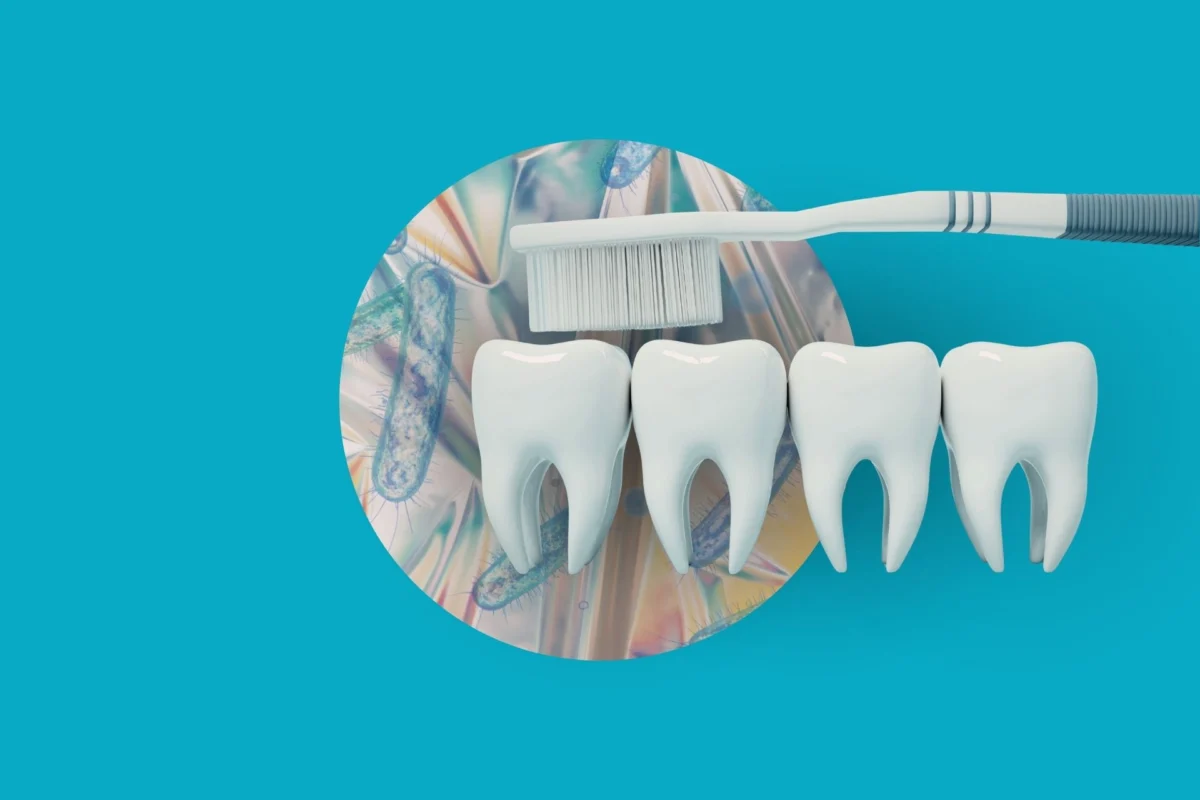
The human mouth serves as a complex ecosystem for more than seven hundred distinct species of bacteria, a microbial community that modern science now identifies as a critical sentinel for systemic health. For over a century, the prevailing philosophy of oral hygiene was defined by a scorched-earth approach, characterized by the use of antiseptic mouthwashes and aggressive sterilization techniques intended to eliminate all microbial life. However, emerging research from the mid-2020s suggests that this "carpet-bombing" strategy may have been fundamentally misguided. Evidence now indicates that the oral microbiome carries vital information regarding cardiovascular risk, metabolic stability, and susceptibility to cognitive decline, marking a shift from viewing the mouth as an isolated "plumbing problem" to recognizing it as a primary diagnostic interface for the entire body.
The Mechanistic Link: From Nitrates to Nitric Oxide
The transition from traditional dentistry to a microbiome-centered medical approach is anchored in a specific biological pathway: the nitrate-nitrite-nitric oxide cycle. Scientific understanding of this mechanism reached a turning point in 2025 with a landmark study from the University of Exeter, published in the journal Free Radical Biology and Medicine. Researchers observed that when older adults consumed nitrate-rich beetroot juice twice daily for a period of two weeks, their oral microbial profiles underwent a significant transformation.
The study documented a marked decline in Prevotella, a genus often associated with inflammation, and a corresponding increase in Neisseria, which is linked to metabolic health. Most importantly, this microbial shift resulted in a measurable reduction in systolic blood pressure. The mechanism is now understood at a granular level: specific bacteria on the tongue and gums convert dietary nitrates into nitrites, which are then converted into nitric oxide in the bloodstream. Nitric oxide is the primary signaling molecule responsible for vasodilation and the regulation of blood pressure. By using aggressive antiseptic mouthwashes, individuals inadvertently interrupt this pathway, potentially leading to increased systemic blood pressure and heightened cardiovascular risk.
A Chronology of Oral Health Paradigms
The evolution of oral health can be categorized into three distinct eras, each defined by its technological limitations and scientific assumptions:
- The Sterilization Era (1900s–2010s): During this period, oral health was synonymous with sterility. The mouth was treated as a "silo," disconnected from the heart and brain. The primary goal of treatment was the mechanical removal of plaque and the chemical elimination of bacteria to prevent localized decay and gingivitis.
- The Genomic Transition (2015–2024): With the advent of 16S rRNA sequencing, researchers began to map the oral cavity’s diversity. Studies started linking periodontal dysbiosis—an imbalance in the microbial community—to systemic conditions such as type 2 diabetes, rheumatoid arthritis, and even early-stage Alzheimer’s disease.
- The Integrated Diagnostic Era (2025–Present): The current era views the mouth as a "liquid biopsy" site. Technologies such as AI-driven salivary analysis and real-time microbiome monitoring are transforming the bathroom into a primary diagnostic room, shifting the focus from repair to the cultivation of a balanced ecosystem.
The Tongue as a Diagnostic Surface
Within the oral cavity, the tongue has emerged as the most overlooked diagnostic site in human physiology. Its dorsum, or top surface, hosts dense and highly organized biofilms that are not merely passive residents but active metabolic participants. A 2026 study published in npj Biofilms and Microbiomes analyzed the tongue microbiota of 729 individuals, identifying three distinct "orotypes." These orotypes were found to be remarkably stable over a six-year period, suggesting that the tongue’s microbial signature is a persistent biological trait.
These orotypes are now being linked to specific health outcomes. Research has established correlations between specific tongue microbiome alterations and gastrointestinal cancers, pneumonia in the elderly, and various autoimmune disorders. Despite this, the clinical standard remains largely unchanged, with most practitioners still advising patients to simply scrape the tongue without analyzing the biological data it contains.
Saliva: The Needle-Free Liquid Biopsy
The diagnostic potential of the mouth extends beyond the tongue to the very fluid that bathes it. Saliva contains over 3,000 identified proteins, along with a wealth of microbial signatures, metabolites, and immune markers. This "liquid biopsy" is produced continuously, offering a non-invasive window into the body’s internal state.
Recent advancements in Artificial Intelligence (AI) have enabled the detection of early signals for chronic diseases through salivary patterns alone. For instance, AI models can now identify markers of kidney failure and cardiovascular distress before traditional symptoms manifest. In a notable application of this technology, a research team in China developed an AI-powered screening tool for periodontitis. Using panoramic X-rays and salivary data, the tool achieved a 94% accuracy rate. Crucially, this technology was designed for deployment in underserved community health centers, demonstrating how oral-systemic diagnostics can bridge gaps in healthcare accessibility.
Technological Convergence and Regenerative Biology
The field is currently witnessing a convergence of four distinct technological pillars: microbiome-compatible chemistry, smart hardware, AI diagnostics, and regenerative medicine.
- Microbiome-Compatible Chemistry: While the West has long relied on fluoride and alcohol-based rinses, Japan has utilized hydroxyapatite toothpaste since 1993. Originally based on a NASA patent intended to combat bone density loss in astronauts, hydroxyapatite remineralizes enamel without destroying beneficial bacteria.
- Smart Hardware: New "smart" toothbrushes equipped with high-definition oral scanners and biosensor patches are entering the consumer market. These devices track pH levels and inflammatory markers in real-time, sending data to AI models for analysis.
- Regenerative Biology: Perhaps the most radical shift is occurring in the lab. At King’s College London, researchers successfully grew early tooth-like structures in 2025. Simultaneously, Dr. Katsu Takahashi in Japan has initiated human trials for a peptide-based drug designed to reactivate dormant stem cells in the jawbone, potentially allowing for the natural regrowth of teeth.
Professional Implications: The Future of Dentistry
As the mouth becomes a continuous data stream, the dental profession faces a critical crossroads. Experts predict three primary scenarios for the evolution of the field by 2035:
Scenario 1: Inertia. In this default path, the dental system remains reactive and episodic. The workforce continues to shrink, and the oral microbiome remains a scientific curiosity rather than a clinical tool. This leads to a missed opportunity where oral dysbiosis continues to accelerate systemic diseases in aging populations.
Scenario 2: Augmentation. This pragmatic path sees the dentist evolving into a "primary care oral physician." In this model, AI handles the pre-analysis of scans, and microbiome profiles inform personalized treatment plans. The dentist coordinates directly with general practitioners to manage a patient’s systemic risk based on oral markers.
Scenario 3: Radical Transformation. In this version, the center of gravity shifts from the clinic to the home. The bathroom becomes the primary site of diagnosis, with algorithms prescribing specific toothpastes and probiotics based on real-time microbial shifts. The dental surgery as a standalone institution dissolves, becoming a specialized node within a broader, integrated health network.
Analysis of Broader Impacts
The integration of oral microbiome science into mainstream medicine carries profound implications for public health policy and economic structures. Currently, the separation of dental insurance from medical insurance in many Western nations reflects the outdated "silo" view of the mouth. If the oral microbiome is proven to be a primary driver of cardiovascular health, maintaining this separation becomes scientifically and economically indefensible.
Furthermore, the rise of at-home microbiome test kits and direct-to-consumer oral health startups is creating a "data-ready" patient base. Consumers are already sequencing their oral bacteria to identify species driving inflammation or halitosis. If mainstream clinicians do not adapt to this influx of biological data, they risk obsolescence as patients turn to AI-driven platforms for guidance.
Conclusion and Policy Recommendations
The evidence is clear: the oral microbiome is not merely a dental concern but a medical frontier. To capitalize on this shift, healthcare systems must prioritize several key actions:
- Educational Reform: Dental curricula must be redesigned to include deep fluency in microbiology, data science, and regenerative medicine, moving beyond purely restorative techniques.
- Public Health Integration: Microbiome screening and saliva-based diagnostics should be integrated into primary care settings, particularly for the monitoring of hypertension and diabetes.
- Equitable Access: AI-driven triage tools and microbiome-aware products must be subsidized for populations currently locked out of private dental care to prevent a "diagnostic divide."
- Shift in Narrative: Public health messaging must move from "sterilization" to "cultivation," teaching the public that a healthy mouth is a balanced ecosystem, not a germ-free one.
Seven hundred species are broadcasting continuous data about the human heart, metabolism, and brain. The tools to listen to this broadcast are no longer theoretical—they are arriving in clinics and homes today. The profession that claims this frontier will define the next century of preventive medicine. For dentistry, the silence in the face of this data is no longer an option; it is a risk to the profession’s relevance in a data-driven medical future.