
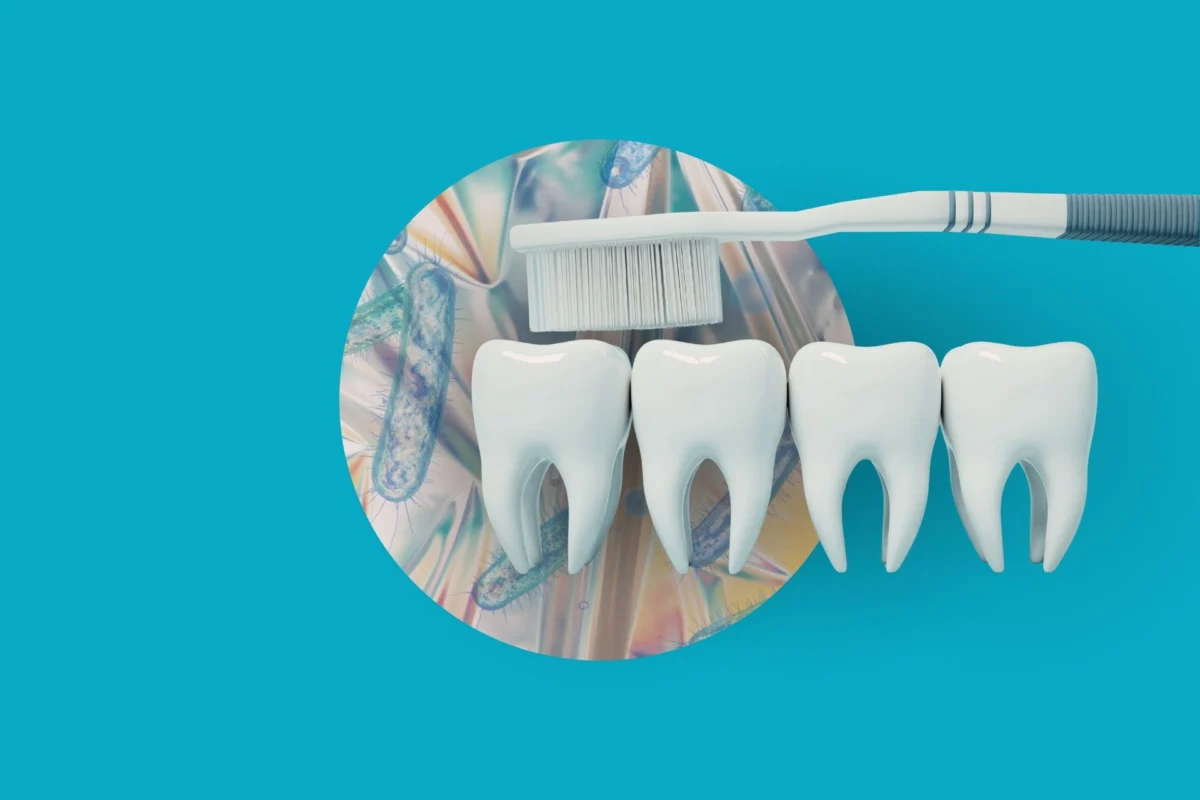
The human oral cavity, long regarded by traditional medicine as a mere gateway for nutrition and a site for localized hygiene, is emerging as one of the most critical diagnostic frontiers in contemporary healthcare. Home to more than 700 distinct species of bacteria, viruses, and fungi, the oral microbiome is no longer viewed as a collection of pathogens to be eradicated, but as a complex, symbiotic ecosystem that serves as a sentinel for systemic health. Recent breakthroughs in genomic sequencing and artificial intelligence are revealing that these microbial communities carry vital information regarding cardiovascular risk, metabolic stability, and even susceptibility to neurodegenerative decline. As the scientific community moves away from a century-old "sterilization" model toward one of "microbial cultivation," the dental profession faces a pivotal moment of transition that could see the bathroom become the primary diagnostic room of the home.
The Mechanistic Shift: From Plumbing to Physiology
For much of the 20th century, oral health was treated as a "plumbing" issue—a matter of repairing structural damage to teeth and keeping the surrounding tissues free of bacteria through aggressive antiseptic intervention. However, the narrative is shifting toward a mechanistic understanding of how oral bacteria influence systemic physiology. A landmark 2025 study from the University of Exeter, published in the journal Free Radical Biology and Medicine, has provided direct evidence of the mouth’s role in regulating blood pressure.
The study focused on the nitrate-nitrite-nitric oxide pathway, a critical biological process where dietary nitrates from vegetables are converted by oral bacteria into nitrites, and subsequently into nitric oxide (NO) in the stomach and blood vessels. Nitric oxide is the primary signaling molecule responsible for vasodilation, which controls blood vessel tone and maintains healthy blood pressure levels. When older adults in the Exeter study consumed nitrate-rich beetroot juice twice daily for two weeks, researchers observed a significant shift in their oral microbiome: the prevalence of harmful Prevotella species declined, while beneficial Neisseria species increased. This microbial shift directly correlated with a measurable drop in systemic blood pressure. Conversely, the use of aggressive antiseptic mouthwashes has been shown to interrupt this pathway, effectively "killing" the bacteria responsible for cardiovascular regulation and leading to an increase in hypertension risk.
The Tongue as a Diagnostic Interface
While the entire oral cavity is biologically active, the dorsum of the tongue is gaining recognition as the most overlooked diagnostic site in the human body. The tongue hosts dense, highly organized biofilms that are not merely passive residents but active participants in metabolic signaling. Research published in npj Biofilms and Microbiomes in 2026 analyzed the tongue microbiota of 729 individuals, identifying three distinct "orotypes." These orotypes—analogous to gut enterotypes—demonstrated remarkable temporal stability over a six-year period and were closely associated with specific metabolic and oral health outcomes.
The implications of these findings are vast. Alterations in the tongue’s microbial landscape have been linked to a spectrum of conditions, including rheumatoid arthritis, various gastrointestinal cancers, and pneumonia in the elderly. Because the tongue is easily accessible and its microbial profile remains relatively stable over time, it offers a non-invasive, persistent biological surface that could function as a real-time health monitor. Current clinical practice, which often limits tongue care to simple scraping for halitosis management, is increasingly seen as an outdated response to a high-fidelity data source.
A Chronology of Oral Health Evolution
The trajectory of oral healthcare can be divided into four distinct eras, reflecting the broader evolution of medical science:
- The Restorative Era (Pre-1900s – 1950s): Focused almost exclusively on extractions and the mechanical repair of decayed teeth. Dentistry was largely disconnected from general medicine.
- The Preventive Era (1950s – 2000s): Characterized by the introduction of fluoride, mass-marketed toothpastes, and the concept of "sterility as hygiene." The goal was the total reduction of oral bacteria to prevent caries and gingivitis.
- The Genomic Era (2000s – 2020s): The mapping of the oral microbiome began, revealing the complexity of the 700+ species. Research started linking periodontal disease to systemic conditions like diabetes and heart disease.
- The Precision Era (2025 and Beyond): The current shift toward using the oral cavity as a liquid biopsy site. This era is defined by the integration of AI, real-time biosensors, and regenerative therapies that aim to restore biological function rather than just mechanical structure.
Saliva as a Liquid Biopsy
One of the most significant technological leaps in this new era is the utilization of saliva as a diagnostic fluid. Saliva contains over 3,000 identified proteins, along with a wealth of microbial signatures, metabolites, and immune markers. It is, in essence, a "liquid biopsy" that is produced continuously and can be collected without the need for invasive needles.
Artificial Intelligence (AI) is now being trained to decode the complex patterns within saliva. Researchers have developed models capable of detecting early signals of chronic kidney failure, cardiovascular disease, and Type 2 diabetes from salivary patterns alone. In China, an AI-driven periodontitis screening tool demonstrated a 94% accuracy rate in analyzing panoramic X-rays. Unlike traditional tools designed for high-end private clinics, these AI systems are being developed for deployment in underserved community health centers, providing a scalable solution for early disease detection in populations with limited access to specialists.
Emerging Technologies and Regenerative Medicine
The convergence of biotechnology and dentistry is producing a new suite of tools that challenge the traditional "drill and fill" model. Several key innovations are currently entering the clinical and consumer markets:
- Smart Toothbrushes and Biosensors: New devices embedded with high-definition oral scanners and pH sensors track inflammatory markers in real-time. This data is analyzed by AI to alert users to microbial shifts before physical symptoms of gum disease appear.
- Microbiome-Compatible Chemistry: Hydroxyapatite toothpaste, a technology originally derived from a NASA patent to address bone loss in astronauts, is gaining traction in Western markets. Unlike fluoride, which primarily hardens enamel, hydroxyapatite remineralizes teeth by integrating with the natural structure of the tooth without disrupting the beneficial oral microbiome. It has been a standard in Japan since the early 1990s, with over 160 million tubes sold.
- Regenerative Biology: The most radical shift lies in the field of tooth regrowth. Dr. Katsu Takahashi in Japan has initiated human trials for a peptide-based drug that reactivates dormant stem cells in the jawbone to grow new teeth. Similarly, researchers at King’s College London successfully grew early tooth-like structures in laboratory settings in 2025, signaling a future where biological replacement may supersede synthetic implants.
Industry Reactions and Economic Implications
The rise of at-home oral microbiome testing kits represents a burgeoning market that is currently operating ahead of mainstream clinical adoption. Startups now offer mail-in kits that sequence oral bacteria and provide reports on pathogenic species driving inflammation or bad breath. These companies recommend targeted probiotics and dietary adjustments tailored to the individual’s microbial profile.
However, the professional dental community remains cautious. Leading dental associations have noted that while the science is promising, standardization is currently lacking. Different laboratories may use varying sequencing methods, leading to inconsistent results from the same sample. Furthermore, reference databases for "healthy" vs. "unhealthy" microbial profiles are still being refined. There is also a significant knowledge gap: a majority of practicing dentists have not received formal training in microbial genomics or the systemic pathways linked to oral health.
Economically, the integration of oral health into primary care could save billions in healthcare costs. Periodontal dysbiosis is a known driver of complications in diabetes and cardiovascular events—conditions that place a massive burden on global health systems. By treating the mouth as a sentinel, healthcare providers can intervene earlier, potentially preventing the onset of costly chronic diseases.
Analysis of Future Scenarios for the Profession
As these technologies converge, the dental profession is expected to follow one of three potential paths:
Scenario 1: Systemic Inertia
In this default scenario, the dental profession remains siloed. Dental schools continue to emphasize restorative techniques over data science, and the oral microbiome remains a niche interest. This path risks the continued marginalization of dentistry, as primary care physicians may eventually take over the diagnostic functions of oral health, leaving dentists as specialized "oral mechanics."
Scenario 2: Clinical Augmentation
This is the most pragmatic path, where data-driven tools are integrated into existing dental practices. The dentist evolves into a "physician of the mouth," interpreting AI-generated reports and coordinating with a patient’s primary care team. This model requires a fundamental overhaul of dental education to include fluency in microbiology and regenerative medicine.
Scenario 3: The Decentralized Model
In this more radical vision, the center of gravity for oral health shifts from the clinic to the home. Continuous monitoring via smart devices and algorithmic prescriptions for microbiome-aware hygiene products become the norm. The dental surgery transforms into a specialized hub for complex regenerative procedures, while routine diagnostic work is handled by the "smart bathroom" and AI-enabled pharmacies.
Broader Impact and Conclusion
The realization that the mouth is not a silo but a sentinel demands a shift in both public policy and clinical practice. To capitalize on this "medical frontier," health systems must begin integrating oral microbiome screening into primary care protocols. Subsidizing microbiome-aware tools—such as saliva tests and AI-driven triage—for underserved populations could drastically reduce the systemic disease burden in aging societies.
Ultimately, the goal of modern oral health is moving away from the 20th-century ideal of a germ-free mouth toward the 21st-century ideal of a balanced one. The 700 species inhabiting the oral cavity are constantly broadcasting data about the heart, the metabolism, and the brain. The technology to listen to this broadcast has arrived; the challenge now lies in whether the medical and dental professions can reorganize themselves quickly enough to hear it. If dentistry fails to claim this diagnostic territory, the broader medical field will inevitably absorb it, fundamentally altering the identity of the dental profession forever.