

Polycystic Ovarian Syndrome (PCOS), a complex endocrine disorder affecting approximately 8% to 13% of reproductive-aged women worldwide, has long been a challenge for clinical management due to its diverse symptoms and metabolic complications. Recent clinical inquiries and emerging nutritional research suggest that the Mediterranean diet—a dietary pattern rich in monounsaturated fats, fiber, and antioxidants—serves as a potent non-pharmacological intervention for the syndrome’s primary drivers: chronic inflammation and insulin resistance. While direct research on the intersection of PCOS and Mediterranean nutrition remains a developing field, existing longitudinal studies and meta-analyses indicate that this dietary approach significantly improves gut health, mitigates type 2 diabetes risk, and enhances fertility outcomes for women navigating the condition.
Understanding the Clinical Landscape of PCOS and Metabolic Dysfunction
PCOS is characterized by a triad of symptoms: ovulatory dysfunction, hyperandrogenism (excessive levels of male hormones), and the presence of polycystic ovaries. However, the systemic implications extend far beyond the reproductive system. Between 50% and 70% of women with PCOS exhibit some degree of insulin resistance, regardless of their body mass index (BMI). This metabolic defect leads to compensatory hyperinsulinemia, where the body produces excess insulin to manage blood sugar levels. Elevated insulin levels, in turn, stimulate the ovaries to produce more testosterone, creating a self-perpetuating cycle of hormonal imbalance.
The "Western diet," characterized by high intakes of refined sugars, saturated fats, and processed meats, has been identified as a significant contributor to the exacerbation of these symptoms. In contrast, the Mediterranean diet offers a nutritional framework that aligns with the metabolic requirements of the PCOS body. By focusing on low-glycemic index (GI) carbohydrates, lean proteins, and high-quality fats, the diet addresses the root causes of the syndrome rather than merely suppressing individual symptoms.
A Chronological Evolution of Nutritional Therapy for PCOS
Historically, nutritional advice for PCOS was centered almost exclusively on weight loss via caloric restriction. In the early 2000s, the medical community began to shift its focus toward the quality of macronutrients, particularly the role of the glycemic index in managing insulin.
By 2014, research published in Endocrine, Metabolic & Immune Disorders highlighted the immune-protective effects of the Mediterranean diet against chronic low-grade inflammation, a condition now recognized as a hallmark of PCOS. In 2018, studies in The Obstetrician & Gynaecologist further solidified the link between metabolic syndrome and PCOS, advocating for dietary patterns that could mitigate cardiovascular risks. Most recently, in 2019 and 2020, research has pivoted toward the gut microbiome and its interaction with dietary fats, positioning the Mediterranean diet as a primary tool for restoring microbial diversity in women with endocrine disorders.
The Mechanisms of Action: How the Mediterranean Diet Targets PCOS
The efficacy of the Mediterranean diet in treating PCOS is rooted in several biochemical pathways. By deconstructing the diet into its functional components, researchers have identified how it intervenes in the pathology of the syndrome.
Mitigation of Systemic Inflammation
Women with PCOS often present with elevated markers of inflammation, such as C-reactive protein (CRP) and inflammatory cytokines. These markers are not only linked to the development of cysts but also to the progression of cardiovascular disease. The Mediterranean diet’s emphasis on extra virgin olive oil, fatty fish, and leafy greens provides a high concentration of polyphenols and Omega-3 fatty acids. These compounds act as natural anti-inflammatories, reducing the systemic stress that often triggers hormonal flares.
Reversal of Insulin Resistance
The Mediterranean diet is inherently a low-glycemic approach. By prioritizing whole grains, legumes, and fiber-rich vegetables over white breads and refined sugars, the diet prevents the sharp glucose spikes that necessitate large insulin releases. Clinical data suggests that adhering to this pattern can lower fasting insulin levels and improve insulin sensitivity. This metabolic stabilization is comparable to the effects of pharmaceutical interventions like Metformin or supplements like Myo-inositol, which are standard treatments for PCOS-related glucose intolerance.
Reduction of Hyperandrogenism
One of the most distressing aspects of PCOS is the elevation of testosterone, which manifests as acne, hirsutism (excessive hair growth), and androgenetic alopecia (thinning hair). Research indicates that the high Omega-3 content found in Mediterranean staples like sardines, mackerel, and walnuts helps to lower circulating testosterone levels. Furthermore, a 2019 study published in Nutrients found that women who did not adhere to a Mediterranean-style diet tended to have significantly higher testosterone levels and more severe symptoms of hyperandrogenism.
Fertility and Reproductive Outcomes
PCOS is a leading cause of ovulatory infertility. However, nutritional interventions have shown remarkable promise in restoring reproductive function. A landmark study published in Human Reproduction followed women undergoing fertility treatments and found that those who strictly adhered to a Mediterranean-style diet had a 65% to 68% higher likelihood of achieving a successful pregnancy and live birth compared to those with the lowest adherence.
The benefits extend to male fertility as well. High adherence to the Mediterranean diet is associated with improved semen quality, including higher sperm concentration and motility. For couples attempting to conceive, this dietary shift provides a dual-benefit approach, addressing both female endocrine balance and male reproductive health.
The Gut Microbiome and Non-Alcoholic Fatty Liver Disease (NAFLD)
Recent scientific frontiers have identified a "dysbiosis" of the gut microbiota in women with PCOS, meaning their internal bacterial ecosystems are less diverse than those of healthy controls. This lack of diversity is linked to increased intestinal permeability and further inflammation. The high fiber content of the Mediterranean diet—derived from beans, lentils, and diverse plant matter—acts as a prebiotic, feeding beneficial bacteria and restoring the gut barrier.
Furthermore, women with PCOS are at a significantly higher risk for Non-Alcoholic Fatty Liver Disease (NAFLD) due to the intersection of high androgen levels and insulin resistance. A 12-month study on the Mediterranean diet’s impact on liver health demonstrated that the diet could improve liver fat levels and insulin sensitivity even in the absence of significant weight loss. This suggests that the nutrient composition of the diet itself, rather than just a reduction in body mass, is responsible for the hepatic benefits.
Comparative Analysis: Mediterranean vs. Western Dietary Patterns
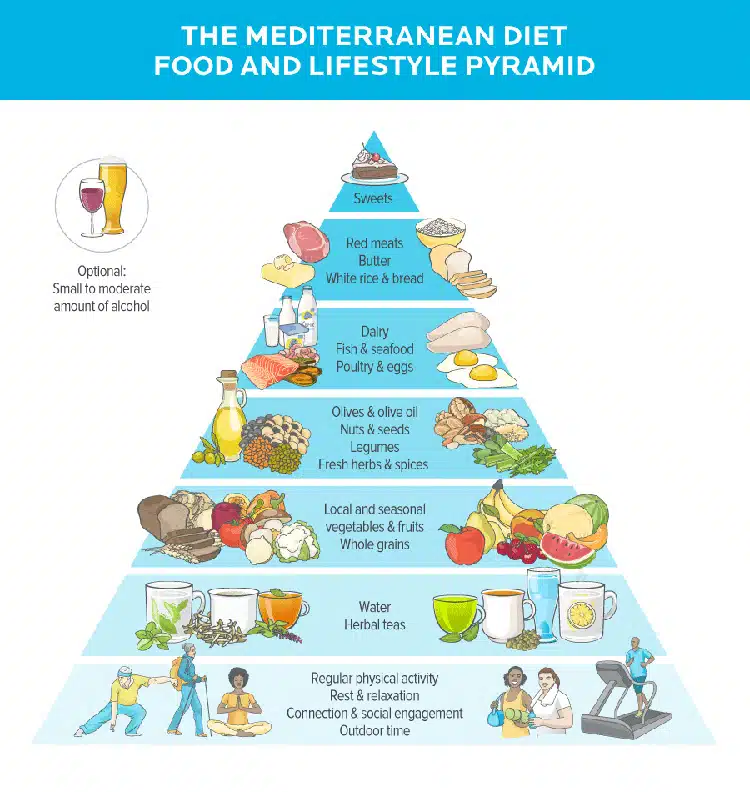
The distinction between the Mediterranean diet and the "Standard American" or Western diet is stark. While the Western diet relies heavily on red meat, trans fats, and ultra-processed snacks, the Mediterranean model is built on:
- Monounsaturated Fats: Primary fat sources are olive oil and nuts, which support heart health.
- Complex Carbohydrates: Legumes and ancient grains provide sustained energy without insulin spikes.
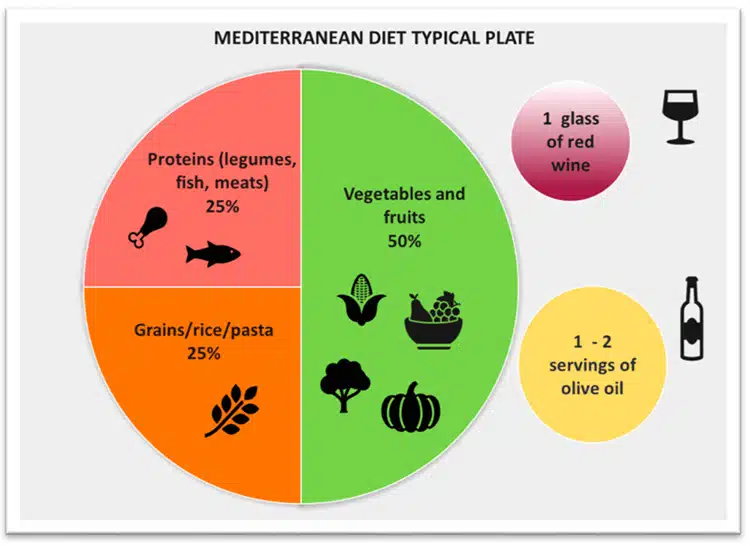
- Plant-Forward Sourcing: Vegetables and fruits occupy the majority of the plate, providing essential micronutrients.
- Moderate Protein: Fish and poultry are preferred over red meat, which is reserved for rare consumption.
Socio-Economic and Lifestyle Implications
Beyond the biochemical benefits, the Mediterranean lifestyle emphasizes sustainable habits that address the psychological burden of PCOS. The practice of eating locally produced, seasonal foods reduces the intake of preservatives and endocrine-disrupting chemicals often found in processed packaging. Additionally, the cultural emphasis on "mindful eating"—consuming meals slowly and in social settings—has been shown to improve digestion and satiety signaling. For women with PCOS, who often struggle with disordered eating or intense sugar cravings due to insulin fluctuations, these behavioral components are vital for long-term adherence.
Official Responses and Medical Consensus
Leading health organizations have begun to integrate these findings into their standard of care. The Endocrine Society and various reproductive medicine boards now emphasize lifestyle modification as the "first-line therapy" for PCOS. While pharmacological aids remain necessary for some, the medical consensus is shifting toward a "food as medicine" approach.
Clinical analysts suggest that if a larger percentage of the PCOS population adopted Mediterranean-style nutrition, the public health burden of related chronic diseases—such as type 2 diabetes and cardiovascular disease—could be significantly reduced. Currently, approximately 33% of women with PCOS also meet the criteria for metabolic syndrome; the Mediterranean diet specifically targets the biomarkers required to reverse this diagnosis.
Conclusion: A Proactive Path Forward
The Mediterranean diet represents more than a temporary weight-loss strategy; it is a comprehensive metabolic intervention. By addressing the underlying drivers of Polycystic Ovarian Syndrome—inflammation, insulin resistance, and hormonal imbalance—it offers women a evidence-based pathway to symptom management and improved quality of life. As research continues to evolve, the integration of Mediterranean nutritional principles into standard PCOS treatment protocols appears not only beneficial but essential for long-term endocrine health. For the millions of women worldwide affected by this syndrome, these dietary shifts provide a powerful, accessible, and scientifically validated tool for reclaiming their health.